Key Takeaways
-
Aligner adjustment visits occur every 6-12 weeks, significantly less frequent than braces which require visits every 4-8 weeks, making clear aligners ideal for busy professionals and parents.
-
During adjustment visits, orthodontists check that teeth are tracking properly with the treatment plan, verify attachment placement, and assess bite changes—typically completing the appointment in 15-30 minutes.
-
If aligners aren’t tracking as planned, refinements (mid-course corrections) involving new scans, adjusted attachments, or extended wear time are normal and don’t indicate treatment failure.
-
Losing an aligner doesn’t derail treatment; contact your orthodontist immediately, wear your previous tray temporarily, and avoid skipping aligner wear to maintain progress.
-
In-person visits remain essential despite remote monitoring options because orthodontists can physically verify attachments, detect oral health issues, confirm bite changes, and address comfort concerns that photos cannot capture.
-
The total number of adjustment visits varies by case complexity—mild corrections need fewer visits while complex cases requiring refinements may need appointments every 6-8 weeks throughout treatment.
Starting clear aligner treatment feels exciting, but many patients wonder what happens after that first tray goes in. How often will you need to visit the office? What actually happens at each check-in? If you’re a busy parent, a professional with a packed calendar, or someone getting ready for a big life event, these questions matter. Understanding aligners adjustment visits helps you plan your schedule and feel confident about your treatment journey.
At Segovia Orthodontics in Lakewood Ranch, Dr. Flor Segovia and her team make these visits simple and stress-free. Whether you’re wearing traditional clear aligners or exploring options like Angel Aligners, knowing what to expect makes the whole process easier. Let’s walk through 10 key facts about aligner adjustment visits so you can plan ahead and stay on track toward your best smile.
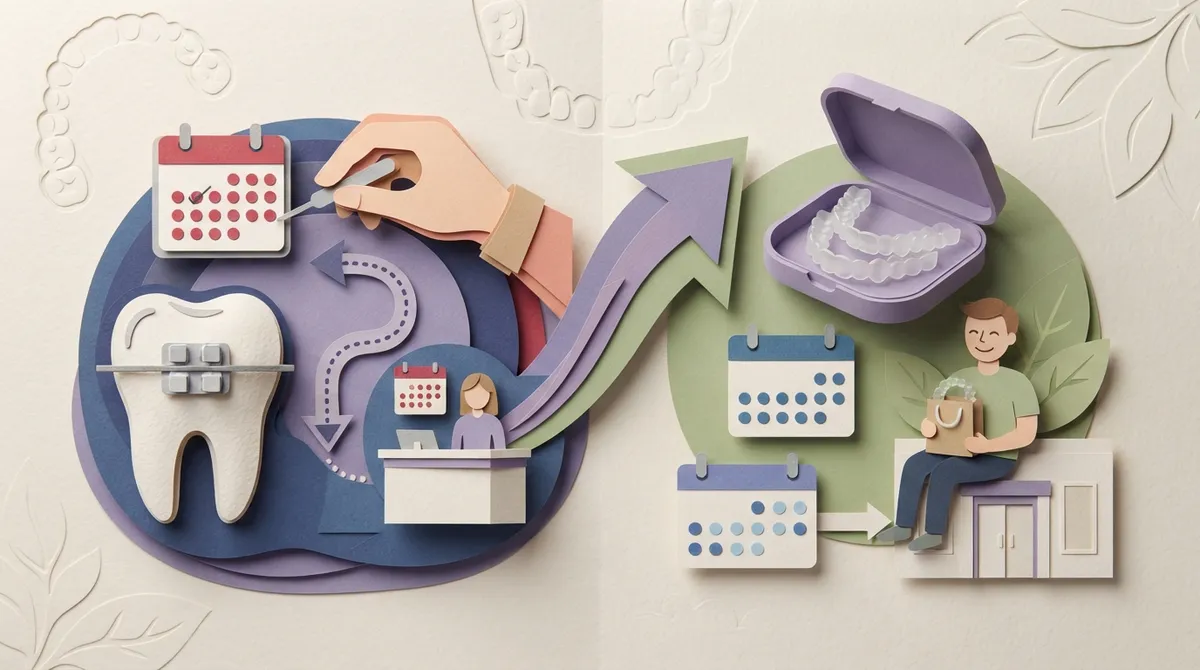
1. Aligner Visits Happen Less Often Than Braces Adjustments
One of the biggest perks of clear aligners is fewer office visits. Because aligner treatment is mapped out in advance using digital planning, your orthodontist already knows how your teeth should move at each stage. This is very different from braces vs. clear aligners care, where wires need regular tightening.
Braces patients often come in every 4 to 8 weeks for adjustments. Aligner patients, on the other hand, typically space visits out much further. This makes clear aligners a great fit for career-focused adults who can’t afford frequent time away from work.

2. Most Aligner Check-Ins Happen Every 6 to 12 Weeks
So how often will you actually need to show up? Research shows that aligner adjustment visits are commonly scheduled every 6 to 12 weeks. Some practices prefer an 8 to 12 week window, while others check in every 10 to 12 weeks depending on your treatment plan.
The exact timing depends on a few things:
- How complex your case is
- How well your teeth are tracking with each new tray
- Whether you’re using a standard aligner system or a faster option like Angel Aligners
- Your orthodontist’s specific monitoring approach
Angel Aligners, for example, use a unique wear schedule that can speed up movement and sometimes reduce the number of in-person visits needed. This is worth discussing during your consultation if a faster timeline matters to you.
3. Your Orthodontist Checks Tracking and Fit
During an aligner adjustment visit, the main goal is making sure your trays are tracking properly. This means checking that your teeth are moving the way the treatment plan predicted.
Your orthodontist will typically look at:
- How snugly the current aligner fits over your teeth
- Whether attachments (small tooth-colored bumps) are still in place
- How much progress has happened since your last visit
- Whether your bite is changing as expected
- Any signs of discomfort, irritation, or broken pieces
If everything looks good, you’ll often walk out with your next batch of aligners ready to go.
4. Appointments Are Usually Quick
Here’s good news for anyone juggling a busy schedule. Aligner adjustment visits are typically short. Some offices report checkups lasting about 15 minutes, while others note a range of 20 to 30 minutes for a more thorough review.
This is much shorter than a typical braces tightening appointment. For young professionals and parents shuttling kids between activities, this quick turnaround makes clear aligners a convenient choice. You can often schedule a visit during a lunch break without disrupting your whole day.
5. Refinements May Be Needed If Progress Slows
Not every case moves in a perfectly straight line. Sometimes teeth need a little extra help finishing their journey. If your orthodontist notices your aligners aren’t tracking as planned, they may recommend refinements.
Refinements are basically a mid-course correction. Your orthodontist might:
- Take new scans or impressions
- Design a fresh set of aligners to finish the movement
- Adjust attachment placement
- Extend your wear time slightly
This is completely normal and doesn’t mean something went wrong. It simply means your smile needs a bit more customized attention to get the best final result.
6. Remote Monitoring Can Help, But In-Person Visits Still Matter
Many patients ask if they can skip the office entirely and just send photos from home. While remote check-ins can supplement your care between visits, in-person exams remain important.
Here’s why face-to-face visits still count:
- Your orthodontist can physically check attachment placement
- They can spot oral health issues like gum irritation early
- They can confirm bite changes that photos might miss
- They can address any comfort concerns right away
Think of remote monitoring as a helpful extra layer, not a full replacement for hands-on care. Segovia Orthodontics combines both approaches to keep your treatment on schedule and your smile healthy.
7. Adjustment Visits Cover More Than Just Tray Changes
These appointments aren’t only about swapping trays. Your orthodontist also uses this time to check your overall oral health. This includes reviewing your brushing and flossing habits, since clean teeth matter just as much during aligner treatment as they do with braces.
Other things checked during your visit include:
- Signs of tooth decay or gum inflammation
- Whether attachments have come loose
- General comfort with your current tray
- Any lost or damaged aligners
This comprehensive approach is part of why regular visits matter, even if your trays seem to be fitting fine at home.
8. Losing an Aligner Doesn’t Have to Derail Your Schedule
Life happens. Maybe an aligner got tossed with a napkin at lunch, or your child’s dog decided it looked like a chew toy. If you lose an aligner before your next scheduled visit, don’t panic.
Here’s what to do:
- Contact your orthodontic office right away
- If you still have your previous tray, wear it temporarily
- Avoid skipping aligner wear entirely, since this can slow progress
- Ask whether you should move ahead to the next tray or wait for a replacement
Quick communication helps your orthodontist decide the best next step so your treatment stays on track. If you’re dealing with a lost aligner or other unexpected issue, don’t hesitate to contact us for guidance.
9. The Number of Total Visits Varies by Case
Because every smile is different, the total number of adjustment visits during your treatment will vary. A simple case might only need a handful of check-ins, while more complex tooth movement could require more frequent monitoring.
| Treatment Factor | Typical Visit Frequency |
|---|---|
| Mild alignment correction | Every 10-12 weeks |
| Moderate correction with attachments | Every 8-10 weeks |
| Complex cases needing refinements | Every 6-8 weeks |
| Angel Aligners accelerated plans | Varies, often fewer visits |
Your orthodontist will give you a personalized schedule during your consultation. This helps parents planning around school schedules and professionals managing work calendars know exactly what to expect.
10. Choosing the Right Provider Makes a Real Difference
Not all orthodontic offices approach aligner care the same way. Working with a board-certified orthodontist who understands both the science and the patient experience matters. Dr. Flor Segovia is recognized by the American Board of Orthodontics and brings advanced digital planning to every case.
When choosing where to get your aligner treatment, look for:
- A provider with board certification and ongoing training
- Flexible scheduling that fits your life, not the other way around
- Access to advanced orthodontic technology for precise planning
- Clear communication about your treatment timeline
- A comfortable, welcoming office environment
Whether you’re an adult finally correcting a childhood relapse, a teen prepping for graduation photos, or a parent managing your child’s teen orthodontic treatment, the right team makes every adjustment visit smooth and reassuring.
What Happens If Your Aligners Aren’t Tracking Well
Sometimes trays don’t seat as snugly as expected. This is called poor tracking, and it’s actually pretty common. Your orthodontist has several tools to fix this without derailing your whole treatment plan.
Common solutions include:
- Adding or repositioning attachments
- Using chewies to help seat the aligner more fully
- Extending wear time on a particular tray before moving forward
- Ordering a refinement scan for a new set of aligners
The key is catching tracking issues early, which is exactly why regular adjustment visits matter so much. Skipping appointments can let small issues turn into bigger delays.
Curious how your friends’ before-and-after transformations happened? Many patients love comparing progress photos, and you can see real examples of orthodontics before and after results from patients just like you.
Making Aligner Visits Work With Your Busy Life
For working professionals and busy parents, fitting appointments into an already full schedule can feel overwhelming. The good news is that aligner treatment was practically designed with convenience in mind.
A few tips to make visits easier:
- Book your next appointment before you leave the current one
- Ask about early morning or Saturday availability
- Keep a small emergency kit with extra aligner cases at home and work
- Set phone reminders for tray changes between visits
- Bring a list of questions so you don’t forget anything important
Many families also love following along on our Facebook page for appointment reminders, tips, and community updates. You can also check out real patient smiles and office moments on our Instagram page.
If you’re weighing your options between different treatment types, this guide on choosing the best Invisalign alternative can help you compare choices before your consultation.
Ready to Start Your Aligner Journey?
Understanding how aligners adjustment visits work takes away a lot of the mystery around clear aligner treatment. You now know how often to expect check-ins, what happens during each visit, and how to handle bumps along the way like a lost tray or slow tracking. This knowledge helps you plan your schedule with confidence, whether you’re managing a career, raising a family, or preparing for a big milestone event.
Segovia Orthodontics at Lakewood Ranch is here to make every step of your treatment comfortable and convenient. Dr. Flor Segovia and her team offer bilingual, family-friendly care with flexible scheduling designed around real life. You can also visit us on Google — Segovia Orthodontics to see what our patients are saying about their experience.
Ready to get started on your smile transformation? Request an appointment today, or feel free to call us at 941-557-1333 to speak with our friendly team about your aligner options.
FAQs
Q: How often are aligner adjustment visits scheduled?
A: Most aligner adjustment visits happen every 6 to 12 weeks, though some offices use an 8 to 12 week or 10 to 12 week schedule. Your exact timing depends on your treatment plan and how well your teeth are progressing.
Q: What happens during an Invisalign checkup?
A: Your orthodontist checks that your aligners are tracking properly, reviews tooth movement, and confirms attachments are still in place. If everything looks good, you’ll often receive your next set of trays to take home.
Q: Do clear aligners need fewer appointments than braces?
A: Yes, clear aligners typically require fewer in-office visits than braces. While braces patients often come in every 4 to 8 weeks, aligner patients usually space visits out much further since treatment is pre-planned.
Q: How long does an aligner follow-up appointment take?
A: Aligner follow-up visits are usually quick, often around 15 minutes for routine checks. Some offices allow 20 to 30 minutes for a more detailed review, but either way, it’s much shorter than a typical braces adjustment.
Q: What should I do if I lose an aligner before my next appointment?
A: Contact your orthodontic office right away and let them know what happened. In the meantime, wear your previous tray if you still have it so your teeth don’t shift backward while you wait for guidance.
Our Service Area