Key Takeaways
-
Wear time is critical to success—aligners only work if worn consistently nearly all day, removed only for eating, drinking non-water beverages, and cleaning; skipping wear time slows progress or causes drift.
-
Professional orthodontist supervision is required and non-negotiable; the FDA classifies aligners as prescription medical devices, and unsupervised treatment risks pain, bite problems, unintended tooth movement, and tooth loss.
-
Aligners work best for mild-to-moderate cases like light crowding or small gaps; a 2025 expert review found 91% agreement they match braces effectiveness for Class I non-extraction cases, but complex bite or jaw problems may need braces instead.
-
Treatment plans are predictions, not guarantees—teeth don't always track exactly as planned, and your orthodontist may need extra scans, refinement trays, or different approaches along the way.
-
Retainers are essential after treatment ends because teeth naturally drift back toward their original positions; most patients need an individualized retention plan with scheduled follow-up visits to protect their results.
-
Clear aligners require professional examination before starting to ensure they're safe for your specific teeth, gums, and bite; digital scans map out your complete tray sequence and may include attachments or elastics to guide complex movements.
Have you ever caught your reflection in a window and thought, “I wish my smile looked a little straighter”? You’re in good company. Plenty of people feel that way, and many of them have never considered how simple the first step can be. Removable teeth straightening trays, usually called clear aligners, are one of the most popular ways to start that journey in 2026.
These custom-made, see-through trays gently move your teeth a little at a time. You take them out to eat, brush, and floss, which makes daily life feel pretty normal. Whether you’re a parent wondering what’s best for your teen, a busy professional who wants a low-key option, or an adult whose smile shifted after braces years ago, there’s a lot to love here.
But aligners aren’t magic, and they aren’t right for every smile. In this guide, we’ll walk you through 11 friendly, honest things to know before you start. Along the way, you’ll see how a trained orthodontist can help you decide if removable trays fit your goals.
1. They Go by Many Names, but the Idea Is the Same
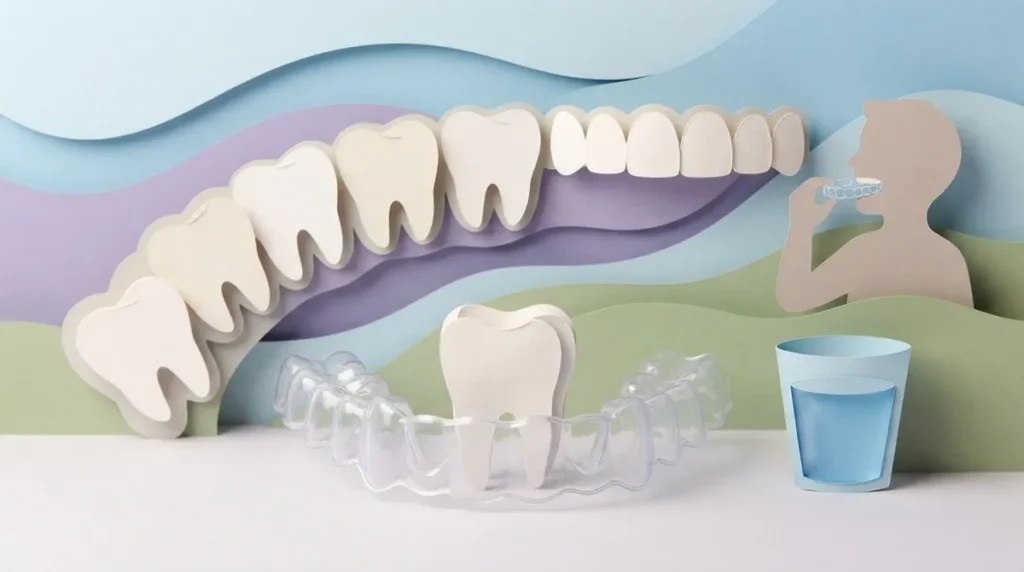
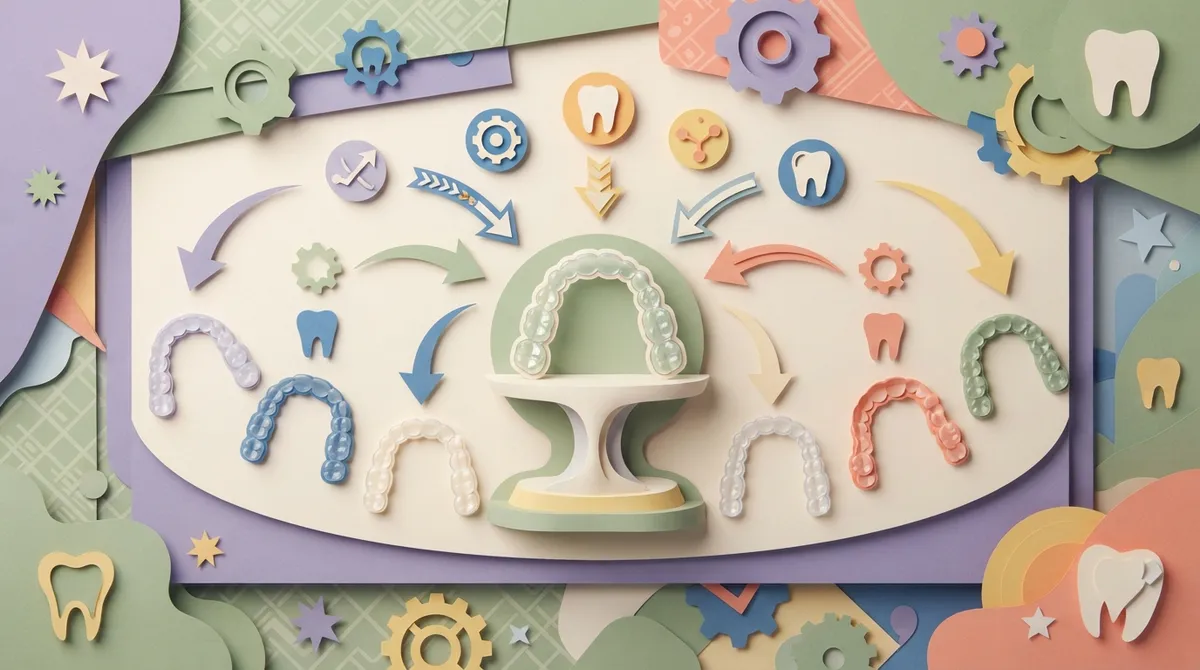
Removable teeth straightening trays are most often called clear aligners. They are custom-made, transparent plastic appliances that come as a series. Each tray moves your teeth a tiny bit closer to the plan your orthodontist designed.
You may also hear people say “invisible braces” or “clear trays.” The names vary, but the goal is the same: gradual, planned tooth movement without brackets and wires on the front of your teeth. At Segovia Orthodontics, our clear aligners are one of several options we offer for patients of all ages.

2. A Real Exam Comes First
Every good aligner journey starts with a professional check-up. Your orthodontist looks at your teeth, gums, and bite to see whether trays are a safe and smart choice for you. This is not a step to skip.
Then comes the fun, high-tech part. Digital scans or impressions are used to map out a whole sequence of trays. If you’re curious what that first appointment looks like, our guide on what to expect at your first orthodontist visit walks you through it step by step.
3. How Aligners Actually Move Teeth
Think of aligners as a gentle, steady nudge. Each tray is shaped just slightly differently from the one before it. When you wear it, it applies light pressure that guides your teeth toward their new spots.
Sometimes your orthodontist adds a few helpers to make certain movements work better. Here are the most common ones:
- Attachments: tiny tooth-colored bumps bonded to teeth to help the trays grip and move them.
- Interproximal reduction: careful, minimal reshaping between teeth to create a little extra space.
- Elastics: small rubber bands that help adjust how your upper and lower teeth fit together.
None of these are scary. They’re simply tools that help your plan stay on track.
4. Wear Time Matters More Than Anything
Here’s the honest truth: removable trays only work if you wear them. They need to stay in consistently, and you take them out only to eat, to drink anything other than water, and to clean them and your teeth.
Your orthodontist sets your exact daily wear schedule and how often you switch to a new tray. If you skip wear time, progress can slow down or drift off course. A simple habit helps: put your trays in a case every time you take them out, so they never end up wrapped in a napkin. (Lost trays are more common than you’d think!)
5. Who Makes a Good Candidate?
Clear aligners are often a great fit for mild-to-moderate alignment concerns, such as light crowding or small gaps. A 2025 expert-consensus review found that 91% of panelists agreed aligners can be as effective as fixed braces for Class I, non-extraction cases with mild-to-moderate crowding.
That said, the same review pointed out gaps in the research for more complex movements. Aligners may be less predictable for bigger bite or jaw problems, some extraction cases, or movements that need precise root control. If you’re not sure where you land, our article on braces vs. clear aligners can help you compare.
6. Here’s a Quick Look at How They Compare to Braces
Every smile is different, so the best choice depends on your teeth, your lifestyle, and your goals. This table gives you a friendly side-by-side starting point.
| Feature | Removable Clear Aligners | Traditional Braces |
|---|---|---|
| Appearance | Nearly invisible | Visible brackets and wires |
| Removable for eating | Yes | No |
| Best for | Mild-to-moderate alignment cases | Simple to complex cases |
| Depends on patient wear | Very much | Less so |
| Cleaning | Take trays out to brush and floss | Brush and floss around hardware |
If you’d like to explore the other side of the table, take a peek at our types of braces page.
7. A Plan Is a Prediction, Not a Promise
Your digital treatment plan is an educated forecast. Sometimes teeth don’t track exactly as planned, and that’s completely normal. Research shows accuracy varies by the type of movement and how complex the case is.
For example, a systematic review reported that anterior extrusion (pulling a front tooth down or out) was only about 30% accurate, which makes it a trickier movement to control. The review also noted that the underlying studies were limited and varied a lot, so these numbers are not a general success rate. The takeaway? Your orthodontist may need extra scans, refinement trays, or even a different approach along the way. That’s part of good care, not a failure.
8. Know the Possible Drawbacks
We want you to feel informed, not surprised. Removable trays can come with a few bumps in the road:
- Temporary soreness or pressure when you start a new tray
- A slight lisp for the first few days
- Mild irritation on your gums or cheeks
- Lost or damaged trays
- Teeth that don’t track as planned
- Rare complications such as unwanted tooth movement or bite changes
Good oral hygiene matters a lot, and so does gum health. If you have crowns, fillings, or other dental work, your orthodontist will keep an eye on those too. Our post on clear aligner mistakes to avoid shares simple ways to dodge the most common pitfalls.
9. Supervision Isn’t Optional
This one is important. In the United States, the FDA classifies clear aligners as prescription medical devices and advises professional evaluation and supervision. The agency also states that it has not authorized direct-to-consumer aligners without dentist or orthodontist supervision.
Why does it matter? Unsupervised treatment can raise the risk of pain, bite problems, unintended tooth movement, and even tooth loss. Having a trained specialist guide your care keeps your teeth, gums, and jaw safe. At Segovia Orthodontics, Dr. Flor Segovia is a board-certified orthodontist who monitors every step. You can learn more about board certification through the American Board of Orthodontics.
10. Your Treatment Timeline Depends on Your Smile
Everyone wants to know, “How long will this take?” The honest answer is that it depends on how complex your case is and how consistently you wear your trays. Some patients finish sooner, while others need refinement trays to fine-tune the final result.
Here’s a simple way to think about the road ahead:
- Exam and scans: your orthodontist checks your teeth and plans your trays.
- Active treatment: you switch trays on the schedule you’re given.
- Check-ins: your orthodontist monitors progress and adjusts if needed.
- Refinements: extra trays are added if teeth need a little more guidance.
- Retention: retainers help lock in your new smile.
Planning for a wedding, graduation, or big career moment? Tell us your date at your first visit so we can plan around it. Many of our patients also find that our orthodontic financing options make it easier to get started.
11. Retainers Protect Your Results for Life
Finishing your last tray feels amazing, but it isn’t the end of the story. Teeth like to drift back toward where they started, which is called relapse. That’s why retainers are generally needed after active treatment.
Your orthodontist will create an individualized retention plan and schedule follow-up visits. If you’re an adult who had braces years ago and noticed your teeth creeping back, you’re not alone, and it’s never too late to address it. Read more about orthodontic retainers to see how they protect your investment, or explore our adult orthodontics page if relapse is your concern.
What About Angel Aligners at Our Office?
At Segovia Orthodontics, we offer Angel Aligners, a removable tray system that uses AI-driven treatment planning. They use a “7+3” wear schedule: seven days in a flexible tray, then three days in a firmer one. Some designs include built-in anchors for elastics, which can mean fewer bonded attachments. Many patients also like the frosted finish, which reduces shine, and the flexible material, which can feel gentler on gums and cheeks.
If your case needs a different approach, we also provide LightForce braces and WildSmiles braces. That way, your treatment matches your teeth, not the other way around.
Which Families Tend to Love Removable Trays?
Different people come to us for different reasons, and that’s what makes this work so rewarding. A few common stories:
- Parents of older kids and teens: flexible appointment times and removable trays can fit around sports, school, and photos. Our teen orthodontic treatment page has more details.
- Young professionals: a discreet option that looks natural in meetings and on video calls.
- Busy career-focused adults: fewer surprises and a plan that fits a packed calendar.
- Milestone planners: a clear timeline to work toward a wedding or graduation.
- Adults with relapse: a chance to tidy up an old smile with a modern approach.
Ready to Start Your Smile Journey?
Removable teeth straightening trays can be a comfortable, discreet way to build a smile you love, as long as the plan is made and monitored by a trusted orthodontist. The best first step is simply a conversation about your goals.
Want to hear what other patients say? You can visit us on Google and read Segovia Orthodontics reviews, or follow along on our Instagram page and our Facebook page to see smiles in progress. When you’re ready, request an appointment or call us at 941-557-1333 and let’s find the right path for your smile together.
FAQs
Q: What are removable teeth straightening trays called?
A: They’re most commonly called clear aligners. These are custom-made, transparent plastic trays that come in a series and gradually guide your teeth into place. You may also hear them called clear trays or invisible braces.
Q: How many hours a day should I wear clear aligners?
A: Your orthodontist sets the exact schedule for you, but aligners generally need to stay in nearly all day. You take them out only to eat, drink anything other than water, and clean them and your teeth. Skipping wear time can slow your progress, so consistency really pays off!
Q: Are clear aligners as effective as braces?
A: For many mild-to-moderate cases, yes. A 2025 expert-consensus review found 91% agreement that aligners can be as effective as fixed braces for Class I, non-extraction cases with mild-to-moderate crowding. More complex bite or jaw problems may work better with braces or a combined approach.
Q: Do I need a retainer after clear-aligner treatment?
A: Yes, in most cases. Teeth can slowly drift back after treatment, so retainers help keep your new smile in place. Your orthodontist will create a retention plan just for you and check in with you after your trays are done.
Q: What are the risks of using clear aligners without an orthodontist?
A: Without professional supervision, the FDA warns of risks like pain, bite problems, unintended tooth movement, and even tooth loss. Clear aligners are prescription medical devices, so having a licensed dental professional guide your care is the safest path to a healthy smile.
Our Service Area