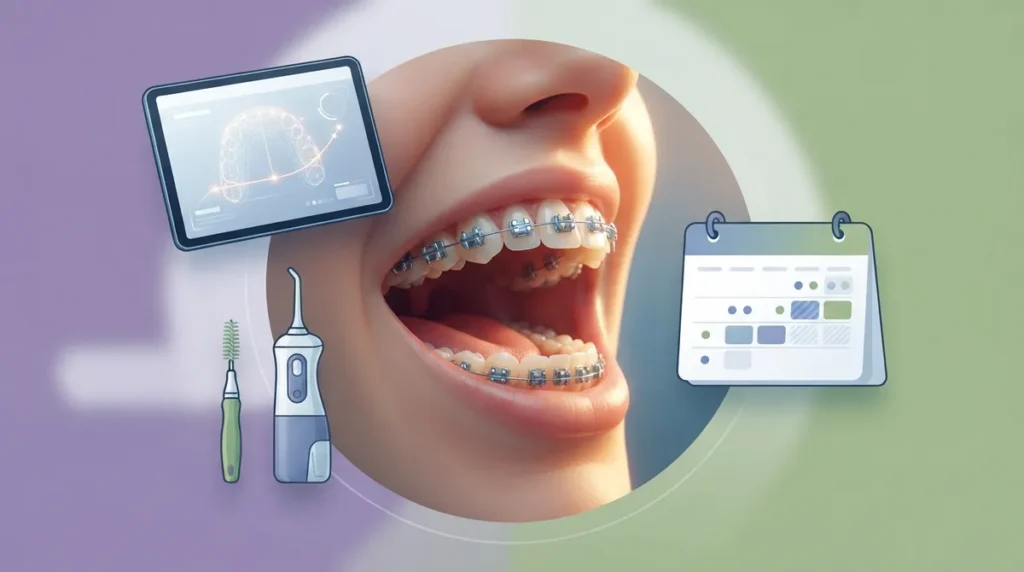
Key Takeaways
-
Lingual braces vary significantly by provider and technology used—advanced digital systems differ from older methods in comfort and treatment length, so research your Bradenton orthodontist’s specific approach before committing.
-
Get detailed cost breakdowns upfront including X-rays, retainers, adjustment visits, emergency coverage, and financing options to avoid sticker shock, as lingual braces typically cost more than traditional braces.
-
Expect a temporary speech adjustment (possible lisp) for 1-2 weeks as your tongue adapts to brackets on the back of your teeth—this is normal and almost always resolves quickly.
-
Choose an orthodontist based on board certification, experience with lingual cases, and digital treatment planning tools rather than price alone, since proper expertise ensures better results and comfort.
-
Invest in specialized oral hygiene tools like interdental brushes and water flossers early, as cleaning behind your teeth becomes trickier with lingual braces attached.
-
Plan your treatment timeline at least a year before major life events like weddings or job promotions, and commit to retainers after braces come off to prevent teeth from shifting back.
Thinking about lingual braces in Bradenton? You’re not alone. So many adults in our area want straighter teeth but worry about metal showing every time they smile at work or on a date. Lingual braces sit behind your teeth, hidden from view, and they can be a great option for the right person. But here’s the thing: this treatment comes with some tricky details that trip people up all the time. Let’s walk through the biggest mistakes folks make so you can skip the headaches and get straight to a beautiful, confident smile. Whether you’re a busy professional prepping for a big promotion, a parent researching options for yourself after years of putting your own smile last, or someone getting ready for a wedding, this guide has you covered. Grab a coffee and let’s talk through this together, friend to friend.
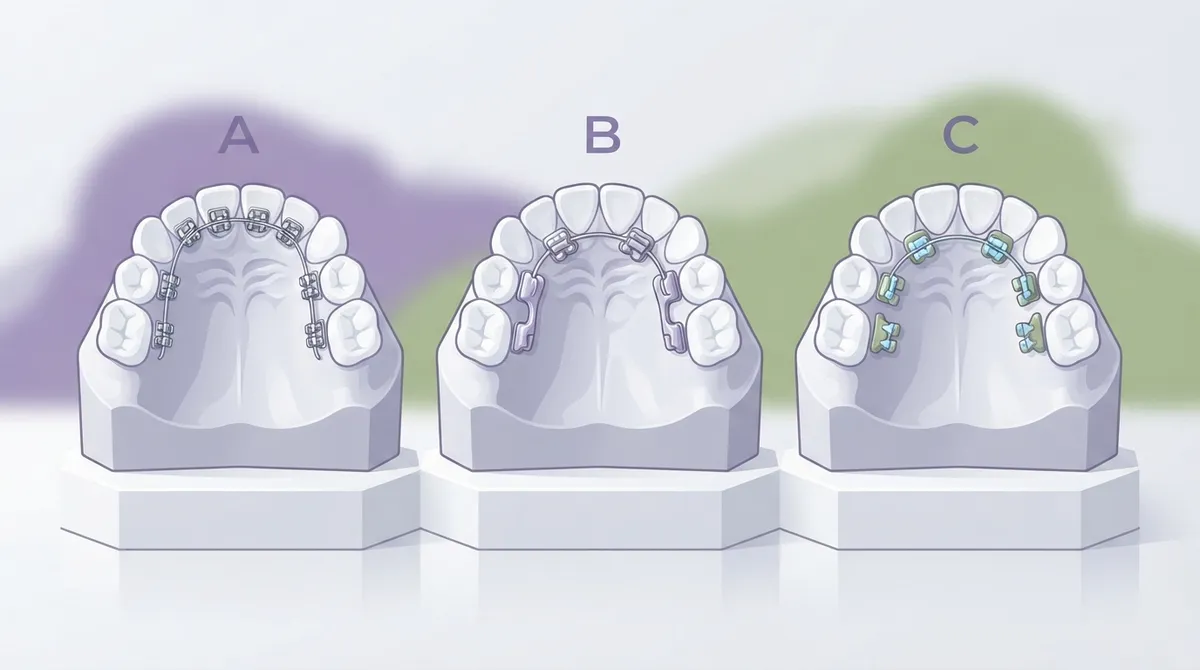
1. Assuming All Lingual Braces Are the Same
Lingual braces are attached to the back, or tongue side, of your teeth. This makes them nearly invisible from the front. But not every lingual system works the same way, and treatment length or comfort can vary a lot depending on the brand and technology used. Some Bradenton-area providers use advanced digital systems, while others rely on older methods. Doing your homework here really matters.
Why This Mistake Happens
People hear “lingual braces” and assume it’s a single, standardized product. In reality, there are meaningful differences in bracket design, wire technology, and how custom the fit really is. A poorly fitted system can mean more discomfort and longer treatment.

2. Skipping the Discovery Conversation About Cost
Lingual braces tend to cost more than traditional braces because of the custom manufacturing involved. Many patients get excited about the idea of invisible braces, then feel blindsided by the price tag. Before committing, ask detailed questions about what’s included, how many adjustment visits you’ll need, and whether retainers are part of the package.
- Ask if the quote includes X-rays and diagnostic records
- Find out if retainers are bundled into the final cost
- Confirm whether emergency visits are covered
- Check if payment plans or financing options are available
If budget is a concern, it’s worth learning more about orthodontic financing options that can make treatment much more manageable month to month.
3. Ignoring the Adjustment Period for Speech
Here’s something many people don’t expect: lingual braces can temporarily change how you talk. Because the brackets sit on the back of your teeth, your tongue has to get used to a new surface. Some patients notice a slight lisp for the first couple of weeks. This is completely normal and almost always fades as your tongue adjusts.
How to Handle This
- Practice reading out loud at home during the first week
- Give yourself grace in meetings or calls for the first 10 to 14 days
- Stay hydrated, since a dry mouth can make speech changes feel worse
- Reach out to your orthodontic team if the issue doesn’t improve after a few weeks
4. Forgetting That Tongue Irritation Is Common Early On
Because lingual braces sit where your tongue naturally rests, some irritation is expected at first. This usually gets better as your mouth builds up a bit of resistance to the brackets. Orthodontic wax can help protect sensitive spots while your mouth adjusts. Don’t panic if the first week feels a little rough—most patients say it gets much easier after that.
5. Not Asking About Total Treatment Time
Traditional braces typically run 18 to 36 months, while lingual braces often fall in a similar range, commonly 12 to 24 months depending on your case. Some people assume lingual braces automatically take longer because they’re more complex to place. That’s not always true, but it’s important to get a personalized timeline from your provider rather than guessing based on general internet searches.
| Treatment Type | Typical Length | Visibility |
|---|---|---|
| Traditional Metal Braces | 18–36 months | Visible on front teeth |
| Lingual Braces | 12–24 months | Hidden behind teeth |
| Clear Aligners | 12–18 months | Nearly invisible, removable |
If you’re still deciding between hidden braces and other discreet options, this comparison of braces vs. clear aligners can help you weigh the pros and cons before making a final call.
6. Overlooking the Custom-Fit Process
Lingual braces require precise, custom-fitted brackets and wires that match the unique contours of your teeth. Skipping detailed impressions or digital scans can lead to a poor fit, discomfort, and slower progress. Make sure your orthodontist uses accurate digital imaging or molds before your brackets are manufactured.
7. Choosing a Provider Based on Price Alone
It’s tempting to pick the cheapest option, but lingual braces require specialized training and experience. A provider who regularly works with hidden braces will likely deliver smoother, more predictable results. Look for a board certified orthodontist with a track record you can trust, not just the lowest quote in town.
- Ask how many lingual braces cases they’ve completed
- Request before-and-after photos of similar cases
- Check reviews and testimonials from real patients
- Confirm they use updated, digital treatment planning tools
8. Comparing Lingual Braces to Invisalign Without Understanding the Differences
Both options offer discretion, but they work very differently. Lingual braces are fixed and can’t be removed by the patient, which means consistent, continuous pressure on your teeth. Clear aligners are removable and require discipline to wear them enough hours each day. If you tend to lose things or forget to put trays back in, fixed lingual braces might actually suit your lifestyle better.
Quick Comparison Points
- Lingual braces stay in place 24/7, no compliance needed
- Clear aligners can be taken out for eating and photos
- Lingual braces may cause more initial tongue irritation
- Aligners are generally easier to clean around
If you’re torn between the two, exploring our page on clear aligners can help clarify which discreet path fits your daily routine best.
9. Underestimating the Importance of Oral Hygiene Habits
Because lingual braces sit on the back of your teeth, brushing and flossing can feel a bit trickier at first. Skipping good hygiene habits can lead to plaque buildup in hard-to-reach spots. Invest in the right tools, like interdental brushes or a water flosser, to keep things clean throughout treatment.
- Use a small, angled toothbrush to reach behind your teeth
- Consider a water flosser for easier daily cleaning
- Schedule regular dental cleanings during your treatment
- Ask your orthodontic team for a personalized hygiene routine
10. Not Preparing for a Big Life Event in Time
If you’re getting lingual braces before a wedding, graduation, or big career milestone, timing matters a lot. Because treatment can take a year or more, starting too close to your event can leave you disappointed. Book a consultation early so your orthodontist can map out a realistic timeline that fits your schedule.
11. Forgetting About Retainers After Treatment
Once your lingual braces come off, the work isn’t quite done. Skipping your retainer schedule is one of the most common reasons teeth shift back over time. Custom orthodontic retainers help lock in all that progress you worked so hard for. Don’t let a beautiful new smile slip away because retainers felt like an afterthought.
12. Assuming Adults Can’t Benefit From Orthodontic Treatment
Lingual braces are especially popular among adults who need significant orthodontic work but don’t want visible metal. If you had braces years ago and your teeth have shifted, or you simply never got the chance as a kid, it’s genuinely never too late. Many patients pursuing adult orthodontics tell us they wish they’d started sooner. Adults are often some of the most dedicated, consistent patients because they truly understand the value of the investment.
Why Bradenton-Area Families Trust Personalized Orthodontic Care
At Segovia Orthodontics at Lakewood Ranch, Dr. Flor Segovia and her team believe every patient deserves a plan built around their real life, not a one-size-fits-all approach. From LightForce Orthodontics for precision-fit metal or clear braces to fun WildSmiles Braces for younger smiles, there’s a discreet or expressive option for every stage of life. We also love keeping our community updated through our Facebook page and our Instagram page, where you can see real patient smiles and behind-the-scenes moments from our Lakewood Ranch office.
If you want to see what real patients are saying, visit us on Google — Segovia Orthodontics and read through honest reviews from families just like yours across Bradenton and Lakewood Ranch. Choosing the right provider matters just as much as choosing the right treatment type, and our team is proud to be board-certified through standards set by the American Board of Orthodontics.
What to Expect During Your First Consultation
Before jumping into any treatment, it helps to know what a first visit actually looks like. Understanding the process reduces anxiety and helps you ask better questions.
- Your orthodontist reviews your dental and orthodontic history
- Digital scans or X-rays are taken to map your bite
- You’ll discuss goals, timeline, and treatment options together
- A personalized plan and cost estimate are presented
- You get time to ask questions before making any decisions
Learn more about what happens during your first orthodontic visit so you can walk in feeling confident and prepared.
Ready to Explore Your Options?
Straightening your smile doesn’t have to mean sacrificing your confidence in the meantime. Lingual braces offer a genuinely discreet path forward, but only when you avoid the common pitfalls we covered above. Our friendly team is here to walk you through every step, answer your questions honestly, and help you find the treatment that truly fits your life. Ready to get started? Request an appointment today, or feel free to contact us with any questions. You can also simply call us at 941-557-1333 and our team will happily walk you through your options. We can’t wait to help you smile with total confidence!
FAQs
Q: What are lingual braces and how do they work?
A: Lingual braces are attached to the back of your teeth instead of the front, so they’re hidden from view when you smile or talk. They work just like traditional braces, using brackets and wires to gently guide your teeth into place over time.
Q: Are lingual braces available in Bradenton, FL?
A: Yes! Several orthodontic practices in the Bradenton area, including providers serving Lakewood Ranch, offer lingual braces as a discreet treatment option. It’s worth scheduling a consultation to see if you’re a good candidate for this specific system.
Q: How much do lingual braces cost in Bradenton?
A: Lingual braces generally cost more than traditional braces because each bracket is custom-made to fit the back of your teeth. Pricing varies by case complexity, so it’s best to get a personalized quote and ask about flexible financing options.
Q: Do lingual braces hurt more than traditional braces?
A: Many patients notice some tongue irritation and mild discomfort during the first couple of weeks as their mouth adjusts. This typically improves quickly, and orthodontic wax can help ease any rough spots along the way.
Q: Can adults get lingual braces?
A: Absolutely, and adults are actually some of the most common patients for this treatment. Lingual braces are especially popular with grown-ups who want serious orthodontic correction without anyone noticing they’re wearing braces at all.
Our Service Area