Key Takeaways
-
Skipping retainer wear after orthodontic treatment is the biggest mistake—teeth naturally shift back to their original position, undoing months of progress even with just a few weeks of non-compliance.
-
The American Association of Orthodontists recommends a first evaluation by age seven, not after all baby teeth fall out; early detection makes treatment smoother and sometimes shorter.
-
Untreated malocclusion causes real health problems beyond cosmetics: tooth decay, gum disease, uneven enamel wear, TMJ disorders, and difficulty chewing or speaking clearly.
-
Choose orthodontic treatment based on your specific bite complexity, not appearance alone—severe crowding needs traditional braces while mild cases may benefit from clear aligners like Angel Aligners.
Ever caught yourself avoiding photos because of how your teeth line up? You’re definitely not alone. Teeth misalignment, known clinically as malocclusion, affects millions of people, from little ones losing baby teeth to busy professionals prepping for a big promotion. The good news? Fixing it has never been easier, thanks to advances in orthodontic care. But here’s the catch: plenty of well-meaning people make small mistakes that slow down their progress or make things worse.
At Segovia Orthodontics in Lakewood Ranch, Dr. Flor Segovia and her team see these mistakes every day. Whether you’re a mom watching your child’s smile change, a young professional considering clear aligners, or an adult whose teeth have shifted back after years without a retainer, this guide is for you. We’re breaking down the 14 most common teeth misalignment mistakes so you can avoid them and get on the fastest path to a confident smile.
Understanding Teeth Misalignment (Malocclusion)
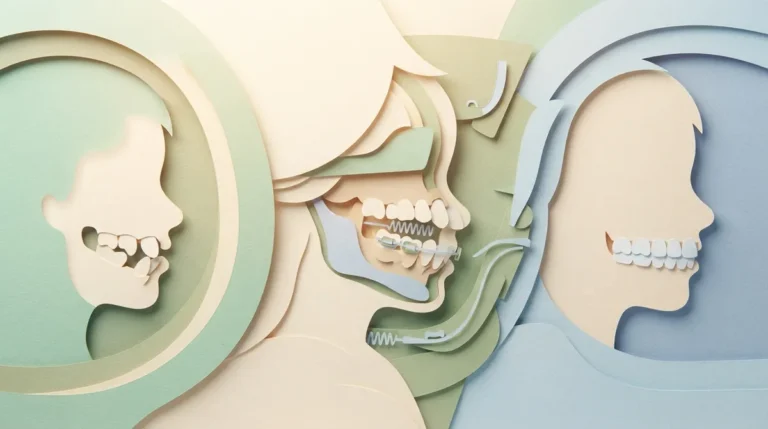
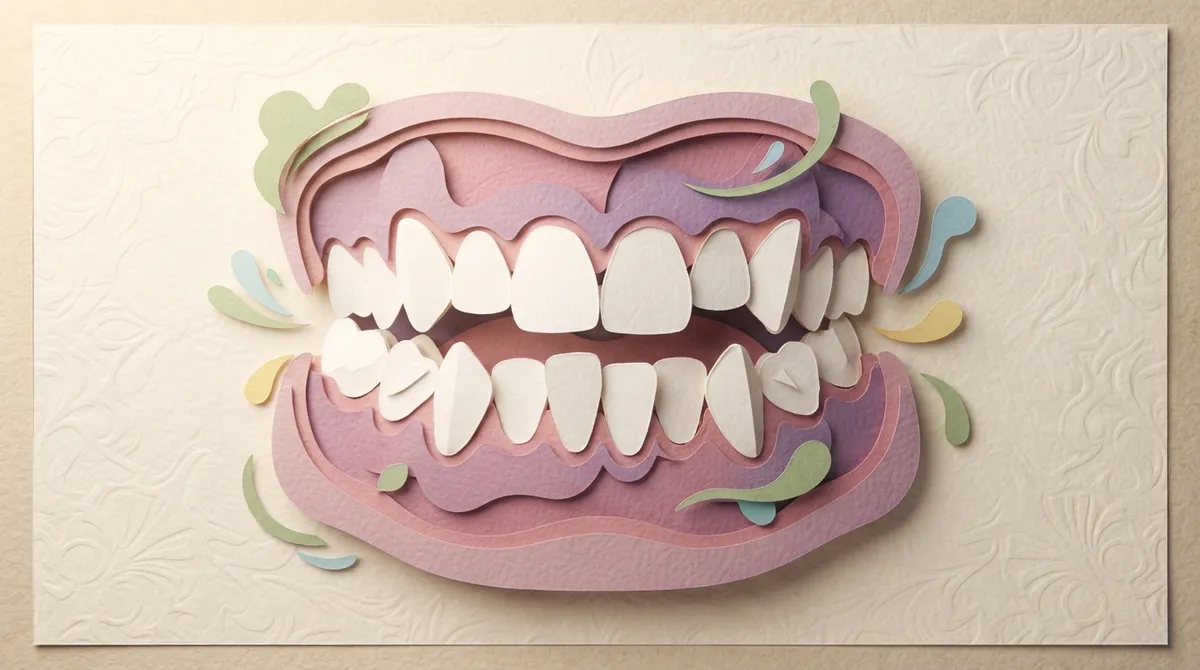
Malocclusion simply means your teeth don’t fit together the way they should. This can show up as crowding, gaps, overbites, underbites, crossbites, or open bites. It sounds complicated, but really it just means your bite is a little (or a lot) off balance.
Genetics play a huge role here. If mom or dad had crowded teeth, chances are good you might too. Childhood habits like thumb sucking or prolonged pacifier use can also push teeth out of place. Sometimes an injury or losing a baby tooth too early throws everything off. Understanding the root cause helps your orthodontist create the right plan for your common orthodontic problems.
Why Ignoring Misalignment Isn’t a Good Idea
Untreated malocclusion isn’t just a cosmetic issue. It can lead to real health problems including tooth decay, gum disease, uneven wear, and even jaw pain from TMJ disorders. Crooked teeth are harder to clean properly, which means plaque and bacteria have more places to hide.
- Increased risk of cavities in hard-to-reach spots
- Higher chance of gum inflammation and disease
- Uneven enamel wear leading to sensitivity
- Jaw pain, clicking, or headaches from TMJ strain
- Difficulty chewing or speaking clearly in severe cases
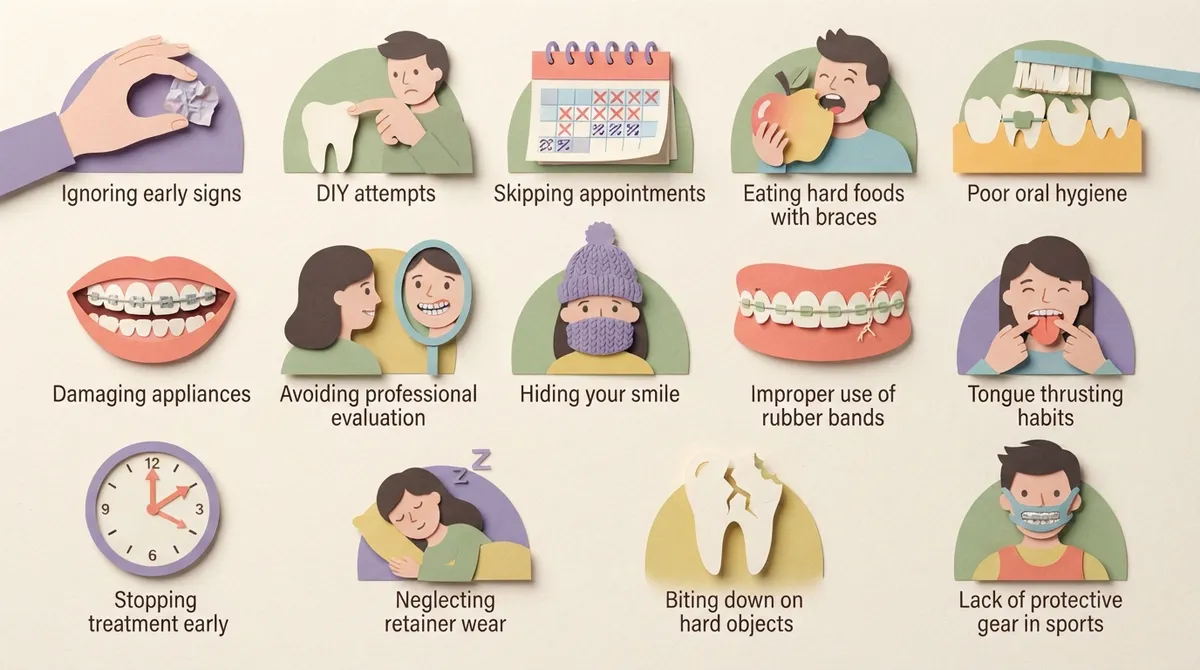
14 Mistakes People Make With Teeth Misalignment
Let’s get into the heart of it. These are the slip-ups we see most often, and simple ways to avoid them.
1. Waiting Too Long to Get an Evaluation
Many parents assume they should wait until all baby teeth are gone before seeing an orthodontist. Actually, the American Association of Orthodontists recommends a first evaluation by age seven. Catching issues early makes treatment smoother and sometimes shorter. Learn more about what to expect during your child’s first orthodontic visit.
2. Assuming It’s Just a Cosmetic Issue
It’s easy to think misaligned teeth are only about appearance. But as we mentioned, malocclusion affects your oral health, digestion, and even your confidence. Treating it early protects your whole mouth, not just your smile.
3. Skipping the Consultation Because of Cost Worries
Money concerns stop a lot of people from even scheduling a consult. The truth is, most practices offer flexible plans. Check out our orthodontic financing options before assuming treatment is out of reach.
4. Choosing Treatment Based on Looks Alone
Some patients pick a treatment option purely because it looks discreet, without considering if it’s the right fit for their specific bite issue. Severe crowding or jaw problems may need traditional braces or even Lightforce Orthodontics for more precise correction, while milder cases might do well with clear aligners.
5. Not Understanding the Difference Between Braces and Aligners
Braces and clear aligners both work, but they work differently. Here’s a quick breakdown to help you compare:
| Feature | Traditional Braces | Clear Aligners |
|---|---|---|
| Visibility | Visible metal or ceramic brackets | Nearly invisible |
| Removability | Fixed, cannot remove | Removable for eating and brushing |
| Best For | Complex bite issues, severe crowding | Mild to moderate misalignment |
| Maintenance | Requires careful brushing around brackets | Requires discipline to wear 20+ hours daily |
| Treatment Speed | Varies by case complexity | Can be faster with systems like Angel Aligners |
6. Forgetting That Kids’ Braces Can Be Fun
Some parents worry their child will hate wearing braces. But treatment doesn’t have to feel like a chore. Wildsmiles Braces let kids choose fun shapes like stars, hearts, or even Mickey Mouse brackets, making the experience something to look forward to rather than dread.
7. Not Considering Bilingual or Family-Friendly Practices
Communication matters, especially for families where Spanish is the primary language at home. Dr. Segovia provides bilingual care, ensuring nothing gets lost in translation during important treatment discussions.
8. Ignoring Jaw Alignment Problems
Some people focus only on crooked teeth and forget that jaw alignment issues like overbites and underbites need attention too. Orthodontic treatment can correct many jaw problems, though severe cases sometimes require orthognathic surgery alongside braces or aligners.
9. Choosing a Provider Without Checking Credentials
Not all orthodontic providers have the same level of training. Always confirm your orthodontist is board-certified. You can verify credentials through the American Board of Orthodontics to ensure you’re getting expert care. Dr. Flor Segovia is proudly a board certified orthodontist.
10. Skipping Retainers After Treatment
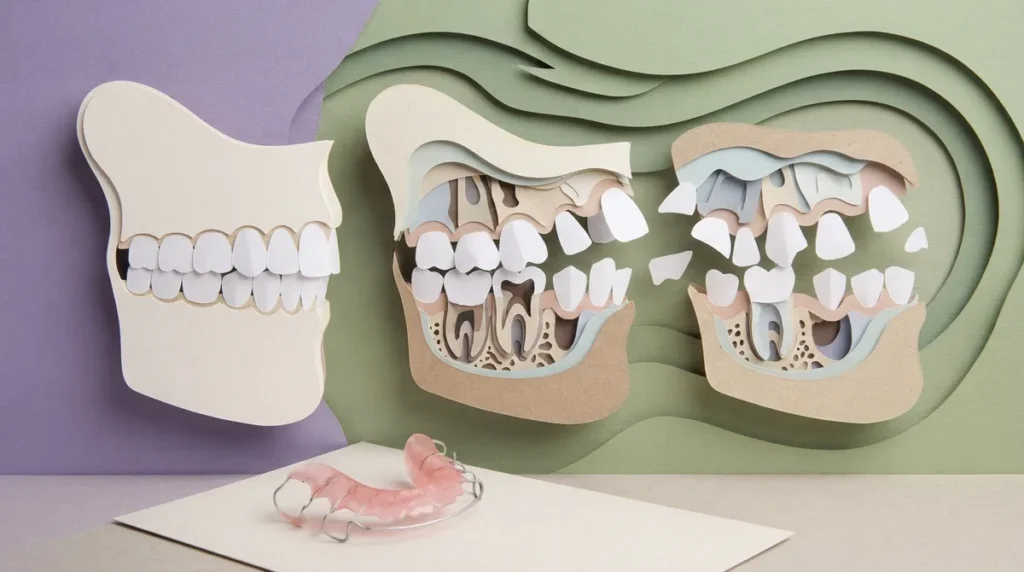
This might be the biggest mistake of all. Teeth naturally want to shift back to their original position. Skipping your orthodontic retainers even for a few weeks can undo months of progress.
11. Assuming Adult Treatment Won’t Work
Plenty of adults believe braces are only for kids. That’s simply not true. Adult orthodontics is more popular than ever, especially with discreet options like clear aligners designed for busy professionals.
12. Not Asking About Treatment Timeline
Treatment length varies widely depending on your case. Generally, it can take anywhere from several months to a few years. Not asking upfront about timelines leads to frustration later. Always ask your orthodontist to walk you through expected milestones.
13. Overlooking Advanced Technology Options
Some patients don’t realize how much technology has improved orthodontic care. Advanced orthodontic technology like digital scanning and 3D printed brackets can make treatment faster and more comfortable than older methods.
14. Not Researching Aligner Options Beyond the Big Names
Many people only know one brand of clear aligners. But there are other excellent options. Angel Aligners, for example, use an AI-driven treatment plan and a unique 7+3 wear schedule that can speed up tooth movement while often costing less than premium alternatives.
Steps to Get Back on Track With Your Smile Goals
If you recognize a few of these mistakes in your own journey, don’t worry. Here’s a simple path forward:
- Schedule a consultation to assess your current bite and alignment
- Discuss all treatment options, including braces, clear aligners, and Angel Aligners
- Choose a provider who is board-certified and experienced with your specific case
- Ask about financing plans that fit your budget
- Commit to wearing retainers as instructed after treatment ends
- Keep up with regular checkups to monitor progress
Common Causes of Teeth Misalignment
Understanding why misalignment happens can help you prevent it in your children or address it in yourself. Here are the most frequent culprits:
- Genetic predisposition passed down from parents
- Thumb sucking or prolonged pacifier use in early childhood
- Early loss of baby teeth affecting permanent tooth positioning
- Jaw injuries or trauma
- Mouth breathing habits
- Tongue thrusting during swallowing
Who Should Consider Treatment for Misalignment?
Honestly, almost anyone with noticeable bite issues can benefit from treatment. But certain groups tend to see the biggest impact:
- Parents noticing crowding or spacing issues in children around age seven
- Teens preparing for school photos, sports, or social milestones
- Young professionals wanting discreet correction before job interviews
- Adults whose teeth have shifted after skipping retainer wear
- Anyone experiencing jaw pain or difficulty chewing due to bite problems
If any of these sound like you, it might be time to explore your types of braces options or clear aligner solutions designed around your lifestyle.
Why Choose Segovia Orthodontics for Your Smile Journey
Dr. Flor Segovia and her team believe treatment should feel supportive, not stressful. From choosing fun bracket designs for kids to offering fast, discreet clear aligners for adults, every treatment plan is personalized. The practice proudly serves families throughout Lakewood Ranch and surrounding communities with bilingual care and flexible scheduling.
Curious what other patients are saying? You can visit us on Google — Segovia Orthodontics to read real reviews from local families. You can also follow along on our Facebook page or check out smile transformations on our Instagram page for inspiration.
Final Thoughts on Avoiding These Common Mistakes
Teeth misalignment doesn’t have to control your confidence or your health. By avoiding these 14 common mistakes, you set yourself or your child up for smoother, faster treatment with better long-term results. Whether it’s committing to retainer wear, choosing the right provider, or simply not waiting too long to get evaluated, small decisions make a big difference.
Ready to take the next step toward a straighter, healthier smile? Request an appointment today and let Dr. Segovia’s team guide you through every stage of treatment with care and expertise.
FAQs
Q: What are the common types of teeth misalignment treated by orthodontists?
A: The most common types include crowding, spacing, overbites, underbites, crossbites, and open bites. Every smile is different, so Dr. Segovia evaluates your specific bite before recommending treatment. Don’t worry, there’s a solution for just about every type!
Q: What causes teeth misalignment in children and adults?
A: Genetics, childhood habits like thumb sucking, early loss of baby teeth, and jaw injuries are the biggest culprits. Sometimes it’s simply how your jaw and teeth developed over time. The good news is that no matter the cause, orthodontic care can help correct it.
Q: How long does orthodontic treatment for misaligned teeth take?
A: Treatment time varies quite a bit, ranging from several months to a few years depending on how complex your case is. Milder issues treated with clear aligners tend to move faster, sometimes just a few millimeters every two weeks. Your orthodontist will give you a personalized timeline at your consultation.
Q: Can orthodontics fix jaw alignment problems like overbites or underbites?
A: Yes! Braces and clear aligners can correct many mild to moderate jaw alignment issues. In more severe cases, orthognathic surgery combined with orthodontic treatment may be recommended. Either way, there’s a path forward to a more comfortable, functional bite.
Q: Why is wearing a retainer necessary after orthodontic treatment?
A: Your teeth naturally want to drift back to where they came from, especially right after treatment ends. Wearing your retainer as instructed locks in all that hard work and keeps your smile looking great for years to come. Skipping it, even briefly, can undo months of progress.
Our Service Area