Key Takeaways
-
Clear aligners work best for mild to moderate dental overbites (tooth position issues), not skeletal ones (jaw size mismatches); research shows correction accuracy ranges from 33-49% initially, dropping to 11.19% after refinements, so expect your digital preview to be a plan, not a promise.
-
Consistent 22-hour daily wear time is critical for success; skipping wear time is one of the biggest reasons treatment takes longer or fails to fully correct the bite, so set reminders and keep your aligners accessible during work and meals.
-
Your treatment plan may include tooth-colored attachments, bite ramps, or elastics to help aligners grip teeth more precisely for vertical movements; these tools are normal and essential for complex overbite corrections.
-
After treatment completes, retainer wear is non-negotiable to prevent relapse; teeth naturally drift back toward old positions, and skipping this step is a common cause of regret among patients whose overbites returned.
-
Adults with previous braces relapse are excellent aligner candidates because slightly shifted teeth are often easier to correct than complex first-time cases, and aligners allow discreet correction without workplace visibility.
-
Work with a board-certified orthodontist rather than just ordering aligners online; professional monitoring and plan adjustments based on actual progress are essential since tooth movement doesn't always match digital simulations.
If you catch yourself covering your mouth when you laugh because your top teeth overlap your bottom ones too much, you’re not alone. An overbite is one of the most common bite problems we see at our Lakewood Ranch practice, and the good news is that clear aligners can often help. But before you order a box of trays online, let’s talk about what actually works, what doesn’t, and how to know if your overbite is a good match for this treatment.
This guide breaks down everything in plain language. Whether you’re a busy mom trying to fix your teen’s smile before homecoming, a professional who wants straighter teeth without the metal-mouth look, or an adult whose teeth shifted back after old braces, this article is for you. Let’s dig into the 15 facts that matter most about clear aligners for overbite correction.
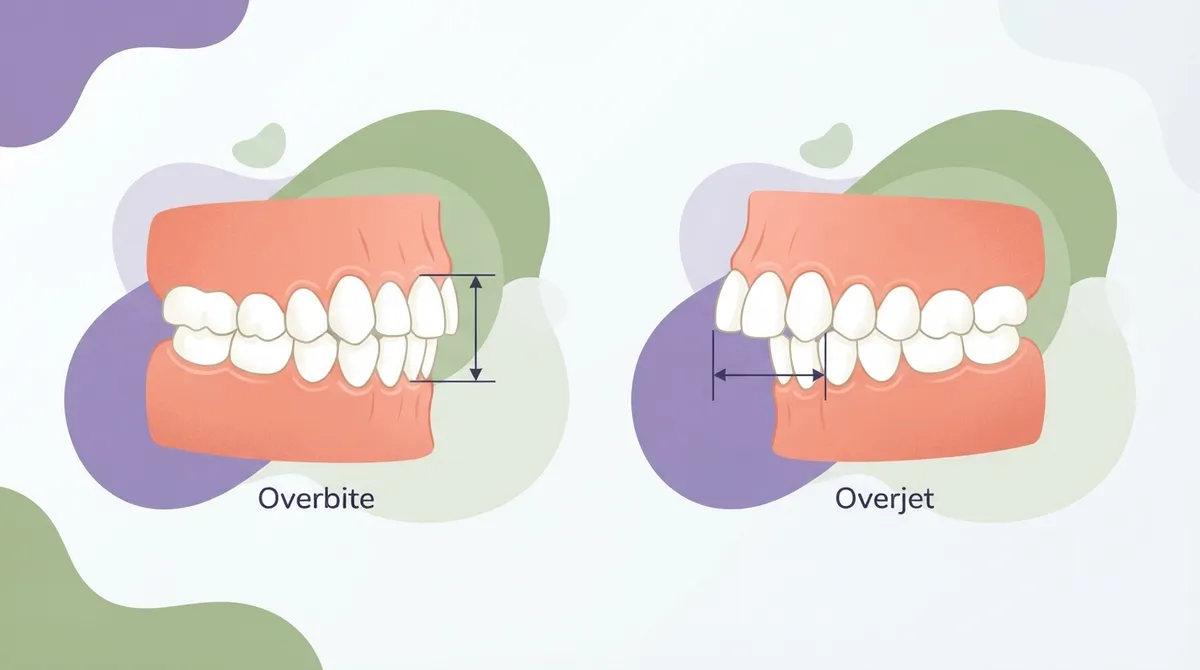
1. First, Know the Difference Between Overbite and Overjet
An overbite is the vertical overlap of your top front teeth over your bottom front teeth. When that overlap is too deep, dentists call it a deep bite. This is different from overjet, which measures how far your top teeth stick out horizontally past your bottom teeth. Many people mix these terms up, but your orthodontist will look at both during an exam.
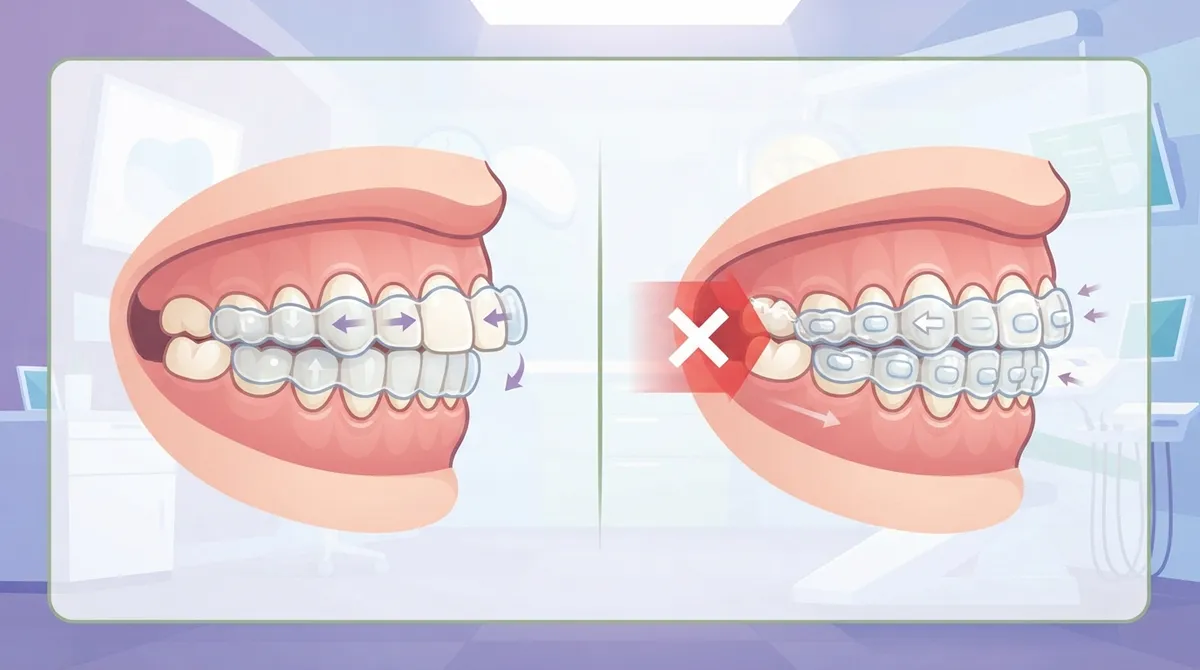
2. Clear Aligners Can Treat Many Overbites, But Not All of Them
Clear aligners work by applying gentle, staged pressure to move your teeth into a new position. For overbites, this might mean pushing the front teeth down less (called intrusion) or tipping teeth in a controlled way. The right approach depends entirely on your unique bite, which is why a proper diagnosis matters so much before starting treatment.
3. Mild to Moderate Cases Respond Best
Aligners tend to work best on dental deep bites, meaning the problem is mostly about tooth position rather than the bones of your jaw. If your case is more severe or involves a real mismatch in jaw size or position, you may need braces, a combination approach, or in rare adult cases, jaw surgery.
Signs Your Overbite Might Be Dental (Not Skeletal)
- Your profile looks fairly balanced, even though your bite is off
- Your teeth are simply positioned incorrectly, not your jawbone
- An orthodontist confirms this after checking X-rays and photos
- You have no major jaw pain or trouble chewing
4. The Numbers Behind Aligner Accuracy
Here’s something worth knowing before you get your hopes too high. A 2025 systematic review of 18 studies found that bite opening with clear aligners ranged from just 0.4 mm to 3.8 mm. The accuracy of correcting a deep bite ranged from 33% to nearly 49%. That’s a wide range, and researchers rated the overall evidence as low quality due to bias and inconsistency across studies.
Another 2024 study found that overbite correction accuracy started at about 37.63%, but dropped to just 11.19% after several rounds of refinement trays. This doesn’t mean aligners fail. It means the digital preview you see before starting treatment is a plan, not a promise. Your orthodontist will need to monitor progress closely and may add extra aligners along the way.
| Measurement | Reported Range | What It Means for You |
|---|---|---|
| Bite Opening Achieved | 0.4mm – 3.8mm | Results vary a lot between patients |
| Initial Correction Accuracy | 33% – 48.88% | Plans often need adjusting |
| Accuracy After Refinements | As low as 11.19% | Extra trays may be needed for full correction |
5. Your Orthodontist Will Check More Than Just Your Front Teeth
A good bite assessment looks at the whole picture. This includes photos, digital scans or impressions, X-rays, and a hands-on bite exam. Your orthodontist also checks your gum health, jaw growth, and any signs of tooth wear before recommending a plan. This is exactly what happens during a first orthodontic visit at our office.
6. Attachments, Bite Ramps, and Elastics Might Be Part of Your Plan
Don’t be surprised if your treatment plan includes small tooth-colored attachments, bite ramps on the back of your front teeth, or elastics that connect your upper and lower trays. These tools help your aligners grip and move teeth more precisely, especially for tricky vertical movements needed to fix a deep bite.
7. Consistent Wear Time Makes or Breaks Your Results
The American Association of Orthodontists recommends wearing aligners at least 22 hours a day. That means only taking them out to eat, drink anything besides water, and brush your teeth. Skipping wear time is one of the biggest reasons treatment takes longer than expected or doesn’t fully correct the bite.
Simple Ways to Stay on Track with Wear Time
- Set a phone reminder for each tray change day
- Keep a travel case with you so you never “forget” your aligners somewhere
- Brush right after meals so you can pop your trays back in quickly
- Track your hours loosely using a habit app or calendar note
- Bring your case to work or school so eating out isn’t an excuse to skip wear time
8. Severe Overbites May Need Braces Instead
If your overbite involves a real skeletal mismatch, meaning your upper and lower jaws don’t line up correctly, braces often give your orthodontist more control. Braces can apply continuous force in ways aligners sometimes cannot, especially for complex vertical corrections. This is why comparing braces vs. clear aligners with a professional matters so much before you commit to either option.
9. Treatment Timelines Vary Widely
There’s no single answer to how long overbite correction takes with aligners. Mild cases might wrap up in under a year. Moderate to more complex cases can take 18 months or longer, especially if refinement trays are needed. Your orthodontist will give you a realistic estimate after reviewing your scans, not a generic number pulled from an ad.
10. What Happens If Aligners Don’t Fully Fix Your Bite
Sometimes teeth don’t move exactly as the digital simulation predicted. This is common enough that most treatment plans build in room for refinements. Your orthodontist may order additional aligners, add attachments you didn’t have before, or suggest switching to braces for the final stretch. This isn’t a failure on your part. It’s simply how real teeth sometimes behave differently than a computer model.
11. Retainers Are Non-Negotiable After Treatment
Once your overbite is corrected, your teeth still want to drift back toward their old position. That’s just how bone and gum tissue work. Wearing your orthodontic retainers as directed protects all the progress you worked so hard for. Skipping this step is one of the most common regrets we hear from patients who relapsed after previous treatment.
12. Adults With Old Relapse Cases Are Great Aligner Candidates
If you had braces as a teenager and your overbite crept back over the years, you’re actually in a strong position for aligner treatment. Adult teeth that have shifted slightly are often easier to correct than a first-time complex case. Many adults appreciate that adult orthodontics with clear aligners lets them fix the problem without anyone at work even noticing.
13. Angel Aligners Offer a Faster, Budget-Friendly Option
For patients looking for a discreet and efficient option, Angel Aligners use a unique 7+3 wear schedule, meaning seven days with a flexible tray followed by three days with a firmer one. This can speed up tooth movement and cut down on extra office visits. Angel Aligners also use a frosted finish to reduce shine, making them less noticeable during the day, and they typically cost less than premium aligner brands while still relying on detailed digital planning.
14. Bracket-Based Options Exist If Aligners Aren’t Right for You
Not every overbite is a good fit for aligners alone. If your orthodontist recommends braces, know that modern options have come a long way. LightForce Orthodontics uses custom 3D-printed brackets designed specifically for your teeth, which can reduce treatment time by up to 45% compared to generic brackets. For younger patients, WildSmiles Braces turn treatment into something kids actually look forward to, with fun shapes that also help them see exactly where to brush for cleaner teeth.
15. Choosing the Right Orthodontist Changes Everything
Because overbite correction with aligners isn’t fully predictable, working with an experienced, board certified orthodontist matters more than picking the flashiest aligner brand. Dr. Flor Segovia uses advanced orthodontic technology to monitor progress closely and adjust your plan as needed, rather than just handing you a stack of trays and hoping for the best.
Quick Checklist Before You Start Aligner Treatment
- Confirm whether your overbite is dental or skeletal
- Ask what percentage of correction the simulation predicts realistically
- Understand the retainer plan before day one
- Get a clear answer on how refinements are handled if needed
- Check whether attachments or elastics are part of your plan
At our Lakewood Ranch office, we’ve walked hundreds of families and adults through this exact decision-making process. We know it can feel overwhelming, but you don’t have to figure it out alone. You can follow our Instagram page for real patient smiles and behind-the-scenes looks at our office, or check our Facebook page for updates and community events. You can also read what our neighbors are saying by visiting Visit us on Google — Segovia Orthodontics before booking your first visit.
Your Next Step Toward a Straighter Smile
Fixing an overbite with clear aligners is absolutely possible for many people, but it works best with an honest evaluation, realistic expectations, and a team that checks your progress every step of the way. If you’re ready to find out whether your overbite qualifies for aligner treatment, we’d love to meet you. You can request an appointment online today, or simply call us at 941-557-1333 to talk through your options with our friendly Lakewood Ranch team. Your best smile is closer than you think, and we’re genuinely excited to help you get there.
FAQs
Q: Can clear aligners really fix an overbite or deep bite?
A: Yes, in many cases! Clear aligners can correct mild-to-moderate overbites, especially when the issue is mostly about tooth position rather than jaw structure. That said, results vary quite a bit from person to person, so a proper exam is the best way to know if aligners will work for you.
Q: How severe can my overbite be for aligners to still work?
A: Generally speaking, aligners shine with mild-to-moderate dental deep bites. If your overbite involves a bigger jaw discrepancy, your orthodontist might suggest braces or a combined approach instead. The only way to know for sure is through a personalized evaluation, which we’re always happy to provide.
Q: Are braces more effective than clear aligners for a deep bite?
A: Braces can offer more predictable control for complex or severe deep bites since they apply continuous force in ways aligners sometimes can’t match. For milder cases, though, aligners often work just as well while staying nearly invisible. It really comes down to your specific bite and goals.
Q: How many hours a day do I need to wear my aligners?
A: Most orthodontists, including our team, recommend at least 22 hours a day. That leaves just enough time to eat, drink, and brush your teeth. Sticking to this schedule is honestly one of the biggest factors in getting the results you’re hoping for.
Q: What happens if my aligners don’t fully correct my overbite?
A: This happens more often than people expect, and it’s completely manageable. Your orthodontist may add refinement aligners, introduce attachments or elastics, or in some cases recommend switching to braces to finish the job. It’s simply part of a normal, well-monitored treatment journey.
Our Service Area