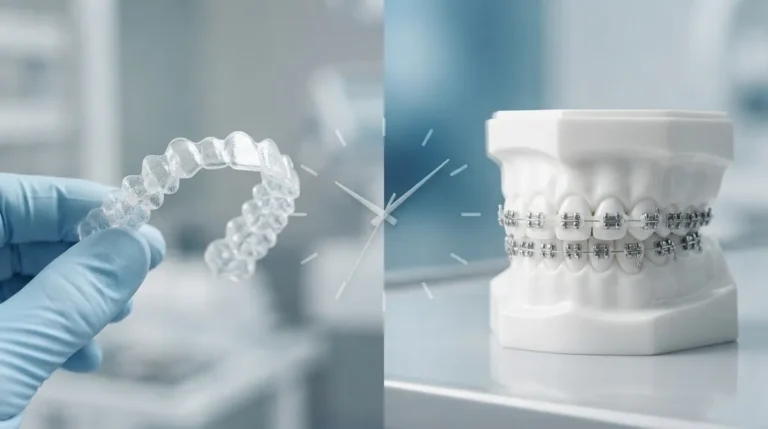
Key Takeaways
-
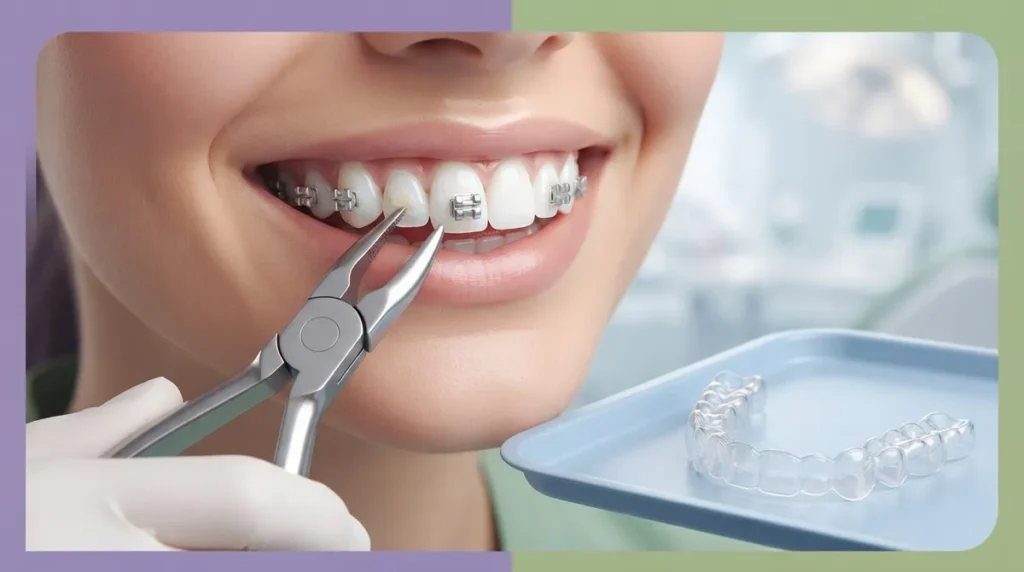
Braces removal is painless and takes only 30-60 minutes total, with most patients feeling only mild pressure or a ticklish sensation as brackets are gently squeezed off using special pliers.
-
Retainers are non-optional and must be worn exactly as instructed after removal; teeth can start shifting back within weeks of skipping retainer use, undoing months or years of treatment progress.
-
Adhesive removal is the most detailed part of the appointment, taking 10-15 minutes as the orthodontist carefully scrapes and polishes away leftover glue before your teeth get a final polish.
-
You'll receive your retainer the same day braces come off through a digital scan or mold; choose between fixed retainers (bonded behind front teeth) or removable retainers based on your lifestyle preferences.
-
Mild tooth sensitivity to temperature and a smooth feeling on teeth are normal after removal and typically fade within a few days as teeth adjust to full exposure.
-
Follow-up appointments are essential for checking retainer fit and catching any small tooth shifting early; skipping these visits can allow relapse to progress undetected.
That day is coming. You know the one—when your orthodontist finally says, “Let’s take those brackets off.” Whether you’re a mom counting down the months for your teenager, or an adult who’s been dreaming of a bracket-free smile for a wedding or big promotion, the braces removal process is a milestone worth celebrating. It marks the end of one journey and the start of an exciting new chapter with your straighter, healthier smile.
But what actually happens during this appointment? Is it painful? How long does it take? And what happens right after? We’ve put together this friendly, no-nonsense guide covering everything you need to know about getting your braces off. At Segovia Orthodontics in Lakewood Ranch, we’ve walked hundreds of patients through this exact moment, and we want you to feel confident and excited, not nervous. Let’s break down the braces removal process into 15 simple, easy-to-understand facts.
1. The Braces Removal Process Is Painless
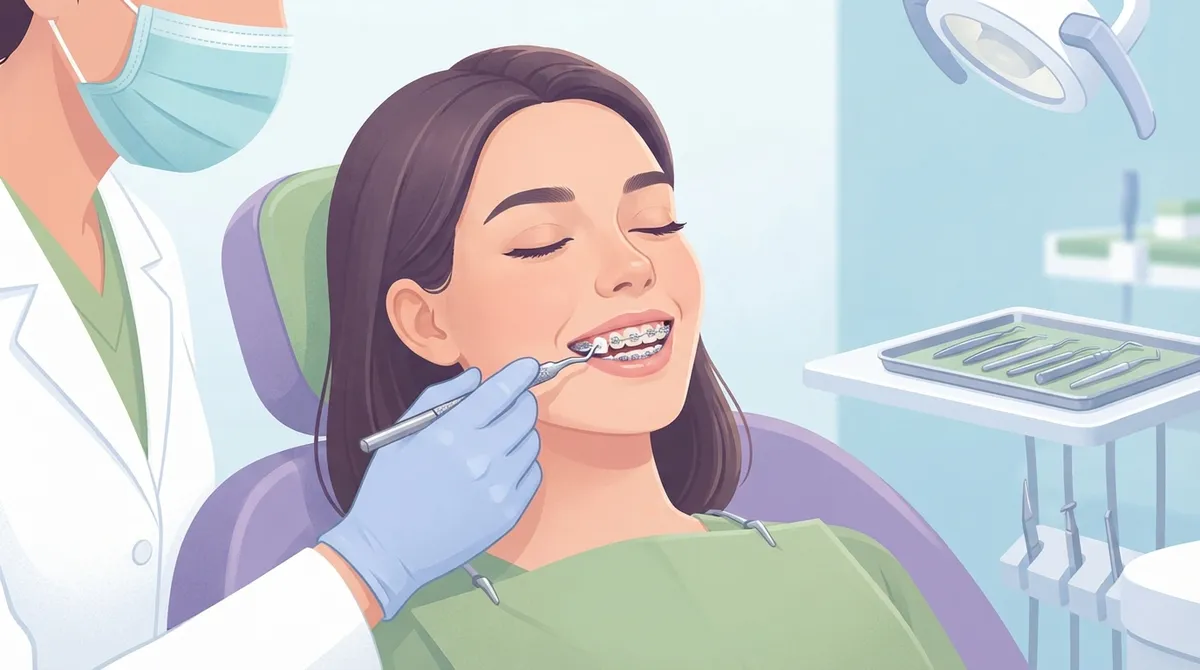
Here’s the good news right off the bat: taking braces off does not hurt. Most patients describe it as feeling strange or a bit ticklish, but not painful. You might feel some mild pressure as each bracket is squeezed loose, but that’s about it.
This is such a relief for nervous kids (and honestly, nervous parents too). If your child has been dreading this appointment, you can reassure them it’s much easier than getting braces put on in the first place.
2. Special Pliers Gently Pop Off Each Bracket
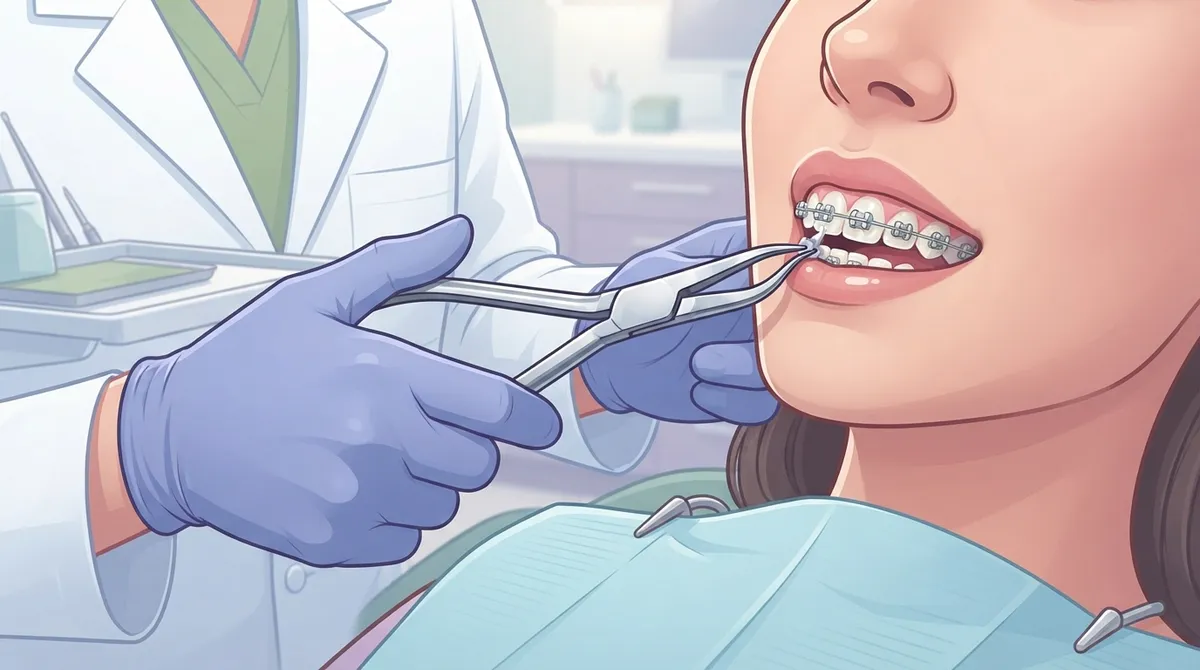
Your orthodontist uses special bracket-removing pliers designed specifically for this job. These tools gently squeeze each bracket to break the bond holding it to your tooth. It’s a quick, controlled motion done one bracket at a time.
Think of it like popping off a sticker that’s been stuck on for a while. There’s a little resistance, then it releases. Dr. Flor Segovia and her team have performed this exact motion thousands of times, so it’s routine and safe.
3. The Whole Appointment Takes About 30 to 60 Minutes
Most braces removal appointments last between 30 and 60 minutes. This includes taking off every bracket and wire, cleaning your teeth, and taking molds or scans for your new retainer.
Some appointments run a bit longer if you’re also getting a permanent retainer bonded in that same visit. Either way, you’ll be in and out faster than you might expect.
4. Removing the Adhesive Takes Extra Time and Care
After the brackets come off, there’s still a bit of leftover adhesive (the glue that held your brackets in place) stuck to your teeth. Cleaning this off is actually the most detailed part of the whole visit.
Adhesive removal alone usually takes 10 to 15 minutes. Your orthodontist will carefully scrape or polish it away using a special dental handpiece, almost like a gentle buffing tool made just for teeth.
5. Your Teeth Get a Full Polish Afterward
Once all the adhesive is gone, your teeth get polished until they’re smooth and shiny again. This step matters a lot for both looks and comfort—nobody wants rough spots lingering on their teeth.
Many patients say this is their favorite part because it’s when the big reveal starts to happen. You’ll start to see that smooth, straight smile you’ve been working toward.
6. You Might Feel Mild Sensitivity Afterward
It’s common to notice your teeth feeling a little sensitive to hot or cold right after your braces come off. This is temporary and usually fades within a few days.
Your teeth have been covered by brackets for months or years, so they’re adjusting to being fully exposed again. A sensitivity toothpaste can help if this bothers you.
Common Sensations After Braces Removal
- Mild tooth sensitivity to temperature changes
- A smooth, almost “slippery” feeling on your teeth
- Slight tenderness in the gums near removed brackets
- An adjustment period getting used to your bite without brackets
- Increased awareness of how your tongue feels against your teeth
7. Your Orthodontist Will Check Your Bite and Wisdom Teeth
During this appointment, your orthodontist takes a close look at how your teeth fit together. This final check confirms your bite is aligned properly before you move on to retainers.
Some orthodontists will also check on your wisdom teeth during this visit. If they’re starting to come in, your orthodontist may recommend a conversation with your dentist about removal down the road.
8. You’ll Get a Retainer the Same Day (Usually)
This is a big one, so let’s be clear: retainers are not optional. After spending months or years moving your teeth into place, a retainer is what keeps them there. Most patients get fitted for their retainer the very same day their braces come off.
Your orthodontist will take a digital scan or a mold of your teeth to create a retainer that fits perfectly. Learn more about orthodontic retainers and why they matter so much for long-term results.
9. There Are Two Main Types of Retainers
Depending on your case, your orthodontist may recommend a fixed retainer, a removable retainer, or sometimes both. Each option has its own pros and cons, so it helps to understand the difference.
| Retainer Type | How It Works | Best For |
|---|---|---|
| Fixed (Permanent) Retainer | A thin wire bonded behind your front teeth | Patients who want a hands-off, always-on solution |
| Removable Retainer | A clear or acrylic tray you take in and out | Patients who prefer flexibility and easy cleaning |
| Combination | Fixed retainer up front, removable retainer for full coverage | Cases with a higher risk of teeth shifting back |
10. Your Care Plan Will Explain Exactly How Often to Wear It
Once you have your retainer, your orthodontist gives you a simple care plan. This usually means wearing it full-time for the first few months, then switching to nights only.
Following this plan matters more than people realize. Teeth naturally want to drift back to their original spots, and your retainer is what stops that from happening.
11. Eating Right After Removal Is No Problem
One question we hear a lot: “Can I eat normally right after my braces come off?” The answer is yes! Unlike the day you got your braces on, there’s no adjustment period for eating.
Go ahead and enjoy that apple, corn on the cob, or chewy candy you’ve been missing. Just remember, once your retainer is in, you’ll want to take it out before eating.
12. Your Smile Might Look Different Than You Expect (In a Good Way)
Many patients are surprised by how much bigger and brighter their smile looks once brackets are gone. Teeth that were partially hidden behind metal now stand out fully for the first time in a long while.
It can take a few days to get used to seeing your new smile in the mirror. Don’t be surprised if you catch yourself smiling more often just because you can’t help it.
What to Expect in the First Week After Braces Removal
- Day 1: Mild sensitivity and lots of smiling in the mirror
- Day 2-3: Adjusting to how your tongue feels against smooth teeth
- Day 3-5: Getting used to wearing your new retainer consistently
- Day 5-7: Sensitivity starts fading and your bite feels more natural
- End of Week 1: You’re settling into your retainer routine confidently
13. Skipping Your Retainer Can Undo Your Progress
This is one of the biggest mistakes patients make after braces removal. Teeth can start shifting back within just a few weeks of skipping retainer wear.
If you’ve invested time and money into a straighter smile, don’t let it slip away. Following your orthodontist’s instructions protects everything you’ve worked for.
- Wear your retainer exactly as instructed, even when life gets busy
- Bring your retainer to every follow-up appointment for a fit check
- Contact your orthodontist right away if your retainer feels loose or cracks
- Never try to adjust a retainer yourself at home
- Replace lost or damaged retainers quickly to avoid shifting
14. Follow-Up Visits Are Part of the Long-Term Plan
Your orthodontic journey doesn’t fully end the day your braces come off. Most practices schedule a few follow-up visits to check that your retainer is doing its job and your bite stays stable.
These check-ins are quick, but they matter. They give your orthodontist a chance to catch any small shifting early, before it becomes a bigger issue.
15. Choosing the Right Orthodontist Makes All the Difference
The braces removal process should feel smooth, comfortable, and even a little exciting. That experience depends a lot on the skill and care of your orthodontic team.
Dr. Flor Segovia is a board certified orthodontist who has guided countless patients through this final, rewarding step. If you’re getting close to the end of your treatment—or just starting to explore your options with types of braces like WildSmiles or LightForce, or considering clear aligners like Angel Aligners—our Lakewood Ranch office is here to help every step of the way.
Why the Right Retainer Plan Matters Long-Term
We often tell patients that braces get all the attention, but retainers do the quiet, important work of keeping your smile in place for life. Whether you’re an adult who had braces years ago and is now noticing some relapse, or a parent making sure your teen sticks to their retainer schedule, this final piece of the puzzle deserves just as much respect as the braces themselves.
According to the American Board of Orthodontics, proper retention after orthodontic treatment is one of the most important factors in maintaining long-term results. This is exactly why we take the time to explain your retainer options clearly and answer every question you have.
Signs You Might Need a Retainer Check-Up
- Your retainer feels tight or doesn’t fit like it used to
- You notice small gaps or shifting between your front teeth
- Your retainer has visible cracks or damage
- It’s been over six months since your last orthodontic check-in
- You had braces years ago and stopped wearing your retainer
What Happens If You Wait Too Long to Address Relapse
If you’re an adult noticing your teeth have shifted since your last round of braces, you’re definitely not alone. This is called relapse, and it’s actually pretty common. The good news is that modern adult orthodontics options make correcting this easier and more discreet than ever.
Many adults choose clear aligners for a second round of treatment because they fit into busy work schedules without anyone noticing. If this sounds like you, it might be time to request an appointment to discuss your options.
Final Thoughts on Your Braces Removal Day
The braces removal process is one of the most rewarding appointments in your entire orthodontic journey. It’s quick, painless, and marks the beginning of showing off that smile you’ve worked so hard for. From the gentle bracket removal to the careful polishing and retainer fitting, every step is designed to protect your results and set you up for lasting success.
If you’re getting close to this exciting milestone, or just starting to explore your treatment options, our team at Segovia Orthodontics would love to help. Feel free to contact us with any questions, or call us at 941-557-1333 to schedule your visit. You can also check out real patient experiences on our Facebook page or follow along with smile transformations on our Instagram page. And if you want to see what our neighbors in Lakewood Ranch are saying, visit us on Google — Segovia Orthodontics. Your straighter, brighter smile is closer than you think!
FAQs
Q: Does the braces removal process hurt?
A: Not at all! Most patients feel a little pressure as each bracket is gently squeezed off, but it’s not painful. It’s honestly much easier than the appointment where your braces first went on.
Q: How long does it take to remove braces?
A: The whole appointment usually takes 30 to 60 minutes. This includes taking off every bracket and wire, cleaning off the adhesive, and getting fitted for your new retainer.
Q: Do I need a retainer after my braces come off?
A: Yes, absolutely. A retainer keeps your teeth from shifting back after all your hard work. Most patients get fitted the very same day their braces are removed.
Q: Can I eat normally right after braces removal?
A: Yes, you can eat whatever you’d like right away! There’s no food restriction like there was when your braces first went on, so enjoy those foods you’ve been missing.
Q: What’s the difference between a fixed and removable retainer?
A: A fixed retainer is a thin wire bonded behind your front teeth, so it’s always working without any effort on your part. A removable retainer is a tray you take in and out, which gives you more flexibility for cleaning and eating.
Our Service Area