Key Takeaways
-
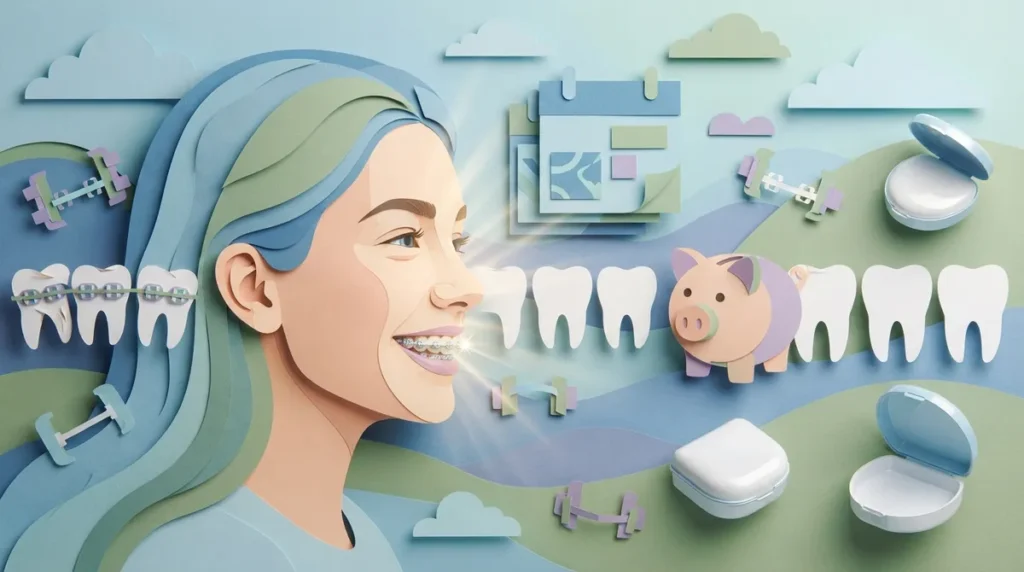
Most teens start braces between ages 12-14 once permanent teeth are in place, but early screening by age 7 helps catch problems early and makes treatment easier to manage.
-
Teen braces cost $3,000-$7,500 depending on type (metal, ceramic, lingual, or clear aligners), with many insurance plans covering a portion and flexible payment plans available at $150-$200 monthly.
-
Modern braces options include fun WildSmiles designs for engagement, custom LightForce brackets that reduce treatment time by 45%, and nearly invisible Angel Aligners with flexible wear schedules.
-
Treatment typically takes 18-24 months for comprehensive cases, but consistency with appointments and hygiene habits directly impacts timeline—missed visits or poor care can add months.
-
Retainers are essential after braces come off since teeth naturally shift back over time; retainers cost $150-$600 and must be worn exactly as instructed to protect results.
-
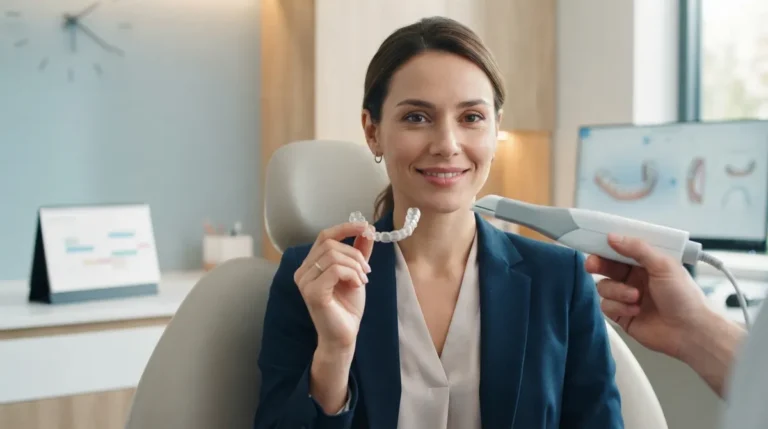
Digital 3D imaging and computer modeling now allow orthodontists to show teens a simulated preview of their treatment plan, making diagnosis more accurate and reducing unexpected changes.
Got a teenager with a smile they hide in photos? You are not alone. So many Bradenton moms and dads sit in our waiting room asking the same questions: When should we start? How much will this cost? Will my teen actually wear this thing? Take a breath. We have answers, and we promise to make this whole journey feel a lot less overwhelming.
Teen braces Bradenton families choose today look nothing like the clunky metal mouths of decades past. Kids can pick fun colors, sleek ceramic options, or nearly invisible aligners. Whatever path fits your teen’s personality and budget, the goal stays the same: a healthy, confident smile that lasts a lifetime. Let’s walk through the 15 facts every Bradenton parent should know before booking that first appointment.
1. Most Teens Start Treatment Between Ages 12 and 14
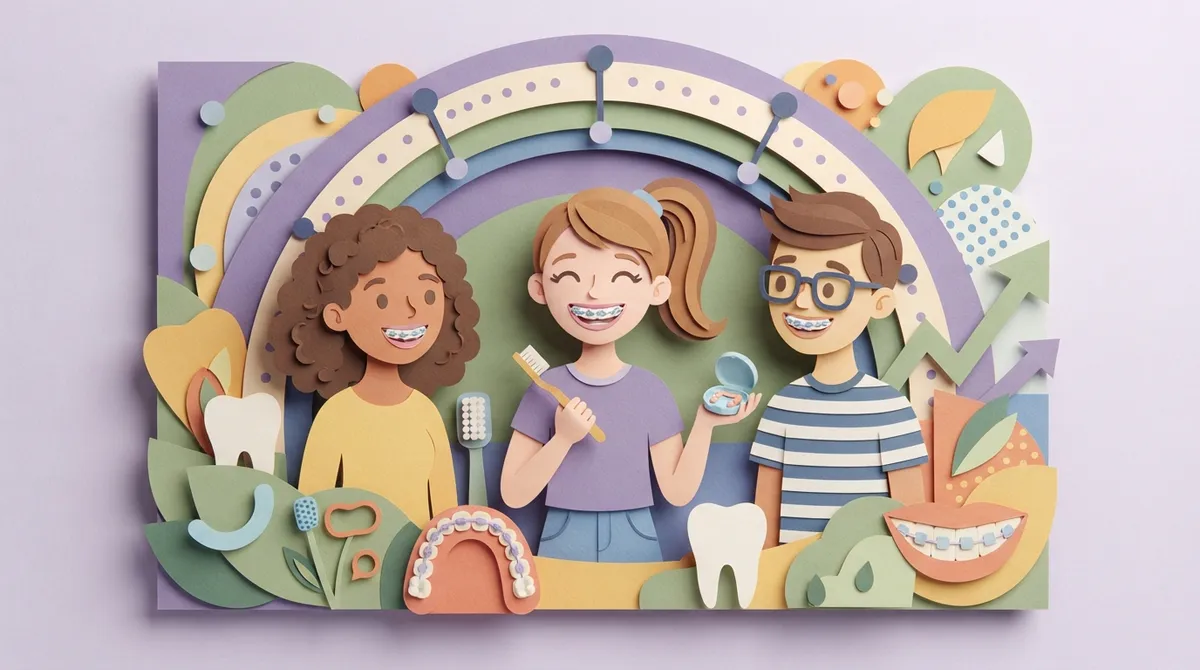
Your teen’s mouth needs most of its permanent teeth in place before starting full treatment. That usually happens somewhere between age 12 and 14. By this age, orthodontists can see the full picture of how teeth and jaws are lining up.
That said, every kid grows differently. Some teens are ready a bit earlier, others a bit later. A quick visit to see Orthodontist Flor Segovia can help you pinpoint the right moment for your child.
2. Early Screening Still Matters, Even Before the Teen Years
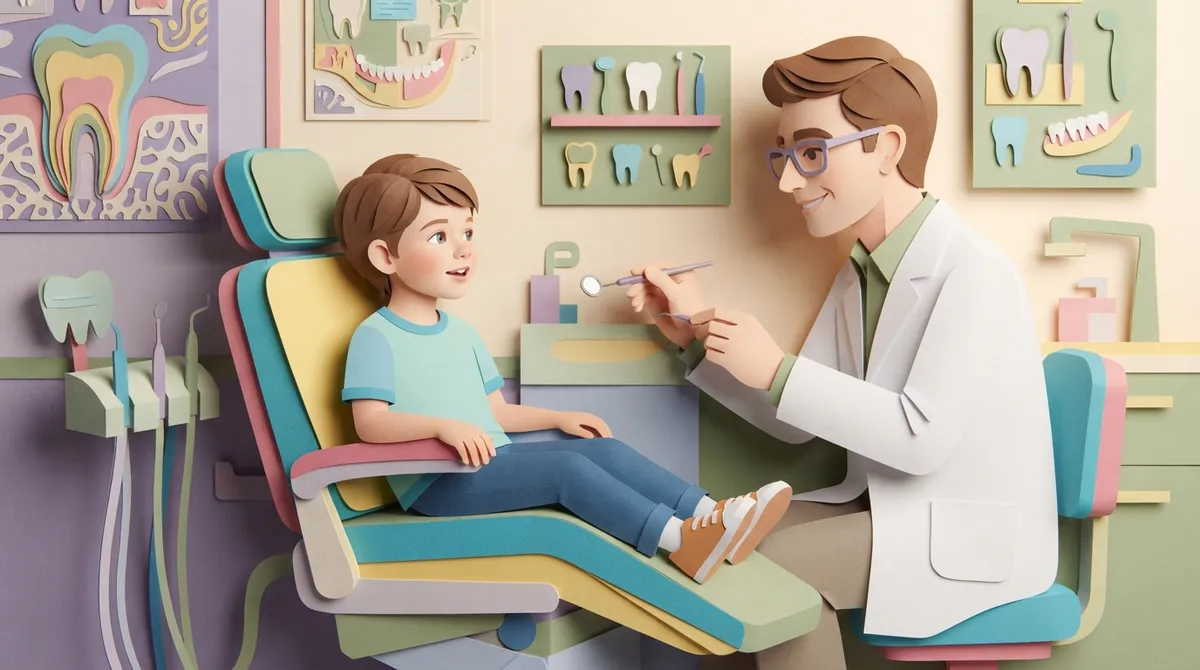
The American Association of Orthodontists recommends kids get their first orthodontic check-up by age 7. This is not about starting braces early. It is about catching problems while they are still easy to manage.
If your child is already a teenager and never had that early check, do not stress. It just means your teen’s evaluation now covers everything at once. Learning more about Early Orthodontic Treatment can help you understand how timing affects results.
3. Teen Braces Fix More Than Crooked Teeth
A lot of parents think braces are only about straightening teeth. Actually, they fix a bunch of other issues too. Here is what teen braces in Bradenton commonly correct:
- Crowded or overlapping teeth that trap food and plaque
- Gaps between teeth that affect chewing and speech
- Overbites, underbites, and crossbites
- Open bites that make it hard to bite food evenly
- Jaw alignment issues that can cause headaches or jaw pain
Every mouth is different, so a real diagnosis comes from an in-person exam. Check out Common Orthodontic Problems to see if your teen’s smile matches any of these signs.
4. There Are Several Braces Options for Teens
Gone are the days when metal braces were the only choice. Today’s teens have real options, and picking the right one depends on their case, budget, and lifestyle. Here is a quick comparison to help you and your teen talk it through.
| Braces Type | Estimated Cost Range | Best For | Visibility |
|---|---|---|---|
| Traditional Metal Braces | $3,000 – $6,000 | Mild to complex cases | Most visible, but fun colors available |
| Ceramic (Clear) Braces | $4,000 – $7,000 | Teens wanting a subtle look | Less noticeable, blends with teeth |
| Lingual Braces | $5,000 – $8,500 | Teens wanting hidden brackets | Attached behind teeth, invisible from front |
| Clear Aligners | $3,500 – $7,500 | Mild to moderate cases | Nearly invisible, removable |
These figures come from published Bradenton-area estimates reviewed in 2025-2026, but your teen’s actual quote depends on their specific needs. Explore Types Of Braces to learn more about each option in detail.
5. WildSmiles Braces Make Treatment Fun for Younger Teens
Let’s be honest, some teens dread the idea of wearing braces. That is where WildSmiles comes in. Instead of plain brackets, kids can choose fun shapes like stars, hearts, footballs, and even Mickey Mouse designs.
This is not just about looking cool. When teens feel excited about their braces, they tend to brush more, floss more, and stick with their treatment plan better. Fun shapes also make brushing checks easier, since you can see if the shape is fully visible or hidden under leftover plaque. Take a look at Wildsmiles Braces to see the full collection.
6. LightForce Braces Offer a Faster, More Custom Fit
For teens who want efficient treatment with a more precise fit, LightForce Braces is worth asking about. This system uses 3D printing to design brackets that match your teen’s exact tooth shape, rather than using generic, one-size-fits-all brackets.
Because everything is custom-built and digitally planned, treatment times can be up to 45% faster compared to older methods. The brackets also come in clear or white options, which means less visible metal in your teen’s smile. Learn more about Lightforce Orthodontics and how it might fit your teen’s treatment plan.
7. Angel Aligners Give Teens a Nearly Invisible Option
Some teens simply do not want visible brackets, and that is completely understandable. Angel Aligners are clear, removable trays that gently shift teeth into place, similar in concept to other aligner brands but often more budget-friendly.
Angel Aligners use a unique wear schedule, alternating between a flexible tray and a firmer one, which can speed up tooth movement. They also use a frosted finish to reduce shine, so they are less noticeable in everyday conversations and photos.
8. Treatment Typically Takes 18 to 24 Months
Most teens finish comprehensive treatment somewhere between 18 and 24 months. Mild cases might wrap up sooner. More complex bite or crowding issues can stretch treatment to around 30 to 36 months.
Sticking to appointments and following instructions really does matter here. Missed visits, broken brackets, and poor hygiene can all add extra months to the process. Reliable habits now save time later.
9. The Treatment Process Follows a Clear Path
Wondering what actually happens once you commit to teen braces? Here is the typical step-by-step process most Bradenton orthodontic offices follow:
- Initial exam with photos, digital scans, or X-rays as needed
- Diagnosis and a custom treatment plan built around your teen’s bite
- Placement of braces or delivery of the first aligner trays
- Regular adjustment visits, usually every 4 to 8 weeks
- Removal of braces or completion of aligner trays
- Retention phase with a custom retainer to protect results
Knowing what to expect makes the whole thing feel a lot less mysterious. Read First Orthodontic Visit for a closer look at what happens during that first appointment.
10. Good Hygiene Habits Protect Your Teen’s Investment
Braces and aligners only work well if your teen keeps their mouth clean. Sugary snacks, sticky candy, and poor brushing can slow progress or even cause cavities and staining.
Here are a few habits worth reinforcing at home:
- Brush carefully around brackets and wires after every meal
- Floss daily, using floss threaders or water flossers if needed
- Limit sugary drinks, sticky candy, and hard foods like popcorn or nuts
- Wear a mouthguard during sports to protect braces from impact
- Keep up with regular dental cleanings alongside orthodontic visits
Good habits now really do pay off with a healthier, straighter smile later. See All About Braces for more day-to-day care tips.
11. Insurance and Financing Can Make Treatment More Affordable
Many families worry braces are out of reach financially. The good news is dental insurance often covers a portion of orthodontic treatment for teens, and flexible payment plans can spread out the rest.
Local practices commonly offer payment plans over 12 to 24 months, with monthly payments often falling around $150 to $200. Down payments, credit checks, and total fees vary by provider, so it always pays to ask detailed questions upfront. Check out Orthodontic Financing to see what options might work for your family.
12. Retainers Are Just as Important as the Braces Themselves
Here is something a lot of teens do not expect: braces coming off is not the finish line. Teeth naturally want to shift back over time, which is exactly why retainers exist.
Retainers typically cost around $150 to $600 when purchased separately, depending on the type. Wearing them exactly as instructed protects all the hard work your teen just put into their smile. Learn more in Orthodontic Retainers.
13. Not Every Case Needs the Same Treatment Length
Two teens with similar looking smiles might need very different treatment timelines. A minor gap might close in under a year, while a complex bite correction could take closer to three years.
This is why cookie-cutter treatment plans do not work well. Every teen deserves a custom approach based on their actual bite, jaw growth, and cooperation level. That is part of what makes working with a Board Certified Orthodontist so valuable.
14. Advanced Technology Makes Diagnosis More Accurate
Modern orthodontic offices use digital scanners, 3D imaging, and computer modeling to plan treatment with impressive precision. This means fewer surprises and more predictable results for your teen.
Instead of guessing how teeth will move, orthodontists can now show parents and teens a simulated preview of the treatment plan. Explore Advanced Orthodontic Technology to see how this changes the whole experience.
15. Choosing the Right Orthodontist Makes a Real Difference
Not all orthodontic offices are the same. You want a team that listens, explains things clearly, and treats your teen like an individual rather than just another patient on the schedule.
At Segovia Orthodontics, Dr. Flor Segovia leads a bilingual, family-friendly practice built around comfort and honest communication. Many Bradenton and Lakewood Ranch families appreciate having flexible scheduling that works around school and sports commitments. You can Why Choose Us to learn more about what sets the practice apart, or see what our Segovia Orthodontics customers say on Google by visiting our Google Business page.
Why Families Trust Board-Certified Orthodontic Care
When it comes to something as important as your teen’s smile, credentials matter. A board-certified orthodontist has gone through extra training and testing beyond dental school, showing a real commitment to quality care. You can learn more about these standards through the American Board of Orthodontics.
Following your practice on social media is also a great way to stay connected. Many families enjoy seeing real patient transformations and helpful tips by checking out our Facebook page or following along on our Instagram page for behind-the-scenes glimpses of the office.
Ready to Take the Next Step?
Your teen’s confident smile is closer than you think. Whether you are exploring metal braces, ceramic options, or clear aligners, the most important step is simply getting started with a real conversation. Feel free to contact us with any questions, or go ahead and request an appointment to get your teen’s personalized treatment plan started. You can also call us at 941-557-1333 to speak with our friendly team today. We cannot wait to help your teen smile with confidence.
FAQs
Q: How much do teen braces cost in Bradenton, Florida?
A: Teen braces in Bradenton typically range from about $3,000 to $7,000 depending on the type of braces and how complex the case is. Metal braces tend to be the most budget-friendly, while ceramic and lingual options usually cost a bit more. The best way to get an exact number is to schedule a consultation, since every smile is a little different!
Q: What is the best age for a teenager to get braces?
A: Most teens start comprehensive treatment between ages 12 and 14, once most permanent teeth have come in. That said, every child develops at their own pace, so some teens might be ready a little earlier or later. An orthodontic evaluation is the best way to know exactly when your teen is ready to begin.
Q: How long do braces take for teens?
A: On average, teen braces take about 18 to 24 months, though simpler cases can finish faster and more complex bites might take up to 36 months. Sticking to appointments and taking good care of braces at home really helps keep things on track. Every teen’s timeline is unique, so patience really pays off here.
Q: Are metal braces or clear aligners better for teenagers?
A: It honestly depends on your teen’s case, lifestyle, and personality. Metal braces work great for a wide range of issues and are often more affordable, while clear aligners are nearly invisible but require excellent discipline to wear them as directed. A quick chat with your orthodontist can help you weigh the pros and cons together.
Q: Does dental insurance cover braces for teens in Bradenton?
A: Many dental insurance plans cover at least part of orthodontic treatment for teens, though coverage amounts vary quite a bit by plan. On top of insurance, most practices also offer flexible payment plans to help spread out the remaining cost. It is always worth asking your orthodontic office to walk through your specific benefits before you start.
Our Service Area