Key Takeaways
-
Oral hygiene is critical during braces treatment—research shows enamel demineralization can affect 2% to 96% of patients depending on brushing habits, making daily brushing after meals, flossing with a threader, and regular dental cleanings essential for preventing cavities and white spots.
-
Relapse (teeth shifting back after braces) is most likely in the first few months after treatment ends, making retainer wear non-negotiable; the British Orthodontic Society confirms relapse risk continues for years without proper retention compliance.
-
Most common complications like soreness, irritation, and loose brackets are temporary and manageable—peak discomfort lasts 3-5 days and can be relieved with salt water rinses, orthodontic wax, soft foods, and over-the-counter pain relievers.
-
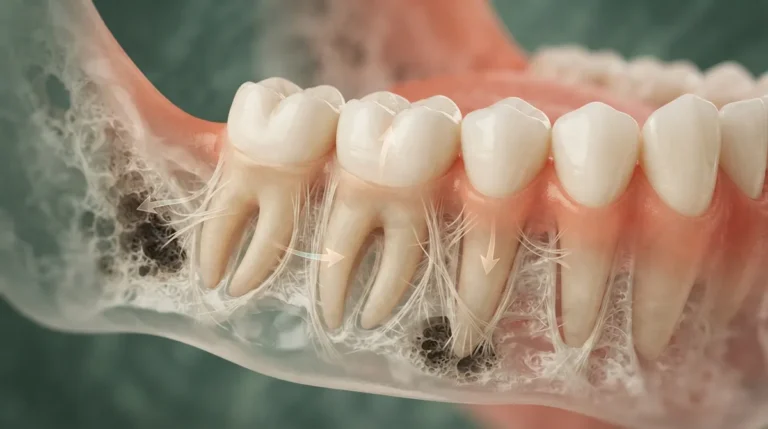
Root resorption (tooth root shortening) occurs during treatment but is usually mild and monitored through x-rays; most cases don’t affect long-term tooth health, so understanding this normal biological response prevents unnecessary panic.
-
Advanced technologies like 3D-printed custom brackets and digital treatment planning can reduce treatment time by up to 45% while minimizing loose brackets, irritation, and mechanical failures compared to traditional braces.
-
Know when to contact your orthodontist immediately: pain lasting over a week, wires cutting gums, signs of infection, retainers that no longer fit, or visible white or dark spots forming near brackets—early intervention prevents serious complications.
Getting braces is exciting. You picture that beautiful, straight smile waiting at the end of treatment. But let’s be honest, nobody hands you a warning label when those brackets go on. Braces complications can pop up along the way, and knowing what to expect makes the whole journey feel a lot less scary.
Whether you’re a mom scheduling appointments around soccer practice, a young professional wearing clear aligners to job interviews, or an adult getting a second chance at a straight smile, this guide is for you. We’re breaking down the most common braces complications, what causes them, and how to handle them like a pro. Think of this as your friendly, no-nonsense roadmap to smoother orthodontic care.
At Segovia Orthodontics in Lakewood Ranch, Dr. Flor Segovia and her team see these situations every single day. The good news? Most braces complications are totally manageable with the right knowledge and a little TLC.
Why Talking About Braces Complications Actually Matters
Nobody likes dwelling on the negatives. But understanding potential bumps in the road helps you catch problems early. It also helps you feel calm instead of panicked when something feels off.
Orthodontic treatment moves teeth through bone, which is a biological process. That means your mouth will react in ways you might not expect. Some reactions are mild and temporary. Others need a quick call to your orthodontist.
Here’s what tends to happen most often during treatment:
- Soreness after braces are placed or tightened
- Irritation from brackets or wires rubbing your cheeks
- Plaque buildup that leads to white spots or cavities
- Gum swelling or bleeding, especially with poor brushing habits
- Loose brackets or broken wires from certain foods
- Root resorption, which is a shortening of the tooth root
- Relapse, meaning teeth shift back after treatment ends
Let’s dig into the three biggest categories of braces complications, so you know exactly what’s normal and what needs attention.
3 Major Braces Complications and How to Handle Them
1. Discomfort, Irritation, and Mechanical Issues
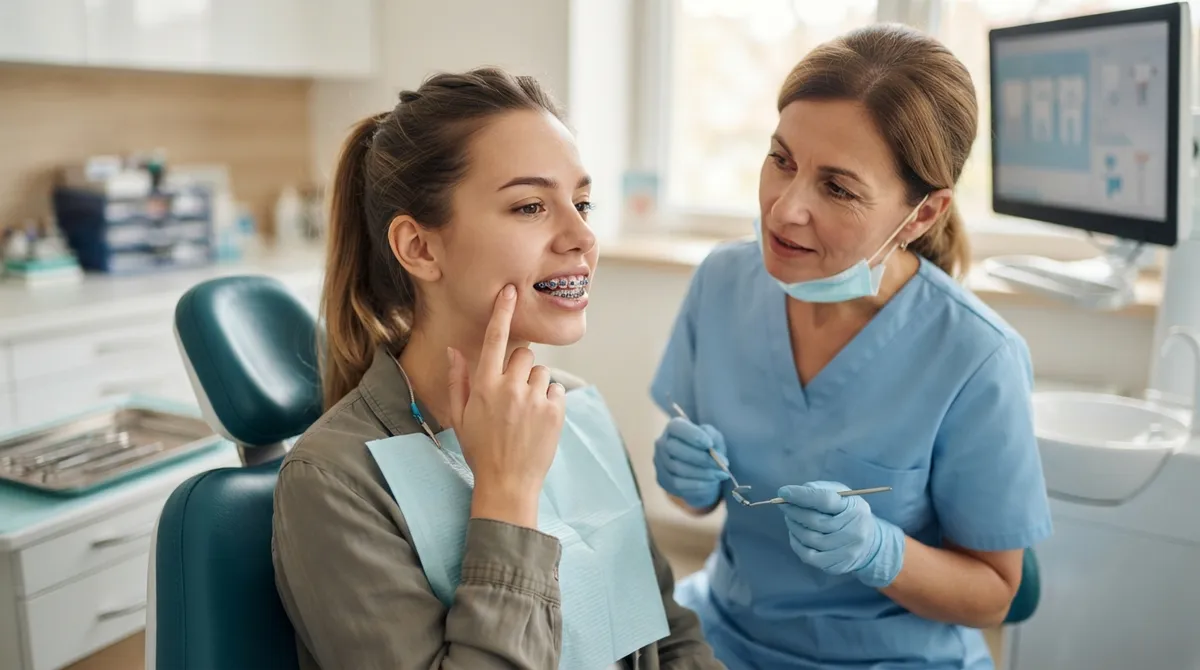
This is the complication almost everyone experiences at some point. Your teeth feel tender after braces go on or get tightened. Your cheeks might feel raw from wires or brackets rubbing against soft tissue. It’s uncomfortable, but it’s also incredibly common and temporary.
Soreness usually peaks within the first few days after an adjustment. Most patients find real relief within three to five days. If you’re dealing with tenderness, here are some tried-and-true tips:
- Rinse with warm salt water to soothe irritated gums and cheeks
- Apply orthodontic wax over pokey brackets or wires
- Stick to soft foods like yogurt, mashed potatoes, and smoothies for a few days
- Take an over-the-counter pain reliever if needed
- Avoid crunchy, sticky, or hard foods that stress your braces
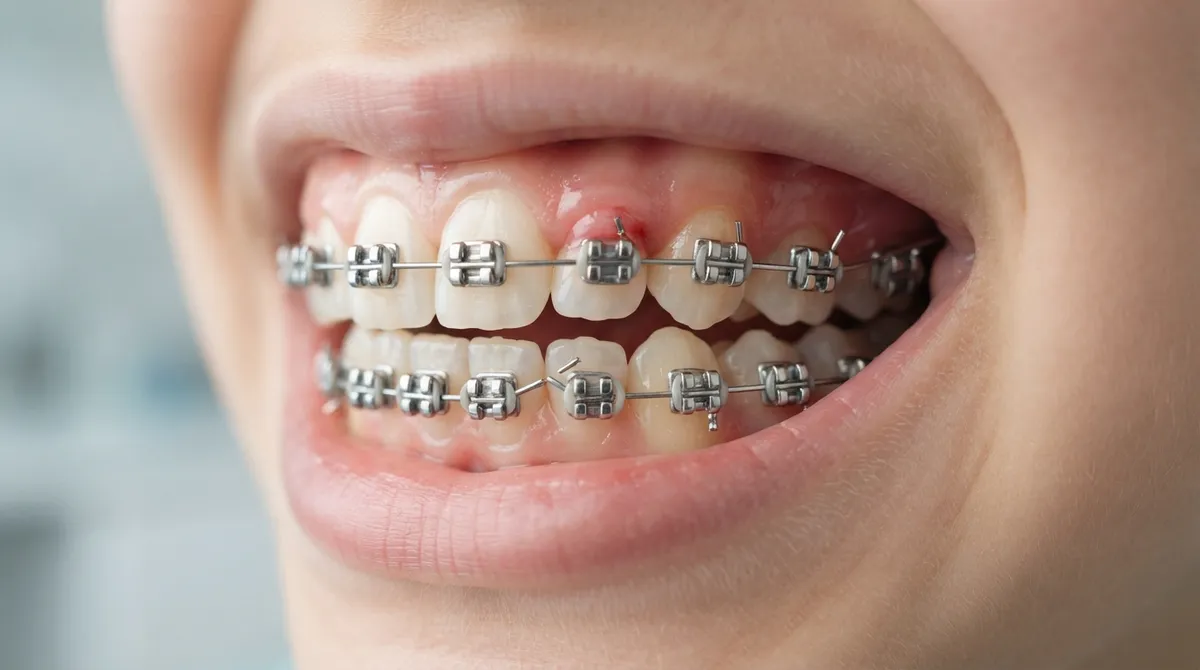
Mechanical problems are another common headache. Loose brackets, poking wires, and broken appliances happen more often than you’d think, especially with active kids and teens. If a wire is poking your cheek, try gently pushing it back with a clean pencil eraser or cover it with wax until you can get in for a fix. Never try to cut a wire yourself.
These situations count as orthodontic emergencies when they cause real pain or damage. Don’t wait it out if something feels seriously wrong. Reach out and contact us so we can get you in quickly.
2. Oral Hygiene Complications: Plaque, Decay, and Gum Disease
This is the complication category we talk about most, because it’s the one you actually have control over. Braces create more nooks and crannies for food and plaque to hide. That means your risk for cavities and gum problems goes up if brushing and flossing slip.
Research shows enamel demineralization, those chalky white spots that show up after braces come off, can affect anywhere from 2% to 96% of patients depending on their oral hygiene habits. That’s a massive range, and it tells you something important: your daily habits make all the difference.
Here’s a simple table showing common oral hygiene complications and how to prevent them:
| Complication | What Causes It | How to Prevent It |
|---|---|---|
| White spot lesions | Plaque sitting on enamel too long | Brush after every meal, use fluoride toothpaste |
| Tooth decay | Sugar and bacteria trapped near brackets | Limit sugary snacks, floss daily with a threader |
| Gingivitis | Plaque buildup along the gumline | Use an interdental brush, rinse with mouthwash |
| Bad breath | Food particles stuck in brackets | Clean thoroughly morning and night |
Good news: brackets like the ones used in WildSmiles Braces are actually designed with hygiene in mind. Their unique shapes help you and your child visually check if brushing is thorough, since the shapes should be clearly visible when brushing is done well. It’s a fun, kid-friendly way to build better habits.
Consider these daily habits to keep decay and gum disease away:
- Brush at least twice a day with a soft-bristled toothbrush
- Use a floss threader or water flosser to clean between wires
- Rinse with an antibacterial or fluoride mouthwash
- Schedule regular cleanings with your general dentist
- Cut back on sugary drinks and sticky candies
3. Long-Term Structural Complications: Root Resorption, Gum Recession, and Relapse
These are the complications that sound scarier, and honestly, they deserve a thoughtful conversation with your orthodontist rather than a Google spiral at midnight.
Root resorption refers to the shortening of a tooth’s root during treatment. It’s actually a recognized and common side effect of moving teeth, though the severity varies widely from patient to patient. Most cases are mild and don’t affect how long your teeth last. Your orthodontist monitors this with x-rays throughout treatment to catch anything significant early.
Gum recession can also happen, particularly when teeth move outside the natural bone envelope or if periodontal health wasn’t great to begin with. A British Dental Journal review found that most orthodontic patients experience up to 1mm of alveolar bone height loss during treatment. That’s a small, generally unnoticeable amount, but it’s why regular checkups matter so much.
Then there’s relapse, arguably the most frustrating long-term complication. This is when teeth start drifting back toward their original positions after braces come off. The British Orthodontic Society notes that relapse risk is highest in the first few months after treatment ends, and it can continue for years without proper retention.
This is exactly why orthodontic retainers aren’t optional extras. They’re essential insurance for protecting your investment. Here’s a quick ranking of what helps prevent relapse most effectively:
- Wearing your retainer exactly as instructed, especially in the first year
- Attending follow-up visits so your orthodontist can check retainer fit
- Replacing worn or cracked retainers right away instead of waiting
- Telling your orthodontist immediately if you notice any shifting
- Avoiding long gaps in retainer wear, even years after treatment
If you’re an adult who had braces years ago and you’re noticing your teeth shifting back, you’re not alone, and you’re definitely not starting from scratch. Many adults return for touch-up treatment with clear aligners, which are discreet enough to wear at work without anyone noticing.
Rare But Real: Other Complications Worth Knowing
While less common, a few other complications are worth mentioning so you’re fully informed:
- Allergic reactions to latex elastics or certain metal components
- Temporomandibular joint (TMJ) discomfort or dysfunction
- Pulpal changes affecting tooth nerve sensitivity
- Prolonged treatment time due to poor compliance or missed appointments
These situations are uncommon, but if you experience jaw pain, clicking, or unusual sensitivity, mention it at your next visit. Catching things early always leads to easier fixes.
How Advanced Technology Reduces Braces Complications
Modern orthodontic care has come a long way, and technology plays a huge role in minimizing complications before they start. At Segovia Orthodontics, advanced orthodontic technology like digital scanning and 3D treatment planning helps Dr. Segovia predict how your teeth will move and adjust the plan in real time.
LightForce Orthodontics, for example, uses fully custom 3D-printed brackets designed specifically for your unique tooth shape. This precision can reduce treatment time by up to 45% and often means fewer adjustments, less irritation, and a smoother experience overall. Since each bracket bonds with a uniform cement layer, there’s less chance of loose brackets popping off unexpectedly.
For patients who prefer a clear option, Angel Aligners offer another way to minimize complications. Their frosted, flexible material reduces irritation to gums and cheeks, and the built-in attachment design means fewer extra pieces bonded to your teeth, which lowers the risk of breakage.
When Should You Call Your Orthodontist?
It can be tricky to know what’s “normal” soreness versus something that needs a professional look. Here’s a simple checklist:
- Pain that lasts longer than a week or gets progressively worse
- A bracket or wire that’s cutting into your cheek or tongue
- Swelling, pus, or signs of infection around your gums
- A retainer that suddenly doesn’t fit anymore
- Visible white spots or dark spots forming near brackets
If you notice any of these, don’t wait. Reach out and request an appointment so our team can take a look and get you back on track quickly.
Choosing a Practice That Prevents Complications From the Start
Not every orthodontic practice approaches treatment the same way. Choosing an experienced, board-certified orthodontist like Dr. Flor Segovia means you’re working with someone trained to spot potential complications before they become bigger problems. Board certification through the American Board of Orthodontics requires ongoing education and rigorous clinical standards, which gives families extra peace of mind.
At Segovia Orthodontics, every treatment plan is personalized. Whether your child needs early orthodontic treatment, your teen is ready for braces before a big milestone, or you’re an adult exploring adult orthodontics, our Lakewood Ranch team focuses on comfort, prevention, and communication every step of the way.
Curious what other patients say about their experience? Check out Visit us on Google — Segovia Orthodontics to see real reviews from families just like yours. You can also follow along on our Facebook page or our Instagram page for smile transformations and helpful tips.
Final Thoughts on Managing Braces Complications
Braces complications sound intimidating, but most are minor, temporary, and totally manageable with good habits and regular checkups. The bigger, rarer issues like root resorption or relapse are exactly why choosing an experienced orthodontist matters so much. You deserve a team that catches problems early and keeps your smile journey as smooth as possible.
If you’re dealing with braces discomfort, noticing changes in your smile, or simply want a second opinion on your current treatment plan, our Lakewood Ranch team is here for you. Give us a call at 941-557-1333 or schedule a visit today. Your comfortable, confident smile is worth it.
FAQs
Q: What are the most common complications of braces?
A: The most common complications include soreness after adjustments, cheek or gum irritation from brackets, plaque buildup leading to white spots or cavities, and occasional loose brackets or broken wires. Most of these are mild and clear up quickly with good oral hygiene and simple home care.
Q: Is root resorption from braces permanent?
A: Root resorption, or slight shortening of the tooth root, is common during orthodontic treatment and usually mild. Your orthodontist monitors this with x-rays throughout treatment, and most cases don’t affect how long your teeth stay healthy and functional.
Q: How can you prevent cavities while wearing braces?
A: Brush after every meal, floss daily using a threader or water flosser, and limit sugary snacks and drinks. Regular cleanings with your dentist alongside your orthodontic visits go a long way toward keeping your smile cavity-free.
Q: Can teeth move back after braces are removed?
A: Yes, this is called relapse, and it’s most likely to happen in the first few months after braces come off. Wearing your retainer as instructed is the best way to protect your results long term.
Q: What should I do if a wire is poking my cheek?
A: Try covering the wire with orthodontic wax for immediate relief, and gently push it away from your cheek with a clean pencil eraser if needed. If it keeps bothering you, reach out to your orthodontist so they can trim or adjust it properly.
Our Service Area