Key Takeaways
-
Untreated jaw alignment problems can cause serious long-term health issues including chronic jaw pain, headaches, uneven tooth wear, gum disease, and sleep apnea, making early intervention critical.
-
Traditional braces have a 90%+ success rate and can correct severe misalignments in 18-22 months, while clear aligners work best for mild to moderate cases with 80-90% success rates in 12-18 months.
-
Early orthodontic evaluation for children ages 7-16 is crucial because growing jaws respond well to guided treatment and functional appliances can correct alignment before it becomes permanent.
-
The retention phase after treatment is essential to prevent relapse; skipping retainers is the most common reason people experience shifted teeth years later.
-
Advanced technology like LightForce 3D-printed custom brackets can reduce treatment time by up to 45% compared to traditional brackets through precision tooth mapping.
-
Board-certified orthodontists have specialized training beyond dental school and can handle complex jaw alignment problems more effectively than general dentists.
Ever notice your jaw clicking when you chew, or maybe your teeth just don’t seem to meet right when you bite down? You’re not alone. Jaw alignment problems, also called malocclusion, affect millions of people, from little kids to busy professionals to grandparents. The good news? Most of these issues are completely fixable with the right orthodontic care, and you don’t have to live with jaw pain, uneven teeth, or a smile you’re not proud of.
At Segovia Orthodontics, we see families and adults every week who are surprised to learn how treatable their jaw alignment problems really are. Whether you’re a mom noticing your child’s bite looks off, a young professional wanting a straighter smile before a big career move, or an adult who had braces years ago and things have shifted back, this guide is for you. Let’s break down exactly what jaw alignment problems look like, why they happen, and the three main ways orthodontic treatment can fix them for good.
What Are Jaw Alignment Problems, Really?
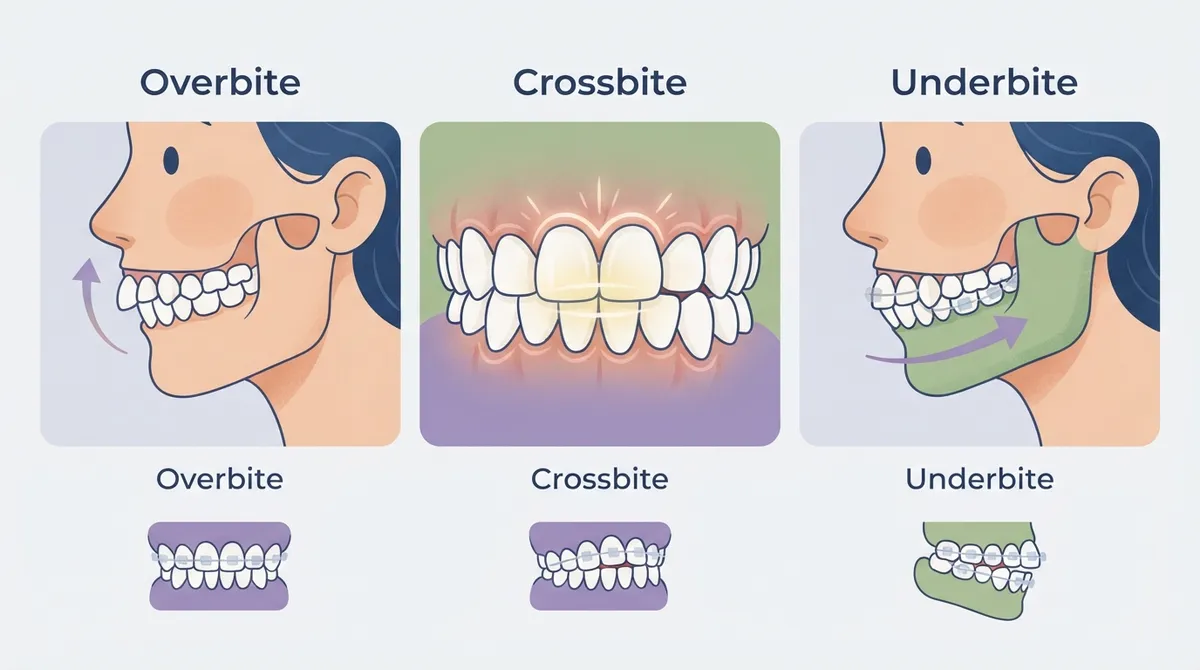
Jaw alignment problems happen when your upper and lower teeth don’t fit together properly when your mouth closes. Dentists call this malocclusion. It’s a fancy word, but the concept is simple: your bite is off.
This can show up in a few different ways. Maybe your upper teeth stick out too far over your lower teeth (an overbite). Maybe it’s the opposite, and your lower jaw juts out further than your upper jaw (an underbite). Or your teeth might not line up side to side, creating what’s called a crossbite. Each of these issues falls under the jaw alignment problems umbrella, and each one can affect your comfort, your confidence, and even your long-term health.
Common Causes Behind Jaw Alignment Problems
So why do jaws end up misaligned in the first place? There are a few usual suspects:
- Genetics – jaw size and shape often run in families
- Prolonged thumb sucking or pacifier use in early childhood
- Early loss of baby teeth, which shifts remaining teeth out of place
- TMJ disorders that affect jaw joint function
- Mouth breathing habits during childhood development
- Injury or trauma to the jaw
If you’re a parent reading this, don’t panic if your child had a thumb-sucking habit. Many kids grow up just fine, but catching potential issues early with an early orthodontic treatment evaluation can save a lot of hassle down the road.
Why You Shouldn’t Ignore Jaw Alignment Problems
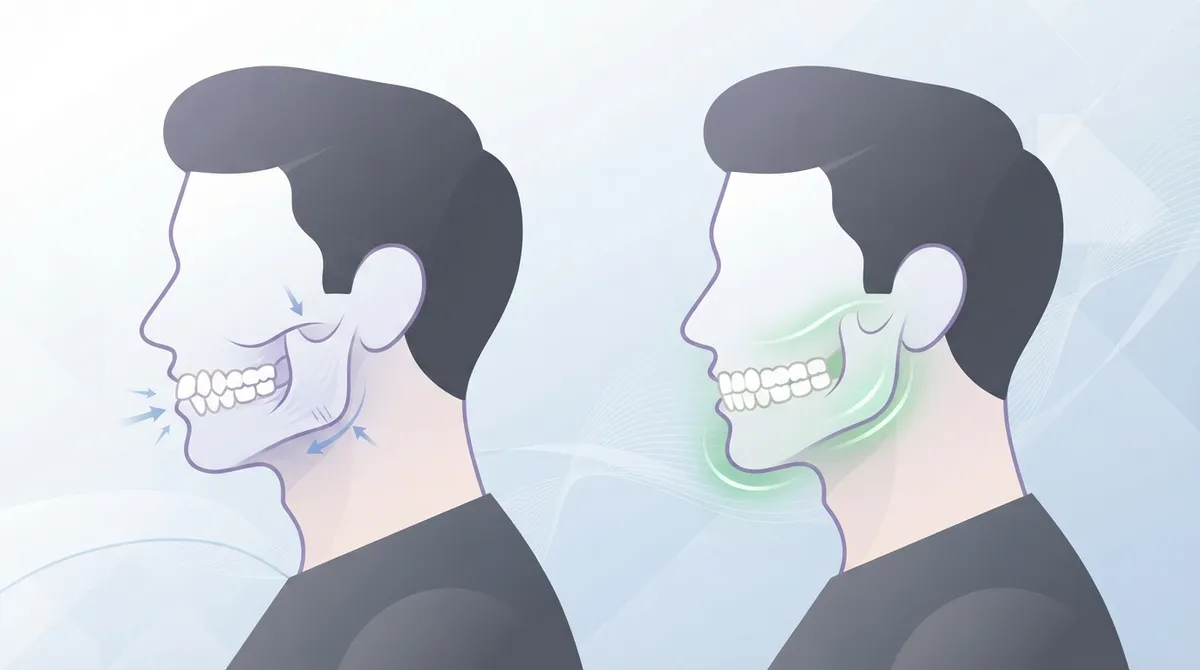
It’s tempting to think a slightly off bite is no big deal. But untreated jaw alignment problems can snowball into bigger health issues over time. Here’s what can happen if these problems go unaddressed:
- Chronic jaw pain and headaches from TMJ strain
- Uneven tooth wear that damages enamel faster
- Increased risk of gum disease from hard-to-clean crowded teeth
- Sleep apnea or breathing difficulties
- Trouble chewing food properly, which affects digestion
- Speech difficulties in some cases
None of this is meant to scare you. It’s meant to encourage you to take action sooner rather than later. The earlier you address jaw alignment problems, the simpler and often faster the fix. This is especially true for growing kids, whose jaws are still developing and respond really well to guided treatment.
3 Proven Ways Orthodontic Treatment Fixes Jaw Alignment Problems
Here’s the part you’ve been waiting for. Let’s walk through the three main treatment paths that orthodontists use to correct jaw alignment problems, starting with the least invasive and moving up from there.
1. Traditional and Custom Braces
Braces remain one of the most reliable tools for correcting jaw alignment problems, with a success rate of over 90% across all severity levels. They work by applying steady, gentle pressure to guide teeth (and in some cases, jaw growth) into proper position over time.
At our Lakewood Ranch office, we offer a couple of exciting options that make braces more comfortable and even fun. LightForce Orthodontics uses fully digital, 3D-printed brackets custom-fitted to each patient’s teeth. This precision can reduce treatment time by up to 45% compared to traditional one-size-fits-all brackets. For kids and teens, WildSmiles Braces turn treatment into something to look forward to, with fun bracket shapes like stars, hearts, and even Mickey Mouse designs.
Braces are especially effective for moderate to severe jaw alignment problems, including significant overbites, underbites, and crossbites that clear aligners alone might not fully correct.
2. Clear Aligners for Mild to Moderate Cases
If you’re picturing metal brackets and wires and feeling a little hesitant, clear aligners might be your answer. These custom, removable trays gradually shift teeth into place and boast an 80-90% success rate for mild to moderate jaw misalignment.
We offer clear aligners including Angel Aligners, which use a smart “7+3” wear schedule (seven days with a flexible tray, then three days with a firmer one) to speed up tooth movement. This can mean fewer office visits and a more budget-friendly path to a straighter bite. Angel Aligners also feature a frosted finish that minimizes shine, so they’re genuinely discreet.
Clear aligners are a favorite among young professionals and career-focused adults who want results without anyone noticing they’re in treatment. They fit into busy schedules and demanding jobs without drawing attention.
3. Functional Appliances and Orthognathic Surgery for Severe Cases
For growing children and teenagers, functional appliances can guide jaw growth during development, correcting alignment issues before they become permanent problems in adulthood. This is one of the biggest reasons early evaluations matter so much for kids.
In rare, severe cases where the jaw bones themselves are significantly misaligned, orthognathic surgery may be recommended. This is typically reserved for situations where standard braces or aligners can’t fully correct the issue and daily eating or speaking is affected. Combined orthodontic and surgical treatment can achieve success rates up to 94% even in complex cases.
Treatment Comparison at a Glance
| Treatment Option | Best For | Success Rate | Average Duration |
|---|---|---|---|
| Traditional/Custom Braces | Mild to severe malocclusion | Over 90% | 18-22 months |
| Clear Aligners | Mild to moderate cases | 80-90% | 12-18 months |
| Functional Appliances | Growing children/teens | High during growth periods | Varies by age |
| Combined/Surgical Treatment | Severe jaw discrepancies | Up to 94% | 24+ months |
Steps to Take If You Suspect a Jaw Alignment Problem
Not sure if what you’re experiencing counts as a real jaw alignment problem? Here’s a simple process to follow:
- Pay attention to symptoms like jaw pain, clicking sounds, or trouble chewing evenly
- Look in the mirror and check if your upper and lower teeth meet comfortably when your mouth is closed
- Schedule a consultation with a board-certified orthodontist for a full evaluation
- Get X-rays or digital scans to understand the exact nature of the misalignment
- Discuss treatment options based on your age, lifestyle, and severity of the issue
- Commit to the treatment plan, including any retention phase afterward
This process usually starts with a simple conversation. Our team at Orthodontist Flor Segovia welcomes questions from patients of every age, and Dr. Segovia provides bilingual care in both English and Spanish, so language is never a barrier to getting the help you need.
Who Should Watch for Jaw Alignment Problems?
While anyone can develop jaw alignment problems, some groups should pay extra attention:
- Parents of children ages 7-16 who notice crowding, gaps, or bite issues
- Teens preparing for major life events like graduation photos
- Adults who had braces years ago but notice their teeth shifting back (relapse)
- Anyone experiencing jaw clicking, popping, or chronic headaches
- People planning weddings or big career milestones who want a confident smile
If you fall into the adult relapse category, you’re actually in a great position. Adults who previously wore braces tend to be highly motivated and compliant with new treatment, which often means faster, smoother results the second time around. Check out our guide on adult orthodontics mistakes you should never make if this sounds like you.
The Retention Phase Matters Just as Much
Here’s something people often forget: fixing jaw alignment problems doesn’t end when the braces come off or the last aligner tray is worn. There’s a retention phase afterward, where orthodontic retainers keep your teeth from drifting back to their old positions.
Skipping this step is one of the most common reasons people experience relapse later in life. If you’re an adult dealing with shifted teeth from years ago, know that you’re not starting from scratch. Modern treatments, including clear aligners, can often correct relapse faster than your original treatment did.
How Advanced Technology Makes Treatment Smoother
Gone are the days of guessing how your bite will improve. Today’s advanced orthodontic technology allows orthodontists to map out your entire treatment digitally before it even begins. This means fewer surprises, more predictable timelines, and often faster results.
For families in the Lakewood Ranch area, this technology combined with a comfortable, welcoming office makes a real difference in how treatment feels day to day. You can see what real patients say by visiting Visit us on Google — Segovia Orthodontics, or check out patient smiles and updates on our Instagram page and our Facebook page.
Choosing the Right Orthodontist for Jaw Alignment Problems
Not every dentist is trained to handle complex jaw alignment problems. Look for a board-certified orthodontist, which means additional years of specialized training beyond dental school. You can verify credentials through the American Board of Orthodontics, which sets the standard for orthodontic expertise nationwide.
Our practice is proud to be recognized as a board certified orthodontist office, meaning you’re getting expert-level care backed by real credentials, not just guesswork. Learn more about our approach on our Why Choose Us page.
What to Expect at Your First Visit
Nervous about that first appointment? You’re definitely not alone, and there’s really nothing to worry about. During your first orthodontic visit, we’ll take a look at your bite, discuss any symptoms you’re experiencing, and walk you through possible treatment paths without any pressure. It’s a conversation, not a commitment.
For families comparing options, our guide on types of braces can help you understand what might work best before you even step in the door.
Financing Your Jaw Alignment Treatment
One of the biggest hesitations people have about fixing jaw alignment problems is cost. The good news is that most practices, including ours, offer flexible payment options to make treatment accessible. We provide orthodontic financing plans designed to fit different budgets and life situations, whether you’re a parent managing a family budget or an adult investing in your own smile.
Don’t let cost concerns keep you from addressing a problem that could affect your health for years to come. A quick conversation with our team can clarify what’s realistic for your situation.
Ready to Fix Your Jaw Alignment Problems?
Jaw alignment problems don’t have to be something you just live with. Whether it’s a mild bite issue or something more noticeable, modern orthodontic treatment offers real, lasting solutions backed by strong success rates and proven technology. From custom braces to discreet clear aligners, there’s a path forward that fits your lifestyle, your budget, and your comfort level.
If you’ve been putting off addressing your bite, jaw pain, or your child’s crowded teeth, now is a great time to take the next step. Our friendly team is ready to answer your questions and create a plan that works for you. Feel free to request an appointment today, or if you’d rather talk it through first, call us at 941-557-1333. We can’t wait to help you and your family smile with confidence.
FAQs
Q: Can orthodontic treatment fix severe jaw alignment problems without surgery?
A: In many cases, yes! Braces and functional appliances handle most jaw alignment problems successfully, especially when treatment starts early. Only the most severe cases, where the jaw bones themselves are significantly misaligned, typically require orthognathic surgery alongside braces.
Q: What are the signs that I have a jaw alignment problem (malocclusion)?
A: Watch for jaw clicking or popping, teeth that don’t meet evenly when you bite down, frequent headaches, or trouble chewing certain foods. If your smile looks uneven or your teeth are crowded, that’s another good clue it’s time for a check-up.
Q: How long does it take to fix an overbite or underbite with braces?
A: Most patients see their bite corrected within 18 to 22 months with traditional braces, though this varies based on severity. Some milder cases with advanced technology like LightForce can see results even faster, sometimes up to 45% quicker.
Q: Do clear aligners work for jaw alignment issues as well as braces?
A: Clear aligners work wonderfully for mild to moderate jaw alignment problems, with success rates between 80-90%. For more severe misalignments, traditional braces or a combination approach usually gets better, more predictable results.
Q: What are the long-term health risks of untreated jaw misalignment?
A: Left untreated, jaw alignment problems can lead to chronic jaw pain, uneven tooth wear, gum disease, and even sleep apnea over time. The sooner you address it, the easier it is to avoid these bigger health headaches down the road.
Our Service Area