Key Takeaways
-
Invisalign treatment typically takes 12-18 months for most patients, not the often-advertised 6 months, which only applies to mild-to-moderate cases with consistent 20-22 hour daily wear.
-
Wearing aligners at least 20-22 hours daily is critical to staying on schedule; every missed hour delays tooth movement and can extend treatment significantly beyond the planned timeline.
-
Treatment timelines vary greatly based on individual factors including tooth movement required, bite complexity, jaw structure, and whether refinement trays are needed; no online article can replace a professional evaluation.
-
Refinement aligners are a normal part of many Invisalign treatments and don't indicate failure; they fine-tune results and typically add 2-5 months but prevent relapse and ensure proper bite alignment.
-
Complex bite corrections and heavy crowding cases may require 18-24+ months of treatment, while mild cases might finish in 6-12 months; your orthodontist's board certification and advanced technology directly impact treatment accuracy.
-
Consistency with appointments, proper aligner storage, and immediate communication about loose or damaged trays help maintain your scheduled timeline and prevent unexpected delays.
Wondering how long Invisalign treatment really takes? You’re not alone. Every week, parents, professionals, and future brides and grooms walk into orthodontic offices asking the same question. And honestly? We get it. Nobody wants to guess at their own smile timeline.
Here’s the tricky part: the internet is full of confusing, sometimes misleading claims about Invisalign timelines. Some ads promise a perfect smile in just months. Others make it sound like you’re signed up for years of trays. The truth sits somewhere in between, and it depends entirely on you. At Segovia Orthodontics in Lakewood Ranch, Dr. Flor Segovia and her team walk patients through this every single day, and we want to clear up the confusion for you too.
In this article, we’ll bust five common myths about how long Invisalign treatment takes. You’ll learn what actually determines your timeline, how to avoid slowing down your own progress, and what a realistic plan looks like for your specific smile goals.
Myth 1: Everyone Finishes Invisalign in 6 Months
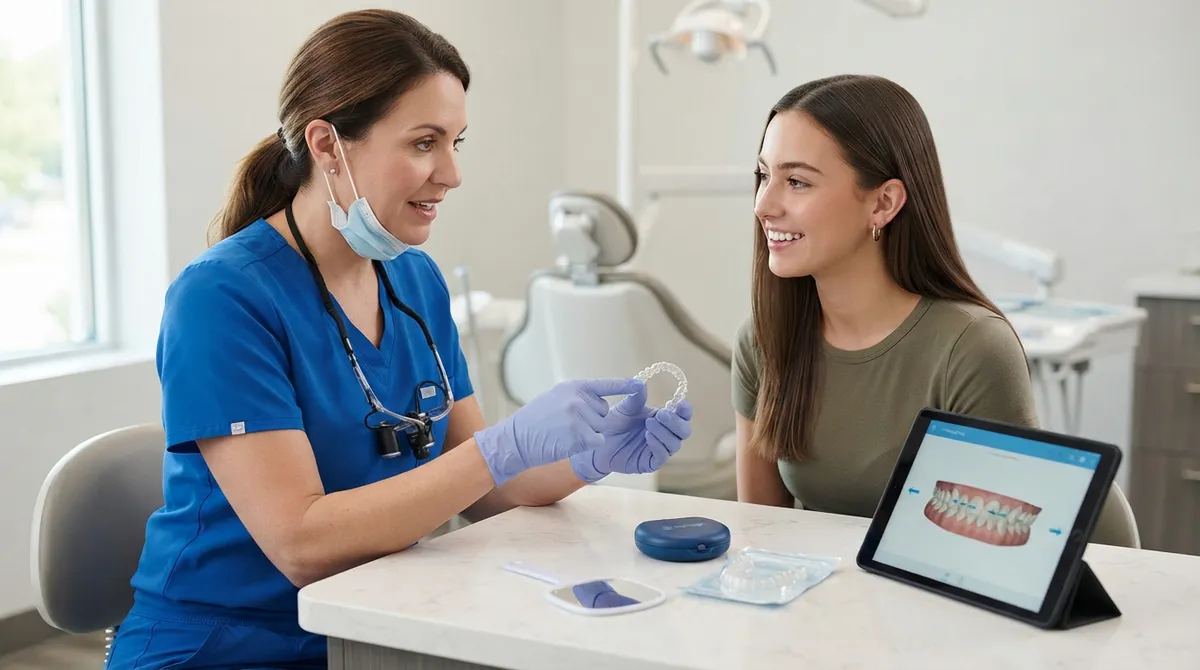
This is probably the biggest misunderstanding out there. Yes, some patients finish in about 6 months. But this short timeline only applies to specific situations. Invisalign’s own guidelines say this fast track is reserved for mild-to-moderate cases, meaning crowding or spacing issues up to 6mm and an overbite or overjet up to 6mm as well.
That 6-month estimate also assumes you’re switching to a new tray every single week without fail. If your case involves more complex movement, like fixing a significant bite issue or shifting several teeth into new positions, your timeline will look different. That’s not a bad thing. It just means your orthodontist is being realistic with you.
Believing this myth can lead to disappointment. Instead, think of the 6-month timeline as the fastest possible outcome, not the average one. A proper evaluation from a board-certified orthodontist gives you a number based on your actual mouth, not a marketing headline.
Myth 2: There’s One Standard Timeline for All Patients
Here’s a mistake we see often: patients hear a friend finished treatment in a year and expect the same for themselves. But orthodontic care isn’t one-size-fits-all. Your teeth, jaw structure, and treatment goals are unique to you.
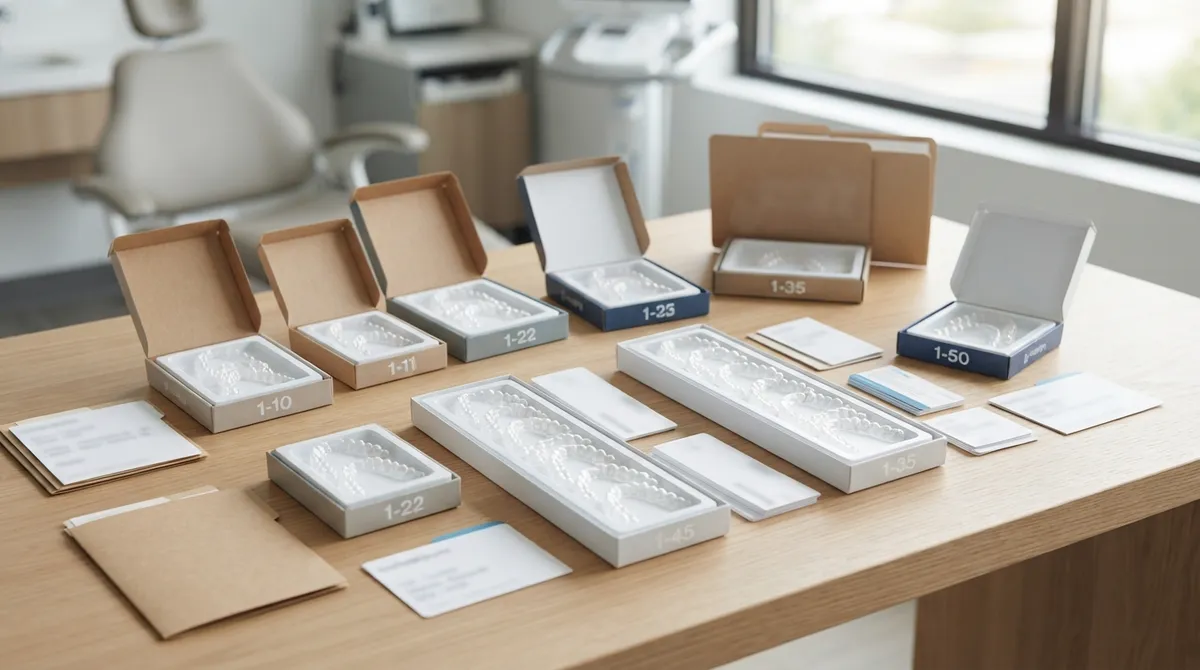
A commonly cited range for many patients is about 12 to 18 months. This works well as a general planning guide. But some patients with complex bite issues or heavy crowding may need 18 to 24 months, sometimes longer. Others with very minor corrections might finish sooner than average.
Several factors shape your personal timeline:
- How much your teeth need to move
- Whether you have bite issues like an overbite, underbite, or crossbite
- The number of aligner trays your treatment plan requires
- How consistently you wear your aligners each day
- Whether you need refinement trays near the end of treatment
If you’re curious about your own case, exploring clear aligners options with a professional is the only way to get a number that actually applies to you.
Myth 3: Wearing Your Aligners “Most of the Time” Is Good Enough
This myth causes more delays than almost anything else. Invisalign recommends wearing your aligners 20 to 22 hours a day. That means only removing them to eat, drink anything other than water, and brush your teeth.
Career-focused professionals sometimes fall into this trap. Between meetings, client lunches, and long workdays, it’s easy to leave aligners out longer than planned. But every missed hour adds up. When aligners aren’t worn enough, teeth don’t move as scheduled, and your treatment plan can stretch out much longer than expected.
Here’s a simple way to stay on track:
- Wear your aligners right after breakfast and don’t remove them until your next meal
- Keep a travel case with you so you’re never tempted to skip wearing them during errands
- Set phone reminders if you tend to forget after meals
- Brush and floss quickly after eating so you can pop your aligners back in sooner
- Bring your aligners to work events and remove them only briefly for eating
Staying consistent is one of the easiest ways to keep your treatment moving at the pace your orthodontist planned. If you’re new to adult orthodontics, building this habit early makes a big difference.
Myth 4: Refinements Mean Something Went Wrong
Many patients panic when their orthodontist mentions refinement aligners. Let’s clear this up: refinements are a completely normal part of many Invisalign journeys. They don’t mean your treatment failed.
Teeth don’t always move exactly as predicted, even with advanced digital planning. Refinement trays are simply an extra set of aligners used to fine-tune your results and make sure your bite and alignment are exactly right before you finish treatment.
Yes, refinements can add extra weeks or months to your overall treatment. But skipping this step to save time isn’t worth it. A rushed result today could mean relapse or discomfort later. If you’re an adult relapse patient trying to fix shifting from years ago, this step matters even more. Taking the time to get it right protects your investment in your smile.
Myth 5: A Study or Article Can Tell You Your Exact Timeline
It’s tempting to search online and expect one number to apply to your case. But studies vary widely. One study following 500 Invisalign patients reported an average treatment time of 22.8 months. That’s much longer than the commonly cited 12 to 18 month range you might read elsewhere.
Why the difference? Because every study looks at a different group of patients with different starting conditions. A 2024 systematic review comparing clear aligners to fixed braces even found no significant difference in treatment time between the two for mild-to-moderate crowding cases. These numbers are useful for understanding trends, but they can’t replace a real evaluation of your teeth.
The only way to get an accurate answer is through a professional consultation. During your first orthodontic visit, your provider will look at your bite, tooth position, and treatment goals before giving you a realistic timeline.
Comparing General Invisalign Timelines by Case Type
To help you get a general sense of what to expect, here’s a simple breakdown based on common case types. Remember, these are estimates only. Your orthodontist will give you a personalized plan.
| Case Type | Typical Timeline | Notes |
|---|---|---|
| Mild crowding or spacing | 6 to 12 months | Requires consistent daily wear |
| Moderate crowding or bite issues | 12 to 18 months | Most common range for many patients |
| Complex bite correction | 18 to 24 months or more | May include refinement trays |
| Refinement stage (if needed) | Additional 2 to 5 months | Fine-tunes final results |
Some patients also explore Invisalign alternative options, such as Angel Aligners, which use a unique wear schedule designed to help move teeth efficiently while keeping costs manageable.
What Actually Speeds Up Your Invisalign Timeline
Good news: you have more control over your timeline than you might think. Here are the habits that keep treatment moving smoothly:
- Wearing your aligners for the full recommended hours every single day
- Attending every scheduled check-in appointment
- Following your orthodontist’s tray-switching schedule exactly as instructed
- Telling your orthodontist right away if a tray feels loose or doesn’t fit properly
- Avoiding lost or damaged aligners by keeping them in their case when not worn
Life event planners preparing for a wedding or graduation often ask how to avoid delays. The answer is simple: consistency and communication with your orthodontic team. If your provider knows your target date early, they can build a plan that works toward it realistically.
Why Working With an Experienced Orthodontist Matters
Your treatment timeline depends heavily on the experience and technology behind your care. Dr. Flor Segovia is a board certified orthodontist who uses advanced orthodontic technology to plan treatment with precision. This kind of detailed planning helps avoid surprises and keeps your timeline as accurate as possible from day one.
Families juggling school schedules and sports often appreciate having flexible options too. Whether it’s traditional braces for a child or clear aligners for a busy teen, understanding types of braces and aligner systems helps you make the right choice for your household.
Curious what other patients experience? You can visit us on Google — Segovia Orthodontics to read real reviews from families and adults in Lakewood Ranch. You can also check out our Facebook page and our Instagram page for smile transformations and behind-the-scenes looks at treatment.
When to Ask Your Orthodontist About Your Timeline
Don’t be shy about asking questions. A good orthodontic team wants you informed every step of the way. Bring these questions to your next visit:
- Based on my case, what’s a realistic estimate for my treatment length?
- Will I likely need refinement aligners?
- How many total aligners will my treatment plan include?
- What happens if I miss a few days of wear?
- How often will I need check-in appointments?
These questions help set clear expectations from the start, so there are no surprises halfway through your journey. According to the American Board of Orthodontics, working with a board-certified specialist ensures you’re getting care built on rigorous training and clinical standards.
Ready to Get a Personalized Timeline?
The truth about Invisalign timelines is simple: no online article, ad, or friend’s experience can replace a real evaluation. Every smile is different, and your treatment plan should reflect that. Whether you’re a busy professional prepping for a big presentation season, a parent managing your teen’s schedule, or someone ready to fix relapse from years ago, getting an accurate answer starts with a conversation.
Our team at Segovia Orthodontics is here to walk you through every step, answer your questions, and build a plan around your life and goals. Ready to find out your real treatment timeline? Request an appointment today, or feel free to call us at 941-557-1333 to speak with our friendly team. We can’t wait to help you start your journey toward a smile you’ll love.
FAQs
Q: How long does Invisalign take on average?
A: Most patients fall somewhere between 12 and 18 months, though this really depends on your specific smile. Some folks with mild cases finish sooner, while more complex bites can take longer. The best way to know your number is a friendly chat with your orthodontist!
Q: Can Invisalign treatment really be completed in 6 months?
A: Yes, but only for select mild-to-moderate cases with minor crowding or spacing. It also requires wearing your aligners consistently and switching trays weekly. Your orthodontist can tell you honestly if you’re a good candidate for this faster timeline.
Q: What happens if I don’t wear my aligners enough each day?
A: Teeth need consistent pressure to move as planned, so skipping wear time can slow everything down. It might even require extra aligners to get back on track. The good news? Staying consistent is totally within your control, and small daily habits make a big difference.
Q: Do Invisalign refinements add extra time to treatment?
A: Sometimes, yes, but that’s completely normal and nothing to worry about. Refinements simply fine-tune your results so your smile ends up exactly right. Think of it as the finishing touch that makes your whole journey worth it.
Q: How long will I need to wear a retainer after Invisalign?
A: Most orthodontists recommend wearing a retainer full-time for a while, then switching to nights only. Retainers help protect all the hard work you put into your treatment. Your orthodontist will give you a personalized plan based on your results.
Our Service Area