Key Takeaways
-
Traditional braces with bite turbos remain the most reliable overbite treatment option because they provide constant gentle pressure and allow orthodontists precise control, especially for deep bites that require intrusion of front teeth.
-
Clear aligners can effectively treat mild to moderate overbites that are dental rather than skeletal in nature, making them ideal for adults and teens who need discreet treatment during work or school.
-
Timing is critical for children: the American Association of Orthodontists recommends an orthodontic evaluation by age 7 to catch developing overbites while jaw growth can still be guided using appliances like expanders or headgear.
-
Adults can successfully undergo overbite treatment at any age, with relapse correction being common for those who stopped wearing retainers after previous braces; severe skeletal cases may require jaw surgery combined with orthodontics.
-
Retainer compliance is essential after treatment completion, as teeth can drift back toward original positions within months without consistent wear, making retainer discipline just as important as the active treatment itself.
-
Deep overbites affect 15-36% of the population depending on severity definition, and untreated cases can cause serious long-term problems including excessive tooth wear, gum damage, and trauma to the roof of the mouth.
Ever caught yourself in a photo and noticed your upper teeth cover most of your lower ones? You’re not alone, friend. A deep overbite is one of the most common bite issues orthodontists see, and the good news is that overbite treatment has come a long way. Whether you’re a mom watching your child’s smile change, a professional wanting a quick fix before a big presentation, or an adult finally ready to correct something from years ago, there’s a path forward that fits your life.
At Segovia Orthodontics in Lakewood Ranch, we see families and individuals every week who want to understand their options before committing to anything. This guide breaks down five proven overbite treatment approaches, backed by real research, so you can walk into your consultation feeling confident and informed. Let’s get into it.
What Exactly Is an Overbite (And Why It Matters)
An overbite is simply how much your upper front teeth overlap your lower front teeth vertically. A little overlap is totally normal and healthy. But when that overlap gets too deep, dentists call it a deep bite, and it can cause real problems over time.
This is different from an overjet, which describes how far your upper teeth stick out horizontally, almost like buck teeth. People mix these two terms up all the time, so it’s worth knowing the difference. Your orthodontist will check both when planning your overbite treatment.
Here’s something that might surprise you: research shows overbite of at least 5mm shows up in roughly 15% to 20% of the population, according to a widely cited systematic review on deep-bite correction. Other studies put deep-bite prevalence anywhere from 11.8% to 36.7%, depending on how researchers define it and which population they study. A 2019 global review even found deep overbite in about 22% of permanent-teeth samples. The bottom line? This is a common concern, and you’re in good company.
Dental vs. Skeletal Causes
Not every deep bite comes from the same place. Some are dental, meaning the teeth themselves are positioned wrong. Others are skeletal, meaning the jaw bones grew in a way that creates the deep overlap. Many cases are a mix of both.
Causes can include:
- Genetics (jaw shape and growth patterns often run in families)
- Early loss of baby teeth, which shifts things around
- Certain oral habits during childhood, like thumb sucking
- Missing adult teeth that let others drift out of place
- Natural jaw growth direction as a child develops
Because the causes vary so much, your orthodontist needs to examine your specific bite before recommending overbite treatment. There’s no one-size-fits-all answer here.
1. Traditional Braces for Overbite Correction
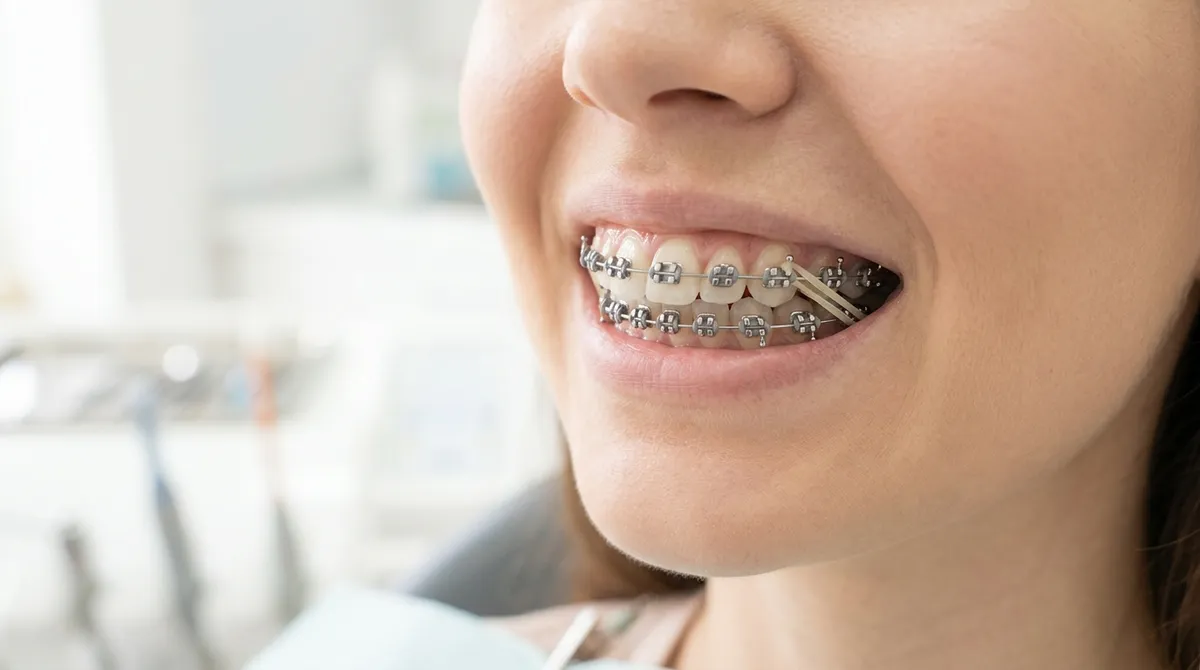
Braces remain one of the most reliable overbite treatment tools available. They work by gradually moving teeth into better positions using brackets, wires, and sometimes small appliances called bite turbos or bite planes.
Bite turbos are small platforms that stop the back teeth from touching too much while allowing the front teeth to settle into a healthier position. Combined with careful wire adjustments, orthodontists can intrude (push down less, or reposition) the front teeth or encourage the back teeth to grow into better alignment. It’s a bit like a gentle, guided reshaping over months.
For families considering types of braces, we also offer fun options like WildSmiles Braces, which let kids pick playful bracket shapes like stars, hearts, or even Mickey Mouse designs. When treatment feels exciting instead of scary, kids tend to brush better and stick with their plan. That matters a lot for younger patients working through overbite correction.
Why Braces Still Work So Well
Traditional metal and clear braces give orthodontists precise control over tooth movement, which is especially important for deep bites. Here’s what makes them effective:
- They allow constant, gentle pressure on teeth around the clock
- Bite turbos can be added directly to the braces without extra appliances
- Wire adjustments can be fine-tuned at every visit
- They work well for both growing kids and adults
- Treatment progress is easy to track visually at each appointment
Dr. Flor Segovia also offers LightForce Orthodontics, a fully digital, 3D-printed bracket system custom-fitted to each tooth. This technology can reduce treatment time by up to 45% and often uses clear or white brackets for a more discreet look, which is a huge plus for teens and image-conscious adults alike.
2. Clear Aligners for Milder Overbite Cases
If you’re picturing metal brackets and wires and already cringing, take a breath. Clear aligners can correct certain deep bites too, especially milder or moderate cases that are more dental in nature rather than skeletal.
Clear aligner systems use a series of custom trays that gradually shift teeth. Many modern systems now include features designed specifically for bite correction, not just spacing and crowding. At our practice, we offer clear aligners including Angel Aligners, which use a unique 7+3 wear schedule (seven days with a flexible tray, then three days with a firmer one) to help speed up tooth movement.
Angel Aligners also come with a frosted finish that reduces shine, so they’re less noticeable in photos or during video calls. For young professionals and career-focused adults who can’t have visible braces at work, this is often the deciding factor.
Who’s a Good Candidate for Aligners?
Clear aligners aren’t right for every overbite, but they work beautifully for many people. Good candidates typically have:
- A mild to moderate overbite without major skeletal involvement
- Good oral hygiene habits and discipline to wear trays 20+ hours a day
- Realistic expectations about timeline and outcome
- No significant jaw growth still happening (usually adults and older teens)
Not sure which route fits you best? Our team can walk you through braces versus clear aligners during your consultation and help you decide with confidence.
3. Growth-Focused Treatment for Kids and Teens
Here’s something every concerned parent should know: timing matters a lot with overbite treatment in children. Because kids are still growing, orthodontists can sometimes use that growth to their advantage.
Certain appliances, like palate expanders or headgear, may help guide jaw development in specific diagnosed cases. But it’s important to understand these tools aren’t a universal fix for every overbite. They’re selected carefully based on your child’s individual growth pattern and bite type.
The American Association of Orthodontists recommends kids see an orthodontist by age 7, even if nothing seems obviously wrong. This early check-in lets your orthodontist catch developing bite issues while there’s still room to guide growth. Learn more about early orthodontic treatment and what it involves.
Signs Your Child Might Need an Evaluation
As a parent, you don’t need to diagnose anything yourself. But keep an eye out for:
- Upper front teeth that seem to cover most of the lower teeth when biting down
- Lower teeth touching or biting into the roof of the mouth or gums
- Visible wear or flattening on the front teeth
- Complaints about jaw discomfort or clicking
- A noticeably small or receded chin appearance
If any of these sound familiar, it’s worth scheduling a visit. For busy moms juggling school schedules and after-school activities, we also offer flexible appointment times to make orthodontic care easier to fit into family life. Our teen orthodontic treatment options are designed with real teenage schedules in mind, too.
4. Adult Overbite Treatment and Relapse Correction
Think you missed your window for overbite treatment? Think again. Adults get orthodontic treatment successfully every single day, and age alone rarely rules out good results.
This is especially true for what we call relapse patients: adults who had braces years ago but didn’t wear their retainer consistently, and now their bite has shifted back. If this sounds like your story, you’re definitely not alone, and there’s no judgment here. Teeth move throughout life, and relapse is a normal part of that reality.
According to the American Association of Orthodontists, more adults are pursuing orthodontic treatment now than ever before, often choosing discreet options like clear aligners or tooth-colored braces. Our adult orthodontics programs are built around real adult schedules, meaning less time off work and more flexibility overall.
What Makes Adult Treatment Different
Adult jaws have finished growing, so treatment focuses purely on moving teeth and sometimes the jaw itself through surgery in more severe cases. Key differences include:
| Factor | Children/Teens | Adults |
|---|---|---|
| Jaw growth available | Yes, can be guided | No, growth is complete |
| Typical treatment focus | Teeth and jaw guidance | Teeth movement, sometimes surgery |
| Common appliance options | Expanders, braces, headgear | Braces, clear aligners, retainers |
| Retainer importance | High | Very high (prevents relapse) |
For adults dealing with a severe skeletal deep bite, treatment combined with orthognathic (jaw) surgery may be recommended. This is reserved for select cases where the jaw bone discrepancy is significant, not a routine step for most patients.
5. Retainers and Long-Term Bite Maintenance
Here’s a truth nobody loves hearing but everyone needs to know: overbite treatment doesn’t end when your braces come off or your last aligner tray is finished. Retainers are the unsung heroes that keep your new bite exactly where it belongs.
Without consistent retainer wear, teeth can drift back toward their old positions, sometimes within just months. That’s exactly how so many of our adult relapse patients end up back in our chairs years later. Our orthodontic retainers are custom-made to fit your finished smile and are designed for comfortable, long-term wear.
Simple Retainer Habits That Protect Your Investment
Good retainer habits don’t have to be complicated. Try these simple steps:
- Wear your retainer exactly as instructed, especially during the first year
- Clean it daily with a soft brush and mild soap or retainer cleaner
- Keep it in its case when not in your mouth to avoid loss or damage
- Bring it to follow-up appointments so your orthodontist can check the fit
- Replace it promptly if it cracks, warps, or stops fitting well
A pronounced, untreated deep bite can lead to real problems down the road, including excessive tooth wear, gum irritation, and even trauma to the roof of the mouth. That’s part of why finishing treatment properly, retainer included, matters so much for your long-term oral health.
Choosing the Right Overbite Treatment for Your Life
So how do you actually pick the right path? It comes down to a few honest questions: How severe is the overbite? Is it dental, skeletal, or both? What’s your age and growth stage? And realistically, what fits your lifestyle and budget?
We know orthodontic care is an investment, which is why we offer orthodontic financing options designed to make treatment accessible for families and individuals alike. Dr. Flor Segovia, a board-certified orthodontist, provides bilingual care in English and Spanish, and uses advanced technology to create treatment plans tailored specifically to you. You can read more about her approach on our orthodontist Flor Segovia page.
Curious what other patients think? Check out our Facebook page for community updates and patient stories, or follow along on our Instagram page for behind-the-scenes looks at real smile transformations. You can also visit us on Google — Segovia Orthodontics to see what our Lakewood Ranch patients are saying firsthand.
Ready to Start Your Overbite Treatment Journey
A deep overbite doesn’t have to be something you just live with. Whether you’re guiding your child through their first orthodontic evaluation, exploring discreet aligners before a big life event, or finally correcting relapse from years ago, there’s a treatment plan that fits your unique smile and schedule. Every case is different, which is exactly why a personal evaluation from a qualified orthodontist matters so much, and why organizations like the American Board of Orthodontics emphasize individualized care over generic solutions.
We’d love to meet you and your family, answer your questions, and map out a plan that actually works for your life. Ready to take the next step? Request an appointment today, or feel free to contact us with any questions you have. You can also call us at 941-557-1333 to speak with our friendly Lakewood Ranch team directly. Your best smile is closer than you think.
FAQs
Q: What is the difference between an overbite and an overjet?
A: Great question, and one we hear all the time! An overbite is the vertical overlap of your upper front teeth over your lower ones, while an overjet describes how far your upper teeth stick out horizontally, like buck teeth. Your orthodontist will look at both when creating your overbite treatment plan, since many patients actually have a bit of each.
Q: Can braces fix an overbite in adults?
A: Absolutely, and we see it happen successfully all the time! Adult jaws have finished growing, so treatment focuses on repositioning teeth through braces or aligners, and in select severe skeletal cases, jaw surgery may be recommended alongside orthodontics. Age really isn’t the barrier many people assume it is.
Q: How long does overbite treatment usually take?
A: It really depends on how deep the bite is and whether the cause is dental, skeletal, or a mix of both. Many patients see meaningful progress within 12 to 24 months, though milder cases with clear aligners can sometimes move faster. Your orthodontist can give you a personalized timeline after a full evaluation.
Q: Does a child’s overbite need treatment, and when should they see an orthodontist?
A: Not every overbite needs immediate treatment, but it’s smart to get it checked early. The American Association of Orthodontists recommends a first orthodontic visit by age 7, so growth patterns can be monitored while there’s still time to guide development if needed.
Q: Can an untreated deep bite damage teeth or gums?
A: Unfortunately, yes, a pronounced deep bite left untreated can lead to excessive tooth wear and even irritation or trauma to the gums and roof of the mouth. That’s one big reason we encourage patients not to skip evaluations, even if the bite doesn’t feel painful right now.
Our Service Area