Key Takeaways
-
Wear a custom-fitted mouthguard specifically designed for braces with extra cushioning and trough shape, never standard mouthguards which can damage brackets and cause cuts to cheeks during sports.
-
High-contact sports like football, basketball, hockey, and wrestling require mandatory mouthguard use, while lower-risk activities like tennis and track are safer but still benefit from protective gear.
-
Keep aligners in during sports and wear a mouthguard over them; check for loose brackets or sharp wires after activity and apply orthodontic wax to prevent irritation.
-
Inform coaches and teammates about braces so they can modify rough drills if needed and respond quickly if minor injuries occur during practice or games.
So your kid just got braces, and the first question out of their mouth wasn’t “what can I eat?” It was “can I still play soccer this weekend?” Sound familiar? Whether you’re a parent watching your teen gear up for football season, or an adult athlete starting Invisalign before your next tennis match, this question comes up constantly. The good news? Yes, you can absolutely play sports with braces. The better news? With a few smart precautions, you can play safely, confidently, and without worrying about damaging your smile or your appliances.
At Segovia Orthodontics, we hear this question every single week from families across Lakewood Ranch. Parents want their kids active and involved. Busy professionals don’t want treatment to slow down their weekend basketball league. And honestly, we love that our patients want to stay active! Let’s walk through exactly what you need to know to keep smiling, scoring, and protecting your investment in your smile.

Can You Play Sports With Braces? The Short Answer
Yes. Orthodontists everywhere agree that patients of all ages can keep playing their favorite sports during treatment. Modern types of braces are built tough. They’re designed to handle daily wear, chewing, and yes, even athletic activity.
That said, sports do carry some risk of a bump, elbow, or ball to the face. This is where a little preparation goes a long way. The single most important step you can take is wearing a properly fitted mouthguard. Let’s break down exactly how to do this right, so you can avoid the common mistakes we see athletes make.
Mistake 1: Skipping the Custom Mouthguard
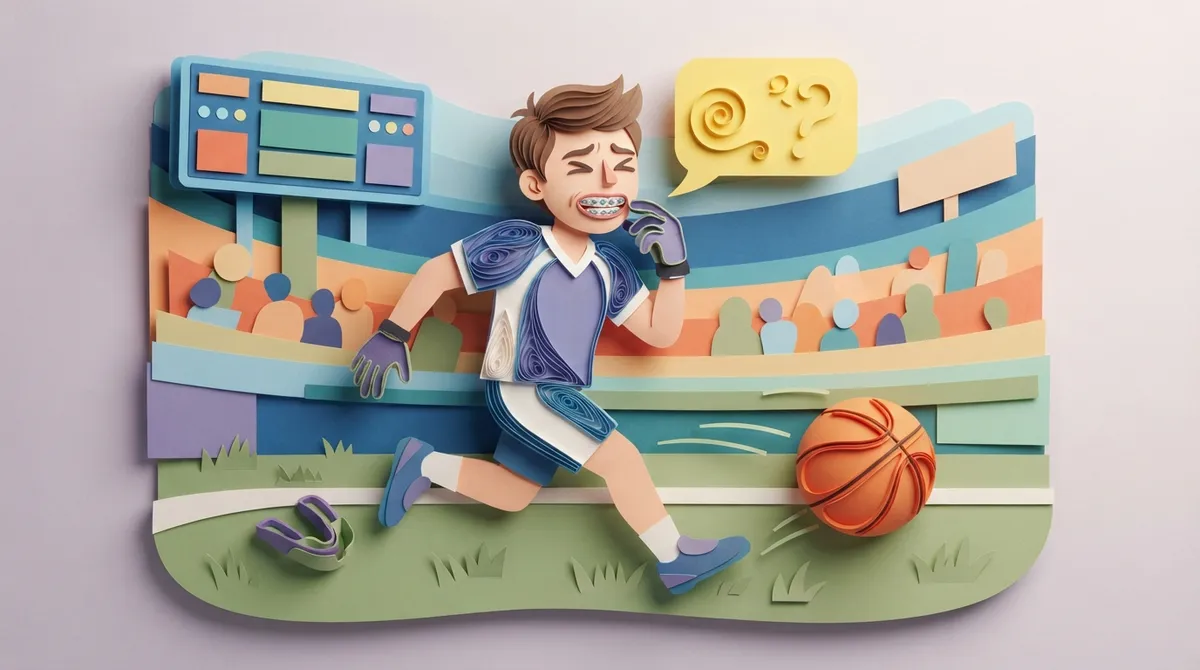
This is the biggest mistake we see, hands down. Many athletes assume any old mouthguard from the sporting goods store will work. It won’t, not with braces in the picture.
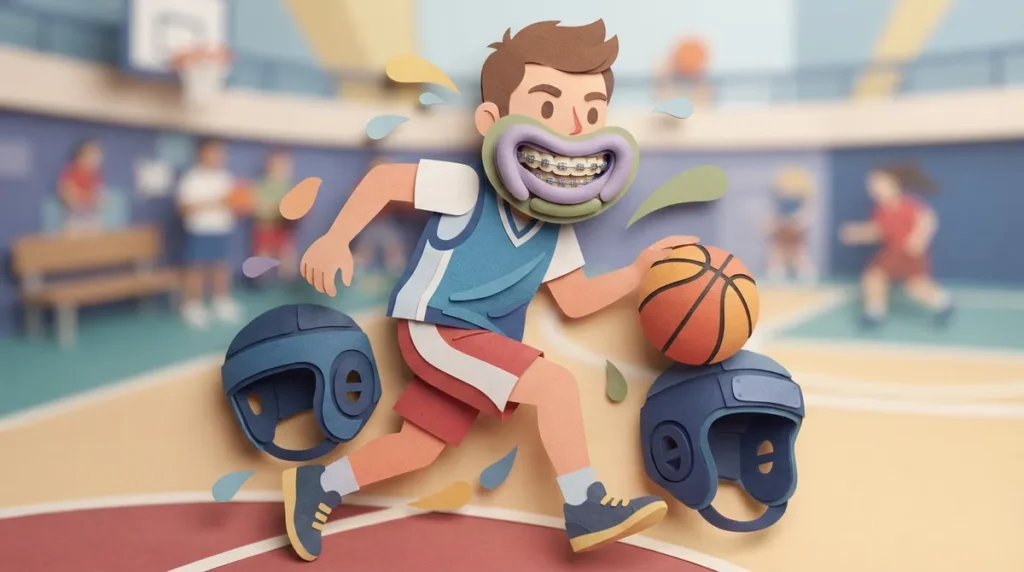
Standard mouthguards are molded for smooth teeth. They don’t leave room for brackets and wires. This means they can press painfully into your braces, cause cuts inside your cheeks, or even pop the brackets loose. A mouthguard made specifically for braces has extra cushioning and a trough shape that fits comfortably over your appliances.
- Custom-fitted mouthguards from your orthodontist offer the best protection and comfort
- Boil-and-bite versions labeled “for braces” are a solid backup option
- Standard, thin mouthguards should be avoided entirely during treatment
- Replace your mouthguard as your teeth shift throughout treatment
If you’re not sure which mouthguard is right for your child’s teen orthodontic treatment, just ask us at your next visit. We’re happy to point you in the right direction.
Mistake 2: Assuming All Sports Carry the Same Risk
Not every sport puts your braces at equal risk. Knowing where your activity falls on the risk scale helps you decide how much protective gear you actually need.
High-Contact Sports That Need Extra Protection
These sports involve a much higher chance of getting hit in the face by an elbow, ball, stick, or another player. A mouthguard is non-negotiable here.
- Football
- Basketball
- Hockey
- Rugby
- Lacrosse
- Wrestling and martial arts
- Boxing
Research shows these high-risk activities carry a significantly greater chance of facial impact, making mouthguards absolutely essential rather than optional.
Lower-Risk Sports and Activities
These activities are generally much gentler on your smile, though a mouthguard is still smart in certain situations.
- Swimming and diving
- Track and field
- Tennis and golf
- Weightlifting and gym workouts
- Cross country running
- Cheerleading (though tumbling routines may warrant extra caution)
Even in these lower-risk activities, accidents happen. A stray tennis ball or a fall during a track meet can still cause damage. When in doubt, wear the mouthguard.
Mistake 3: Forgetting About Clear Aligners During Games
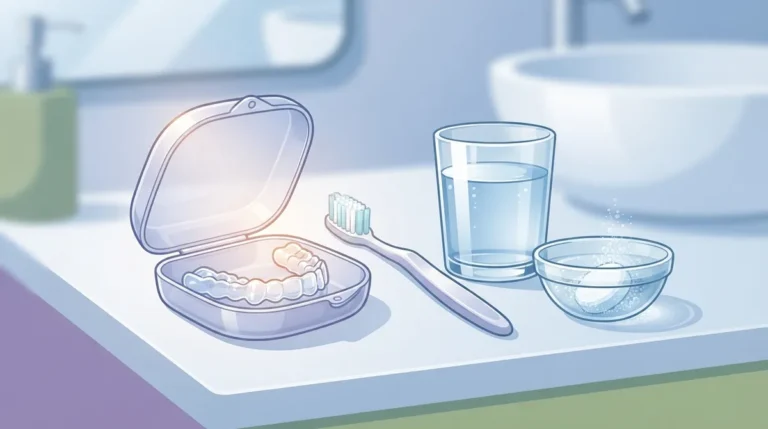
If your teen or you are wearing clear aligners like Angel Aligners instead of traditional braces, the rules shift slightly. Generally, aligners should stay in during sports. Removing them and forgetting to put them back in can seriously delay your treatment timeline.
For contact sports, simply wear a mouthguard over your aligners, just as you would with braces. Angel Aligners are designed with comfort in mind, using flexible, self-adaptive materials that reduce irritation to gums and cheeks, which makes wearing a mouthguard on top a much more comfortable experience than with some other aligner brands.
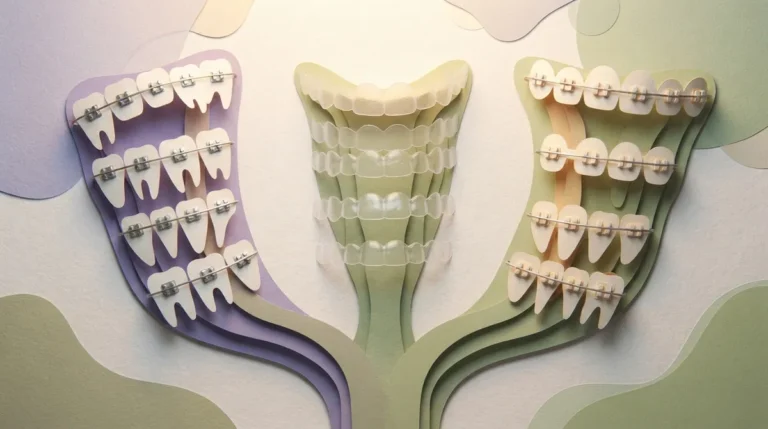
Here’s a quick comparison to help you decide on protection depending on your treatment type:
| Treatment Type | Mouthguard Needed? | Special Notes |
|---|---|---|
| Traditional Metal Braces | Yes, always for contact sports | Must have a trough for brackets and wires |
| WildSmiles Braces | Yes, always for contact sports | Same fitting rules as traditional braces |
| LightForce Braces | Yes, always for contact sports | Custom brackets still require a properly fitted guard |
| Angel Aligners | Yes, for high-contact sports | Keep aligners in, add mouthguard on top |
| Low-Contact Sports (any treatment) | Recommended but flexible | Still wise for added safety |
Mistake 4: Ignoring Sharp Edges and Loose Brackets
Even with the best mouthguard, wires and brackets can sometimes poke or feel loose after a tough practice or game. Ignoring these small issues can lead to bigger problems down the road.
- Check your mouth for sharp or poking wires right after activity
- Apply orthodontic wax over any sharp edges before your next game
- Gently feel each bracket to see if anything feels loose or shifted
- Call our office promptly if you notice damage, don’t wait it out
- Keep a small emergency kit with wax and a spare mouthguard in your sports bag
Orthodontic wax is a game-changer here. It’s inexpensive, easy to apply, and can prevent painful irritation during practice or competition. If something feels seriously wrong, our orthodontic emergency guidance can walk you through next steps until you can get in to see us.
Mistake 5: Not Communicating With Coaches and Teammates
This one’s easy to overlook, but it matters. Coaches who know a player has braces can adjust certain drills, especially high-contact ones, or simply keep a closer eye out for facial injuries.
- Let coaches know your child is currently in orthodontic treatment
- Ask about modifying particularly rough drills when possible
- Encourage teammates to be mindful during close-contact play
- Keep your orthodontist’s contact information handy for the coaching staff
A quick conversation before the season starts can prevent a lot of stress later. It also helps everyone respond quickly and calmly if a minor injury does happen.
What Modern Orthodontic Technology Means for Athletes
Today’s orthodontic appliances are more durable and comfortable than ever. At Segovia Orthodontics, Dr. Flor Segovia uses advanced orthodontic technology to design treatment plans that fit real, active lifestyles. Whether your athlete needs WildSmiles Braces with fun, custom shapes or the precision of LightForce Orthodontics, both options are engineered to hold up during normal daily wear, including sports.
LightForce brackets, for example, are custom 3D printed to fit each tooth precisely, which can actually mean fewer loose brackets overall compared to generic, one-size-fits-all options. That’s a real win for busy young athletes juggling practice, games, and everything in between.
Quick Checklist Before Every Game
Print this out and stick it on the fridge, or just remember these five simple steps before every practice or game day:
- Grab your custom-fitted, braces-friendly mouthguard
- Do a quick check for any loose or sharp brackets
- Apply wax to any spot that feels rough or pokey
- Pack a small emergency kit in your sports bag
- Rinse and inspect your mouthguard after the game
Following this simple routine takes less than five minutes but can save you from a painful surprise mid-game.
Why Choose Segovia Orthodontics for Active Families
We know Lakewood Ranch families are busy, active, and always on the go between practices, games, and everything else. That’s exactly why our team designs treatment plans around real life, not the other way around. From early orthodontic treatment for younger kids to flexible adult orthodontics for parents and professionals, we make sure sports and treatment can coexist happily.
Curious what other families in our community are saying? Feel free to visit us on Google — Segovia Orthodontics to read real reviews from patients just like you. You can also check out our Facebook page or follow along on our Instagram page for tips, smile transformations, and community updates. For broader guidance on orthodontic safety standards, the American Board of Orthodontics offers excellent resources for patients and parents alike.
Ready to Keep Playing and Smiling?
Braces and sports absolutely can go together. With the right mouthguard, a little extra care, and open communication with your coach, your athlete can stay fully in the game while their smile transforms behind the scenes. Don’t let worry about braces keep your family off the field, court, or track this season.
If you have questions about protecting your smile during sports, or you’re ready to start treatment with a team that gets active lifestyles, request an appointment with us today. You can also contact us with any questions, or simply call us at 941-557-1333 to speak with our friendly Lakewood Ranch team. We can’t wait to help your family score a winning smile!
FAQs
Q: Do I need a special mouthguard for playing sports with braces?
A: Yes, you really do! Standard mouthguards don’t leave room for brackets and wires, so they can cause discomfort or even damage. Look for a mouthguard specifically designed for braces, with extra cushioning and a trough shape, and your orthodontist can help you find the perfect fit.
Q: Can I play football with braces?
A: Absolutely, football is totally fine with braces as long as you wear a properly fitted mouthguard every single time. Football is a high-contact sport, so this extra layer of protection is essential to keep your teeth and brackets safe from impact.
Q: Is it safe to play basketball with braces?
A: Yes, basketball is safe to play with braces! Since elbows and stray balls are common on the court, we always recommend a braces-friendly mouthguard to prevent any accidental bumps from causing injury or damage.
Q: Should I take out Invisalign or Angel Aligners before playing sports?
A: Generally, no, you should keep your aligners in during sports and simply wear a mouthguard over them for contact activities. This keeps your treatment on track while still protecting your smile during the game.
Q: What should I do if my braces get loose during a game?
A: Stay calm, it happens sometimes! Apply a bit of orthodontic wax to any sharp or poking areas for comfort, then give our office a call so we can get you in and fix things up quickly.
Our Service Area