Key Takeaways
-
First orthodontic check-up is recommended by age 7 to catch early jaw and bite issues while growth is still occurring, though most children won't need immediate treatment at that age.
-
Clear aligners suit mild-to-moderate cases and busy adults needing discretion, while traditional braces work better for complex bite issues and require lower compliance than aligners' 20-22 hour daily wear requirement.
-
Most orthodontic treatment takes 18-24 months on average with adjustment visits every 6-8 weeks; modern options like LightForce braces can reduce treatment time by up to 45% compared to traditional braces.
-
Poor oral hygiene during treatment causes permanent enamel damage like decalcification, so brush after meals around brackets, use interdental brushes, and maintain regular dental cleanings alongside orthodontic visits.
-
Retainer wear is essential long-term because teeth naturally shift throughout life even after braces come off, and skipping retention is why many adults experience relapse requiring retreatment.
-
Seek immediate orthodontist contact for severe pain lasting over a week, facial swelling, loose brackets, broken wires, or retainers that suddenly don't fit to prevent extended treatment and compromised results.
Got a head full of orthodontics questions and no idea where to start? You’re not alone, and that’s a good thing to admit. Whether you’re a mom wondering if your seven-year-old needs braces, a busy professional dreaming of a discreet smile fix, or an adult who lost their retainer years ago and now sees teeth drifting back, this guide is for you. We’ll walk through the six biggest orthodontics questions patients ask, using real, current guidance so you can feel confident about your next step.
At Segovia Orthodontics in Lakewood Ranch, we hear these same questions every single day. Dr. Flor Segovia and her team believe good answers build trust, and trust builds healthier, happier smiles. So let’s dig into what really matters when it comes to braces, aligners, timing, cost, and everything in between.
1. At What Age Should Kids First See an Orthodontist?
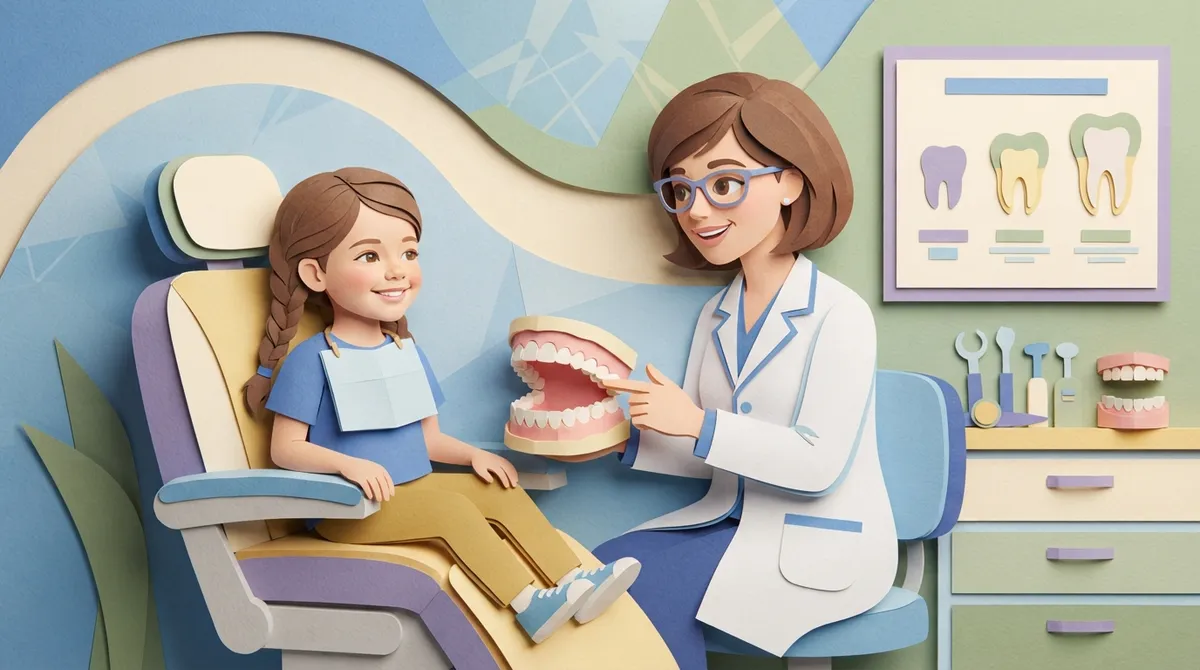
Here’s a fact that surprises a lot of parents: the American Board of Orthodontics and the American Association of Orthodontists both recommend a first orthodontic check-up by age 7. This doesn’t mean your child needs braces right away. It just means an orthodontist can spot early issues while jaws are still growing.
This early visit checks for:
- Crowding or extra space between teeth
- Jaw growth patterns and bite alignment
- Early signs of crossbite, overbite, or underbite
- Whether a phase of early treatment could help later results
If you’re a concerned mom juggling soccer practice and school pickups, know this: most kids at age 7 won’t need treatment yet. But that visit gives you a roadmap. Learn more about what to expect during a first orthodontic visit, and if your child shows signs sooner, check out our guide on early orthodontic treatment.
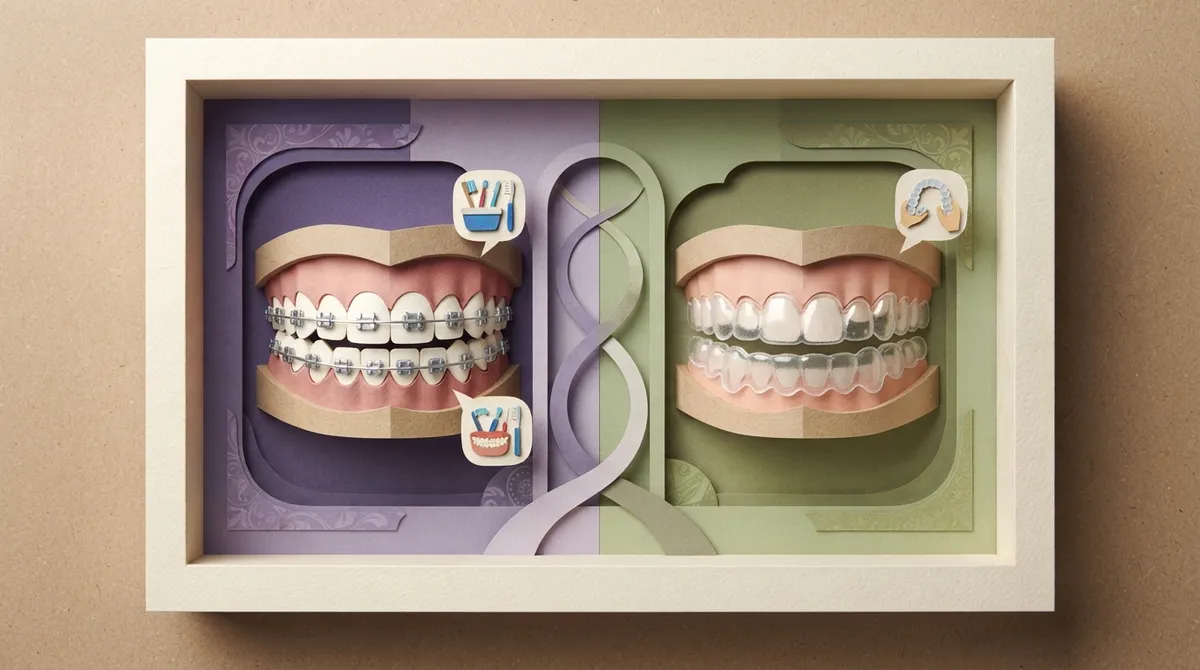
2. Braces or Clear Aligners: Which One Actually Fits Your Life?
This might be the single most common orthodontics question we hear from young professionals and career-focused adults. Both options move teeth, but they work differently and fit different lifestyles.
| Feature | Traditional Braces | Clear Aligners |
|---|---|---|
| Visibility | Visible brackets and wires | Nearly invisible trays |
| Removable? | No, fixed to teeth | Yes, removable for eating |
| Best for | Complex bite issues, kids, teens | Mild to moderate cases, busy adults |
| Compliance needed | Low (fixed appliance) | High (must wear 20-22 hrs/day) |
| Fun customization | Yes, with WildSmiles shapes | Limited |
If you love the idea of a smile transformation without anyone noticing, clear aligners like clear aligners or Angel Aligners might be your best fit. Angel Aligners use a smart AI-driven plan and a flexible wear schedule that can speed up movement while keeping costs friendlier than some premium brands. But if your case involves serious crowding or bite correction, traditional braces might actually get you there faster and more predictably. Curious which wins for your situation? Read our full comparison on braces vs. clear aligners.
For kids and teens who want braces that feel less like a chore, WildSmiles braces offer fun shapes like stars, hearts, and even Mickey Mouse brackets. When treatment feels exciting, patients brush better and stay motivated.
3. How Long Will Treatment Actually Take?
This is where a lot of misinformation floats around online. According to NHS patient guidance, most orthodontic treatment takes somewhere between 6 and 30 months, with many cases landing around 18 to 24 months on average. Your exact timeline depends on:
- How complex your bite or crowding issue is
- Whether you’re using braces or aligners
- How consistently you wear aligners or keep appointments
- Whether appliances break or get damaged along the way
- Your body’s natural response to tooth movement
Adjustment visits are typically scheduled every 6 to 8 weeks and usually last only 20 to 30 minutes. That’s roughly 20 visits over a full course of treatment. This is one reason busy professionals love modern options like LightForce Orthodontics, which uses 3D-printed, custom-fitted brackets that can cut treatment time by up to 45% compared to traditional one-size-fits-all braces.
4. Will Braces Hurt, and How Do I Handle Soreness?
Let’s be honest: some soreness is normal, and there’s no shame in feeling it. Most patients experience mild discomfort for about 3 to 5 days after braces are placed or tightened. This is your teeth adjusting to gentle, steady pressure.
Here’s how to manage it comfortably:
- Stick to soft foods for the first few days
- Use over-the-counter pain relief as recommended by your orthodontist
- Rinse with warm salt water to soothe gums
- Apply orthodontic wax over any irritating brackets or wires
- Avoid poking at wires or brackets with your fingers or tongue
If pain feels severe, doesn’t improve after a week, or you notice swelling, that’s not normal soreness. That’s the time to reach out. If something breaks unexpectedly, our page on orthodontic emergencies walks you through exactly what to do until you can get seen.
5. How Do I Take Care of My Teeth During Treatment?
This orthodontics question matters more than people realize. Poor hygiene during treatment can lead to plaque buildup, gum swelling, cavities, and even permanent white or brown spots on your enamel called decalcification. Nobody wants straight teeth with new stains to match.
Follow these daily habits for a healthier outcome:
- Brush after every meal, angling the brush to clean around brackets
- Use interdental brushes or floss threaders to clean between wires
- Rinse with fluoride mouthwash to strengthen enamel
- Avoid sticky, hard, or overly sugary foods
- Limit soda and acidic drinks that weaken enamel
- Keep up with regular dental cleanings alongside orthodontic visits
Fun fact: WildSmiles brackets are actually designed to make hygiene checks easier. If you can clearly see the bracket shape after brushing, that’s a good sign you’ve cleaned thoroughly. It’s a small trick that makes brushing feel like less of a guessing game, especially for kids.
Your orthodontist works as a team with your general dentist, not instead of them. Routine dental exams and cleanings remain essential throughout treatment, so don’t skip those appointments just because you’re seeing an orthodontist too.
6. What Happens After Braces Come Off, and Do I Really Need a Retainer Forever?
Here’s the orthodontics question that adult relapse patients wish someone had explained better the first time around. Retention is not optional. It’s a required phase, and skipping it is exactly why so many adults end up back in treatment years later.
According to NHS England guidance, the ligaments holding your teeth in place take about 18 months to fully reorganize after braces come off. But even after that, your teeth can shift naturally throughout life due to aging, growth, and everyday habits. That’s why many orthodontists recommend long-term or even lifelong retainer wear, at least part-time, to protect your results.
If you’re one of the many adults who wore braces as a teen but stopped wearing your retainer and watched your smile slowly shift back, you’re in good company. The good news is that adult orthodontics today is faster and more discreet than ever, and treating relapse is often quicker than your original treatment. Custom orthodontic retainers are the safety net that keeps your investment protected for good.
Common Risks and When to Call Your Orthodontist
Orthodontic treatment is safe for the vast majority of patients, but it’s fair to understand the possibilities. Potential risks include enamel decalcification, gum irritation, minor root shortening, and appliance-related injuries. Serious complications are uncommon, and your orthodontist should walk you through your personal risk factors before treatment begins.
Call your orthodontic office promptly if you experience:
- Severe or persistent pain that doesn’t ease up
- Facial swelling or signs of infection
- A loose bracket, broken wire, or cracked aligner
- Trauma to the mouth or face during treatment
- A retainer that suddenly doesn’t fit right
Waiting too long to address these issues can extend your treatment time or affect your final results. It’s always better to check in than to guess.
Why Working With a Trusted Orthodontist Matters
With so many mail-order aligner companies popping up online, it’s tempting to skip the in-person visits altogether. But orthodontics questions deserve real answers from someone who can actually examine your teeth, jaw, and bite in person. A board-certified orthodontist like Dr. Flor Segovia combines hands-on expertise with advanced orthodontic technology to build a plan made specifically for you, not a generic algorithm.
Dr. Segovia is proud to offer bilingual care in English and Spanish, creating a warm, welcoming space for families throughout Lakewood Ranch. Whether you’re planning ahead for a wedding, graduation, or simply want to feel more confident in daily life, having a real relationship with your orthodontist makes all the difference. Learn more about her background on our orthodontist Flor Segovia page, or explore why credentials matter on our board certified orthodontist page.
Want to see what real patients say about their experience? Check out our Facebook page for smile transformations, or follow along on our Instagram page for behind-the-scenes moments from our Lakewood Ranch office. You can also visit us on Google — Segovia Orthodontics to read reviews straight from families just like yours.
Ready to Get Your Orthodontics Questions Answered?
You deserve clear, honest answers about your smile, not guesswork from a forum or a mail-order kit. Whether you’re exploring options for your child, considering discreet aligners before a big event, or finally ready to fix relapse from years ago, our friendly Lakewood Ranch team is here to help. Feel free to contact us with any questions, or go ahead and request an appointment to get started. Prefer to talk it through first? Just call us at 941-557-1333 and we’ll walk you through your best next step, together.
FAQs
Q: At what age should my child first see an orthodontist?
A: The American Association of Orthodontists recommends a first check-up by age 7. Don’t worry, this doesn’t mean braces right away! It just gives your orthodontist a chance to catch any early bite or jaw issues while there’s still time to guide growth naturally.
Q: How do I know if I need braces or clear aligners?
A: It really depends on your case and lifestyle. Mild to moderate crowding often works great with clear aligners, while more complex bite issues may need traditional braces. The best way to know for sure is a personalized consultation where we can look at your smile up close.
Q: Are braces painful?
A: Most people feel some soreness for about 3 to 5 days after braces go on or get tightened, and that’s completely normal. A little wax, warm salt water rinses, and soft foods usually make those first few days much more comfortable.
Q: Do I really need to wear my retainer forever?
A: Pretty much, yes, at least part-time! Teeth naturally want to drift over time, even years after treatment ends. Wearing your retainer as directed is the easiest way to protect all the hard work you put into your new smile.
Q: What should I do if my braces or aligner breaks?
A: Don’t panic, this happens more often than you’d think! Cover any sharp edges with orthodontic wax and give our office a call right away so we can get you back on track quickly and keep your treatment moving smoothly.
Our Service Area