Key Takeaways
-
Schedule your child's first orthodontic evaluation by age 7, as recommended by the American Association of Orthodontists, to catch developing issues early while jaw growth can still be guided.
-
Comprehensive braces typically start between ages 11-16 when most permanent teeth have erupted, with treatment lasting 12-30 months depending on complexity and adherence to care instructions.
-
Choose from modern braces options including traditional metal braces, fun WildSmiles designs for younger kids, LightForce digital braces for up to 45% faster treatment, or clear aligners for responsible teens.
-
Support treatment success by establishing daily habits: brush around brackets morning and night, use floss threaders, limit sticky foods, wear rubber bands as instructed, and keep all appointments.
-
Select a board-certified orthodontist who uses modern technology, communicates clearly, and offers flexible financing options that fit your family's budget without pressure.
-
Phase 1 early treatment guides jaw growth and makes room for permanent teeth, while Phase 2 comprehensive treatment is the full braces experience—not all children need both phases.
Wondering if your child needs braces? You’re definitely not alone. Every week, parents across Bradenton and Lakewood Ranch ask the same question: “When is the right time to bring my kid in for a check?” The good news is that pediatric orthodontics has come a long way, and getting answers doesn’t have to feel overwhelming. Whether you’re noticing crowded teeth, a funny bite, or your dentist mentioned something worth checking out, this guide will walk you through everything you need to know.
Think of this as your friendly cheat sheet for pediatric braces in Bradenton. We’ll cover when to start, what treatment actually looks like, and how to pick a provider your whole family will love. Grab a cup of coffee, and let’s get into it together.
1. Know When Your Child Should Get Their First Orthodontic Check
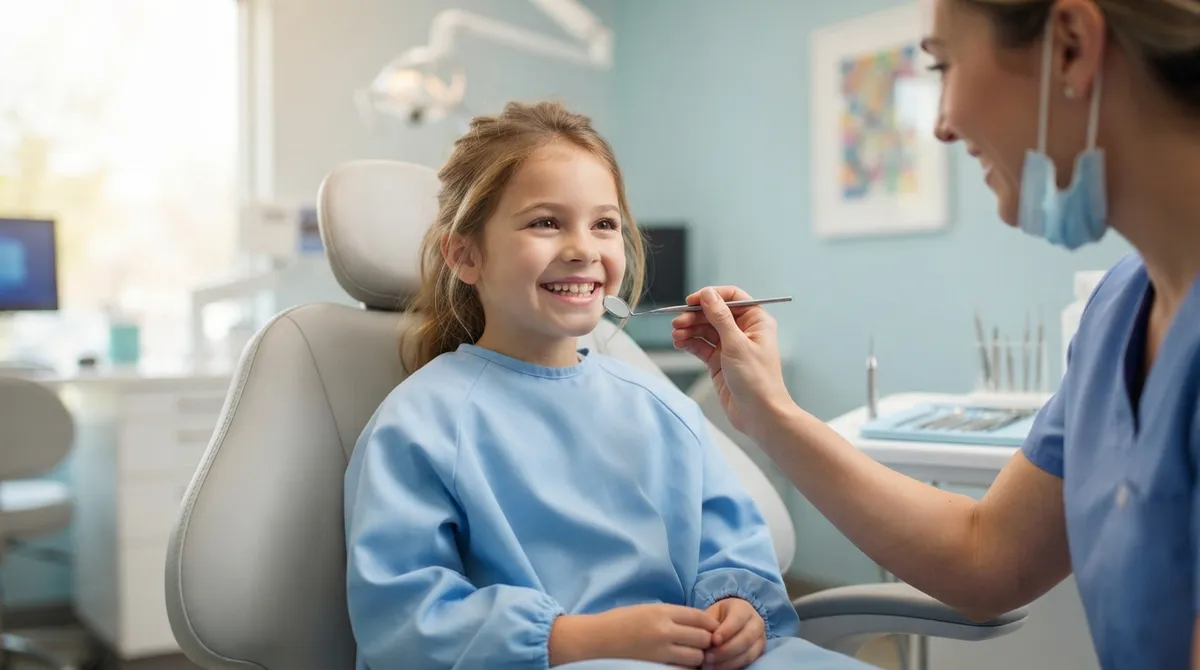
Here’s a fact that surprises a lot of parents: the American Association of Orthodontists recommends kids get their first orthodontic evaluation by age 7. That might sound early, especially if your child still has plenty of baby teeth. But this checkup isn’t about jumping straight into braces.
At age 7, a child’s jaw is still growing, and permanent teeth are starting to come in. This gives an orthodontist a great window to spot problems early. Things like crowding, crossbites, or unusual jaw growth are much easier to manage when caught sooner rather than later.
If your dentist or a family member has mentioned a concern before age 7, don’t wait. Book an evaluation sooner. Early screening never hurts, and it often puts a parent’s mind at ease.
What Happens During This First Visit
A first evaluation is simple and stress-free. The orthodontist will look at how your child’s teeth are coming in, check their bite, and watch for habits like thumb-sucking that can affect tooth alignment. In many cases, the answer is simply “let’s keep watching and check back in a year.” That’s a perfectly normal outcome, and it doesn’t mean anything is wrong.
2. Understand the Difference Between Early Treatment and Comprehensive Braces
This is where things can get a little confusing, so let’s break it down in plain terms.
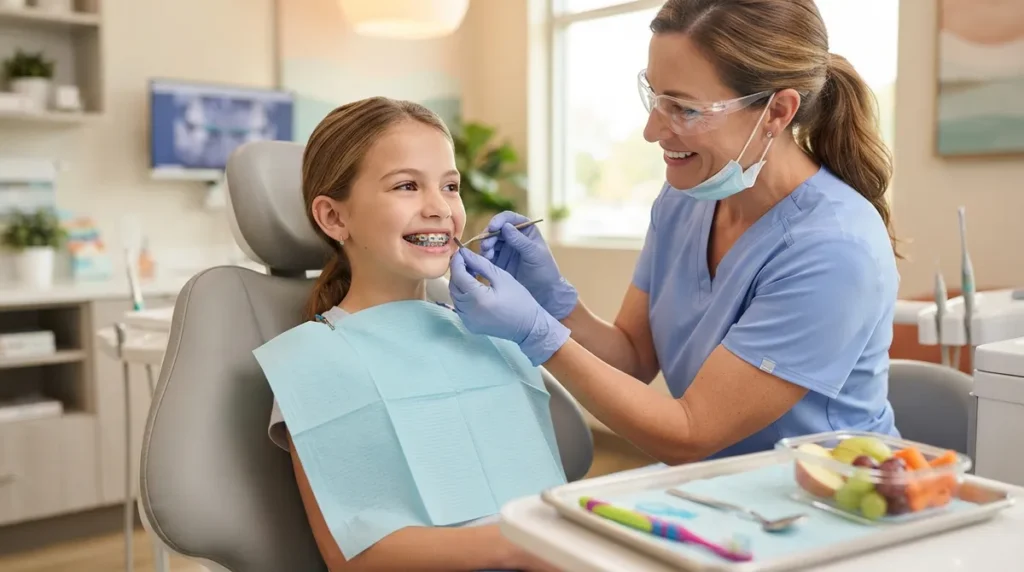
- Phase 1 (Early/Interceptive Treatment): This happens while your child still has some baby teeth. It’s used to guide jaw growth, fix crossbites, or make room for permanent teeth coming in.
- Phase 2 (Comprehensive Treatment): This is what most people picture when they think of “braces.” It usually starts once most permanent teeth have erupted, often in the early-teen years.
Not every child needs both phases. Many kids skip straight to comprehensive treatment once they’re old enough, and that’s completely fine. The goal is always to match treatment to what your child’s mouth actually needs, not to follow a one-size-fits-all timeline.
Our team explains all of this during your child’s first orthodontic visit, so you’ll never feel left in the dark about what comes next.
3. Know the Most Common Age for Comprehensive Braces
So when do most kids actually get braces? Based on what we see in the Bradenton and Lakewood Ranch area, the most common age range for starting comprehensive treatment is between 11 and 16 years old. This lines up with when most permanent teeth have come in, making it an ideal time for full treatment.
Of course, every child’s mouth develops at its own pace. Some kids might be ready a little earlier, while others benefit from waiting a bit longer. That’s why the age-7 checkup matters so much. It gives your orthodontist a baseline to track growth and figure out the best timing for your specific child.
How Long Will Treatment Actually Take?
On average, braces treatment lasts somewhere between 12 and 30 months. That’s a pretty wide range, and for good reason. Treatment length depends on things like:
- How complex the bite or crowding issue is
- Which type of appliance is being used
- How well your child keeps up with appointments
- Whether your child follows care instructions at home
- Natural jaw growth patterns during the teen years
Sticking to appointments and following home care instructions can genuinely shorten treatment time. Missed visits or broken brackets, on the other hand, can add unwanted months to the process.
4. Explore the Braces Options Available for Kids and Teens
Gone are the days when metal braces were the only option. Today’s pediatric orthodontics offers several paths, and the right choice depends on your child’s age, diagnosis, and even their personality.
| Treatment Type | Best For | Notable Features |
|---|---|---|
| Traditional Metal Braces | Most ages, complex cases | Durable, effective for all bite issues, customizable with colors |
| WildSmiles Braces | Kids who want a fun twist | Fun shapes like stars, hearts, and even Mickey Mouse brackets |
| LightForce Braces | Teens wanting precision and speed | Fully digital, custom 3D-printed brackets, up to 45% faster treatment |
| Clear Aligners (like Angel Aligners) | Responsible teens, mild-to-moderate cases | Removable, discreet, requires strong compliance |
For younger kids especially, WildSmiles Braces can turn treatment into something they actually look forward to. Instead of standard brackets, kids can choose fun shapes like stars, hearts, footballs, or even Mickey Mouse designs. There are also Disney-themed elastics inspired by movies like Frozen and Finding Nemo. When kids feel excited about their braces, they’re way more likely to brush well, avoid sticky foods, and stay on track with treatment.
Here’s a fun bonus: WildSmiles brackets are actually designed to help with oral hygiene. Their unique shape keeps plaque from building up directly on the tooth surface. If the bracket shape stays clearly visible while brushing, that’s a good sign your child is doing a thorough job.
For teens who want speed and subtlety, LightForce Orthodontics is worth exploring. It’s the first fully digital braces system, using 3D printing to create brackets custom-fitted to each tooth. This precision often means treatment moves up to 45% faster than traditional methods, plus the brackets come in clear or white options for a more subtle look.
5. Prepare for Your Child’s Orthodontic Consultation
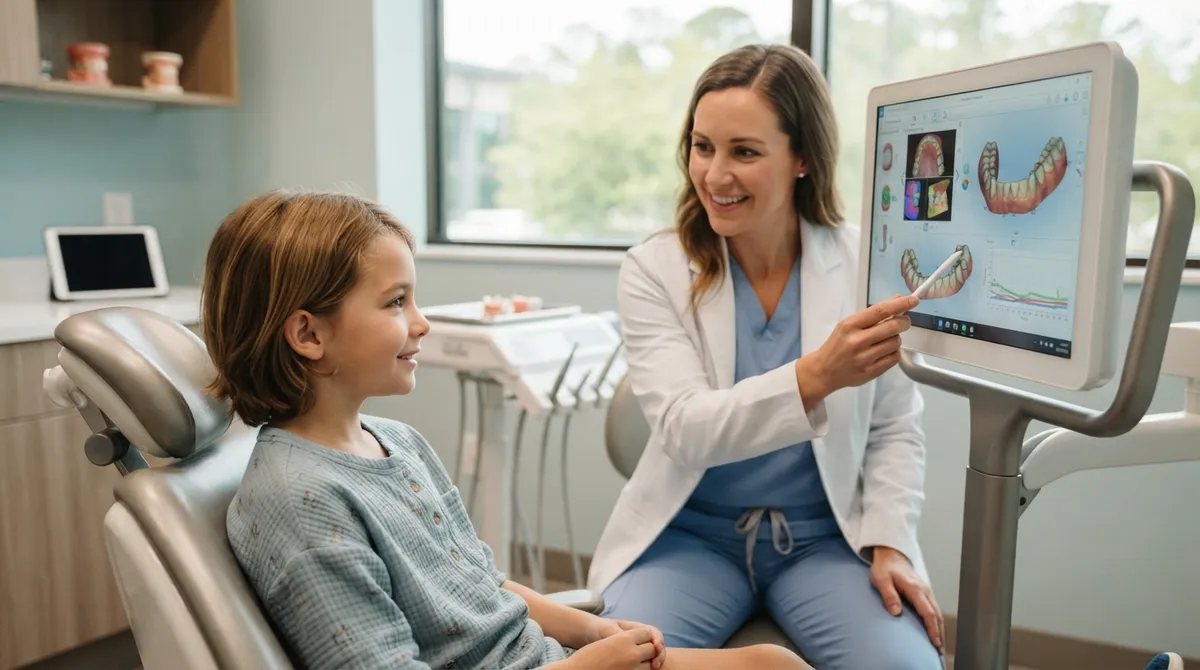
Walking into a first consultation can feel like a big unknown, especially for parents who’ve never done this before. Here’s what typically happens, step by step:
- Review of your child’s dental and medical history
- A visual exam of the teeth, jaw, and bite
- Digital scans, X-rays, or photographs to get a full picture
- A conversation about diagnosis and treatment options
- An overview of expected timeline, care needs, and retention plans
Come prepared with questions. Ask about appliance choices, what daily care will look like, and how appointments will fit your family’s schedule. A good orthodontist will walk you through every option, including types of braces available, without any pressure.
If you’re comparing providers in the Bradenton area, take time to check credentials and read reviews. You can always visit us on Google — Segovia Orthodontics to see what other local families have experienced firsthand.
6. Support Your Child’s Braces Journey at Home
Braces work best when good habits happen every single day. Here’s a simple checklist to keep your child on track:
- Brush carefully around every bracket, morning and night
- Use floss threaders or interdental brushes to clean between teeth
- Limit sticky candy, hard nuts, and sugary sodas
- Wear any rubber bands or retainers exactly as instructed
- Call the office right away if a bracket or wire breaks
- Keep every adjustment appointment, even when life gets busy
Consistency really is the secret ingredient here. Kids who stick with good habits tend to finish treatment closer to the shorter end of that 12-to-30-month range. And once braces come off, don’t forget the importance of orthodontic retainers to protect all that hard work.
Life happens, though. Wires poke, brackets loosen, and sometimes accidents occur during sports or meals. If that happens, knowing what counts as a true orthodontic emergency can save you a late-night panic. Most minor issues can wait until the next business day, but our team is always ready to help when something more urgent comes up.
Choosing the Right Orthodontist for Your Family
Not all orthodontic offices are the same, and that’s okay. What matters most is finding a team that makes your child feel comfortable and makes you feel informed. Look for a provider who is board certified, uses modern technology, and takes time to answer your questions without rushing.
Dr. Flor Segovia brings both expertise and warmth to every visit, offering bilingual care in English and Spanish so families throughout Bradenton and Lakewood Ranch feel truly understood. You can learn more about her background on our Orthodontist Flor Segovia page. Board certification through organizations like the American Board of Orthodontics is one great way to verify a provider’s qualifications before committing.
Financing is another big piece of the puzzle. Many families want to know their options before diving in, and that’s completely reasonable. Our orthodontic financing page breaks down flexible plans designed to fit real family budgets, not the other way around.
Curious what patients are saying? Feel free to check out our Facebook page or browse smile transformations on our Instagram page. Seeing real results can help ease any nerves about starting treatment.
Ready to Take the Next Step?
Pediatric braces don’t have to be stressful for you or your child. With the right information, a supportive orthodontic team, and a little patience, this journey can actually be pretty fun, especially with options like WildSmiles brightening up the process. Whether your child just turned 7 or is already deep into the tween years, there’s a path forward that fits their needs.
Ready to get started? Request an appointment today, or feel free to contact us with any questions. You can also call us at 941-557-1333 to speak with our friendly team directly. We’re here to help your child smile with confidence, one appointment at a time.
FAQs
Q: At what age should my child see an orthodontist in Bradenton?
A: The American Association of Orthodontists recommends a first evaluation by age 7. This early check helps catch developing issues while there’s still time to guide growth. If you notice a concern sooner, don’t wait to schedule a visit.
Q: Does an age-7 orthodontic evaluation mean my child needs braces right away?
A: Not at all, and that’s actually the most common outcome. Many kids simply get monitored with a follow-up visit down the road. The evaluation is about tracking growth, not rushing into treatment.
Q: What’s the difference between Phase 1 and comprehensive orthodontic treatment?
A: Phase 1 happens early, often while baby teeth are still around, and focuses on guiding jaw growth or making room for permanent teeth. Comprehensive treatment is the full braces experience most people picture, usually starting in the early-teen years.
Q: How long do kids typically wear braces?
A: Most treatment plans run between 12 and 30 months, though this really depends on the complexity of the case. Sticking to appointments and following home care instructions can help keep things on the shorter side.
Q: How do I choose a qualified pediatric orthodontist in Bradenton?
A: Look for board certification, modern technology, and a team that takes time to explain things clearly. Reading local reviews and checking credentials through resources like the American Board of Orthodontics can also give you extra peace of mind.
Our Service Area