Key Takeaways
-
Teeth move through bone remodeling, not just surface shifts: gentle pressure causes bone breakdown on one side of a tooth and rebuilding on the other, which is why treatment takes weeks to months and cannot be safely rushed.
-
Treatment duration varies from 6 months to 2.5 years depending on case complexity, age, appliance compliance, and individual bone remodeling pace, with a personalized estimate provided during your initial orthodontic consultation.
-
Clear aligners use a series of incrementally different custom trays to shift teeth gradually, while fixed braces use brackets and wires with regular adjustments every 6-8 weeks; choice depends on case complexity and lifestyle needs.
-
Retainers are essential after active treatment because teeth naturally drift over time, and skipping retainer wear is the most common reason for smile regression even years after braces are removed.
Ever wonder what’s really happening behind the scenes when someone gets braces or clear aligners? You’re not alone! Parents in Lakewood Ranch ask us this question almost every day, and adults thinking about fixing their own smile want to know too. The good news is that teeth straightening isn’t magic or mystery. It’s a well-understood process backed by science, and once you understand how it works, the whole journey feels a lot less intimidating.
At Segovia Orthodontics, we love breaking down the process for our patients and their families. Whether you’re a mom wondering if braces will fit into your busy household, a professional hoping for a discreet fix before a big career move, or someone getting ready for a wedding, this guide walks you through exactly how teeth straightening works. Let’s dig in together.
1. Your Teeth Move Through Bone, Not Just Gums
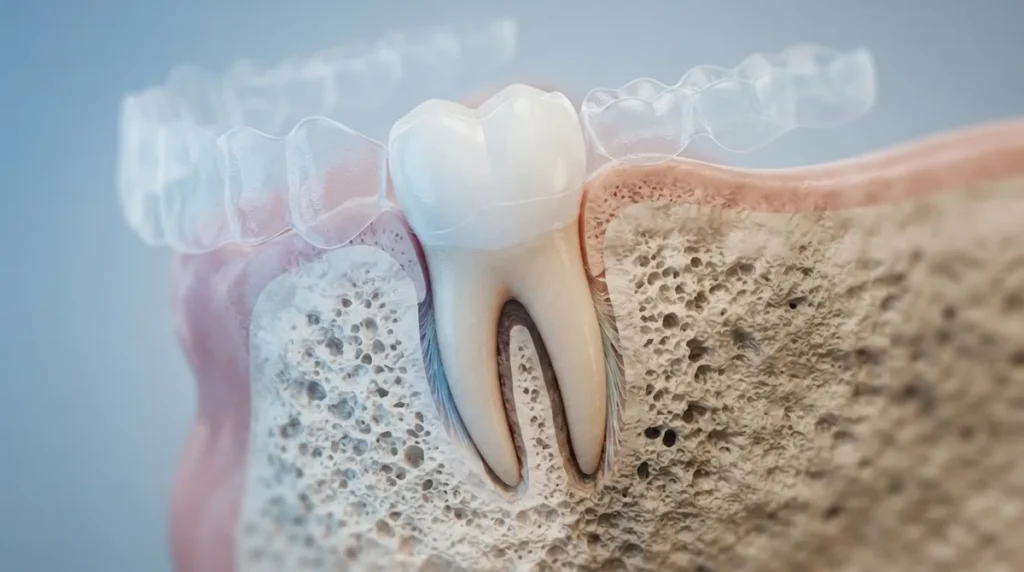
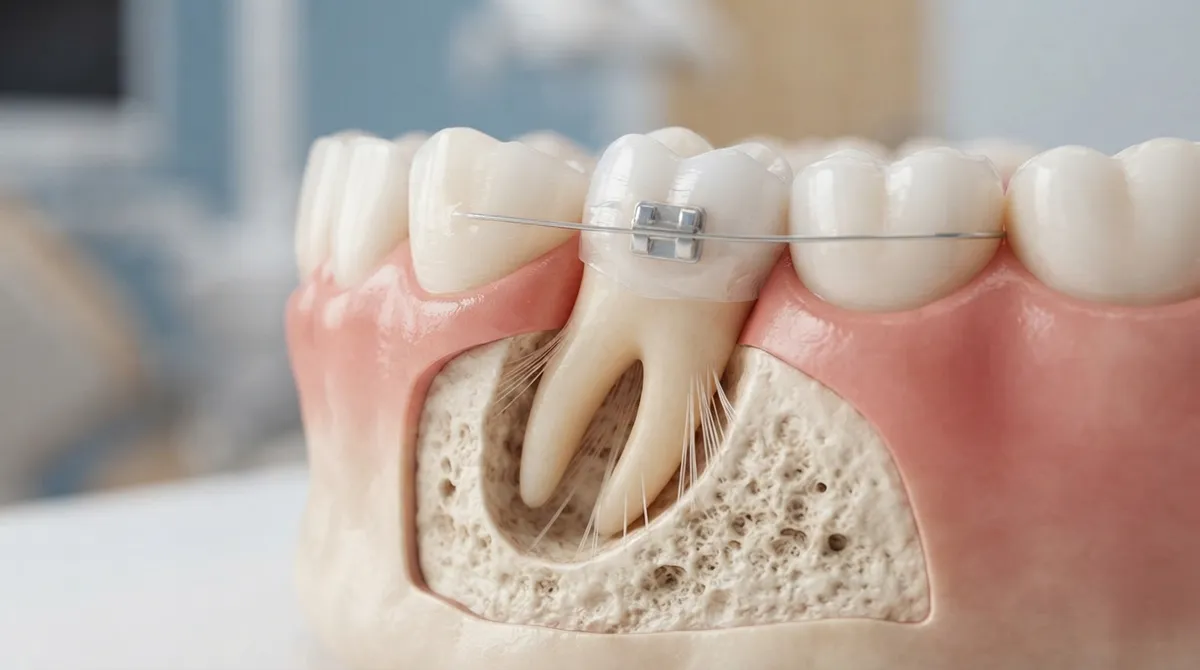
Here’s the coolest part: your teeth aren’t cemented in place. They actually sit inside your jawbone, held by ligaments that allow for tiny movements. When braces or aligners apply gentle, steady pressure, the bone on one side of the tooth breaks down a little. At the same time, new bone builds up on the other side. This process is called bone remodeling, and it’s how your teeth gradually shift into better positions.
This is why teeth straightening takes weeks and months, not days. Your body needs time to safely rebuild bone around each tooth as it moves. Rushing this process isn’t possible, and trying to speed it up unsafely can hurt your teeth and gums. Patience really does pay off here.
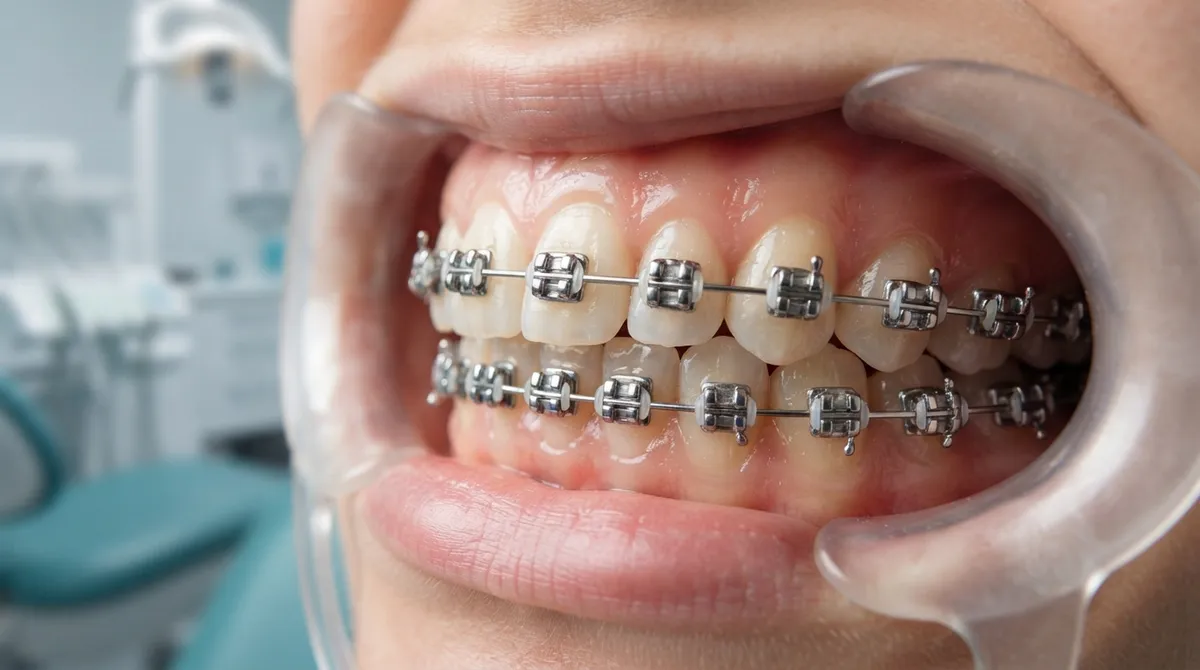
2. Fixed Braces Use Brackets and Wires to Apply Pressure
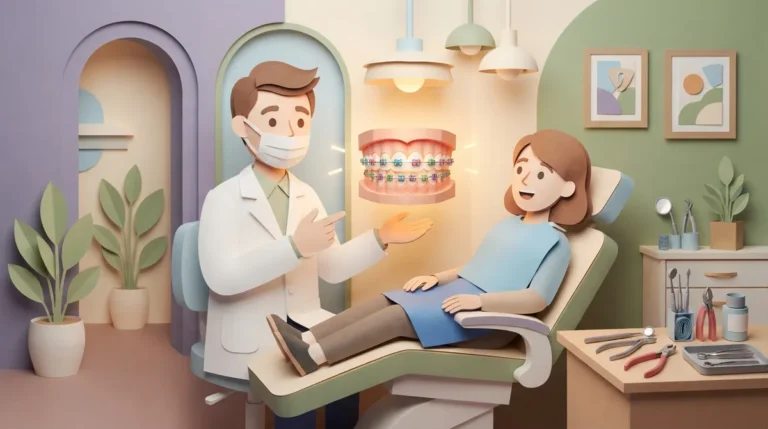
Traditional braces work through small brackets bonded to each tooth, connected by a thin wire. That wire applies constant, gentle force, guiding teeth into their correct spots over time. During checkups, your orthodontist tightens or adjusts the wire to keep things moving in the right direction.
At our practice, we offer two exciting bracket options that make this process more fun and comfortable:
- WildSmiles Braces: These fun, shaped brackets come in designs like stars, hearts, and even Mickey Mouse. Kids and teens love picking their favorite shape, and it makes them more excited to keep up with brushing and care. Learn more about WildSmiles Braces and how they turn treatment into something kids actually look forward to.
- LightForce Braces: This fully digital, 3D-printed bracket system is custom-built for each tooth. It can cut treatment time by up to 45% compared to older methods. Check out LightForce Orthodontics to see how precision technology speeds up results.
The NHS notes that fixed-brace appointments usually happen every 6 to 8 weeks, giving your orthodontist regular chances to check progress and make small adjustments.
3. Clear Aligners Shift Teeth With a Series of Trays
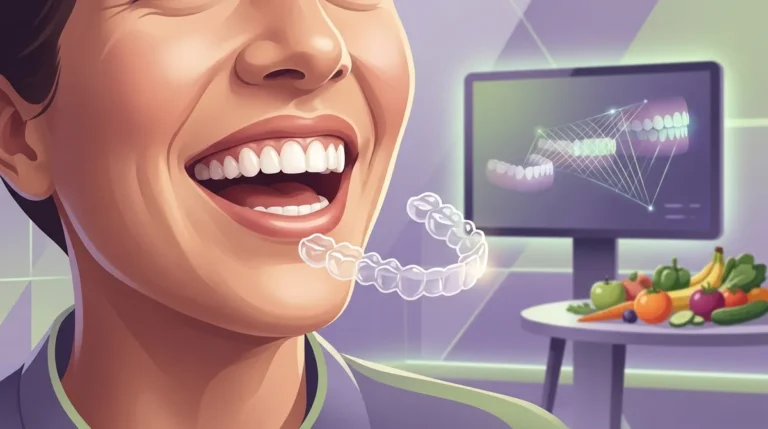
Clear aligners work differently but follow the same basic science. Instead of one appliance worn the whole time, you wear a series of custom trays. Each tray is slightly different from the last, nudging your teeth bit by bit toward their final position.
We offer Angel Aligners, a modern clear aligner option that many patients find faster and more budget-friendly than other big-name brands. Angel Aligners use a smart “7+3” wear schedule. You wear a flexible tray for seven days, then switch to a firmer tray for three days. This approach can speed up tooth movement and cut down on extra office visits.
Some Angel Aligner trays include built-in attachment points, so you don’t need extra bumps glued onto your teeth. They also use a frosted finish that’s less shiny and easier to hide. For busy professionals worried about looking polished at work, this discreet design is a big win. Browse our Clear Aligners page to see if this path fits your lifestyle.
4. Every Treatment Starts With a Careful Plan
Before any tooth moves, your orthodontist needs a clear picture of what’s going on in your mouth. This planning stage is critical to getting good results.
- Full Exam: Your orthodontist checks your teeth, gums, and bite to spot problems.
- Photos and Scans: Digital images, X-rays, or 3D scans capture the exact shape of your smile.
- Treatment Design: Using this data, your orthodontist maps out how each tooth needs to move.
- Appliance Choice: Based on your case, they’ll recommend braces, aligners, or sometimes a combination.
Dr. Flor Segovia, a board certified orthodontist, uses advanced orthodontic technology to make this planning stage as accurate as possible. You can learn more about her approach on the Orthodontist Flor Segovia page. If you’re curious what happens during this early step, check out our guide on your first orthodontic visit.
5. Treatment Time Varies, But There’s a Typical Range
One of the most common questions we hear is, “How long will this actually take?” The honest answer is that it depends on your specific case. Some people finish in as little as six months, while others need closer to two and a half years.
| Factor | Effect on Treatment Time |
|---|---|
| Case complexity | More crowding or bite issues mean longer treatment |
| Age and growth | Growing jaws in kids and teens can respond faster to guidance |
| Appliance wear | Wearing aligners as directed keeps things on schedule |
| Appointment attendance | Skipping visits can slow down progress |
| Biological response | Everyone’s bone remodels at a slightly different pace |
According to the NHS guidance on braces and orthodontics, most treatment lasts between 12 months and two and a half years, with many people seeing full results in about 6 to 30 months. If you want to explore options built for speed without sacrificing quality, take a look at our types of braces page.
Comparing Braces and Clear Aligners
| Feature | Fixed Braces | Clear Aligners |
|---|---|---|
| Visibility | Visible, though clear options exist | Nearly invisible |
| Removable? | No | Yes, must wear as directed |
| Best for | Complex bite issues | Mild to moderate cases |
| Cleaning | Requires careful brushing around wires | Simple to remove and clean |
| Adjustment visits | Every 6-8 weeks typically | Fewer visits with tray changes at home |
6. Retainers Keep Your New Smile in Place
Once your active treatment phase wraps up, the job isn’t quite finished. Teeth naturally want to drift over time, even after they’ve been perfectly aligned. That’s where retainers come in. They hold your teeth steady while the bone and gum tissue fully adjust to their new positions.
Skipping your retainer, even for a little while, can allow teeth to shift back. This is especially true for adults who had braces years ago and are now noticing changes. If that sounds like you, know that you’re not alone, and a solution is available. Explore our orthodontic retainers page for details on keeping your results looking great for years to come.
Common Concerns During Teeth Straightening
It’s completely normal to have questions or worries about the process. Here are a few things patients often ask about:
- Soreness: Mild discomfort after adjustments is common but usually fades within a few days.
- Cleaning challenges: Braces require extra brushing attention, while aligners just need to be removed and rinsed.
- Gum health: Good oral hygiene throughout treatment prevents most gum issues.
- Wear time for aligners: Most aligners need 20 to 22 hours a day to stay on schedule.
If you ever run into an unexpected issue, like a poking wire or a lost aligner, our orthodontic emergency page walks you through what to do next.
Why Choose Segovia Orthodontics for Your Smile Journey
Dr. Flor Segovia and our team understand that every patient’s needs are different. Whether you’re a parent exploring early orthodontic treatment for your child, a teen balancing sports and school with teen orthodontic treatment, or an adult ready for adult orthodontics, we tailor every plan to fit your life. Our office offers flexible orthodontic financing so cost never has to stand between you and a smile you love.
We’re proud members of the Lakewood Ranch community, and we love seeing families and professionals reach their smile goals. Dr. Segovia is verified through the American Board of Orthodontics, so you can feel confident you’re in skilled hands. To see what our patients are saying, check out Visit us on Google — Segovia Orthodontics, follow along on our Facebook page, or catch smile transformations on our Instagram page.
Ready to find out exactly how teeth straightening can work for your smile? We’d love to walk you through your options. Request an appointment today, or feel free to contact us with any questions. You can also simply call us at 941-557-1333 to get started. Your best smile is closer than you think, and we can’t wait to help you achieve it.
FAQs
Q: How does teeth straightening actually move teeth?
A: Braces and clear aligners apply gentle, steady pressure on your teeth. This pressure causes the bone around each tooth to break down on one side and rebuild on the other. Over time, this bone remodeling lets your teeth shift into their new, straighter positions.
Q: How long does teeth straightening usually take?
A: Most people finish treatment somewhere between 6 months and 2.5 years, depending on their specific case. Things like how well you follow your orthodontist’s instructions and how complex your bite is can affect your timeline. We’ll give you a personalized estimate at your first visit.
Q: Are clear aligners as effective as braces for straightening teeth?
A: Clear aligners work really well for mild to moderate cases, and options like Angel Aligners use smart technology to speed things up. For more complex bite issues, traditional braces or LightForce braces might work better. Your orthodontist can help you pick the right fit during your consultation.
Q: Does teeth straightening hurt?
A: You might feel some soreness for a few days after getting braces or switching to a new aligner tray. This discomfort is totally normal and usually fades quickly. Most patients say it’s a small trade-off for the smile they end up with.
Q: Why do I need to wear a retainer after treatment?
A: Even after your teeth reach their new positions, they can still drift back over time if left unchecked. A retainer holds everything in place while your bone and gums fully settle into the new alignment. Skipping retainer wear is one of the most common reasons people see their smile shift again.
Our Service Area