Key Takeaways
-
Don't assume regular dental insurance covers braces—orthodontic coverage is usually a separate benefit that varies by plan, with some policies covering only children or excluding adults entirely.
-
Always request a written pre-treatment estimate from your orthodontist before starting care to confirm exactly what your insurer will pay and what you'll owe out of pocket.
-
Florida Medicaid covers medically necessary braces for children under 21 only if they meet clinical criteria for severe malocclusion and receive prior authorization; adult coverage is largely unavailable.
-
Ask your insurer about your orthodontic lifetime maximum—once you hit this cap, you're responsible for all remaining costs, making this a critical detail to confirm before treatment begins.
-
Confirm your orthodontist's current in-network status directly with their office before booking, as insurance directories can be outdated and network participation changes frequently.
-
Even with strong insurance coverage, explore flexible payment plans and financing options offered by orthodontists to cover the gap between what insurance pays and total treatment cost.
Figuring out braces insurance in Bradenton can feel like reading a foreign language. One phone call to your insurance company and suddenly you’re drowning in words like “coinsurance,” “lifetime maximum,” and “prior authorization.” You just want to know one simple thing: will my plan help pay for braces, and how much will I owe out of pocket?
Here’s the good news. Most of the confusion around braces insurance comes from a handful of common mistakes. Once you know what to watch for, the whole process gets a lot easier. Whether you’re a mom checking coverage for your teenager, a young professional looking into clear aligners, or an adult ready to fix that relapse from your teenage braces, this guide walks you through exactly what to avoid. Let’s clear up the confusion together so you can move forward with confidence toward your best smile.
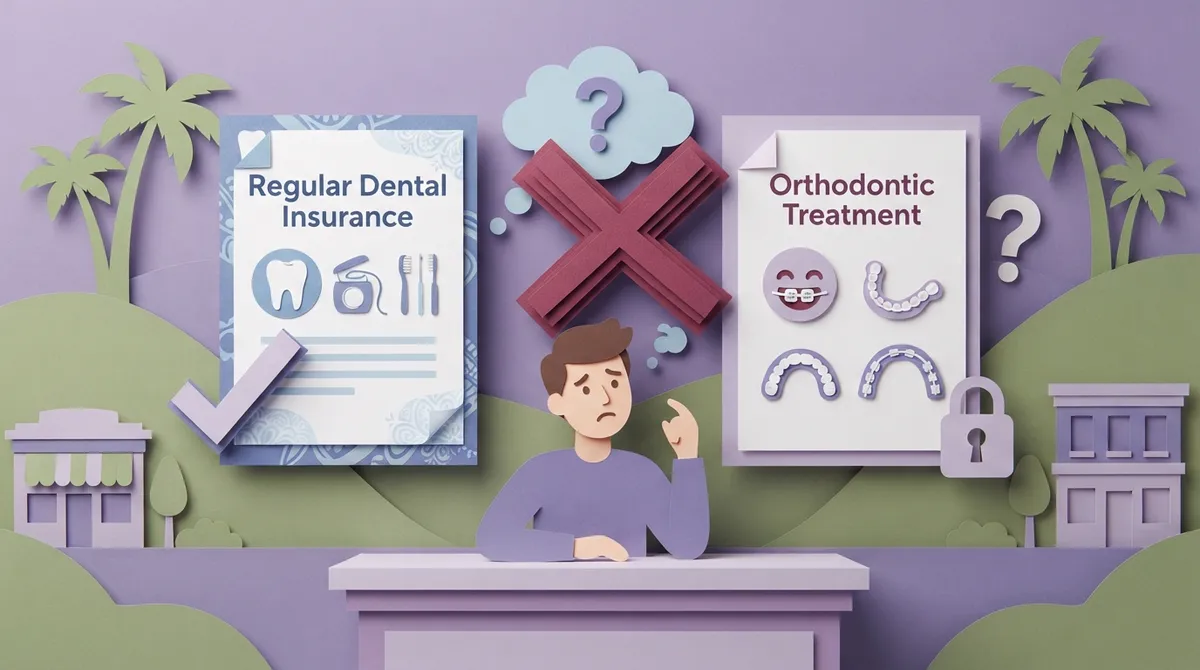
Mistake 1: Assuming Regular Dental Insurance Automatically Covers Braces
This is probably the biggest mistake people make. Many patients assume their dental plan includes orthodontic coverage just because it covers cleanings and fillings. In reality, braces insurance in Bradenton is usually a separate benefit altogether.
Orthodontic coverage depends heavily on your specific plan. Some policies cover kids but completely exclude adults. Others only cover treatment that started before a certain age. Before you get excited about starting treatment, pull out your certificate of benefits and actually read the orthodontic section. Advertising materials and general summaries are not reliable enough to plan around.
Mistake 2: Skipping the Written Pre-Treatment Estimate
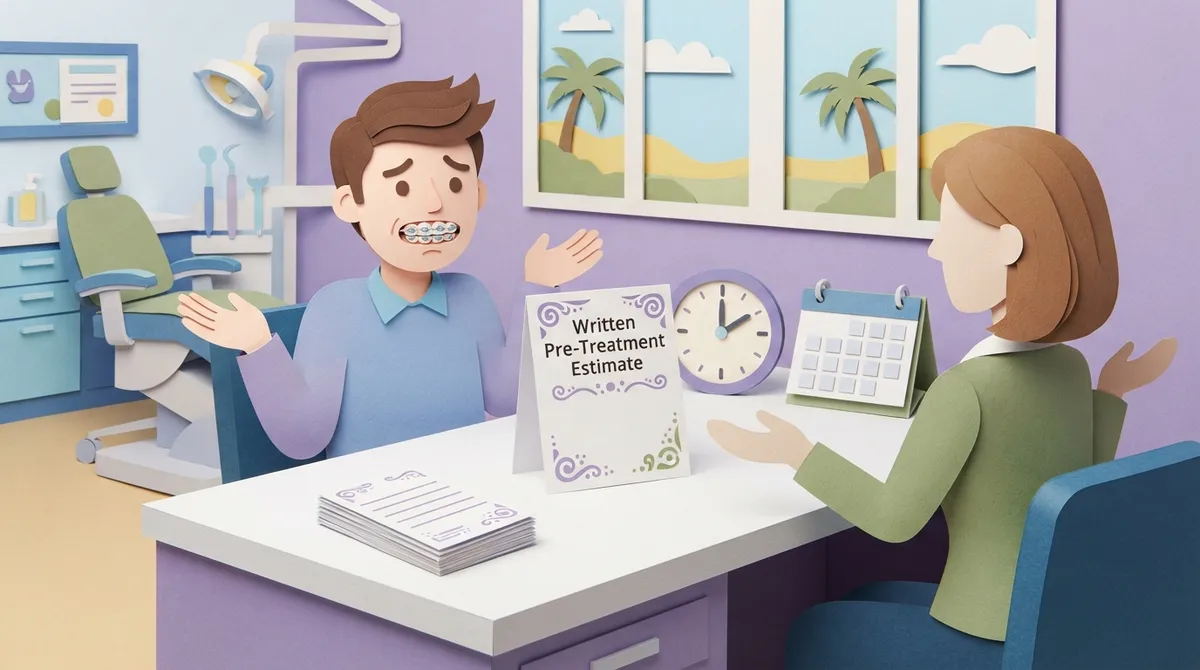
A lot of Bradenton families jump straight into scheduling braces without asking for a written estimate first. This is a costly mistake. A pre-treatment estimate tells you, in writing, what your insurer expects to pay and what you’ll owe.
Before starting care, ask your orthodontist’s office to submit a pre-treatment estimate to your insurance company. This isn’t a guarantee of payment, but it gives you a much clearer picture. During your first orthodontic visit, this should be one of the first things you discuss.
What to Confirm Before Treatment Begins
Here are the key details you should always ask about:
- Whether the orthodontist is in-network with your specific plan
- The exact deductible and coinsurance percentage for orthodontics
- Your lifetime orthodontic maximum
- Any waiting period before benefits kick in
- Whether retainers are included in the coverage
- What happens if you lose or switch insurance mid-treatment
Mistake 3: Not Understanding How Florida Medicaid Actually Works
Parents often assume Florida Medicaid automatically covers braces for kids. It’s more complicated than that. Florida Medicaid generally covers medically necessary orthodontic treatment for eligible recipients under age 21, according to the Florida Agency for Health Care Administration.
But approval isn’t automatic. Your child typically needs to meet clinical criteria showing a severe or handicapping malocclusion. Traditional braces are far more likely to qualify than elective clear aligners used for cosmetic reasons. Prior authorization is almost always required, so don’t expect a quick yes.
Florida Medicaid Orthodontic Coverage at a Glance
| Age Group | Coverage Status | Key Requirement |
|---|---|---|
| Under 21 | Covered when medically necessary | Must show handicapping malocclusion; prior authorization required |
| 21 and older | Very limited or not covered | Adult Medicaid dental benefits are minimal |
| Cosmetic cases (any age) | Typically not covered | Elective treatment usually excluded |
If you’re trying to find a Bradenton practice that works with Medicaid, start by asking directly. For more detail on this topic, check out our guide on braces with Medicaid Bradenton.
Mistake 4: Ignoring the Lifetime Maximum Until It’s Too Late
Here’s something that catches families off guard. Orthodontic benefits usually come with a lifetime maximum, which is a cap on how much your insurer will ever pay toward braces. Once you hit that number, you’re on your own for the rest.
A 2026 Florida dental-plan comparison shows many plans offering around 50% coinsurance for medically necessary pediatric orthodontics, subject to plan-specific lifetime maximums and waiting periods, according to EMI Health’s 2026 Florida Dental Plans data. One Humana plan example for 2026 lists pediatric orthodontic coverage at 50% after the deductible with no waiting period, but explicitly excludes adult orthodontics under that plan structure.
Ask your insurer directly: What is my orthodontic lifetime maximum, and has any of it already been used? This single question can save you from an unpleasant surprise later.
Mistake 5: Forgetting That Adult Orthodontic Coverage Is Often Excluded
If you’re an adult considering braces or clear aligners, don’t assume your plan treats you the same as it treats children. A Florida Blue plan summary found that pediatric medically necessary orthodontia was covered at 50% with prior authorization, while adult and cosmetic orthodontic coverage was generally excluded.
This matters a lot for our adult patients here in the Lakewood Ranch and Bradenton area. Many of you are professionals ready to finally fix a smile that relapsed after your teenage treatment, or you’re preparing for a wedding or big career milestone. Don’t let a missed insurance detail slow you down. Learn more about your options on our adult orthodontics page.
Common Reasons Adult Coverage Gets Denied
- The plan simply excludes adult orthodontic treatment entirely
- Coverage only applies if treatment started before a certain age
- A waiting period hasn’t been satisfied yet
- The lifetime maximum was already used during a previous treatment
- The treatment is classified as cosmetic rather than medically necessary
Mistake 6: Not Comparing In-Network vs Out-of-Network Costs
Insurance directories can be outdated. A Bradenton orthodontist might no longer participate in a plan, even though the directory says otherwise. This mistake can lead to unexpected bills.
Always call the orthodontist’s office directly to confirm current network status before booking. Segovia Orthodontics accepts a variety of plans, and our friendly team is happy to verify your benefits before you commit to anything. You can also contact us anytime with questions about your specific coverage.
Questions to Ask When Verifying Network Status
- Is this orthodontist currently in-network with my exact plan?
- Has this changed within the last year?
- What is the covered orthodontic fee if I stay in-network?
- How much more would I pay if I go out-of-network?
Mistake 7: Overlooking Payment Plans and Financing When Insurance Falls Short
Even with great braces insurance in Bradenton, many families still have a gap between what insurance pays and the total cost of treatment. This is completely normal. The mistake is assuming you have no other options.
Most orthodontic offices, including ours, offer flexible orthodontic financing options. These can include monthly payment plans, family discounts, and discounts for paying in full upfront. Before choosing a plan, compare the total financed cost, any fees, the required down payment, and what happens if treatment gets interrupted partway through.
Remember that insurance often pays for orthodontic treatment differently than other dental work. Instead of paying for every single visit, many plans pay an initial amount followed by periodic installments over the course of treatment. This means switching insurance mid-treatment can actually affect your remaining benefits, so it’s smart to plan ahead.
How Segovia Orthodontics Helps You Navigate Insurance
At Segovia Orthodontics at Lakewood Ranch, Dr. Flor Segovia and her team understand how overwhelming insurance questions can feel. We work with families, teens, and adults throughout the Bradenton and Lakewood Ranch area to help make sense of coverage, whether you’re exploring traditional metal braces, WildSmiles Braces for kids, LightForce Orthodontics, or discreet clear aligners.
As a board-certified orthodontist, Dr. Segovia is committed to transparent, honest conversations about cost and coverage from your very first visit. You can read more about her approach on our orthodontist Flor Segovia page, or browse patient experiences on our Facebook page and our Instagram page.
Curious what other Bradenton and Lakewood Ranch families have to say? Visit us on Google — Segovia Orthodontics to read real reviews from patients just like you.
Steps to Take Before Your First Consultation
- Call your insurance company and ask specifically about orthodontic benefits, not general dental coverage
- Request a copy of your certificate of benefits, not just a summary sheet
- Write down your deductible, coinsurance percentage, and lifetime maximum
- Check whether your child’s malocclusion might qualify for Medicaid coverage, if applicable
- Schedule a consultation and ask for a written pre-treatment estimate
- Compare in-network savings versus out-of-network costs
- Ask about payment plans to cover any remaining balance
Taking these steps before your appointment means fewer surprises and more confidence walking into treatment. It also helps our team give you the most accurate answers when you come in for your visit.
Why Getting This Right Matters for Every Patient
Whether you’re a busy mom coordinating appointments around soccer practice, a young professional wanting a discreet option before an upcoming wedding, or an adult finally ready to fix teeth that shifted after your teenage braces came off, understanding your insurance saves you time, money, and stress. It also helps you choose the right treatment path, whether that’s traditional braces, LightForce technology, or clear aligners like Angel Aligners.
The American Board of Orthodontics notes that board-certified orthodontists commit to ongoing education and rigorous standards, which is one more reason to choose a trusted, credentialed provider for your care. You can learn more about certification standards through the American Board of Orthodontics.
Ready to Get Clear Answers About Your Coverage?
Don’t let confusing insurance language keep you from the smile you or your child deserves. Our friendly Lakewood Ranch team is here to help you understand your braces insurance in Bradenton step by step. Ready to get started? Request an appointment today, or feel free to call us at 941-557-1333 with any questions about your coverage. We’re excited to help you take the next step toward a confident, healthy smile.
FAQs
Q: Does dental insurance cover braces in Bradenton, Florida?
A: It depends completely on your specific plan. Many dental plans cover orthodontics for children but exclude adults, so always check your certificate of benefits instead of relying on general advertising. Our team is happy to help you review your plan details before you start treatment.
Q: Does Florida Medicaid pay for braces for children?
A: Yes, but only when treatment is medically necessary and the child meets specific clinical criteria for a handicapping malocclusion. Prior authorization is required, and elective or cosmetic treatment typically won’t qualify. We can help you understand whether your child might be eligible.
Q: Does Florida Medicaid cover braces for adults?
A: Generally, no. Adult Medicaid dental benefits in Florida are much more limited, and orthodontic coverage is largely reserved for eligible recipients under age 21. Adults usually need to explore private insurance or flexible payment plans instead.
Q: What is the orthodontic lifetime maximum on my dental insurance?
A: It’s the total dollar amount your insurance will ever pay toward orthodontic treatment, no matter how many phases or years it takes. Once you reach that cap, you’re responsible for the rest, so it’s smart to ask your insurer about this number early on.
Q: Can I get braces insurance after treatment has already started?
A: It’s much harder, and some plans won’t cover treatment that’s already in progress. If you switch insurance mid-treatment, your remaining benefits and payment structure can change too. That’s why we always recommend confirming coverage before your first appointment whenever possible.
Our Service Area