Key Takeaways
-
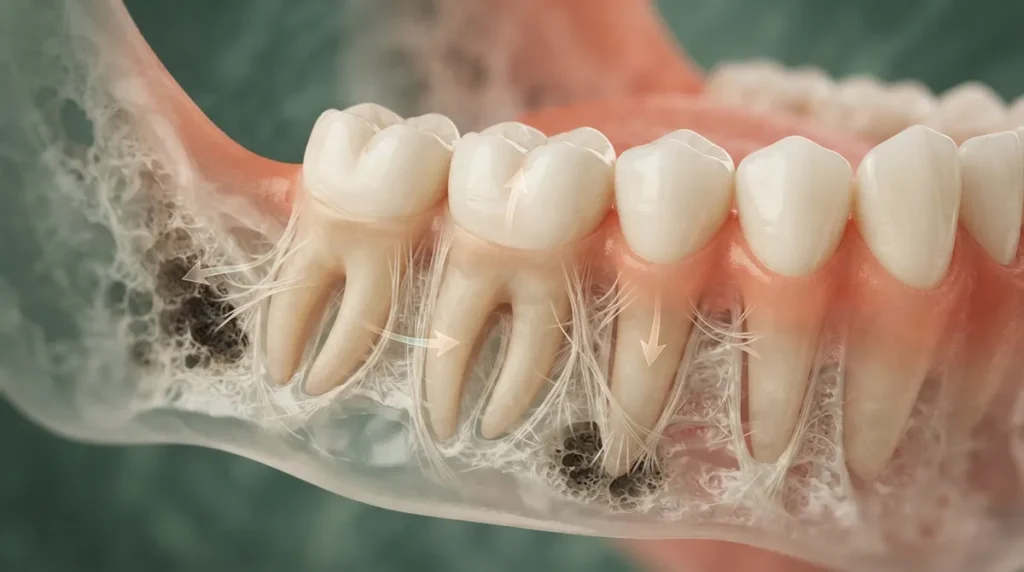
Teeth sit in living, constantly remodeling bone and tissue held by the periodontal ligament, which means natural shifting occurs throughout life regardless of braces history due to daily chewing pressure and bite forces.
-
Retainers are a permanent commitment, not temporary—skipping wear for even a few weeks allows noticeable shifting to begin, and retainers can only hold positions, not move teeth long distances once significant shifting occurs.
-
Gum disease weakens the bone and tissue foundation supporting teeth, causing them to loosen, spread apart, or shift; warning signs like bleeding gums or loose teeth require immediate dental evaluation before any orthodontic treatment.
-
Aging naturally causes gradual bite changes in all adults through tissue remodeling and jaw changes, which is why crowding often returns years after successful treatment—this is normal biology, not treatment failure.
-
Missing teeth, grinding habits, tongue thrusting, and damaged retainers create ongoing pressure that causes neighboring teeth to drift into gaps or shift unpredictably; watch for warning signs like tight retainers or loose teeth and contact your orthodontist immediately.
-
Schedule an orthodontic evaluation right away if your retainer feels different, teeth feel loose, or your bite has changed—early intervention prevents substantial shifting that may require more extensive retreatment.
Have you ever caught a glimpse of your smile in a photo and thought, “Wait, did my teeth move?” You’re not imagining things, and you’re definitely not alone. So many of our patients at Segovia Orthodontics ask us the same question: why do teeth shift, even years after braces or even if they never had orthodontic treatment at all? The good news is that this is a totally normal part of being human, and once you understand why it happens, you can take simple steps to protect your smile for good.
Your teeth are not glued in place like statues. They sit in living bone, surrounded by tissue that changes throughout your whole life. Add in daily habits, growth, gum health, and time itself, and you’ve got a recipe for movement. Whether you’re a parent watching your teenager’s smile change, a busy professional noticing your bite feels different, or someone who wore braces years ago and is seeing old crowding creep back, this guide breaks down exactly what’s going on and what you can do about it.
1. Your Teeth Sit in Living, Moving Tissue
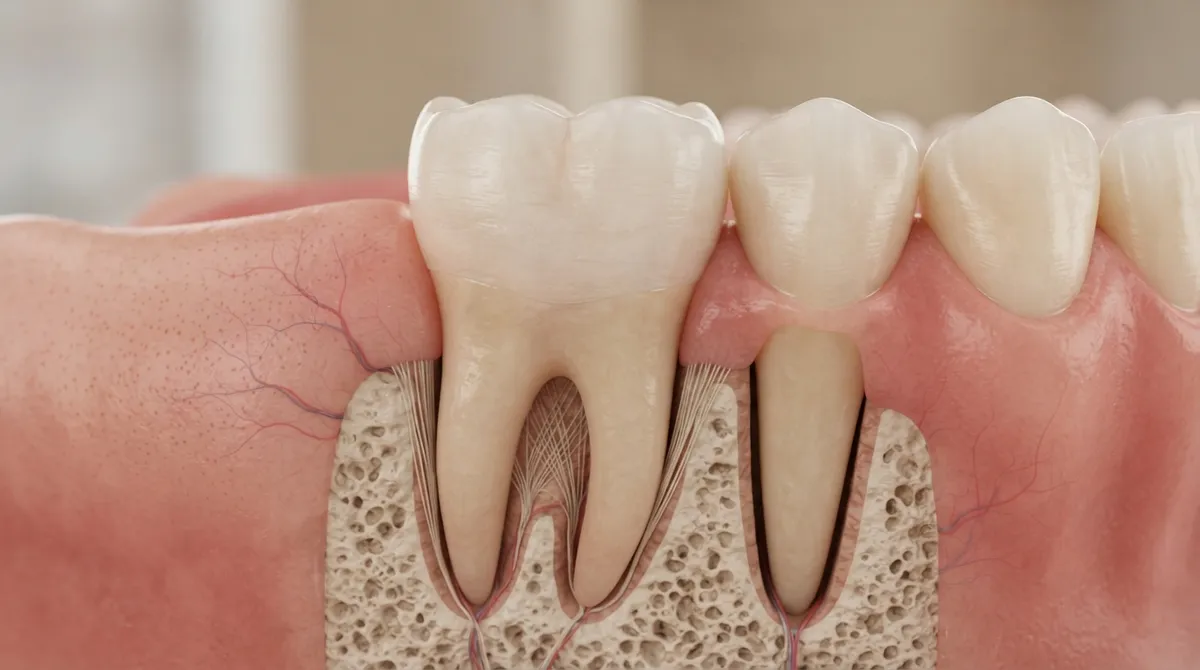
Here’s something most people don’t realize: your teeth are not fixed in place forever. They’re held in your jaw by something called the periodontal ligament, a stretchy tissue that connects your tooth root to the bone around it. This ligament and the bone itself are constantly remodeling, kind of like how your skin cells replace themselves over time.
Every time you bite, chew, swallow, or even talk, you put gentle pressure on your teeth. Over years, that pressure adds up and can nudge teeth into new positions. This is why teeth shift even in people who never had braces and never will. It’s simply part of how your mouth works. Learning about this natural process is one reason many patients appreciate reading up on common orthodontic problems before their first visit.
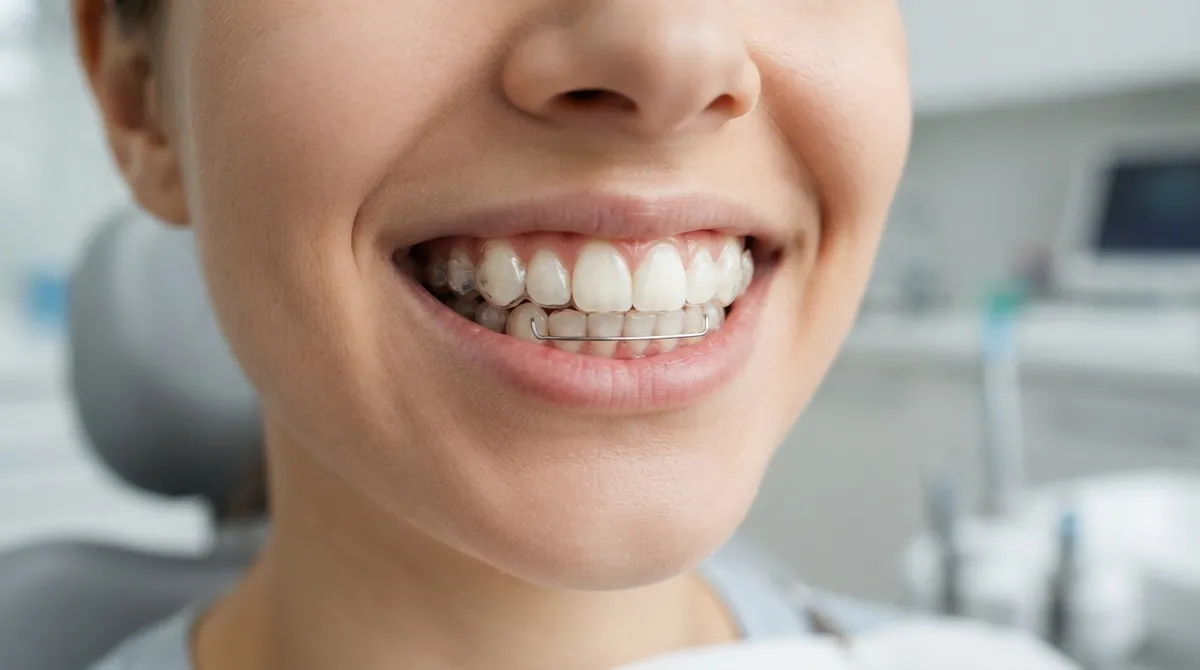
2. Braces and Aligners Finish, But Your Mouth Keeps Working
This one surprises a lot of people. You finish your treatment with braces or clear aligners, your smile looks amazing, and then months or years later you notice your teeth aren’t quite as straight anymore. This is called relapse, and it happens because the gum tissue, ligaments, and bone around your teeth need time to fully adapt to their new positions.
Think of it like a plant you just repotted. The roots need time to settle into the new soil before they hold firm. Your teeth work similarly after treatment. That’s exactly why orthodontic retainers are so important during this adjustment window and honestly, for the long haul.
Why Retainers Matter So Much
We hear it all the time: “But I only need my retainer for a little while, right?” Unfortunately, that’s one of the most common misunderstandings in orthodontic care. Retainers aren’t a temporary suggestion. They’re your smile’s insurance policy.
- Retainers hold your teeth steady while supporting bone and tissue catch up to their new positions
- Skipping retainer wear, even for a few weeks, can allow noticeable shifting to begin
- Retainers are meant to maintain results, not fix teeth that have already moved significantly
- Both removable and fixed retainer options exist, and your orthodontist can help you choose what fits your lifestyle
If you’re unsure how long you should be wearing yours, it’s worth reading more about frequently asked orthodontic questions or simply asking during your next visit.
3. Not Wearing Your Retainer Is the Most Preventable Cause
Let’s be honest for a second. Life gets busy. Retainers get left in gym bags, forgotten in napkins at restaurants, or just skipped because “my teeth look fine now.” But inconsistent retainer wear is one of the biggest reasons people see their teeth shift after all the hard work of straightening them.
Here’s the tricky part: once teeth have shifted substantially, a retainer alone usually can’t pull them back into place. Retainers are designed to hold a position, not move teeth long distances. This is why catching shifting early matters so much, and why we always encourage patients to request an appointment the moment something feels off with their retainer or their bite.
4. Aging and Growth Changes Your Bite Over Time
Your jaw and bite don’t stay exactly the same throughout your entire life, and that’s true even for adults who never had braces or who wore their retainer faithfully. According to Harvard Health, natural aging causes gradual changes in the tissues and structures that support your teeth, which can lead to shifting even without any past orthodontic history.
This is one reason so many adults come to us years after their teenage braces wondering why their bottom teeth look crowded again. It’s not because something went wrong. It’s simply biology continuing to do its thing. Our adult orthodontics options are designed specifically for this common scenario.
Common Age-Related Bite Changes
- Lower front teeth gradually becoming more crowded over decades
- Slight narrowing of the dental arches as we get older
- Changes in jaw muscle activity and bite forces over time
- Natural wear patterns on teeth that alter how your bite fits together
5. Gum Disease Can Loosen the Foundation
This is a big one, and it’s important to take seriously. Gum disease damages the bone and tissue that hold your teeth in place. When that foundation weakens, teeth can become loose, spread apart, or shift into new positions entirely.
If you notice your teeth moving along with symptoms like bleeding gums, swelling, or sensitivity, please don’t wait it out. This needs a dental evaluation before any orthodontic movement should even be considered. Healthy gums are the foundation for any successful treatment, whether you’re pursuing traditional braces or something more discreet.
| Warning Sign | What It May Mean | What To Do |
|---|---|---|
| Teeth feel loose | Possible gum or bone issue | See a dentist promptly |
| Gums are red or bleeding | Early gum disease signs | Schedule a dental cleaning and checkup |
| Retainer feels tight | Teeth may have shifted slightly | Contact your orthodontist right away |
| New gaps appearing | Bone or tissue changes | Get evaluated before starting new treatment |
6. Tooth Loss, Gaps, and Habits Add Extra Pressure
Missing teeth and untreated gaps don’t just sit quietly in your mouth. Neighboring teeth often drift into that open space over time, throwing off your whole bite. Similarly, habits like tongue thrusting, chronic teeth grinding, or even resting your chin on your hand for hours during work calls can apply subtle but steady pressure that moves teeth.
A damaged or distorted fixed retainer can also cause unexpected movement that looks different from typical relapse. If your fixed retainer ever feels bent, loose, or strange, reach out to your orthodontic team rather than waiting to see if it resolves itself. Learning about orthodontic emergencies ahead of time can help you know when something needs urgent attention.
- Missing teeth left untreated can cause a domino effect of shifting
- Grinding and clenching put uneven pressure on specific teeth
- Tongue posture habits can slowly push teeth out of alignment
- Damaged retainers may cause unpredictable, uneven movement
7. Watch For Warning Signs and Don’t Wait to Get Checked
Your body sends signals when something’s changing, and your teeth are no exception. A retainer that suddenly feels tight, loose teeth, gum irritation, or a bite that feels “off” compared to before are all reasons to schedule a visit rather than waiting to see if things improve on their own.
One long-term study published in the European Journal of Orthodontics followed patients with moderate deep-bite corrections and found vertical relapse in about 10.3% of cases after a median of nearly 12 years. That number applies specifically to that treatment type and group, but it’s a good reminder that relapse rates vary widely depending on the original bite issue, how long it’s been, and how consistently retainers were worn.
What To Do If You Notice Shifting
If you’re seeing changes in your smile, here’s a simple path forward:
- Don’t try to force a tight retainer back into place yourself
- Avoid attempting any DIY tooth movement methods you might see online
- Schedule an evaluation with your orthodontist as soon as possible
- Bring your retainer along so your provider can check its fit and condition
- Ask about updated treatment options if shifting has become noticeable
Dr. Flor Segovia and our team use advanced orthodontic technology to evaluate exactly what’s happening with your bite and recommend the right next step, whether that’s a new retainer, a refresher round of aligners, or a completely custom plan. As a board certified orthodontist recognized by the American Board of Orthodontics, Dr. Segovia brings serious expertise paired with a warm, family-friendly approach that puts patients at ease.
Treatment Options If Your Teeth Have Shifted
The good news is that shifting teeth are very treatable, no matter your age or how long it’s been since your last orthodontic visit. Here at Segovia Orthodontics in Lakewood Ranch, we offer several paths depending on your goals and lifestyle.
| Treatment | Best For | Key Benefit |
|---|---|---|
| WildSmiles Braces | Kids and teens wanting a fun experience | Custom fun shapes that encourage better brushing habits |
| LightForce Braces | Patients wanting precision and speed | Up to 45% faster treatment with digital custom brackets |
| Angel Aligners | Adults and professionals wanting discretion | Clear, comfortable trays with an efficient wear schedule |
| Custom Retainers | Anyone finishing treatment | Maintains results and prevents future relapse |
Busy parents love that our WildSmiles Braces make treatment genuinely exciting for kids, while professionals often gravitate toward the discreet, efficient nature of LightForce Orthodontics for a faster path to results without drawing attention at work.
Ready to Protect Your Smile?
Understanding why do teeth shift is the first step toward keeping your smile exactly where you want it. Whether you’re managing early signs of movement, finishing treatment and starting retainer care, or noticing changes years after braces, our team is here to help. We’d love for you to learn why so many families in Lakewood Ranch choose our practice for compassionate, expert care.
Curious what other patients say about their experience? Feel free to visit us on Google — Segovia Orthodontics and read real reviews, or follow along with smile transformations on our Facebook page and our Instagram page. We’d love to connect with you there too!
Don’t wait until shifting becomes a bigger issue. Reach out today to request an appointment, or simply call us at 941-557-1333 to talk with our friendly team about your smile goals. Your best smile deserves ongoing care, and we’re honored to be part of that journey with you.
FAQs
Q: Why are my teeth shifting even though I never had braces?
A: Teeth can shift naturally because the tissue and bone around them are always changing, and this happens whether or not you’ve ever worn braces. Aging, chewing forces, and bite changes over time can all play a role, so it’s not something you did wrong!
Q: Why are my teeth moving after braces or Invisalign?
A: After treatment, your gums and supporting bone need time to adjust to your teeth’s new positions, which is why relapse can happen if retainers aren’t worn as directed. Wearing your retainer consistently is truly the best way to protect all that hard work.
Q: How long do I need to wear my retainer after orthodontic treatment?
A: Many orthodontists recommend wearing retainers long-term, often nightly, well beyond the initial months after treatment. Your orthodontist can give you a personalized schedule based on your specific case and how your smile has settled.
Q: Can gum disease cause teeth to move or become loose?
A: Yes, gum disease can damage the bone and tissue supporting your teeth, which may cause loosening or shifting. If you notice this along with red or bleeding gums, it’s important to see a dentist right away before considering any orthodontic treatment.
Q: What should I do if my retainer suddenly feels tight or doesn’t fit?
A: Don’t try to force it or ignore it! A tight or ill-fitting retainer can be a sign of shifting or an appliance issue, so it’s best to contact your orthodontist promptly so they can take a look and recommend next steps.
Our Service Area