Key Takeaways
-
Brush for 2-3 minutes after every meal using a 45-degree angle and small circular motions around brackets, as rushed brushing leaves plaque behind that can cause cavities and white spots.
-
Use an orthodontic V-shaped or electric toothbrush combined with floss threaders or water flossers, since regular toothbrushes cannot effectively clean around brackets and wires.
-
Apply fluoride toothpaste twice daily and use antimicrobial fluoride rinses to prevent decalcification and white spots that appear after braces are removed.
-
Schedule professional cleanings every 6 months minimum, or up to 4 times yearly if prone to plaque buildup, since hygienists can reach spots your toothbrush cannot.
-
Limit sugary and acidic drinks like soda and coffee, and rinse immediately with water after consuming them, as these feed cavity-causing bacteria and stain teeth faster with braces.
-
Contact your orthodontist early if you notice bleeding gums, persistent bad breath, or white spots near brackets, rather than waiting for discomfort to worsen.
Getting braces is such an exciting step toward your dream smile! But let’s be honest, keeping your teeth sparkling clean with brackets and wires in the way can feel like a whole new skill to learn. The good news? You are not alone, and small changes to your routine can make a huge difference. Whether you’re a busy mom juggling your teen’s appointments, a professional wearing clear aligners on the go, or an adult finally correcting that old relapse, mastering teeth cleaning with braces protects your investment and keeps your smile healthy from day one to your big reveal.
At Segovia Orthodontics in Lakewood Ranch, Dr. Flor Segovia and her team see patients every day who just need a little guidance on brushing, flossing, and staying ahead of plaque. This article walks you through the most common mistakes people make and how to fix them, so your treatment stays on track and your teeth stay healthy. Let’s dive in!

Why Teeth Cleaning With Braces Matters So Much
Braces do amazing work moving your teeth into place. But brackets and wires also create tiny nooks where food and plaque love to hide. Without careful cleaning, this can lead to gingivitis, white spots, or even cavities right when you’re working hardest for a beautiful smile.
The great news is that with the right habits, you can avoid all of that. Let’s look at the eight mistakes that trip up so many braces patients, and how you can steer clear of them.

Mistake 1: Brushing Too Fast or Too Little
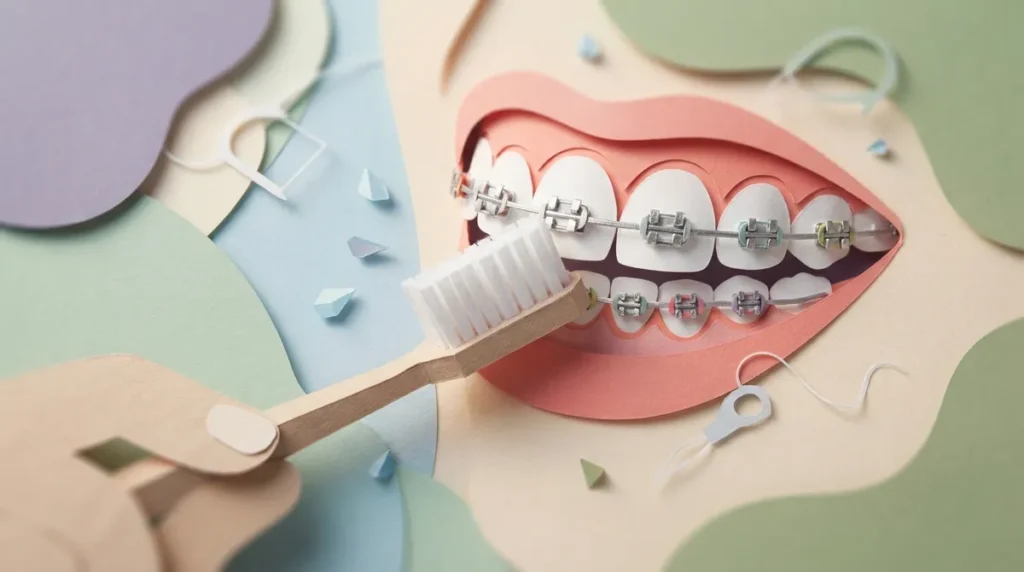
Many people rush through brushing, especially in the morning. But with braces, quick brushing just does not cut it. Plaque builds up around brackets fast, and a rushed job leaves plenty behind.
- Brush for at least 2 to 3 minutes every time
- Aim to brush after every meal, not just morning and night
- Hold your brush at a 45-degree angle toward the gumline
- Use small circular motions above, below, and directly on each bracket
Nationwide Children’s Hospital even recommends kids with braces brush five times a day for about five minutes total. That might sound like a lot, but it becomes second nature quickly once it’s part of your routine.
Mistake 2: Skipping Flossing Because It Feels Too Hard
We get it. Threading floss under a wire feels tricky at first. But skipping this step lets plaque sit between your teeth all day, which can lead to swollen gums or decay.
Simple Ways to Floss With Braces
- Use a floss threader to guide floss under the archwire
- Try interproximal brushes for quick cleaning between brackets
- Consider a water flosser for a faster, gentler option
- Floss at least once a day, ideally before bed
If you’re not sure which method fits your lifestyle, our team can show you during your visit. Many parents find that WildSmiles Braces actually make it easier to spot missed plaque, since the fun bracket shapes help kids and parents check that brushing was thorough.
Mistake 3: Using the Wrong Toothbrush
A regular flat toothbrush struggles to reach around brackets and wires. This is one of the easiest mistakes to fix, and it makes a big difference right away.
| Toothbrush Type | Best For | Why It Helps |
|---|---|---|
| Orthodontic V-shaped brush | Cleaning around brackets | Bristles angle to reach both above and below brackets |
| Electric toothbrush | Overall plaque removal | Consistent motion reaches tricky spots more efficiently |
| Interdental brush | Between teeth and wires | Small size fits into tight gaps standard brushes miss |
| Water flosser | Flushing out debris | Gentle stream removes food particles under wires |
Remember to replace your toothbrush head every three months, or sooner if the bristles look worn. A fresh brush cleans far better than a tired, flattened one.
Mistake 4: Forgetting Fluoride Toothpaste and Rinses
Braces can make enamel more vulnerable to decalcification, those white spots that show up after brackets come off. Fluoride helps strengthen enamel and fight this.
- Always use fluoride toothpaste, twice daily minimum
- Add an antimicrobial or anti-cavity fluoride rinse to your routine
- Ask about prescription-strength fluoride if you’re at higher risk
- Rinse with water immediately after sugary or acidic drinks
The American Board of Orthodontics emphasizes that consistent daily hygiene habits are just as important as the appliance itself when it comes to protecting your smile during treatment.
Mistake 5: Skipping Professional Cleanings
Some patients think brushing at home is enough, but professional cleanings are still essential while wearing braces. Dental hygienists can reach spots your toothbrush simply cannot.
How Often Should You Get Professional Cleanings?
- Every six months at minimum for most patients
- Up to four times a year if you’re prone to plaque buildup
- More frequent visits if you have gum sensitivity or early decay signs
- Follow your dentist’s specific recommendation based on your risk level
During these visits, hygienists may temporarily remove your wires and bands to clean every surface thoroughly, then put everything back in place. It’s a normal part of the process and nothing to worry about.
Mistake 6: Ignoring Sugary or Staining Drinks
Soda, sports drinks, coffee, and tea can all stain your teeth and feed the bacteria that cause cavities. With braces, these effects show up even faster around your brackets.
- Limit sugary and acidic drinks whenever possible
- Use a straw to reduce contact with your teeth
- Brush immediately after these drinks, or rinse with water
- Choose water as your go-to beverage during treatment
This is especially important for teens juggling sports practices and after-school snacks, and for professionals who rely on coffee to get through busy workdays.
Mistake 7: Not Adjusting Your Routine for Your Treatment Type
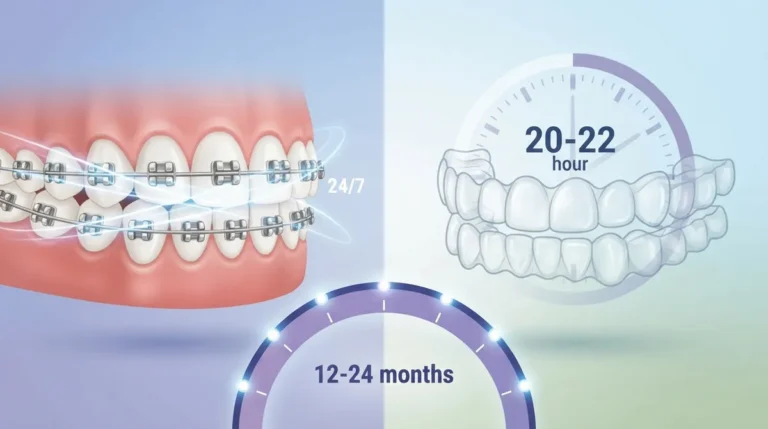
Cleaning habits can look a little different depending on whether you have traditional braces or clear aligners. Knowing the difference helps you stay consistent.
| Treatment Type | Cleaning Focus | Extra Tip |
|---|---|---|
| Traditional metal braces | Around brackets and under wires | Use threaders and interdental brushes daily |
| LightForce Braces | Custom bracket surfaces | Digital design reduces plaque traps compared to standard brackets |
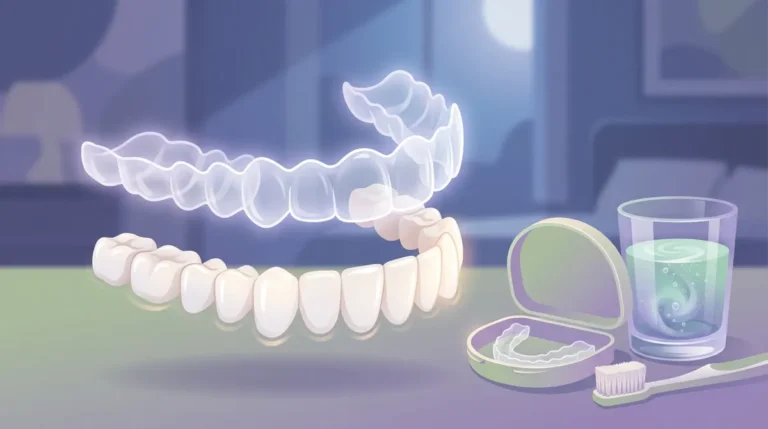
| Angel Aligners | Trays and natural teeth | Brush teeth before reinserting trays after meals |
| WildSmiles Braces | Fun shaped brackets | Check that shapes are visible after brushing to confirm cleanliness |
If you’re wearing Lightforce Orthodontics brackets, you’ll notice they’re designed to bond more precisely to your teeth, which can actually make brushing a bit easier compared to older bracket styles. And for clear aligner wearers, always brush before popping trays back in, since trapped food particles sit against your teeth for hours otherwise.
Mistake 8: Waiting Until Something Hurts to Ask for Help
Some patients wait too long to bring up bleeding gums, bad breath, or a loose bracket. These are all signs your cleaning routine needs a tweak, or that you need a quick office visit.
- Bleeding gums often mean plaque buildup needs attention
- Persistent bad breath can signal trapped food or bacteria
- White spots near brackets mean it’s time to boost fluoride use
- Loose or poking wires should be checked right away
Don’t wait for discomfort to become a bigger problem. If something feels off, it’s always better to reach out early. You can contact us anytime you have questions about your cleaning routine or notice changes in your gums or teeth.
A Quick Daily Cleaning Checklist
Here’s a simple routine you can follow every day to stay on top of things, no matter which treatment you’re using.
- Brush for 2 to 3 minutes after breakfast, lunch, and dinner
- Floss once daily using a threader or water flosser
- Rinse with a fluoride mouthwash before bed
- Check brackets and wires for visible plaque or damage
- Avoid sugary drinks or rinse with water right after
- Replace your toothbrush head every three months
Consistency really is the secret ingredient here. Once this becomes a habit, it barely feels like extra work at all.
How Segovia Orthodontics Supports Your Cleaning Routine
Dr. Flor Segovia and her team believe that great treatment results come from great daily habits. That’s why every patient at our Lakewood Ranch office gets personalized guidance on brushing, flossing, and product recommendations that fit their specific treatment, whether that’s traditional braces, clear aligners, or fun options like WildSmiles.
We also use advanced orthodontic technology to design treatments that are easier to keep clean from the start. Parents love that our office feels welcoming and family-friendly, and busy professionals appreciate our flexible scheduling for cleanings and check-ins. You can read more about our approach on our Why Choose Us page, or check out real patient experiences on our Facebook page and our Instagram page.
Curious what other Lakewood Ranch families think? You can also visit us on Google — Segovia Orthodontics to see reviews from patients just like you.
Wrapping It All Up
Teeth cleaning with braces doesn’t have to be stressful or confusing. By avoiding these eight common mistakes, brushing properly, flossing daily, choosing the right tools, and keeping up with professional cleanings, you’ll protect your smile every step of the way. Your future self, with that beautiful straight smile, will thank you for the effort you put in now.
If you have questions about your cleaning routine or want to make sure your treatment is on track, our friendly Lakewood Ranch team is here to help. Feel free to request an appointment today, or simply call us at 941-557-1333 to chat with our team. We can’t wait to help you keep your smile healthy and bright throughout your entire orthodontic journey!
FAQs
Q: Can you get your teeth cleaned while wearing braces?
A: Absolutely! Professional cleanings are still important, and in fact even more important, while you have braces. Your hygienist may gently remove wires or bands to clean thoroughly, then put everything back in place before you leave.
Q: How often should you brush your teeth with braces?
A: Aim to brush at least three times a day, ideally after every meal, for 2 to 3 minutes each time. Some orthodontists even recommend brushing up to five times daily for kids with braces to really keep plaque away.
Q: What is the best toothbrush for cleaning teeth with braces?
A: Orthodontic toothbrushes with V-shaped bristles or electric toothbrushes designed for braces tend to work best. They reach around brackets more effectively than a standard flat brush, making your cleaning routine faster and more thorough.
Q: Do dentists remove braces wires during a cleaning?
A: Sometimes, yes! If your hygienist needs better access to clean around your brackets, they may temporarily remove the archwire. Don’t worry, this is a routine part of many cleanings and your wire goes right back afterward.
Q: How do you floss with braces?
A: You can use a floss threader to guide floss under your archwire, or try a water flosser for a quicker option. Interdental brushes work great too, and many patients find a combination of tools makes daily flossing much easier.
Our Service Area