Key Takeaways
-
Schedule your child's first orthodontic evaluation by age 7 to allow the orthodontist to monitor jaw growth and permanent tooth development, even if treatment doesn't start immediately.
-
Most kids begin comprehensive braces between ages 10 and 14 when permanent teeth have erupted and the jaw is still growing, allowing orthodontists to guide both teeth and jaw alignment simultaneously.
-
Watch for early warning signs like difficulty chewing, mouth breathing, severe crowding, crossbites, or jaw clicking that may warrant an evaluation before age 7 rather than waiting.
-
Phase 1 early treatment (6-12 months) can address specific problems like severe crowding or crossbites while your child still has baby teeth and growing jaw bones, often followed by comprehensive treatment later.
-
Bradenton families have multiple braces options including traditional metal braces, fun WildSmiles brackets, precision LightForce braces, and clear aligners for responsible teens—choose based on your child's age, needs, and ability to maintain hygiene.
-
Successful braces treatment requires daily brushing after meals, flossing with threaders, avoiding sticky foods, regular dental cleanings, and consistent wear compliance to stay on track for the typical 18-24 month timeline.
Is your child chewing funny, hiding their smile, or breathing through their mouth at night? You’re not alone. So many Bradenton moms and dads sit in our chairs wondering the exact same thing: is it time for braces, or should we wait a bit longer? The good news is that finding clear answers about children’s braces Bradenton families can trust doesn’t have to feel overwhelming. Let’s walk through it together, one friendly fact at a time.
Whether you’re a busy mom juggling soccer practice and school pickups, or a parent simply wanting the best for your kiddo’s smile, this guide breaks down everything in plain, simple language. We’ll cover when to start, what appliances actually do, how to keep your child’s teeth healthy during treatment, and how to choose a provider you genuinely feel good about. Grab a cup of coffee, and let’s get into it.
1. The First Check-Up Should Happen by Age 7
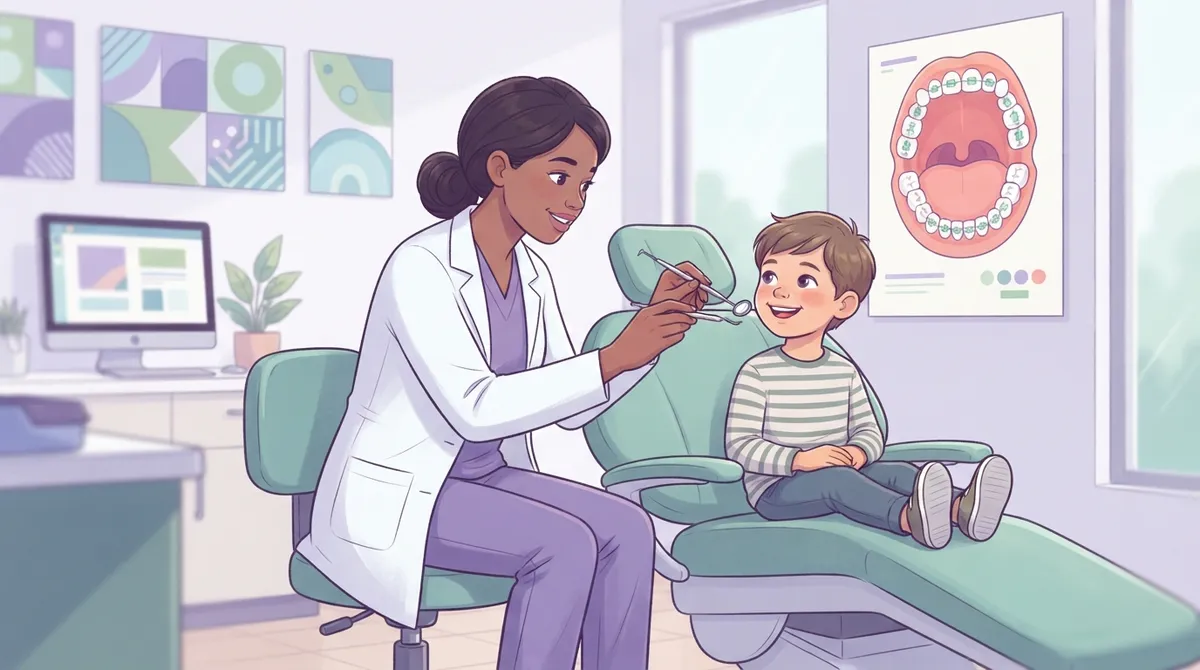
Here’s a fact that surprises a lot of parents: the American Association of Orthodontists recommends kids get their first orthodontic evaluation by age 7. At this age, your child still has a mix of baby teeth and adult teeth. That mix gives an orthodontist a clear window into how the jaw is growing and whether permanent teeth are coming in the right way.
This doesn’t mean your seven-year-old will walk out with a mouth full of metal. Most of the time, this early visit is simply about watching and waiting. If you want to learn more about what this appointment actually involves, check out our page on the first orthodontic visit.

2. An Early Evaluation Doesn’t Always Mean Immediate Treatment
Take a deep breath, mama. Just because your child gets checked at age 7 doesn’t mean braces are coming right away. In many cases, the orthodontist will simply monitor your child’s growth every six to twelve months. Treatment typically only starts early if there’s a specific issue brewing, like a crossbite or a jaw that’s growing unevenly.
Think of it like a regular check-up with your pediatrician. Most visits are just about keeping tabs on healthy development. Only when something needs attention does the plan change.
3. Most Kids Start Comprehensive Braces Between Ages 10 and 14
While every child is different, most kids who need full braces start treatment somewhere between ages 10 and 14. Why this window? By this age, most permanent teeth have come in, but the jaw is often still growing. That combination gives orthodontists like Dr. Flor Segovia a great opportunity to guide both teeth and jaw growth at the same time.
Keep in mind, this is an average, not a strict rule. Some kids may need care sooner, and others later, depending on their specific dental development. Learn more about what typically happens during teen orthodontic treatment as your child gets closer to this stage.
Signs Your Child May Need an Evaluation Sooner
Sometimes a problem shows up before age 7, and parents want to know if they should wait or act now. Here are signs that mean it’s worth calling sooner rather than later:
- Difficulty chewing or biting food
- Mouth breathing or snoring at night
- Thumb sucking that continues past age 5
- Baby teeth falling out very early or very late
- Teeth that look severely crowded or crooked
- A noticeable crossbite or teeth that stick out
- Jaw that shifts or clicks when opening and closing
- Facial asymmetry, where one side looks different from the other
If any of these sound familiar, don’t wait for the age-7 milestone. Reach out and contact us so we can take a look and ease your mind.
4. Phase 1 Treatment Tackles Problems Early
Some kids benefit from what’s called Phase 1, or early treatment. This isn’t full braces. It’s a shorter, more targeted step to fix a specific problem while your child still has baby teeth and growing jaw bones.
Phase 1 treatment is often considered for things like:
- Severe crowding that’s affecting how teeth come in
- A crossbite, where upper and lower teeth don’t line up correctly
- Harmful habits like prolonged thumb sucking
- Excessive overjet, where top teeth stick out too far
- Impacted teeth that are stuck and can’t erupt normally
- Jaw growth that’s noticeably uneven
This phase often lasts around 6 to 12 months, though every case looks different. Afterward, your child may go through a resting period, followed by a second phase once more permanent teeth arrive. To understand this process in more depth, take a look at our page on early orthodontic treatment.
5. There Are Several Braces Options Worth Knowing About
Gone are the days when braces meant one boring silver look for everyone. Bradenton families today have real choices, and picking the right one depends on your child’s age, needs, and personality.
| Braces Option | Best For | Why Families Like It |
|---|---|---|
| Traditional Metal Braces | Most children, especially complex cases | Durable, effective, and budget-friendly |
| WildSmiles Braces | Kids who want to express personality | Fun shapes like stars, hearts, and Mickey Mouse brackets |
| LightForce Braces | Kids wanting precision and a subtle look | Custom 3D-printed brackets in clear or white |
| Clear Aligners (Angel Aligners) | Responsible teens with mild-to-moderate needs | Removable, nearly invisible, budget-conscious |
Metal braces remain a reliable workhorse for many kids, especially younger ones or those with more complex bite issues. If your child loves being a little playful about their treatment, WildSmiles Braces lets them choose from fun shapes like stars, hearts, and even Mickey Mouse brackets. It’s a small thing, but it can make a huge difference in how excited your child feels about brushing and caring for their braces.
For families wanting a more advanced, precision-based option, Lightforce Orthodontics uses fully digital, 3D-printed brackets custom-made for each tooth. This can mean more comfort and, in many cases, noticeably faster treatment times.
6. Clear Aligners Can Work for Some Older Kids and Teens
Not every child is a candidate for clear aligners, but for responsible teens with mild-to-moderate alignment issues, they can be a great fit. Aligners are removable, which is a plus for eating and brushing, but that also means success depends heavily on your teen actually wearing them as instructed.
Options like Angel Aligners use a smart, AI-driven approach and a unique wear schedule that can sometimes speed things along while staying budget-friendly. If you’re curious whether your teen is ready for this kind of responsibility, our clear aligners page walks through what’s involved. You might also enjoy comparing options on our types of braces page before making a final decision.
7. Oral Hygiene Becomes a Whole New Job With Braces
Let’s be honest, moms: braces add a little extra work to the daily routine. But it’s totally manageable once you and your child get into a rhythm. Good hygiene habits are what keep those pearly whites healthy and treatment on schedule.
Here’s a simple routine to help your child stay on track:
- Brush after every meal, angling the brush to reach around brackets and wires
- Floss daily using floss threaders or an orthodontic flosser
- Rinse with water after snacks if a full brush isn’t possible
- Avoid sticky, hard, or chewy foods that can bend wires or pop brackets
- Keep regular dental cleanings on the calendar, even during orthodontic treatment
Fun fact: with WildSmiles brackets, it’s actually easier to check brushing quality. The unique bracket shapes stay visible when brushing is thorough, so both kids and parents get a built-in visual cue that hygiene is on point.
8. Broken Brackets and Loose Wires Happen, and That’s Okay
If your child comes home with a poking wire or a loose bracket, don’t panic. It happens to almost every kid at some point during treatment. Most minor issues can be managed at home temporarily with orthodontic wax, but you’ll still want to get it checked soon.
Keep these tips in mind for handling common braces mishaps:
- Cover a poking wire with orthodontic wax until your appointment
- Never try to cut a wire yourself with scissors or clippers
- Save any broken pieces and bring them to your appointment
- Call the office promptly rather than waiting it out
For more guidance on handling these moments calmly, visit our orthodontic emergency page. It’s packed with clear, step-by-step advice for exactly these situations.
9. Choosing the Right Bradenton Orthodontist Matters More Than You Think
With so many practices around, how do you know who to trust with your child’s smile? Here’s what to look for during your search:
- A board-certified orthodontist with proper training and credentials
- A comprehensive first exam that explains all treatment options clearly
- Transparent talk about expected treatment length, retention, and fees
- Clear information about insurance coverage and financing plans
- A warm, welcoming office atmosphere where your child feels comfortable
Dr. Flor Segovia is a board certified orthodontist who uses advanced orthodontic technology and provides bilingual care in English and Spanish. Her credentials are backed by the American Board of Orthodontics, which sets rigorous standards for orthodontic specialists nationwide. You can read more about her approach on our Orthodontist Flor Segovia page, or see why so many local families choose our practice on our Why Choose Us page.
Since fees vary quite a bit depending on the appliance, complexity, and length of treatment, it’s smart to ask directly about costs during your consultation. Our orthodontic financing page also breaks down flexible payment options that can make treatment fit comfortably into your family budget.
How Long Does Treatment Really Take?
This is one of the most common questions we hear, and the honest answer is: it depends. Comprehensive braces commonly take roughly 18 to 24 months for many kids, though impacted teeth, jaw discrepancies, or inconsistent wear of appliances can stretch that timeline. Your orthodontist will give you a personalized estimate based on your child’s specific needs, not a generic number pulled from thin air.
Consistency really is everything here. Kids who show up for appointments, wear elastics or aligners as directed, and keep up with hygiene tend to finish closer to that estimated timeline. It’s one more reason a supportive, family-friendly practice matters so much during this journey.
We’re proud to serve families right here in Lakewood Ranch and throughout the greater Bradenton area, and we’d love to hear about your experience too. Feel free to check out our Facebook page or follow along on our Instagram page for smile transformations, office updates, and a peek into our day-to-day. You can also visit us on Google — Segovia Orthodontics to see what other Bradenton parents have to say about their experience.
Bringing It All Together
Finding the right path for children’s braces Bradenton families can rely on doesn’t have to be stressful. Start with that first evaluation around age 7, stay alert to warning signs, and know that most kids begin full treatment sometime between ages 10 and 14. Along the way, choosing an office that explains things clearly, offers appliance options your child will actually enjoy wearing, and treats your family like part of the community makes all the difference.
Ready to take the next step toward your child’s healthiest, happiest smile? Our team would love to meet you and your little one. Request an appointment today, or feel free to call us at 941-557-1333 if you have questions before booking. We can’t wait to be part of your family’s smile story.
FAQs
Q: At what age should my child get braces in Bradenton?
A: Most kids need their first check-up by age 7, but full braces usually start between ages 10 and 14. Every smile is different, so your orthodontist will give you a timeline made just for your child’s growth and bite.
Q: Does my child need braces at age 7, or is an evaluation enough?
A: For most kids, an evaluation at age 7 is truly enough for now. It lets the orthodontist watch how things are developing, and treatment only starts early if a specific problem needs attention sooner.
Q: What’s the difference between Phase 1 and comprehensive treatment?
A: Phase 1 is an early, targeted step that tackles a specific issue like crowding or a crossbite while your child still has some baby teeth. Comprehensive treatment comes later, once more permanent teeth have erupted, to fully align the smile.
Q: Are ceramic braces or clear aligners good options for kids?
A: They can be, depending on your child’s age and how responsible they are with wearing appliances consistently. Your orthodontist will look at your child’s specific case to recommend what fits best.
Q: What should I do if my child’s bracket breaks or a wire pokes?
A: Stay calm, it happens more often than you’d think! Cover any poking wire with orthodontic wax, avoid cutting anything yourself, and call your orthodontist’s office to get it looked at soon.
Our Service Area