Key Takeaways
-
An overbite is diagnosed when upper teeth overlap lower teeth by more than 2-4mm; early evaluation by age 7 allows orthodontists to guide jaw growth while it’s still developing, potentially reducing need for invasive procedures later.
-
Untreated overbites can cause tooth wear, jaw pain, TMJ issues, chewing difficulties, gum disease, and speech problems; catching issues early in children often means simpler, faster treatment.
-
Treatment options include traditional braces (18-24 months), clear aligners like Angel Aligners (12-24 months), palatal expanders for children (6-12 months), and jaw surgery for severe skeletal cases; choice depends on age, severity, and lifestyle.
-
Modern orthodontic technology like 3D-printed LightForce brackets can speed up treatment by 45%, while clear aligners with frosted finish provide discreet correction for busy professionals.
-
Teeth can shift back after treatment if retainers aren’t worn as directed; wearing retainers regularly, especially the first year, and cleaning them properly protects long-term results.
-
Choosing a board-certified orthodontist with advanced training ensures precise treatment planning using modern digital tools and transparent communication about timelines and costs.
Have you noticed your child’s top teeth covering their bottom teeth more than they should? Or maybe you’ve caught yourself grinding your jaw at night and wondered if your bite is to blame. You’re not alone, and you’re in the right place. Overbite correction is one of the most common reasons families visit our office, and the good news is that today’s treatment options are more comfortable and effective than ever before.
At Segovia Orthodontics in Lakewood Ranch, we see patients of every age walk through our doors with the same question: can my bite actually be fixed? The answer is almost always yes. Whether you’re a busy mom juggling school pickups, a young professional eyeing clear aligners, or an adult whose old orthodontic work has started to shift, this guide will walk you through everything you need to know about correcting an overbite in 2026.
1. Understand What an Overbite Really Is
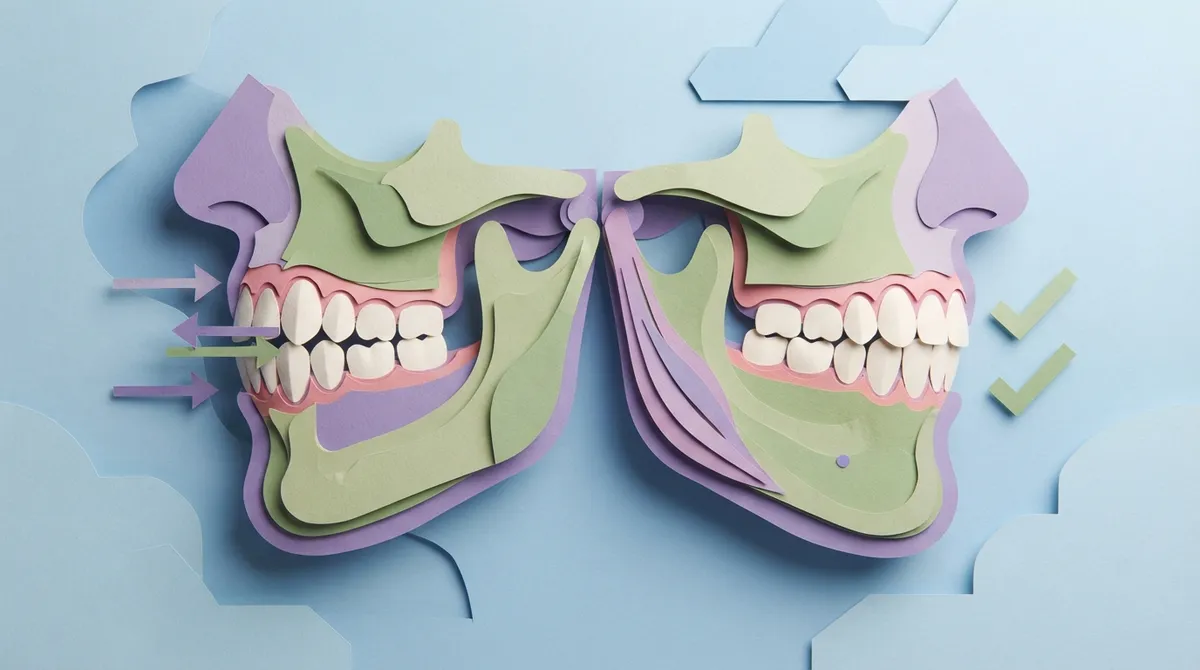
An overbite happens when your upper front teeth overlap your lower front teeth more than they should. According to the Cleveland Clinic, an overbite is generally diagnosed when the upper teeth overlap the lower teeth by more than 2 to 4 millimeters. A little bit of overlap is totally normal, and some sources note that up to 10% to 20% overlap can still be considered healthy.
The tricky part is that overbites can be sneaky. Some are barely noticeable, while others cause visible changes to a person’s smile and profile. Either way, getting a proper evaluation is the best first step toward understanding your unique situation.
Overbite vs. Overjet: What’s the Difference?
People often mix these two terms up, and honestly, that’s fair since they sound so similar. An overbite refers to vertical overlap (how much the top teeth cover the bottom teeth up and down). An overjet, on the other hand, describes horizontal distance (how far the top teeth stick out in front of the bottom teeth).
Many patients actually have a combination of both. That’s why a thorough exam with a trained orthodontist matters so much when figuring out the right treatment plan for you.

2. Know Why Overbites Happen in the First Place
Overbites can come from genetics, thumb-sucking habits, prolonged pacifier use, tongue thrusting, or even the natural shape of your jawbone. Sometimes it’s simply how a family’s teeth and jaws are built, passed down through generations.
Here are some common causes we see in our Lakewood Ranch practice:
- Genetics and inherited jaw shape
- Childhood habits like thumb-sucking or pacifier use
- Tongue thrusting during swallowing
- Missing or extra teeth affecting alignment
- Jaw growth patterns that develop differently over time
Knowing the cause doesn’t change the treatment much, but it does help us predict how your bite might change over time, especially in growing children.
3. Recognize the Risks of Leaving an Overbite Untreated
We get it, life is busy, and sometimes orthodontic treatment feels like something you can put off. But an untreated overbite can lead to bigger problems down the road. Here’s what can happen if a significant overbite goes uncorrected:
- Increased tooth wear and enamel erosion from teeth grinding against each other unevenly
- Jaw pain and discomfort, sometimes leading to TMJ-related issues
- Difficulty chewing food properly, which can affect digestion over time
- Higher risk of gum disease due to hard-to-clean overlapping teeth
- Speech difficulties in some more severe cases
- Lower self-confidence tied to the appearance of the smile
The good news? Catching this early, especially in kids, often means simpler, faster treatment. Learn more about our approach to common orthodontic problems and how we address them for patients of every age.
4. Explore the Best Age for Evaluation
Parents often ask us, “When should my child first see an orthodontist?” The American Association of Orthodontists recommends a first evaluation by age 7. This might sound early, but it gives us a chance to spot developing bite issues while your child’s jaw is still growing and easier to guide.
Here’s why early evaluation matters so much:
- Orthodontists can guide jaw growth using appliances designed for children
- Early treatment can reduce the need for more invasive procedures later
- It gives families time to plan financially and schedule around school activities
- Some issues are far easier to correct before permanent teeth fully come in
If your child is due for a checkup, our team offers a friendly, low-pressure first orthodontic visit designed to put both you and your child at ease.
5. Compare Your Overbite Treatment Options
There isn’t a one-size-fits-all solution for overbite correction. Your treatment depends on your age, how severe the overbite is, and whether the issue is with your teeth, your jaw, or both. Here’s a breakdown of common options:
| Treatment Option | Best For | Typical Timeframe |
|---|---|---|
| Traditional Metal Braces | Kids, teens, and adults with moderate to severe overbites | 18 to 24 months |
| Clear Aligners (like Angel Aligners) | Teens and adults with mild to moderate overbites | 12 to 24 months |
| Palatal Expanders | Growing children with narrow upper jaws | 6 to 12 months |
| Rubber Bands with Braces | Patients needing extra bite correction alongside braces | Varies, often the full treatment length |
| Jaw Surgery (Orthognathic) | Severe skeletal overbites not resolved by braces alone | Combined with 12+ months of orthodontic care |
Our office offers several of these paths, including types of braces suited to different lifestyles and budgets. We’ll walk you through the pros and cons of each so you can make a confident, informed decision.
Braces: A Reliable Classic
Traditional braces remain one of the most effective ways to correct an overbite, especially for kids and teens whose jaws are still developing. Our WildSmiles Braces add a fun twist with fun bracket shapes like stars, hearts, and even Mickey Mouse designs, making treatment something kids actually look forward to.
For patients who want a more discreet, custom-fit option, LightForce Orthodontics uses 3D-printed brackets designed specifically for your teeth. This technology can speed up treatment time by up to 45%, which is a huge win for busy professionals and teens with packed schedules.
Clear Aligners: The Discreet Choice
For young professionals and adults who want overbite correction without anyone noticing, clear aligners are often the answer. Our clear aligners option includes Angel Aligners, which use a smart “7+3” wear schedule to help move teeth efficiently while staying budget-friendly compared to some premium aligner brands.
Angel Aligners also feature a frosted finish that minimizes shine, so they blend in beautifully during meetings, dates, or that big wedding you’ve got coming up.
6. Know What Treatment Actually Feels Like
Many patients worry that fixing an overbite means months of discomfort. The truth is, modern orthodontic care is far gentler than it used to be. Most people experience mild soreness for a few days after adjustments, and then it’s smooth sailing.
Here’s what a typical overbite correction journey looks like:
- Initial consultation and detailed bite evaluation
- Custom treatment plan created using digital imaging or 3D scans
- Placement of braces or delivery of your first set of aligners
- Regular check-ins every 4 to 8 weeks for adjustments
- Gradual bite improvement as teeth and jaw respond to treatment
- Removal of braces or completion of aligner trays
- Fitting for a custom retainer to protect your results
Our team uses advanced orthodontic technology to keep this process as smooth and predictable as possible.
7. Understand Retention After Treatment
Here’s something many patients don’t expect: your teeth can shift back after treatment if you skip wearing your retainer. This is especially common among adults who had braces years ago and stopped wearing their retainer regularly.
If your bite has started to relapse, you’re definitely not alone, and there’s no shame in coming back for a tune-up. Our orthodontic retainers are custom-fit to keep your smile exactly where it belongs long after treatment ends.
Tips for successful retention include:
- Wearing your retainer as directed, especially during the first year
- Cleaning your retainer regularly to prevent bacteria buildup
- Bringing your retainer to checkups so we can verify the fit
- Replacing worn or cracked retainers promptly
8. Consider Your Life Stage When Planning Treatment
Overbite correction looks a little different depending on where you are in life, and that’s exactly why we tailor our approach for every patient.
For Concerned Parents
If you’re a mom juggling soccer practice, homework, and everything in between, you’ll appreciate that we offer flexible scheduling and treatments designed specifically for growing kids. Our early orthodontic treatment options can guide jaw development before more serious issues develop.
For Teens With Busy Schedules
Between sports, clubs, and social lives, teens need efficient care that fits their world. Our teen orthodontic treatment plans are built around real teenage schedules, not the other way around.
For Working Adults
If you’re preparing for a big presentation or simply don’t want visible metal in your smile, clear aligners might be your best bet. Our adult orthodontics program is designed with discretion and efficiency in mind.
For Life Event Planners
Got a wedding, graduation, or big career milestone coming up? Many patients start overbite correction specifically to feel confident in photos and celebrations. The sooner you start, the more likely you are to see great results before your big day.
9. Choose an Experienced, Board-Certified Orthodontist
Overbite correction isn’t something you want to leave to guesswork. Choosing a provider with real training and experience makes a huge difference in your results and comfort throughout treatment.
Dr. Flor Segovia is a board certified orthodontist credentialed by the American Board of Orthodontics, which means she’s completed additional rigorous training beyond dental school specifically in orthodontic care. She’s also bilingual, providing warm and clear communication in both English and Spanish for families throughout Lakewood Ranch.
Here’s what sets a trusted orthodontic practice apart:
- Board certification and ongoing professional education
- Use of modern digital tools for precise treatment planning
- A comfortable, welcoming office environment
- Transparent communication about timelines and costs
- Flexible financing options to fit your budget
To learn more about our team’s approach, visit our Orthodontist Flor Segovia page, or check out why families choose us for their orthodontic care.
Making Overbite Correction Fit Your Budget
Cost is often top of mind, and we get it, orthodontic care is an investment. The good news is that flexible orthodontic financing options can make treatment accessible without straining your monthly budget. We’re happy to walk you through payment plans that work for your family’s specific situation.
Don’t just take our word for it, either. You can follow us on Facebook or check out our Instagram page to see real transformations from patients right here in Lakewood Ranch. You can also visit us on Google — Segovia Orthodontics to read reviews from families just like yours.
Ready to Start Your Overbite Correction Journey?
Correcting an overbite isn’t just about aesthetics, it’s about protecting your long-term dental health, comfort, and confidence. Whether you’re bringing in your seven-year-old for their first checkup or you’re an adult ready to finally fix that bite you’ve been putting off, our Lakewood Ranch team is here to help every step of the way.
Still have questions about braces, clear aligners, or where to even start? Check out our FAQ orthodontic treatment page for more answers, or browse our thoughts on all about braces to learn more about your options.
Ready to get started? Request an appointment today, or feel free to contact us with any questions. You can also simply call us at 941-557-1333, and our friendly team will help you find the best path toward your healthiest, most confident smile yet.
FAQs
Q: What is the difference between an overbite and an overjet?
A: Great question, and one we hear all the time! An overbite is about vertical overlap, meaning how much your top teeth cover your bottom teeth up and down. An overjet is about horizontal distance, or how far your top teeth stick out in front of your bottom teeth. Many patients actually have a mix of both, which is why a thorough exam matters so much.
Q: Can braces correct an overbite without surgery?
A: In most cases, yes! Braces alone can correct mild to moderate overbites, especially when combined with tools like rubber bands or palatal expanders. Surgery is typically reserved for severe skeletal cases where the jaw bones themselves need repositioning, which is honestly pretty rare.
Q: Are clear aligners effective for overbite correction?
A: Absolutely, clear aligners like our Angel Aligners can work wonders for mild to moderate overbites. They’re a fantastic choice if you want a more discreet option that fits into a busy professional or social life. Treatment typically takes about 12 to 24 months, depending on your specific bite.
Q: At what age should a child be evaluated for an overbite?
A: We recommend bringing your child in for their first orthodontic checkup around age 7. It might feel early, but this gives us a chance to catch bite issues while their jaw is still growing and much easier to guide into place.
Q: What happens if an overbite is left untreated?
A: Left untreated, an overbite can lead to tooth wear, jaw pain, chewing difficulties, and even gum disease over time. The sooner you address it, the simpler and more comfortable your treatment journey tends to be. We’re always happy to take a look and put your mind at ease either way.
Our Service Area