Key Takeaways
-
Clear aligners offer near-invisible teeth straightening with removable trays, typically taking 6-18 months and ideal for mild to moderate orthodontic issues.
-
Lingual braces provide complete invisibility by attaching to the back of teeth, effectively treating complex orthodontic problems while remaining hidden.
-
Ceramic braces use tooth-colored brackets for a subtle appearance, offering traditional bracing effectiveness with improved aesthetics.
-
Self-ligating braces use specialized clips instead of elastic bands, reducing friction and potentially shortening treatment times with less discomfort.
-
Retainers can make minor tooth corrections and are perfect for maintaining previous orthodontic treatment results or addressing small alignment shifts.
-
Accelerated orthodontic techniques can reduce treatment time by 30-50% using micro-osteoperforation and vibration technologies for faster tooth movement.
-
Dental veneers offer a quick cosmetic alternative for minor aesthetic concerns, instantly improving tooth appearance without actual orthodontic movement.
If you’ve been dreaming of straighter teeth but cringe at the thought of traditional metal braces, you’re not alone. Many people wonder if there are other ways to achieve that perfect smile without the brackets and wires. The good news? Modern orthodontics has evolved tremendously, and there are now several alternatives to braces that can give you beautiful results without the metallic look.
Whether you’re a busy professional who wants discreet treatment, a parent exploring options for your teenager, or someone who had braces years ago and needs a touch-up, understanding your alternatives helps you make the best decision for your smile journey. Let’s explore the most effective options available in 2026 that can help you achieve the straight teeth you’ve always wanted.
At Segovia Orthodontics at Lakewood Ranch, Dr. Flor Segovia offers personalized treatment plans using the latest orthodontic technology to help patients achieve their dream smiles comfortably and efficiently.

1. Clear Aligners: The Most Popular Alternative
Clear aligners have revolutionized orthodontic treatment and remain the most sought-after alternative to traditional braces. These transparent, removable trays gently shift your teeth into their proper positions over time. You wear each set of aligners for about one to two weeks before moving to the next set in your treatment series.
The biggest advantage of clear aligners is their near-invisibility. Most people won’t even notice you’re wearing them, which makes them perfect for adults in professional settings or teens who feel self-conscious. You can remove them for eating, brushing, and special occasions, giving you flexibility that traditional braces simply can’t offer.
Treatment time with clear aligners typically ranges from 6 to 18 months, depending on your specific needs. They work well for mild to moderate orthodontic issues including crowding, spacing, and certain bite problems. If you’re interested in learning more about this option, you can explore clear aligners to see if they’re right for you.
Who Benefits Most from Clear Aligners?
Clear aligners are ideal for young adults and professionals who want to straighten their teeth discreetly. They’re also perfect for people with active lifestyles since you can remove them during sports or physical activities. However, they require discipline—you need to wear them 20-22 hours daily for best results.
2. Lingual Braces: Hidden Behind Your Teeth
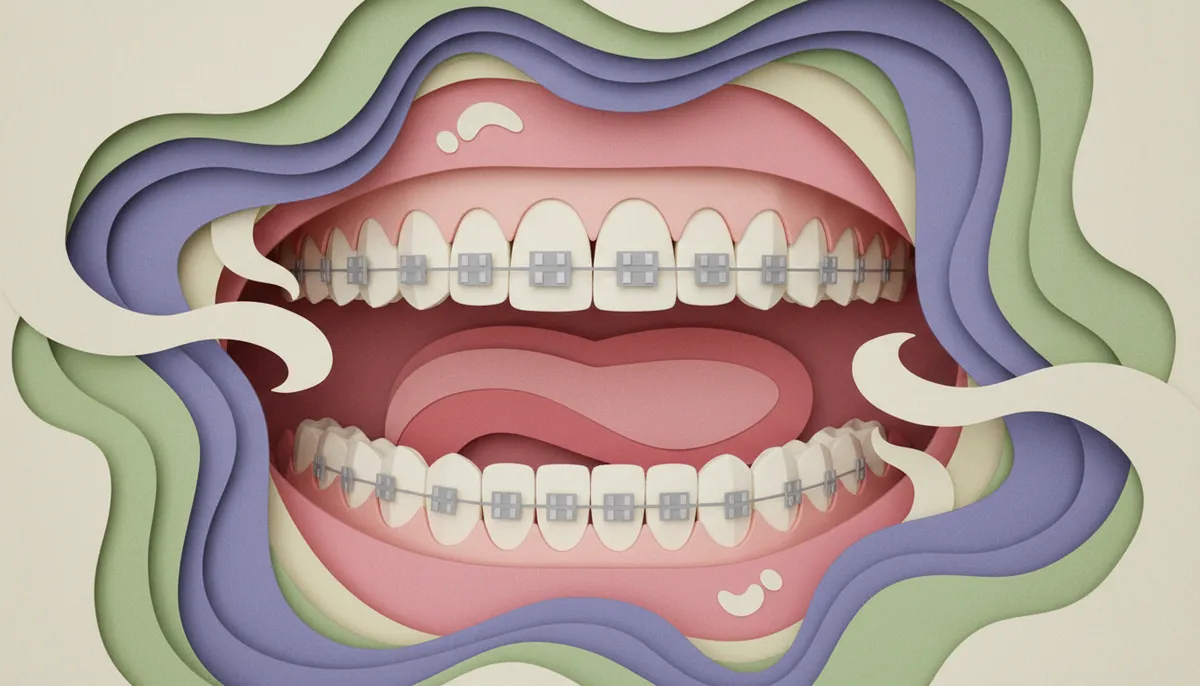
Lingual braces offer a unique solution for people who want the effectiveness of traditional braces with complete invisibility. Unlike conventional braces that attach to the front of your teeth, lingual braces are placed on the back surfaces, making them completely hidden from view.
These braces work just like traditional ones, using brackets and wires to move your teeth. They can treat even complex orthodontic issues that clear aligners might not handle as effectively. The treatment process is similar to regular braces, with periodic adjustments needed every 4-8 weeks.
The main drawback is that lingual braces can feel uncomfortable at first, especially against your tongue. They also require a bit more time to get used to and may temporarily affect your speech. However, for people who want maximum invisibility with the power of traditional braces, they’re an excellent choice.
3. Ceramic Braces: Tooth-Colored and Subtle
Ceramic braces function exactly like traditional metal braces but use clear or tooth-colored brackets that blend with your natural teeth. The wires can also be tooth-colored, making the entire system much less noticeable than silver metal braces.
These braces are strong and effective for treating a wide range of orthodontic problems. They’re particularly popular with teenagers and adults who want effective treatment but prefer a more subtle appearance. The brackets are slightly larger than metal ones and can stain if not properly cared for, but with good oral hygiene, they maintain their appearance throughout treatment.
Treatment time with ceramic braces is comparable to traditional braces, usually lasting 18-24 months. They require the same care and adjustment schedule as metal braces. If you’re exploring different types of braces, ceramic options might be the perfect balance between effectiveness and aesthetics.
Caring for Ceramic Braces
- Avoid staining foods and drinks like coffee, tea, and tomato sauce
- Brush after every meal to prevent discoloration
- Use a soft-bristled toothbrush to protect the brackets
- Attend all adjustment appointments for optimal results
4. Self-Ligating Braces: Faster and More Comfortable
Self-ligating braces represent a technological advancement in traditional orthodontics. These braces use a specialized clip mechanism instead of elastic bands to hold the wire in place. This design reduces friction and allows teeth to move more freely and comfortably.
The benefits include fewer adjustment appointments, less discomfort, and potentially shorter treatment times. The brackets can be either metal or ceramic, giving you options for appearance. Because there are no elastic bands, there’s also less plaque buildup, making oral hygiene easier during treatment.
Many orthodontists prefer self-ligating braces for their efficiency and patient comfort. They work well for people of all ages and can address various orthodontic concerns from simple to complex cases.
5. Orthodontic Retainers: For Minor Corrections
If you’ve had braces before and experienced minor relapse, or if you only need slight adjustments, orthodontic retainers might be all you need. Certain types of retainers can apply gentle pressure to shift teeth back into alignment.
Clear retainers that resemble aligners can sometimes move teeth minimally over time. While they’re not as powerful as full orthodontic treatment, they’re perfect for maintaining results or making small corrections. They’re also the most affordable option and virtually invisible.
After any orthodontic treatment, wearing orthodontic retainers is essential to prevent your teeth from shifting back. If you’re dealing with minor relapse issues, a consultation can determine if retainers alone could solve your concerns.
When Retainers Work Best
Retainers are most effective for people with very minor spacing or crowding issues, or those experiencing relapse after previous orthodontic treatment. They’re not suitable for significant bite problems or major tooth movement, but they’re perfect for maintenance and small adjustments.
6. Removable Aligners for Teens: Age-Appropriate Treatment
Teenagers have unique orthodontic needs, and many clear aligner systems now offer teen-specific versions with special features. These aligners include compliance indicators that show parents and orthodontists whether the teen is wearing them as prescribed.
Teen aligners often come with features like eruption tabs to accommodate growing teeth and replacement aligners in case some get lost. This makes them more practical for younger patients who might be less experienced with orthodontic care.
The removable nature means teens can eat whatever they want and maintain normal oral hygiene without the restrictions of traditional braces. For more information about teen orthodontic treatment options, consider scheduling a consultation to explore what works best for your child’s lifestyle and needs.
7. Accelerated Orthodontics: Faster Treatment Options
For people who want results quickly, accelerated orthodontics combines traditional treatment methods with techniques that speed up tooth movement. These approaches can reduce treatment time by 30-50% in some cases.
One method uses micro-osteoperforation, where tiny punctures in the bone around teeth stimulate faster movement. Another approach uses special vibration devices that patients use at home to accelerate the biological process of tooth movement. These techniques work alongside clear aligners or braces.
While accelerated options aren’t right for everyone, they’re perfect for people planning weddings, job interviews, or other important life events. The cost is typically higher than standard treatment, but the time savings can be worth it for motivated patients.
8. Dental Veneers: Cosmetic Alternative for Specific Cases
While not technically an orthodontic treatment, dental veneers can create the appearance of straighter teeth in certain situations. Veneers are thin shells of porcelain or composite material that cover the front surface of teeth, instantly improving their appearance.
This option works best for people with minor cosmetic concerns rather than significant bite problems or crowding. Veneers can address slightly rotated teeth, small gaps, or uneven tooth sizes. However, they don’t actually move your teeth or correct underlying orthodontic issues.
The process is much faster than orthodontic treatment—usually completed in just two or three appointments. However, veneers are permanent modifications to your teeth and require removing a small amount of enamel. They’re also more expensive per tooth than orthodontic alternatives.
Veneers vs. Orthodontics: Making the Right Choice
- Veneers work quickly but don’t fix bite problems
- Orthodontic treatment takes longer but creates genuine alignment
- Veneers require healthy teeth and good oral hygiene
- Orthodontics can benefit your overall oral health
- Cost considerations vary depending on how many teeth need treatment
- Long-term maintenance differs between the two approaches
9. LightForce Orthodontics: Custom 3D-Printed Brackets
LightForce represents cutting-edge orthodontic technology that creates fully customized brackets using 3D printing. Each bracket is designed specifically for your individual tooth, resulting in more precise tooth movement and potentially shorter treatment times.
These custom brackets are made from ceramic material, making them tooth-colored and less noticeable than traditional metal braces. The precision design means fewer adjustments and more comfortable treatment overall. The technology allows orthodontists to plan your entire treatment digitally before any brackets are placed.
At Segovia Orthodontics, we offer LightForce orthodontics as an advanced alternative that combines the effectiveness of braces with modern digital precision. This option is perfect for people who want the best of both worlds—proven results with innovative technology.
10. WildSmiles Braces: Fun and Functional for Kids
For younger patients who need braces but want something unique, WildSmiles braces turn orthodontic treatment into a fun experience. These braces feature colored brackets shaped like hearts, stars, footballs, flowers, and more, making them exciting rather than embarrassing.
While they look different, WildSmiles braces work exactly like traditional braces and are just as effective. They help children feel more confident about their treatment and can actually make them excited for orthodontic appointments. The fun shapes don’t interfere with treatment effectiveness or duration.
This option is particularly great for children undergoing early orthodontic treatment who might feel nervous about getting braces. Making treatment enjoyable helps build positive associations with dental care that last a lifetime. Learn more about WildSmiles braces to see if this playful option would motivate your child.
Comparing Treatment Times and Costs
Understanding the time commitment and financial investment helps you choose the right alternative to braces for your situation. Here’s a helpful comparison of the most common options:
| Treatment Option | Average Duration | Relative Cost | Visibility |
|---|---|---|---|
| Clear Aligners | 6-18 months | $$-$$$ | Nearly invisible |
| Lingual Braces | 18-24 months | $$$$ | Completely hidden |
| Ceramic Braces | 18-24 months | $$-$$$ | Subtle |
| Self-Ligating Braces | 12-24 months | $$-$$$ | Varies by material |
| LightForce Brackets | 12-20 months | $$$ | Tooth-colored |
Remember that actual costs and treatment times vary based on your specific orthodontic needs, location, and chosen provider. Most orthodontic practices offer flexible orthodontic financing options to make treatment affordable.
How to Choose the Right Alternative for You
Selecting the best alternative to traditional braces depends on several personal factors. Your lifestyle, orthodontic needs, budget, and aesthetic preferences all play important roles in this decision.
Start by considering your daily routine. If you’re disciplined about wearing removable appliances, clear aligners offer maximum flexibility. If you prefer a set-it-and-forget-it approach, fixed options like ceramic braces or lingual braces might work better. Think about your professional environment and how visible you want your treatment to be.
Your specific orthodontic issues matter too. Some alternatives work better for certain problems than others. Complex bite issues might require traditional or lingual braces, while mild crowding could be perfect for clear aligners. An experienced orthodontist can evaluate your unique situation and recommend the most effective options.
Questions to Ask During Your Consultation
- Which treatment option will give me the best results for my specific concerns?
- How long will each alternative take compared to traditional braces?
- What are the costs for each option, and what financing plans are available?
- How often will I need adjustment appointments with each alternative?
- Are there any foods or activities I’ll need to avoid during treatment?
- What happens if I’m not satisfied with my results?
- How do I prevent my teeth from shifting after treatment is complete?
Understanding Common Orthodontic Problems
Before choosing an alternative to braces, it helps to understand what orthodontic issue you’re addressing. Different problems may respond better to certain treatment types, and knowing your specific concern helps you have more informed conversations with your orthodontist.
Crowding occurs when teeth don’t have enough space and overlap or twist. Spacing issues are the opposite—gaps between teeth that need closing. Bite problems include overbites, underbites, crossbites, and open bites, where teeth don’t align properly when you close your mouth. Some alternatives handle these issues better than others.
Learning about common orthodontic problems helps you understand why your orthodontist recommends certain treatments. This knowledge empowers you to participate actively in your treatment planning and ask informed questions about your options.
The Importance of Professional Evaluation
While researching alternatives to braces online is helpful, nothing replaces a professional orthodontic evaluation. Every smile is unique, and what works beautifully for one person might not be ideal for another. A thorough examination reveals the best path forward for your specific needs.
During your first orthodontic visit, your orthodontist will take detailed records including photos, X-rays, and possibly digital scans. These diagnostic tools reveal the position of your teeth, roots, and jaw, allowing for precise treatment planning. You’ll discuss your goals, concerns, and preferences to create a personalized approach.
Working with a board-certified orthodontist ensures you’re receiving care from someone with advanced training and expertise. Board certification means your orthodontist has completed rigorous additional education and examinations beyond dental school, demonstrating commitment to the highest standards of care.
Advanced Technology Makes a Difference
Modern orthodontics has been transformed by technology, making alternatives to braces more effective and comfortable than ever before. Digital scanning eliminates messy impressions, 3D treatment planning shows you your results before you start, and accelerated techniques reduce treatment time.
At Segovia Orthodontics, we utilize advanced orthodontic technology to provide the most accurate diagnoses and efficient treatments. Digital tools allow us to show you exactly what your smile will look like after treatment, helping you feel confident in your decision.
Technology also improves comfort throughout your treatment journey. Modern materials are gentler on your mouth, adjustments are more precise, and monitoring tools can sometimes reduce the number of in-office visits you need. These innovations make orthodontic treatment more convenient for busy families and working professionals.
Orthodontics for Every Age
One of the best things about modern alternatives to braces is that they work for patients of all ages. Whether you’re considering treatment for your child, teenager, or yourself as an adult, effective options exist for your life stage.
Children benefit from early intervention that guides jaw growth and prevents more serious problems later. Teenagers appreciate discreet options that don’t interfere with their social lives. Adults love that modern treatments fit seamlessly into professional environments and busy schedules.
If you’re an adult who’s been putting off orthodontic treatment, you’re not alone. More adults than ever are straightening their smiles, and with today’s discreet options, there’s no need to feel self-conscious. Explore adult orthodontics to discover how easy and convenient treatment can be at any age.
Benefits of Straightening Your Teeth
- Improved confidence and self-esteem in social and professional situations
- Better oral hygiene since straight teeth are easier to clean properly
- Reduced risk of tooth decay and gum disease over your lifetime
- Less wear on teeth from proper bite alignment
- Potential relief from jaw pain or TMJ issues
- Enhanced overall facial appearance and smile aesthetics
What to Expect During Treatment
Understanding the treatment process helps you feel prepared and confident as you begin your journey to a straighter smile. While specifics vary depending on which alternative you choose, most treatments follow a similar general pattern.
After your initial consultation and decision to proceed, you’ll have records taken for treatment planning. Your orthodontist will create a customized treatment plan showing how your teeth will move and what your final result will look like. Once you approve the plan, your treatment begins with either appliance placement or delivery of your first aligners.
Throughout treatment, you’ll have regular check-ins to monitor progress and make any needed adjustments. These appointments are typically quick—usually 15-30 minutes. For removable options like clear aligners, you’ll receive multiple sets at once and change them at home according to your orthodontist’s instructions.
Maintaining Your Results After Treatment
Achieving a beautiful straight smile is exciting, but maintaining those results requires commitment. After any orthodontic treatment, your teeth will naturally want to shift back toward their original positions. This is why wearing retainers is absolutely essential for long-term success.
Your orthodontist will provide retainers and specific instructions for wearing them. Initially, you’ll likely wear them full-time, then gradually transition to nighttime-only wear. Some people need permanent retainers—thin wires bonded to the back of teeth—to keep certain teeth in place.
Taking care of your retainers and wearing them as prescribed protects your investment in orthodontic treatment. If you ever notice your teeth shifting, contact your orthodontist right away. Early intervention can prevent minor shifts from becoming major problems that require retreatment.
Making Orthodontic Treatment Affordable
Cost concerns shouldn’t prevent you from getting the smile you deserve. Most orthodontic practices understand that treatment is a significant investment and offer various payment options to make it manageable for families and individuals.
Many dental insurance plans include orthodontic coverage, especially for children and teenagers. Even if your coverage is partial, every bit helps reduce your out-of-pocket costs. Flexible spending accounts (FSAs) and health savings accounts (HSAs) can also be used for orthodontic expenses, providing tax advantages.
Payment plans allow you to spread costs over the duration of your treatment with little or no interest. Some practices offer discounts for paying in full upfront or for treating multiple family members. Don’t hesitate to discuss financial concerns during your consultation—orthodontic teams are experienced at finding solutions that work for your budget.
Why Choose Segovia Orthodontics
Finding the right orthodontic practice makes all the difference in your treatment experience. At Segovia Orthodontics at Lakewood Ranch, Dr. Flor Segovia combines expertise with genuine care to create a welcoming environment where patients feel comfortable and confident.
As a board-certified orthodontist, Dr. Segovia stays current with the latest techniques and technology to provide the most effective treatments available. She offers personalized care in both English and Spanish, ensuring clear communication throughout your journey. Our practice focuses on creating a family-friendly atmosphere where patients of all ages feel at home.
We understand that choosing orthodontic treatment is a big decision, and we’re here to answer all your questions and address any concerns. Our team takes time to explain your options thoroughly, showing you exactly what to expect at every stage. Visit why choose us to learn more about what makes our practice special, and check out Dr. Flor Segovia’s background to meet the orthodontist who will guide your smile transformation.
You can also see what our patients are saying about their experiences by visiting our Google Business Profile, where families share their success stories and treatment outcomes.
Conclusion: Your Perfect Smile Awaits
The world of orthodontics has expanded far beyond traditional metal braces, offering numerous alternatives that deliver beautiful results while fitting into your lifestyle. Whether you choose clear aligners, ceramic braces, lingual braces, or advanced options like LightForce, modern orthodontics makes achieving your dream smile more comfortable and convenient than ever.
The key is finding the right option for your unique needs, goals, and circumstances. Take time to research your choices, but remember that professional guidance is invaluable. An experienced orthodontist can evaluate your specific situation and recommend the treatment that will give you the best results in the most efficient timeframe.
Don’t let concerns about appearance, comfort, or cost keep you from pursuing the straight smile you deserve. With today’s variety of alternatives to braces and flexible financing options, orthodontic treatment is more accessible than it’s ever been. Your confident, healthy smile is within reach—the first step is scheduling a consultation.
Ready to explore which alternative to braces is perfect for you? Request an appointment with Dr. Segovia today, or call us at 941-557-1333 to speak with our friendly team. We’re excited to help you discover the treatment option that will transform your smile and boost your confidence. Connect with us on Facebook and Instagram to see beautiful smile transformations and learn more about our practice!
FAQs
Q: Are clear aligners as effective as traditional braces?
A: Yes, clear aligners are highly effective for mild to moderate orthodontic issues including crowding, spacing, and certain bite problems. They work beautifully for many patients and offer the advantage of being removable and nearly invisible. However, complex cases may still require traditional braces or other fixed appliances for optimal results. Your orthodontist can evaluate your specific needs and recommend the most effective treatment option.
Q: How much do alternatives to braces typically cost?
A: The cost of alternatives to braces varies depending on the treatment type and complexity of your case. Clear aligners typically range from $3,000-$8,000, while ceramic braces and lingual braces may cost slightly more than traditional metal braces. Most orthodontic practices offer flexible payment plans and financing options to make treatment affordable. Many dental insurance plans also provide orthodontic coverage that can significantly reduce your out-of-pocket expenses.
Q: Can adults get alternatives to braces, or are they just for teenagers?
A: Absolutely! Adults can benefit from any orthodontic alternative, and many options are specifically designed with adult patients in mind. Clear aligners, lingual braces, and ceramic braces are particularly popular among adult patients because of their discreet appearance. It’s never too late to straighten your smile—orthodontic treatment works at any age as long as your teeth and gums are healthy.
Q: How long does treatment take with alternatives to braces?
A: Treatment time varies depending on the alternative you choose and the complexity of your orthodontic needs. Clear aligners typically take 6-18 months for mild to moderate cases, while ceramic braces and other fixed options usually require 18-24 months. Some advanced options like LightForce custom brackets may reduce treatment time slightly. Your orthodontist will provide a personalized timeline during your consultation based on your specific situation.
Q: Do I need to wear a retainer after treatment with alternatives to braces?
A: Yes, wearing retainers after any orthodontic treatment is essential to maintain your results. Without retainers, your teeth will naturally shift back toward their original positions over time. Most patients wear retainers full-time initially, then transition to nighttime-only wear. Following your orthodontist’s retainer instructions protects your investment and keeps your smile straight for life. Some patients may benefit from permanent retainers for long-term stability.
Our Service Area