Key Takeaways
-
Mini braces use smaller brackets than traditional braces but deliver the same corrective power for crowded teeth, gaps, and bite problems without the bulky appearance that concerns many teens and adults.
-
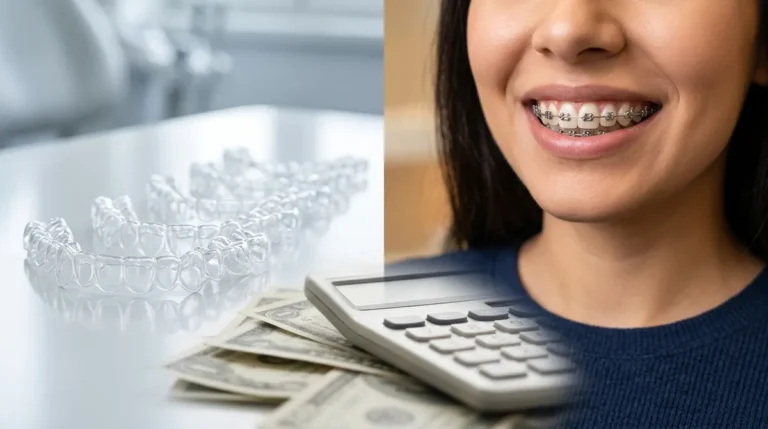
Mini braces typically cost $3,000-$7,000 in Lakewood Ranch, similar to traditional braces, so request a written estimate detailing what's included: retainers, adjustments, emergency visits, and follow-up care to avoid surprises.
-
Mini braces work best for mild to moderate cases in children, teens, and adults; complex bite problems may require full-size brackets, so a board-certified orthodontist must evaluate your specific teeth and jaw before recommending them.
-
Daily care including brushing after meals, flossing with a threader, avoiding sticky foods, and attending all adjustment appointments is essential to prevent damage and keep your treatment on track.
-
Clear aligners like Angel Aligners offer an even more discreet alternative with AI-driven planning and potentially faster results through a unique wear schedule, making them worth discussing if appearance is your primary concern.
-
Working with a board-certified orthodontist like Dr. Flor Segovia at Segovia Orthodontics ensures rigorous training standards and access to advanced technology, which significantly impacts treatment precision and comfort throughout your journey.
Picture this: your teenager needs braces, but they’re worried about looking like a “metal mouth” for the next two years. Or maybe you’re an adult who wants straighter teeth without feeling like everyone at work is staring at your mouth. If this sounds familiar, you’ve probably heard about mini braces and wondered if they could be the answer. Let’s talk about what mini braces really are, how they work, and whether they might fit your family’s needs here in Lakewood Ranch.
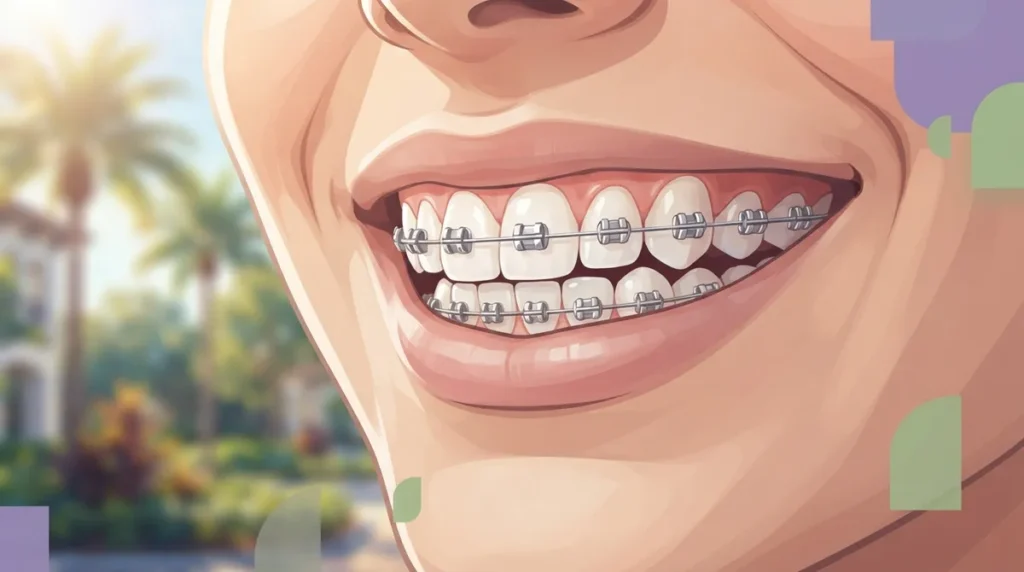
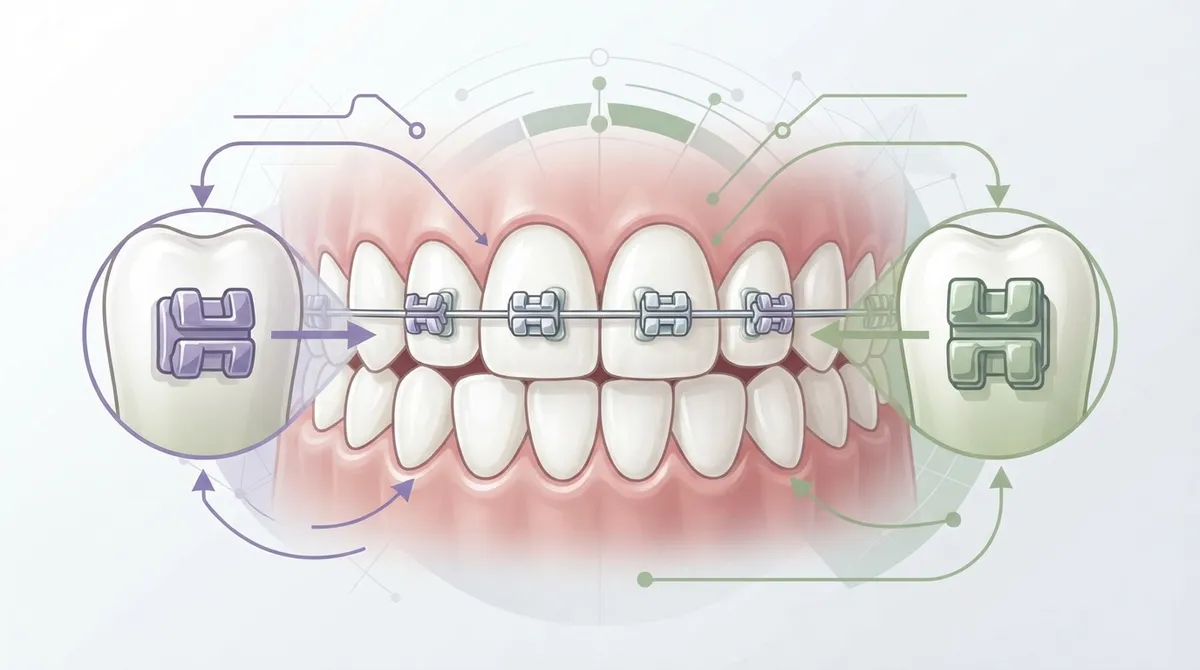
Mini braces are exactly what they sound like: a smaller version of the traditional metal braces you already know. They use the same basic parts, small brackets glued to each tooth and a thin wire connecting them, but the brackets themselves take up less space on your teeth. That means less metal showing when you smile or talk. For many parents and adults exploring their options, this small change can make a big difference in confidence during treatment.
In this guide, we’ll break down everything you need to know about mini braces, from cost expectations to how they compare with other treatments like clear aligners. We’ll also share what questions to ask before you commit to any treatment plan.
What Exactly Are Mini Braces?
Mini braces work just like traditional metal braces. Small brackets get bonded to each tooth, and a wire runs through them to gently guide teeth into place. The main difference is size. Mini brackets are noticeably smaller than standard ones, which many patients find more comfortable and less noticeable.
Don’t let the word “mini” fool you into thinking they’re less powerful, though. Mini braces can treat many of the same issues as full-size metal braces, including crowded teeth, gaps, and bite problems. They apply the same kind of steady pressure needed to shift teeth into a healthier, straighter position over time.
That said, smaller brackets don’t automatically mean a shorter treatment time. Your orthodontist still needs to evaluate your teeth, jaw, and bite before recommending mini braces. Learning about the different types of braces available can help you understand where mini braces fit into the bigger picture.
Who Are Mini Braces Good For?
Mini braces work well for many patients, but they’re not automatically the right fit for everyone. Here’s who typically benefits most:
- Children and teens who want a less bulky feel in their mouth
- Adults returning to orthodontic treatment after years without braces
- Patients with mild to moderate crowding or spacing issues
- Anyone who prefers a slightly more subtle appearance than traditional braces
- Busy professionals who want effective treatment without extra bulk
An orthodontist needs to look closely at your teeth, gums, and jaw development before deciding if mini braces make sense for your case. Sometimes more complex bite problems require full-size brackets or additional appliances to get the best results.
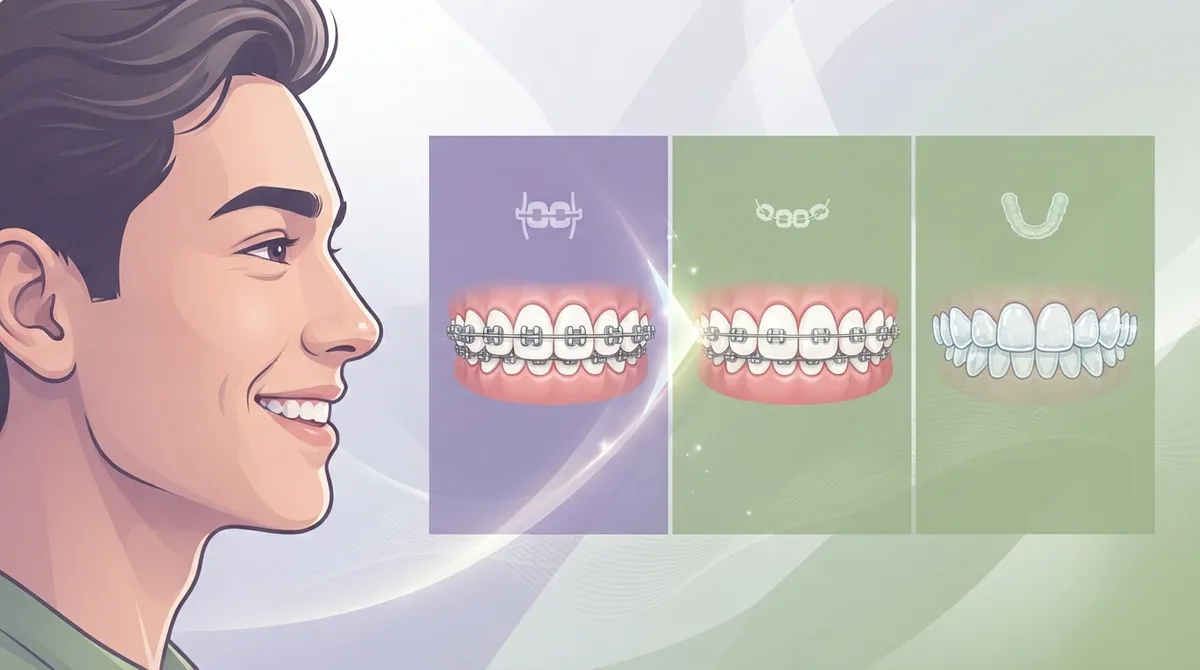
How Do Mini Braces Compare to Other Treatment Options?
When you’re picking an orthodontic treatment, it helps to see your choices side by side. Here’s a simple comparison to help guide your thinking:
| Treatment Type | Visibility | Best For | Estimated Cost Range |
|---|---|---|---|
| Mini Metal Braces | Somewhat less noticeable | Mild to moderate cases, all ages | Varies by case; compare to $3,000-$7,000 traditional range |
| Traditional Metal Braces | Most visible | Complex cases, kids and teens | $3,000-$7,000 |
| Ceramic/Clear Braces | Blends with teeth | Teens and adults wanting subtlety | $4,000-$7,000 |
| Clear Aligners | Nearly invisible | Mild cases, professionals, adults | $3,000-$8,000 |
These figures come from local pricing data and regional guides, so your actual cost will depend on your specific treatment plan. Always ask your orthodontist for a written estimate that spells out exactly what’s included, like retainers, adjustment visits, and follow-up care.
If you’re torn between options, our article on braces vs. clear aligners walks through the pros and cons of each in more detail.
What to Expect During Mini Braces Treatment
Starting any orthodontic treatment can feel a little overwhelming, especially if it’s your first time or your child’s first time. Here’s a simple breakdown of what the journey typically looks like:
- Initial Consultation: Your orthodontist examines your teeth, bite, and jaw to see if mini braces fit your needs.
- Treatment Planning: A custom plan gets created, including expected timeline and total cost.
- Bonding Day: Brackets are carefully placed on your teeth, and the wire gets attached.
- Regular Adjustments: You’ll visit every few weeks so your orthodontist can tighten or adjust the wire.
- Monitoring Progress: Photos and measurements help track how your teeth are moving over time.
- Braces Removal: Once your teeth reach the desired position, the brackets come off.
- Retention Phase: A retainer helps keep your new smile in place long-term.
Throughout treatment, you’ll need to keep up with good oral hygiene. Brushing and flossing around brackets takes a little extra care, and you’ll want to avoid hard or sticky foods that could damage the wire or brackets. Some soreness after appointments is completely normal and usually fades within a few days.
Caring for Mini Braces at Home
Good habits during treatment make a real difference in your results. Consider these daily care tips:
- Brush after every meal, paying extra attention around brackets and wires
- Floss daily using a floss threader or water flosser for easier cleaning
- Avoid sticky candy, popcorn, and hard nuts that can damage brackets
- Wear a mouthguard during sports to protect your braces and teeth
- Keep up with scheduled adjustment visits, even if nothing feels wrong
Skipping these steps can slow down your progress or lead to unexpected repairs. If something does break or feel loose, don’t panic. Check out our guide on handling an orthodontic emergency for quick, practical steps.
Finding the Right Orthodontist for Mini Braces in Lakewood Ranch
Not every orthodontic office offers mini braces, so it pays to ask questions before booking your first visit. Lakewood Ranch has several respected practices, and comparing your options helps you make a confident choice.
Here are smart questions to bring to any consultation:
- Do you offer mini metal braces, and which brands do you use?
- What’s included in the quoted price, retainers, adjustments, emergency visits?
- How long do you expect my treatment to take?
- What happens if I need extra appliances during treatment?
- Do you offer payment plans or accept dental insurance?
At Segovia Orthodontics, Dr. Flor Segovia takes time to walk patients through every option, so you always know what to expect. The practice offers WildSmiles Braces for kids who want a fun twist on traditional treatment, plus LightForce Orthodontics, a fully digital, custom-fitted bracket system known for faster treatment times and a more discreet look. If you’re curious how these compare to mini braces, it’s worth discussing during your first orthodontic visit.
Every practice sets its own pricing and treatment style, so don’t be afraid to shop around before committing. You can also contact us with any questions about how mini braces compare to our other treatment options.
Understanding the Real Cost of Mini Braces
Cost is often the biggest question on everyone’s mind, and for good reason. Orthodontic treatment is an investment in your health and confidence, so it makes sense to plan carefully.
Local pricing directories show traditional braces in Lakewood Ranch generally range from $3,000 to $7,000, while Invisalign-style treatments run $3,000 to $8,000. These numbers give you a general sense of what to expect, though mini braces pricing depends heavily on your specific case, how long treatment takes, and what’s bundled into your plan.
A few factors that affect your final price include:
- How crowded or misaligned your teeth are at the start
- Whether you need any teeth removed before treatment
- The total length of your treatment plan
- Whether retainers and follow-up visits are included in the quote
- Your insurance coverage and any available financing options
Many families find that orthodontic financing makes treatment much more manageable by breaking the total cost into smaller monthly payments. Always ask your orthodontist to put the full estimate in writing, so there are no surprises later.
Mini Braces vs. Other Discreet Options
If your main goal is a less noticeable treatment, mini braces are just one path forward. Clear aligners have become incredibly popular for adults and teens who want something even more subtle. Unlike traditional brackets and wires, aligners are removable clear trays that gradually shift your teeth.
At Segovia Orthodontics, we also offer Angel Aligners, a modern clear aligner system known for its AI-driven treatment planning and budget-friendly pricing compared to premium aligner brands. Angel Aligners use a unique wear schedule that can speed up tooth movement, which appeals to busy adults who want efficient results without sacrificing comfort.
If you’re still deciding between fixed brackets and removable trays, our comparison on braces vs. clear aligners breaks down the pros and cons of each so you can choose confidently.
Why Working With a Board-Certified Orthodontist Matters
Choosing the right provider for mini braces means looking beyond price alone. Working with a board-certified orthodontist gives you added peace of mind that your treatment is backed by extensive training and ongoing education. The American Board of Orthodontics sets rigorous standards that certified orthodontists must meet, which helps ensure quality care throughout your treatment.
Dr. Flor Segovia brings this level of expertise to every patient, combined with advanced orthodontic technology that makes treatment more precise and comfortable. Whether you’re exploring mini braces, traditional metal braces, or clear aligners, having an experienced provider guide your treatment plan makes a real difference in your results.
Curious what other families think? You can visit us on Google — Segovia Orthodontics to read real patient reviews, or check out our Facebook page and our Instagram page for smile transformations and updates from our Lakewood Ranch practice.
Making Your Decision With Confidence
Choosing between mini braces, traditional braces, and clear aligners doesn’t have to feel stressful. The best decision comes from an honest conversation with your orthodontist about your goals, budget, and lifestyle. Whether you’re a parent exploring options for your teen, a young professional wanting discreet treatment, or an adult ready to fix relapse from years ago, there’s a treatment path built for you.
Learning about your options for adult orthodontics or teen orthodontic treatment ahead of time helps you walk into your consultation feeling prepared and confident. Bring your questions, be honest about your concerns, and trust that your orthodontist wants to help you find the best fit.
Ready to explore whether mini braces or another treatment option is right for you or your child? Our friendly Lakewood Ranch team is here to help you every step of the way. Request an appointment today, or simply call us at 941-557-1333 to get your questions answered and start your smile journey with confidence.
FAQs
Q: What are mini braces, and how are they different from traditional braces?
A: Mini braces use the same brackets-and-wire system as traditional metal braces, just in a smaller size. They can feel less bulky in your mouth and look a bit less noticeable, but they work the same way to gently shift your teeth into place.
Q: How much do mini braces cost in Lakewood Ranch?
A: Pricing varies by case, but you can use the local traditional braces range of about $3,000 to $7,000 as a general starting point for comparison. Your best bet is asking your orthodontist for a written estimate that includes everything from adjustments to retainers.
Q: Are mini braces available for adults and teenagers?
A: Yes! Mini braces can work well for both teens and adults, especially those with mild to moderate alignment issues. Your orthodontist will check your teeth and bite first to confirm they’re the right choice for your specific smile goals.
Q: Do mini braces work faster than regular metal braces?
A: Not necessarily. Smaller brackets don’t automatically speed up treatment time. Your total treatment length depends on things like how crowded your teeth are and how your bite needs to shift, not just bracket size.
Q: Will I need retainers after mini braces?
A: Absolutely, yes! Just like with any braces, your teeth can shift back after treatment ends. Wearing your retainer as instructed helps protect your hard-earned smile for years to come.
Our Service Area