Key Takeaways
-
Brush teeth at a 45-degree angle for at least 2 minutes, 3-5 times daily, focusing on bracket tops and underneath the wire to prevent cavities and gum swelling.
-
Floss at least once daily using floss threaders, orthodontic floss, or water flossers to prevent inflamed gums and treatment delays caused by plaque buildup.
-
Avoid hard, sticky, chewy, and crunchy foods like nuts, caramel, bagels, and popcorn that can bend wires or pop brackets loose; choose softer alternatives instead.
-
Use orthodontic wax on irritating brackets or wires immediately and call your orthodontist promptly if brackets break or wires bend to prevent treatment delays.
-
Wear a properly-fitted mouthguard during contact sports and replace it when worn to protect braces from damage that could extend treatment time.
-
Continue wearing your retainer after braces are removed and clean it daily with a soft brush and mild soap to prevent teeth from shifting back.
Getting braces is a big step toward a smile you’ll love for years to come. But once those brackets and wires are on, you might wonder what to do next. That’s where good braces care instructions come in handy. Whether you’re a busy mom managing your child’s new smile journey, a young professional wearing clear aligners on the sly, or an adult getting a second chance at straight teeth, knowing how to care for your braces makes all the difference. At Segovia Orthodontics in Lakewood Ranch, we want every patient to feel confident and comfortable during treatment. This guide breaks down exactly what you need to know, in simple steps anyone can follow.
Why Following Braces Care Instructions Matters So Much
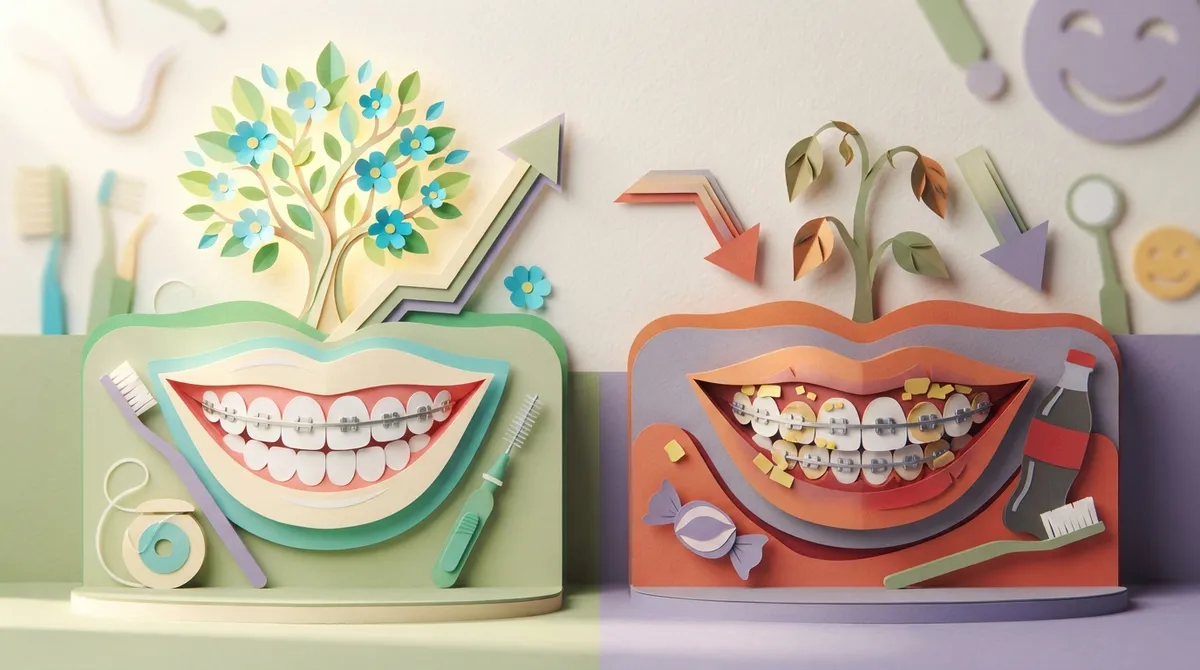
Braces work hard to move your teeth into their best position. But they can also trap food and plaque if you’re not careful. That buildup can lead to cavities, gum swelling, or stains that stick around long after your braces come off. Good care also protects your appliance itself, so brackets don’t pop off and wires don’t poke your cheeks.
Think of your braces as a partner in your smile transformation. The better you treat that partner, the faster and smoother your treatment goes. Skipping proper hygiene can even add extra months to your treatment time, which nobody wants.
Daily Brushing Tips for Braces Wearers
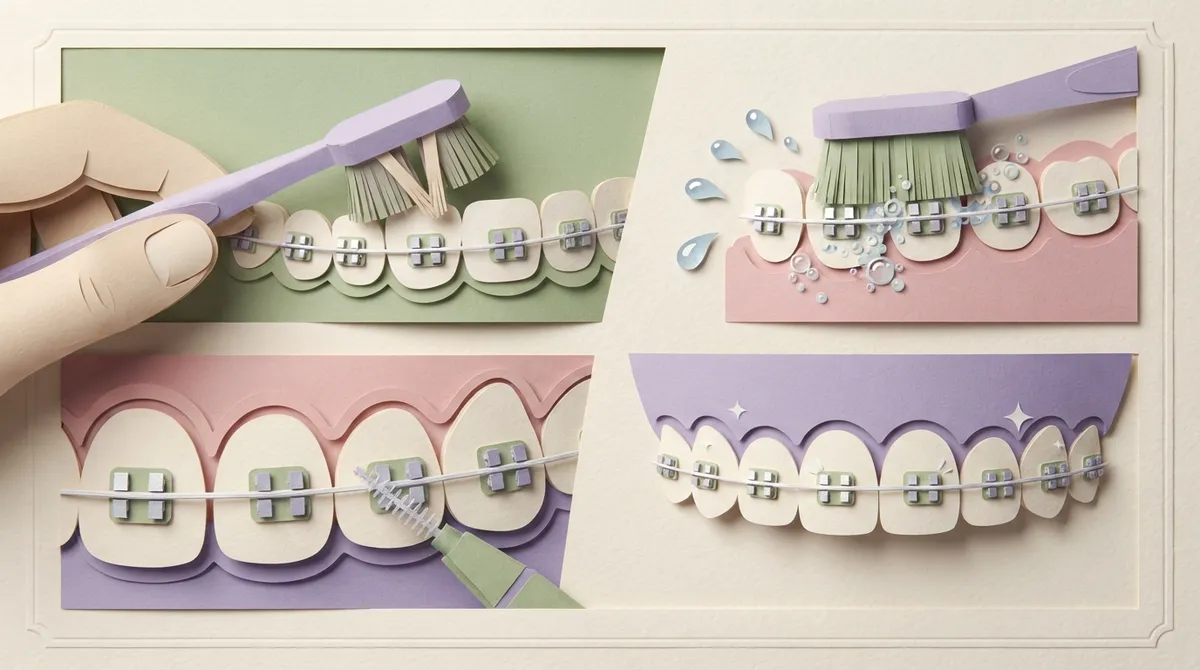
Brushing with braces takes a little more effort than your old routine, but it’s not complicated once you get the hang of it. Here’s how to do it right:
- Use a soft-bristled toothbrush and fluoride toothpaste every time.
- Hold your brush at a 45-degree angle to reach the gumline and around each bracket.
- Brush the top of each bracket, then angle down to clean underneath the wire.
- Spend at least 2 minutes brushing, covering every tooth surface.
- Finish with a gentle brush of your tongue and gums for fresh breath.
Many orthodontic guides recommend brushing after every meal, or at least 3 to 5 times a day, while you have braces. That might sound like a lot, but it becomes second nature quickly. If you’re ever unsure whether you’re doing it right, our team can show you helpful techniques during your next visit. Request an appointment anytime you need a refresher.
Flossing With Braces: Yes, You Still Have To
We know flossing with brackets and wires in the way feels tricky. But it’s one of the most important habits for keeping your gums healthy during treatment. Skipping it can lead to inflamed, bleeding gums that slow down your progress.
- Floss threaders help guide floss under the archwire with ease.
- Orthodontic floss has a stiff end built in, so no threader is needed.
- Interdental brushes clean tight spaces between brackets and wires.
- Water flossers use a stream of water to blast away hidden food particles.
Most orthodontic sources recommend flossing at least once a day. If mornings are hectic, try flossing before bed instead. That way, your teeth stay clean while you sleep, which is when bacteria tend to do the most damage.
Foods to Avoid While Wearing Braces
This is probably the part patients dread most, but it’s simpler than it sounds. Certain foods can bend wires, snap brackets, or get stubbornly stuck in your appliance. Avoiding them saves you a trip back to our office for repairs.
| Food Type | Examples | Why to Avoid |
|---|---|---|
| Hard foods | Nuts, ice, hard candy | Can crack brackets or bend wires |
| Sticky foods | Caramel, gum, taffy | Pulls brackets loose and sticks in appliance |
| Chewy foods | Bagels, licorice, jerky | Puts stress on wires and bonds |
| Crunchy foods | Chips, popcorn, raw carrots | Small pieces get lodged around brackets |
Softer versions of your favorite foods are usually fine. Cut apples into small pieces instead of biting directly. Cook vegetables until they’re tender rather than eating them raw. Small changes like these keep your treatment on track without feeling like a total diet overhaul.
Rinsing and Mouthwash: A Simple Extra Step
Adding a rinse to your routine gives your mouth an extra layer of protection. After meals, swish with water to loosen any trapped food. Follow up with a fluoride mouthwash after brushing to reach spots your toothbrush might miss.
This step is especially helpful for teens juggling school lunches and after-school activities, or busy professionals who can’t always brush right after eating. A quick rinse can bridge the gap until you get home to brush properly.
Handling Orthodontic Wax and Minor Irritation
Brackets and wires can sometimes rub against your cheeks or lips, especially in the first few weeks. Orthodontic wax is your best friend here. Simply pinch off a small piece, roll it into a ball, and press it over the bracket or wire causing trouble.
This little trick can make a huge difference in comfort, particularly for teens adjusting to braces before big events like homecoming or graduation photos. Keep a small wax container in your bag, backpack, or car so you’re never caught without it.
What to Do If a Bracket or Wire Breaks
Life happens, and sometimes braces need a little extra attention. If you notice a loose bracket or a poking wire, don’t panic. Here’s what to do:
- Cover any sharp wire ends with orthodontic wax to prevent irritation.
- Avoid chewing on the affected side if possible.
- Save any broken pieces if they come off completely.
- Call our office to schedule a repair appointment as soon as you can.
Broken brackets or wires won’t ruin your treatment, but they do need attention. Waiting too long can slow your progress or cause more discomfort. Visit our page on orthodontic emergencies to learn what qualifies as urgent versus what can wait until your next scheduled visit.
Protecting Your Braces During Sports and Activities
Active kids, teens, and adults need to think about protecting their braces during physical activity. A blow to the mouth can damage brackets or cut your cheeks on sharp metal edges.
- Wear a mouthguard designed to fit over braces during any contact sport.
- Replace your mouthguard if it becomes worn or doesn’t fit properly anymore.
- Keep wax handy at practices and games in case of irritation.
- Talk to our team about the best mouthguard options for your treatment stage.
This is especially important for teens balancing sports schedules with orthodontic treatment. A little preparation goes a long way in avoiding unnecessary emergency visits.
Comparing Braces Options and Their Care Needs
Not all braces are the same, and care routines can vary slightly depending on which appliance you choose. Here’s a quick look at some popular options available at our Lakewood Ranch office:
| Treatment Type | Care Highlights | Best For |
|---|---|---|
| WildSmiles Braces | Fun shapes make brushing easier to check for cleanliness | Kids and teens who want a playful experience |
| LightForce Braces | Custom-fit brackets reduce irritation and speed treatment | Patients wanting faster, precise results |
| Clear Aligners | Remove before eating, brush before reinserting trays | Adults and professionals wanting discreet treatment |
Whichever option you choose, our team will walk you through personalized care instructions during your first orthodontic visit. We believe every patient deserves a plan that fits their lifestyle, whether that’s a child excited about WildSmiles shapes or a career-focused adult who needs efficient, low-maintenance treatment.
Keeping Up With Orthodontic Checkups
Regular visits are just as important as your daily hygiene routine. Some guidance even suggests seeing a dental hygienist every 3 months during active treatment to support healthy gums. Our team monitors your progress, tightens wires, and checks that everything is moving along as planned.
These visits are also a great time to ask questions. Not sure if you’re brushing correctly? Wondering if a certain food is really off-limits? Bring it up at your next appointment. We love helping patients feel confident about their care routine every step of the way.
Special Tips for Different Patients
Braces care looks a little different depending on your age and lifestyle. Here are some tailored tips:
- Parents of kids and teens: Set reminders for brushing after school lunches and keep extra wax in backpacks.
- Young professionals: Clear aligners make it easy to maintain your polished look at work while still fitting hygiene into a busy schedule.
- Adults returning to treatment: You already know the drill, but modern options like adult orthodontics make care even easier than before.
- Life event planners: If you’re preparing for a wedding or graduation, ask about faster treatment options like LightForce technology.
No matter which group you fall into, our practice is built around making orthodontic care approachable and even enjoyable. Dr. Flor Segovia, a board certified orthodontist, and her team are proud members of the community recognized by the American Board of Orthodontics for maintaining high standards of care.
After Braces: Don’t Forget Your Retainer
Once your braces come off, the care doesn’t stop there. Wearing your orthodontic retainer as directed keeps your teeth from shifting back. Clean your retainer daily just like you would your teeth, using a soft brush and mild soap or specialized cleaner.
Retainer care is especially important for adult patients who previously had braces and are now correcting relapse. Staying consistent with your retainer schedule protects the investment you’ve already made in your smile.
Frequently Overlooked Braces Care Habits
Beyond the basics, a few small habits can make a big difference in your treatment success:
- Carry a travel toothbrush and toothpaste for on-the-go cleaning.
- Avoid chewing on pens, ice, or fingernails, which can damage brackets.
- Stay hydrated to help rinse away food particles naturally throughout the day.
- Take photos of your smile progress to stay motivated during treatment.
- Follow up on any questions through our office rather than guessing on your own.
These habits might seem small, but together they add up to a smoother, faster treatment experience with fewer surprises along the way.
Ready to Start Your Braces Journey?
Braces care instructions don’t have to be complicated or stressful. With the right daily habits, a little patience, and support from our friendly team, you’ll protect your smile investment every step of the way. Our patients often share their smile transformations on our Facebook page and our Instagram page, and we’d love to celebrate yours too.
If you want to see what real patients are saying about their experience, feel free to visit us on Google — Segovia Orthodontics and read their stories firsthand. Whether you’re just starting treatment or need guidance on caring for your current braces, our team at Lakewood Ranch is here to help. Ready to get personalized care instructions for your smile? Contact us today, or feel free to call us at 941-557-1333 to schedule your next visit. Your best smile is worth the care.
FAQs
Q: How do you clean your teeth properly with braces?
A: Brush at a 45-degree angle around each bracket and under the wire using a soft-bristled brush and fluoride toothpaste. Aim for at least 2 minutes each session, and try to brush after every meal for the best results.
Q: What foods should you avoid with braces?
A: Steer clear of hard, sticky, chewy, and crunchy foods like nuts, caramel, bagels, and popcorn. These can bend wires or pop brackets loose, so softer alternatives are your safest bet during treatment.
Q: How often should you brush and floss when you have braces?
A: Most orthodontic guidance suggests brushing 3 to 5 times a day and flossing at least once daily. Sticking to this routine helps prevent plaque buildup and keeps your gums healthy throughout treatment.
Q: Can you use mouthwash with braces?
A: Absolutely! A fluoride mouthwash is a great addition to your routine, helping rinse away food particles and adding extra protection against cavities in hard-to-reach spots around your brackets.
Q: What should you do if a bracket or wire breaks?
A: Cover any sharp edges with orthodontic wax right away and avoid chewing on that side. Then give our office a call so we can schedule a quick repair and keep your treatment moving smoothly.
Our Service Area