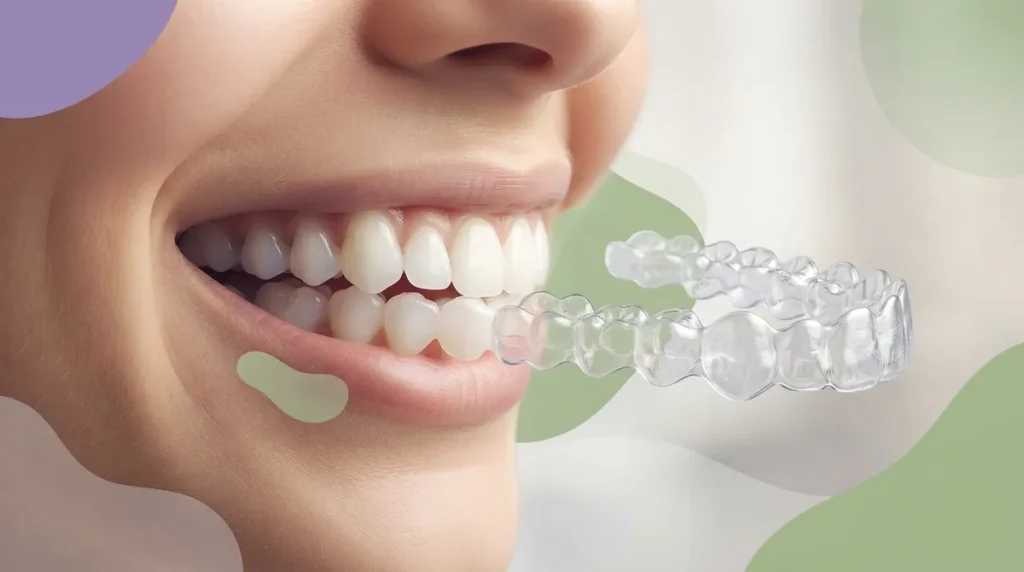
Key Takeaways
-
Clear aligners effectively close mild-to-moderate gaps between teeth when worn consistently for at least 22 hours daily, with treatment typically taking a few months to over a year depending on gap size.
-
Larger gaps, multiple spaces, or bite complications may require additional tools like attachments, elastics, or combined braces-and-aligner approaches, so a thorough orthodontist evaluation is essential before starting treatment.
-
Identifying the root cause of your gap (missing teeth, prominent frenum, gum disease, or jaw size) matters because some gaps may need supplementary procedures like a frenectomy alongside aligner treatment.
-
Long-term success depends on wearing a retainer after treatment ends, as teeth naturally drift back to their original positions without consistent retention.
Ever catch yourself smiling with your lips pressed together, hiding that little space between your front teeth? You’re definitely not alone. Gaps between teeth, also called diastemas, are one of the most common reasons people visit an orthodontist. The good news is that aligners for gap teeth have become a popular, comfortable way to close those spaces without anyone even noticing you’re in treatment.
At Segovia Orthodontics in Lakewood Ranch, we see patients of every age walk in with this same question: “Can clear aligners fix my gap?” Often, the answer is yes. But like any good orthodontic story, there’s more to it than a simple yes or no. Let’s talk about how aligners work for gaps, who they’re best suited for, and what you should know before starting treatment.
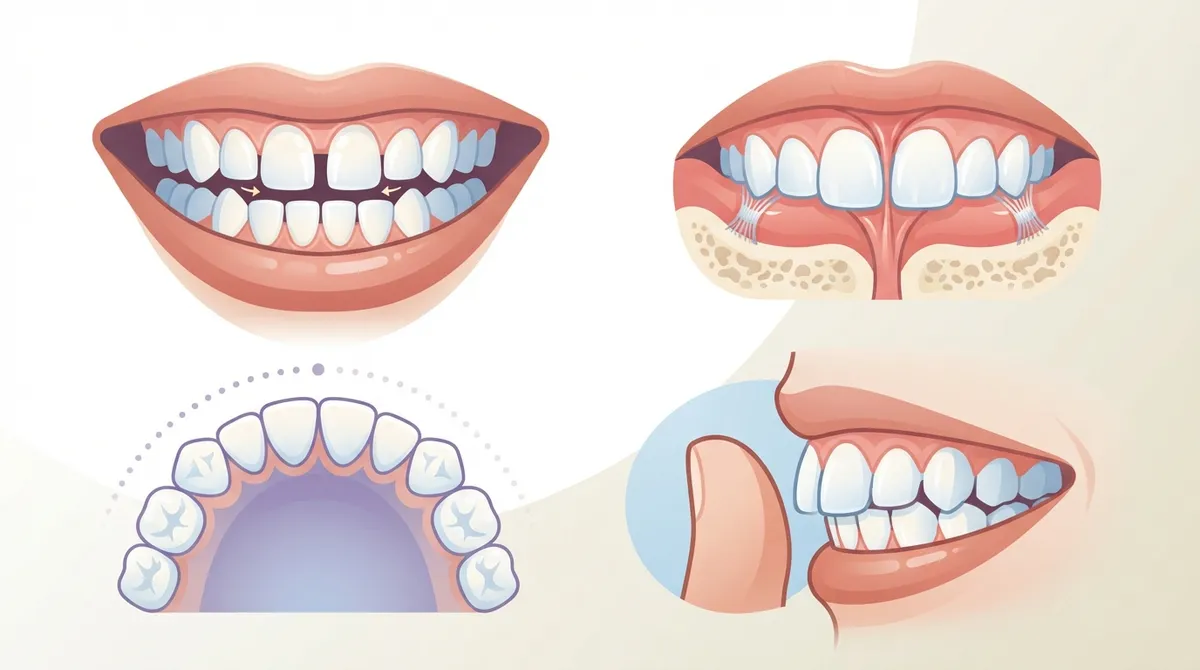
What Causes Gaps Between Teeth?
Before jumping into treatment, it helps to understand why gaps show up in the first place. Gaps don’t just appear out of nowhere. They usually have a specific cause, and figuring that out is a big part of your orthodontist’s job.
- Missing or unusually small teeth that leave extra space in the smile
- A prominent labial frenum (the little piece of tissue between your front teeth and upper lip)
- Thumb sucking, tongue thrusting, or other childhood oral habits
- Gum disease or bone loss that lets teeth drift apart
- Naturally larger jaw size compared to tooth size
Knowing the cause matters because aligners alone might not fix everything. For example, if a frenum is pulling your teeth apart, you may need a small procedure called a frenectomy alongside your aligner treatment. This is exactly why a thorough evaluation matters so much before starting any clear aligners treatment plan.
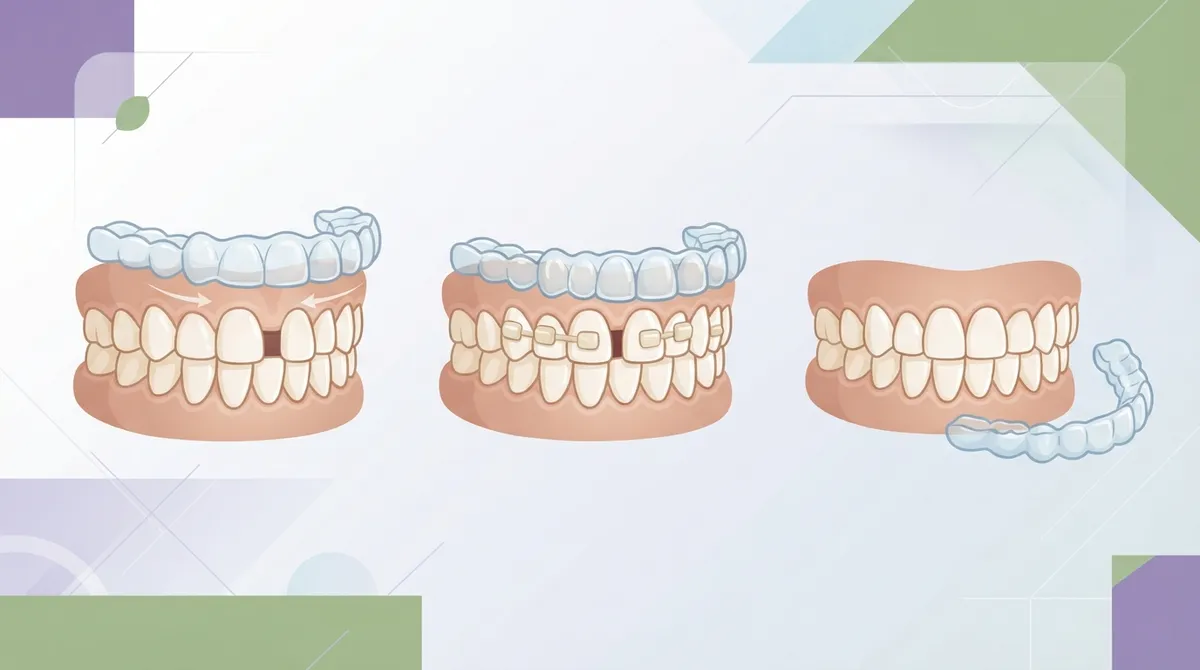
How Do Aligners Close a Gap?
Clear aligners work by using a series of custom-made trays. Each tray is slightly different from the last one. As you move from one tray to the next, gentle pressure gradually shifts your teeth into a new position, closing the space bit by bit.
According to the American Association of Orthodontists, aligners are typically worn at least 22 hours a day. Most trays are switched out roughly once a week, though your orthodontist’s exact instructions always come first. Think of it like a slow, steady nudge rather than a sudden shove. That’s what makes the process so comfortable compared to older orthodontic methods.
The Basic Treatment Process
- Your orthodontist examines your teeth, gap size, and bite alignment.
- Digital scans or impressions create a 3D model of your smile.
- A custom sequence of aligner trays is designed just for you.
- You wear each tray for about a week before switching to the next.
- Regular check-ins track your progress and adjust the plan if needed.
- Once the gap closes, a retainer helps keep it that way for good.
This step-by-step approach is one reason so many young professionals and busy parents love aligners. You can pop them out for meetings, meals, or photos, then pop them right back in.
Are Aligners Good for All Gap Sizes?
Here’s the honest truth: aligners work wonderfully for many gaps, but not every single case. A 2019 clinical review found that clear aligners are especially effective for mild-to-moderate diastema and crowding. However, the same research pointed out that certain tooth movements, like severe rotations or specific space-closing patterns, can be trickier to achieve with aligners alone.
| Gap Type | Aligner Suitability | What to Expect |
|---|---|---|
| Small single gap (front teeth) | Usually a great fit | Faster, predictable results |
| Multiple small gaps | Often suitable | May need attachments or extra trays |
| Large single gap | Case-by-case basis | May need combined treatment approach |
| Gaps with bite issues | Requires closer evaluation | Could need braces or added tools |
A 2023 systematic review and meta-analysis reported favorable results for aligners in mild-to-moderate cases. That said, the researchers noted the overall evidence base still has some gaps of its own (no pun intended), so working with an experienced, board certified orthodontist really does matter.
When Aligners Might Need Some Backup
Sometimes a gap needs more than just a tray of clear plastic. Larger spaces, multiple gaps, or complicated bite problems may call for additional tools, such as:
- Small tooth-colored attachments that give aligners extra grip
- Elastics to help correct bite alignment alongside gap closure
- A combined approach using both aligners and braces
- Traditional braces if root movement needs more precise control
This doesn’t mean aligners have failed you. It simply means your orthodontist is customizing your plan for the best long-term result. Dr. Flor Segovia often explains this to patients who ask, “Do I need braces instead of aligners for my gap teeth?” The answer depends on your unique smile, not a one-size-fits-all rule.
Why Wearing Time Really Matters
We get it. Life happens. But aligners only work if you actually wear them. Since they’re removable, success depends heavily on your daily habits.
Skipping hours here and there might not seem like a big deal, but it adds up fast. Inconsistent wear can slow down treatment or even stall it completely. If you’re a busy professional trying to fit treatment around meetings and travel, aligners still work beautifully, as long as you commit to that 22-hour daily goal.
Simple Tips to Stay on Track
- Keep your aligner case with you at all times, not just at home
- Set phone reminders for tray changes each week
- Only remove aligners for eating, drinking anything besides water, brushing, and flossing
- Bring your current and next tray when traveling, just in case
These small habits make a big difference in how quickly your gap closes and how smooth your treatment feels overall.
Will the Gap Come Back After Treatment?
This is one of the most common questions we hear, and it’s a fair one. Teeth have a bit of a memory. After any orthodontic treatment, they can drift back toward their old positions if you’re not careful.
That’s why retainers are so important. Whether you choose a removable or fixed orthodontic retainer, sticking with the plan your orthodontist recommends helps protect your results for years to come. Think of it as the final, essential chapter of your smile transformation story.
Risks and Things to Keep in Mind
Like any orthodontic treatment, aligners come with a few things to be aware of. Most patients experience only mild, temporary discomfort as teeth shift. In rarer cases, issues like root resorption or gum irritation can occur, which is why regular monitoring by your orthodontist is so important, especially if you have any periodontal concerns.
This is also why we always recommend a proper evaluation before starting any gap-closing treatment. Every mouth is different, and a personalized plan protects both your smile and your oral health long term.
Why Choose Segovia Orthodontics for Gap Treatment?
At Segovia Orthodontics, Dr. Flor Segovia combines advanced technology with a warm, family-friendly approach to care. Whether you’re a parent bringing in your teenager, a young professional wanting a discreet fix before a big event, or an adult revisiting orthodontics after years without a retainer, we tailor every plan around your specific gap and goals.
We proudly offer options like Angel Aligners, known for their AI-driven treatment planning and budget-friendly pricing, along with LightForce and WildSmiles braces for patients who need a different approach. You can explore our full range of types of braces and aligner options to see what fits your lifestyle best.
Curious what other Lakewood Ranch families think of their experience? You can visit us on Google — Segovia Orthodontics to read real reviews, or check out our Facebook page and our Instagram page for smile transformations and behind-the-scenes moments from our office.
If you’re also working on your home during your smile journey, our friends at Bucheli Trim do beautiful finish carpentry work right here in the local area, a great local business we’re happy to mention.
Your Next Step Toward a Gap-Free Smile
Closing a gap between your teeth doesn’t have to mean months of feeling self-conscious or wearing bulky metal brackets. With modern clear aligners, many patients close mild-to-moderate gaps comfortably and discreetly, all while going about their normal, busy lives.
Every smile is different, and the only way to know exactly what your gap needs is through a personal evaluation. Our team would love to walk you through your options, answer your questions, and build a plan that fits your goals and your schedule. You can easily request an appointment online, or if you’d rather chat first, feel free to call us at 941-557-1333. We can’t wait to help you feel confident about your smile again.
FAQs
Q: Can clear aligners close a gap between my front teeth?
A: In many cases, yes! Clear aligners work really well for mild-to-moderate gaps between the front teeth. Your orthodontist will check the size of your gap and your bite to confirm aligners are the right fit for you.
Q: How long does it take to close a gap with aligners?
A: It really depends on the size of the gap and how consistently you wear your aligners. Some smaller gaps close in just a few months, while larger or more complex cases can take longer. Your orthodontist will give you a personalized timeline after your evaluation.
Q: Do I need braces instead of aligners for gap teeth?
A: Not necessarily! Many gaps respond beautifully to aligners alone. However, larger gaps, multiple spaces, or bite issues sometimes need braces, attachments, or a combined approach for the best results.
Q: Will my gap reopen after aligner treatment?
A: Teeth can shift back over time if you skip wearing your retainer. That’s why sticking with your prescribed retainer schedule is so important for keeping that beautiful, gap-free smile long term.
Q: How many hours a day should I wear aligners to close a gap?
A: The American Association of Orthodontists recommends wearing aligners at least 22 hours a day. Consistent wear is honestly the biggest factor in how quickly and successfully your gap closes.
Our Service Area