Key Takeaways
-
Mild-to-moderate cases typically take 6-18 months (median 14-22 months), while complex cases with extractions can exceed 24 months; timelines are case-specific and require professional examination for accuracy.
-
Wearing aligners 20-22 hours daily is critical—missing wear time can add weeks or months to treatment, so consistency directly impacts your final timeline.
-
Teeth move at a safe biological pace; six-month treatment promises are unrealistic for most people, and pushing faster than biology allows causes problems.
-
Refinement trays are a normal finishing step when teeth don't track exactly as planned; they add time but ensure better final results rather than cutting corners.
-
Research shows no clear evidence that aligners are consistently faster than braces; outcome depends on case type—aligners may be quicker for non-extraction cases but longer for extraction-based treatment.
-
Following your orthodontist's exact aligner-change schedule (typically 7-14 days) prevents tracking problems; switching trays early to 'speed up' treatment can backfire and delay progress.
So you’re ready to straighten your smile with clear aligners, and one big question keeps popping up: how long will this actually take? You’re in good company! It’s the number one thing people ask us. Whether you’re a busy professional, a parent planning for your teen, or a bride-to-be counting down to the big day, timing matters.
Here’s the honest answer: clear aligner treatment duration is different for everyone. Many mild-to-moderate cases take about 6 to 18 months, while more complex cases can stretch to two years or longer. Your teeth, your bite, and your habits all play a part.
In this guide, we’ll walk through what shapes your timeline, what the research says in 2026, and simple ways to keep your treatment on track. At Segovia Orthodontics, we believe an honest, case-specific estimate beats a one-size-fits-all promise every time. Let’s dive in!
How Long Does Clear Aligner Treatment Usually Take?
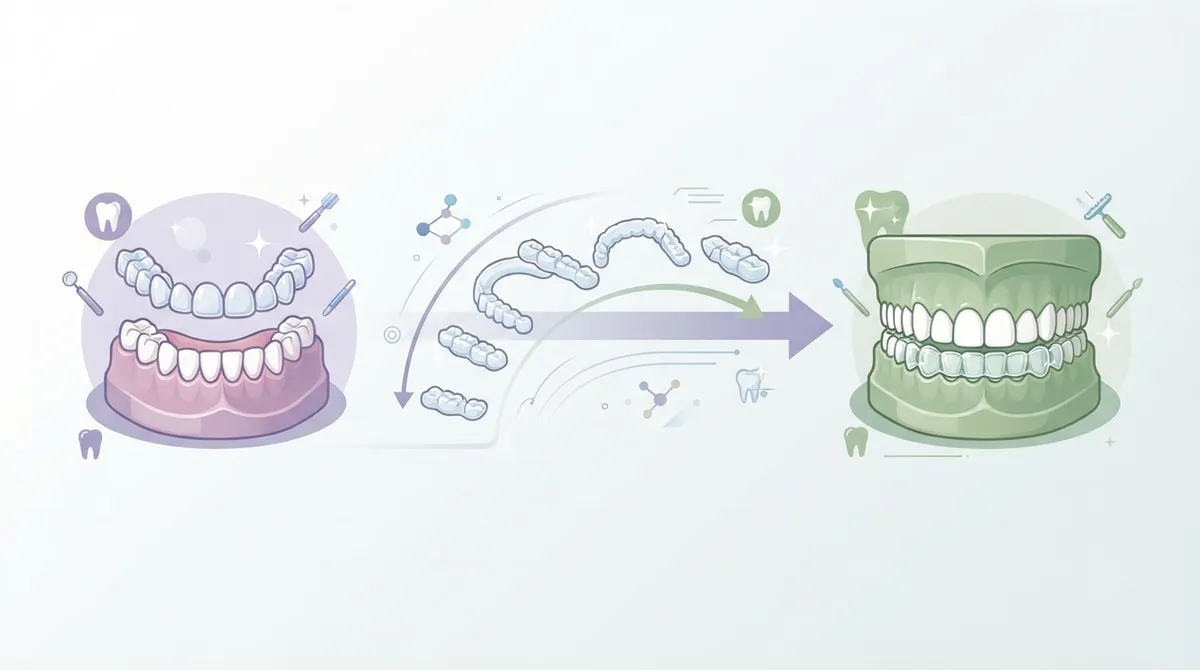
Most people want a simple number. The truth is that no single number fits everyone. Still, some ranges can help you plan.
Mild-to-moderate, non-extraction cases are often described as taking roughly 6 to 18 months. A 2026 review reported a median of about 14 to 22 months for non-extraction treatment of mild-to-moderate crowding. That estimate reflects the studies and protocols the review looked at, so please don’t treat it as a promise for your own smile.
More complex treatment takes longer. Cases with extractions, big bite changes, or tough tooth movements can run 24 months or more. One systematic review of extraction cases reported initial aligner series averaging about 21 to 22 months.
| Case Type | Typical Timeframe | What Drives It |
|---|---|---|
| Minor spacing or mild crowding | About 6 to 12 months | Small tooth movements, good wear habits |
| Mild-to-moderate crowding (no extractions) | Roughly 14 to 22 months (median from a 2026 review) | Amount of crowding, wear schedule, refinements |
| Complex bite correction | 18 to 24+ months | Bite changes, elastics, difficult movements |
| Extraction cases | About 21 to 22 months for the first aligner series, sometimes more | Closing extraction spaces, refinement stages |
Think of these as friendly ballparks, not guarantees. Your orthodontist can give you a much better estimate after a full exam.
Can Clear Aligners Straighten Teeth in Six Months?
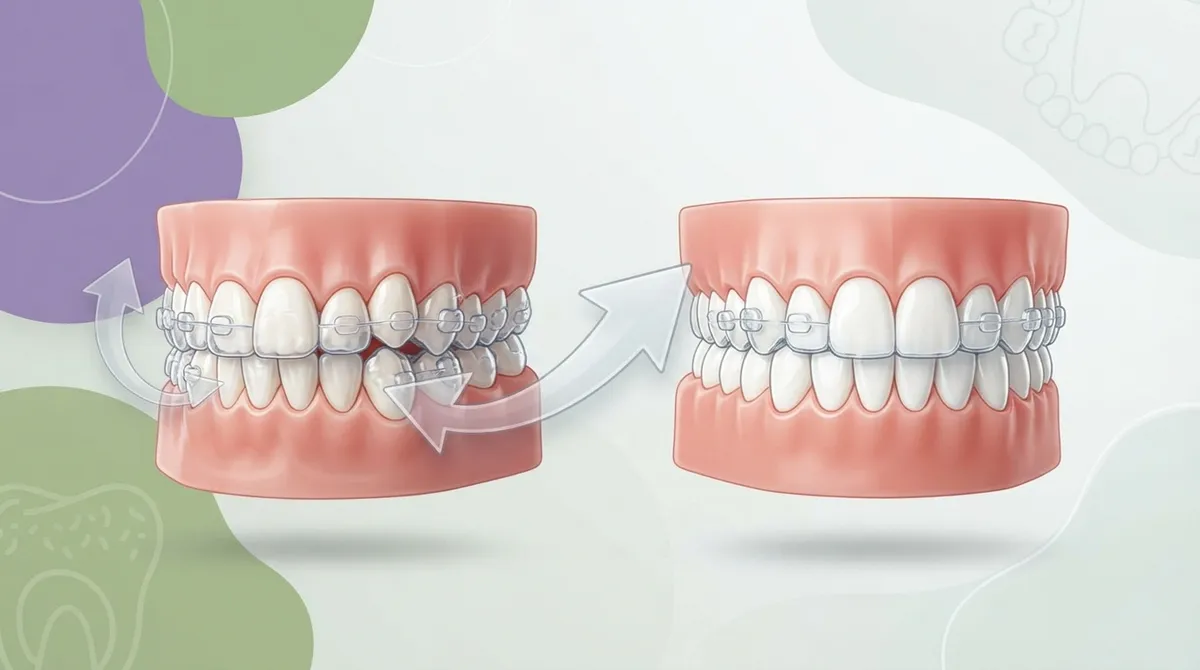
It’s possible for very small changes. A little spacing or a slightly rotated front tooth might be fixed in about six months. But six months isn’t realistic for most people.
If you see an ad promising a flat, fast timeline for everyone, take it with a grain of salt. Your teeth move at a safe, steady pace based on biology. Pushing them faster than they can handle can cause problems, so patience really pays off.
What Factors Affect Your Timeline?
Several things work together to shape how long your treatment lasts. Here are the big ones:
- Case complexity: More crowding, bigger gaps, or bite problems usually mean more time.
- Type of tooth movements: Some moves, like rotating round teeth or moving teeth up and down, are harder than simple tipping.
- Biological response: Everyone’s bone and gums respond a little differently.
- Aligner fit and tracking: Tracking means how well the teeth follow the planned steps. Poor tracking slows things down.
- Patient adherence: How well you wear your trays matters a lot.
- Add-ons: Attachments, elastics, and interproximal reduction (tiny polishing between teeth to create space) can change the plan and timeline.
Regular check-ins help your orthodontist spot delays early and adjust the plan. That’s one reason professional monitoring matters so much.
How Many Hours a Day Should You Wear Aligners?
This is the habit that makes or breaks your timeline. Aligners generally need to be worn about 20 to 22 hours per day. You’ll take them out to eat, to drink anything other than water, and to brush and floss.
That sounds like a lot, but it becomes second nature quickly. Here’s a simple routine many of our patients like:
- Take your aligners out before meals and snacks.
- Store them in their case (never in a napkin, where they can get thrown away!).
- Brush your teeth after eating, then put your aligners back in.
- Rinse your trays and keep them clean each day.
- Pop them in before bed so they work all night.
Remember, 20 to 22 hours is a clinical wear recommendation. It helps your treatment stay on track, but it isn’t a guarantee of a specific finish date.
Will Missing Wear Time Extend Treatment?
Yes, it can. When aligners aren’t worn enough, teeth don’t move the way the plan expects. Then the next tray doesn’t fit well, and tracking suffers.
An occasional slip-up isn’t the end of the world. But steady, repeated gaps in wear can add weeks or even months. If you notice a tray feels loose or doesn’t seat fully, let your orthodontist know. It’s much easier to fix early.
If you want to avoid common slip-ups, our article on 7 clear aligner mistakes that can ruin your smile results is a helpful read.
How Often Should You Switch to a New Aligner?
Aligner-change schedules vary by clinician and by case. Research and clinical guidance commonly describe intervals of 7 to 14 days, with 14 days being the traditional protocol. A 2025 review of selected studies found 7 to 14 day schedules in most included studies, with some protocols ranging from 7 to 21 days.
A 2024 systematic review of wear protocols looked at six studies, including three randomized controlled trials. Its findings on faster versus conventional schedules were mixed, and some movements actually favored a 14-day protocol.
The takeaway? Please follow your orthodontist’s schedule. Switching trays early to “speed things up” can backfire and make your teeth lag behind the plan.
Do Refinement Trays Add Time?
They can. The first series of trays isn’t always the finish line. Sometimes a few teeth don’t move exactly as planned, or the bite needs a little fine-tuning.
In that case, your orthodontist may order refinement aligners, a fresh set of trays to polish the final details. This adds some time, but it’s a normal and helpful part of getting a great result. Think of it as the finishing touches on a home project. It’s worth getting right!
Are Clear Aligners Faster Than Braces?
This one is tricky, and the evidence is genuinely mixed. A 2025 consensus review found no clear agreement that clear aligners consistently shorten treatment compared with fixed braces. The studies varied and had limits like inconsistency and risk of bias.
Here’s how it tends to break down:
- In some selected non-extraction cases, aligners may finish a bit sooner.
- In extraction-based treatment, aligners may take longer.
- For complex bite problems, braces are sometimes the more efficient choice.
So the “faster” option depends on your specific case. If you’re weighing both, check out Braces vs. Clear Aligners: Which Is Right for You? for a side-by-side look.
What This Means for Different Patients
Every patient has different goals and schedules. Here’s how timing might look for a few common situations.
Busy Professionals
If you’re juggling meetings and deadlines, you want treatment that fits your life. Aligners are removable and discreet, so you can wear them to work without a second thought. The key is staying consistent with wear time so you don’t need extra months of refinements.
Planning for a Big Event
Getting married or graduating? Start early! Because timelines vary, giving yourself more runway than you think you need is the smartest move. Ask your orthodontist to map out a realistic finish date based on your goals.
Parents of Teens
Teens can do great with aligners when they stay responsible with wear time. If your teen tends to forget things, talk with the team about whether another option might fit better. Learn more about teen orthodontic treatment to see what’s available.
Adults Fixing Relapse
If your teeth shifted after past braces, you may need less time than a first-time patient, since the changes are often smaller. Our page on adult orthodontics explains how we approach these cases.
Tips to Keep Your Treatment on Schedule
You have a lot of control over your timeline. Try these habits:
- Wear your aligners the full 20 to 22 hours daily.
- Change trays exactly when your orthodontist says.
- Use your chewies (small foam tools) to help trays seat fully, if provided.
- Keep every scheduled check-up.
- Wear your retainers afterward to protect your results.
Retainers are the final step that keeps your smile in place. You can read more about orthodontic retainers to see why they matter so much.
Getting a Personal Timeline at Segovia Orthodontics
The best way to learn your real timeline is a one-on-one visit. At Segovia Orthodontics, Dr. Flor Segovia reviews your teeth, your bite, and your goals, then gives you a plan built just for you. Dr. Segovia is a board-certified orthodontist recognized by the American Board of Orthodontics, and she uses advanced orthodontic technology to plan treatment with care.
We also offer Angel Aligners, a clear aligner system with a unique 7+3 wear schedule (7 days with a flexible tray followed by 3 days with a firmer one). It’s designed to support efficient tooth movement. To explore all your choices, visit our clear aligners page.
Want to see how we keep patients happy? You can visit us on Google — Segovia Orthodontics to read feedback, and follow along on our Instagram page and our Facebook page for smile stories from right here in Lakewood Ranch.
Conclusion: Your Smile Timeline Starts With a Conversation
So, how long does clear aligner treatment really take? For many mild-to-moderate cases, expect roughly 6 to 18 months, with complex cases running longer. The good news is that you have real influence over the outcome through steady wear, on-time tray changes, and regular check-ups.
Don’t let a vague online number guide your plans. A personal exam gives you a far more accurate picture, and it’s the first step toward a smile you’ll love. When you’re ready, request an appointment with our friendly team, or call us at 941-557-1333. We can’t wait to meet you and map out your journey!
FAQs
Q: How long does clear aligner treatment usually take?
A: Mild-to-moderate cases often take roughly 6 to 18 months, while a 2026 review reported a median of about 14 to 22 months for non-extraction crowding cases. Complex cases can take 24 months or more. Your orthodontist can give you a personal estimate after an exam.
Q: Can clear aligners straighten teeth in six months?
A: It’s possible for very minor issues, like slight spacing. Most cases need longer, though, because teeth have to move at a safe pace. A personal exam will tell you what’s realistic for you.
Q: How many hours a day should I wear clear aligners?
A: Aim for about 20 to 22 hours a day. Take them out only to eat, drink anything besides water, and clean your teeth. Staying consistent keeps your teeth tracking the plan.
Q: Do refinement trays add time to treatment?
A: They can add some time, since they’re extra trays used to fine-tune your results. It’s a normal step when a few teeth don’t move exactly as planned. The extra effort helps you finish with a better bite and smile.
Q: Are clear aligners faster than braces?
A: Research is mixed. Aligners may be quicker in some selected non-extraction cases, but they may take longer for extraction-based treatment. The best choice depends on your specific teeth and bite.
Our Service Area