Key Takeaways
-
Florida Medicaid covers braces for children under 21 only when treatment addresses medically necessary functional problems like severe malocclusion or bite issues, not cosmetic straightening, and requires prior authorization before treatment begins.
-
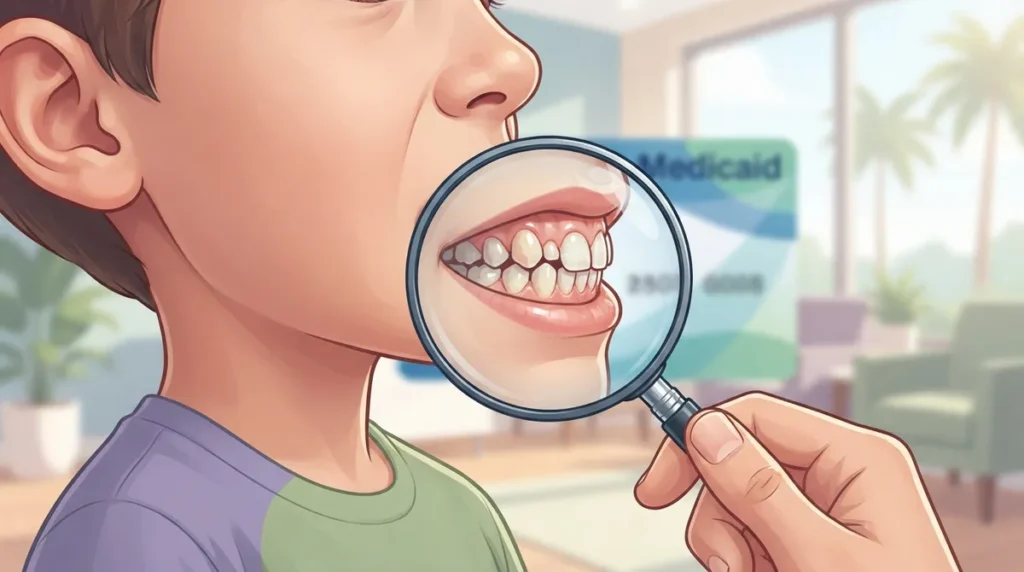
Lakewood Ranch families must identify their child's specific dental plan (DentaQuest or Liberty Dental) on the Medicaid card, as orthodontists accepting one plan may not accept the other despite displaying 'Medicaid accepted' signage.
-
Before scheduling an evaluation, directly call the orthodontist's office to confirm they accept your child's specific Medicaid dental plan, are accepting new patients, and clarify consultation costs and prior authorization handling.
-
If Medicaid denies coverage, request the written denial reason and clinical scoring information, then follow the plan's formal appeal process—denials often stem from incomplete documentation rather than ineligibility.
-
Qualifying conditions for Medicaid braces include severe crowding, significant overjet, open bite, crossbite, and ectopic eruption, while mild crowding and purely cosmetic concerns typically don't meet medical necessity thresholds.
-
Expand your provider search beyond Lakewood Ranch to include Bradenton and Sarasota locations, and confirm any referral requirements from your child's general dentist before booking the orthodontic evaluation.
If you’re a Lakewood Ranch mom staring at your child’s crowded teeth and wondering how you’ll ever afford braces, take a deep breath. You are not alone, and there’s good news waiting for you. Florida Medicaid can actually help pay for braces for eligible kids and teens under 21, as long as the treatment is medically necessary. It’s not automatic, and there are steps to follow, but it’s absolutely worth exploring before you assume braces are out of reach.
This guide walks you through exactly how Medicaid orthodontic coverage works here in Lakewood Ranch and the surrounding area. We’ll cover who qualifies, how to find the right provider, what paperwork you’ll need, and what to do if you hit a bump in the road. Think of this as your friendly roadmap, written by people who understand orthodontic care inside and out. Let’s get your family the answers you deserve.
How Florida Medicaid Covers Braces for Kids and Teens
Florida Medicaid lists orthodontic treatment as a covered dental benefit for eligible members under age 21. But here’s the catch: coverage isn’t for cosmetic straightening. It’s meant for kids with a significant functional bite, tooth, or jaw problem that affects how they eat, speak, or bite properly.
According to InsureKidsNow.gov, Florida’s benefit summary confirms that braces are covered for beneficiaries under 21 only with prior authorization and a documented handicapping malocclusion. In plain terms, this means a dental plan reviewer has to agree that your child’s bite problem is severe enough to require treatment, not just mild crowding or a slightly crooked smile.
What Counts as Medically Necessary
So what actually qualifies? Insurance reviewers look for specific, measurable problems rather than general dissatisfaction with tooth appearance. Common qualifying issues include:
- Severe malocclusion or major bite misalignment
- Large overjet or reverse overjet (teeth sticking out significantly)
- Significant open bite where front teeth don’t touch when the mouth is closed
- Crossbite affecting the jaw’s function
- Severe crowding that impacts oral health
- Ectopic eruption, meaning teeth coming in in the wrong position
- Deep impinging bite or certain craniofacial conditions
Mild crowding or purely cosmetic concerns typically don’t meet the bar. That’s an important distinction to understand upfront so you know what to expect at your child’s evaluation. If you want a deeper look at the specific dental problems that often lead to treatment, our Common Orthodontic Problems page breaks it down in simple terms.
Understanding the Florida Medicaid Dental Plan System
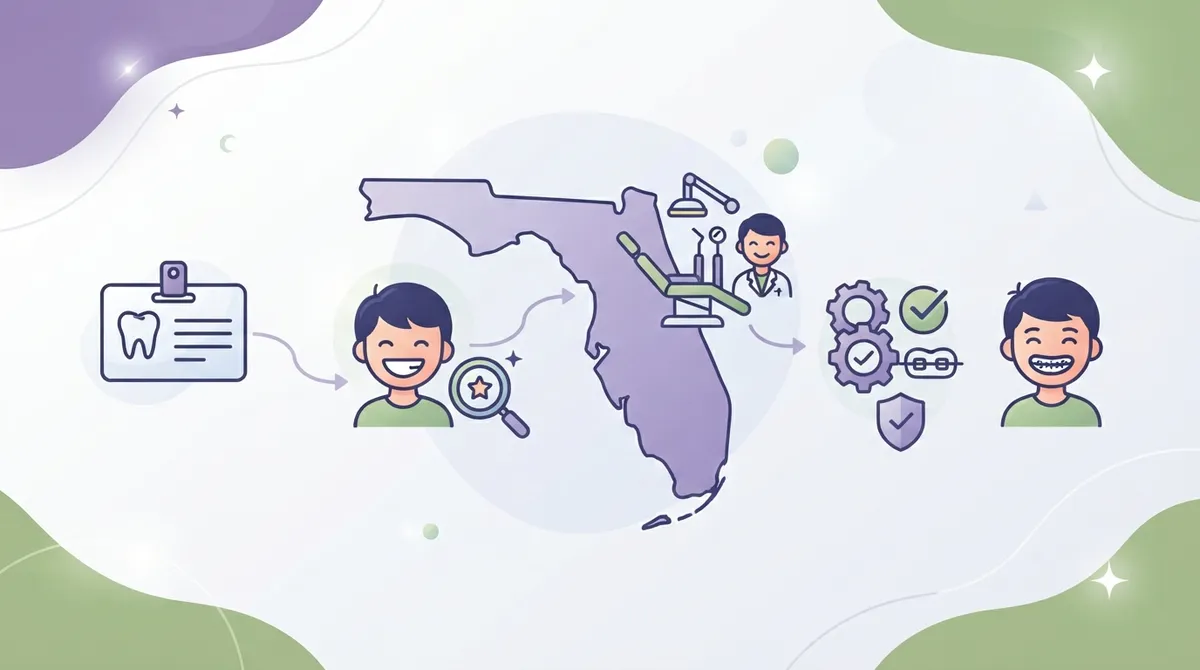
Here’s something that surprises a lot of parents: Florida Medicaid dental benefits aren’t handled directly by the state. Instead, every Medicaid member must enroll in a separate dental plan. Official program information currently identifies DentaQuest and Liberty Dental as the two main dental-plan contacts families work with.
Your child’s exact plan should be listed on their Medicaid member card. If you’re not sure which plan you have, you can also check through the state’s official enrollment system. This step matters a lot, because an orthodontist accepting one Medicaid dental plan may not accept the other.
Why This Matters for Lakewood Ranch Families
Lakewood Ranch sits right near the Manatee-Sarasota county line, so families often search for care in Lakewood Ranch, Bradenton, and Sarasota all at once. That’s smart, but it also means you need to double-check that any orthodontist you’re considering is contracted with your child’s specific dental plan, not just “Medicaid” in general.
An office might proudly display “We accept Medicaid” on their website, yet still not be in-network with your particular dental plan administrator. Always confirm directly before booking an evaluation.
Steps to Get Your Child Approved for Medicaid Braces
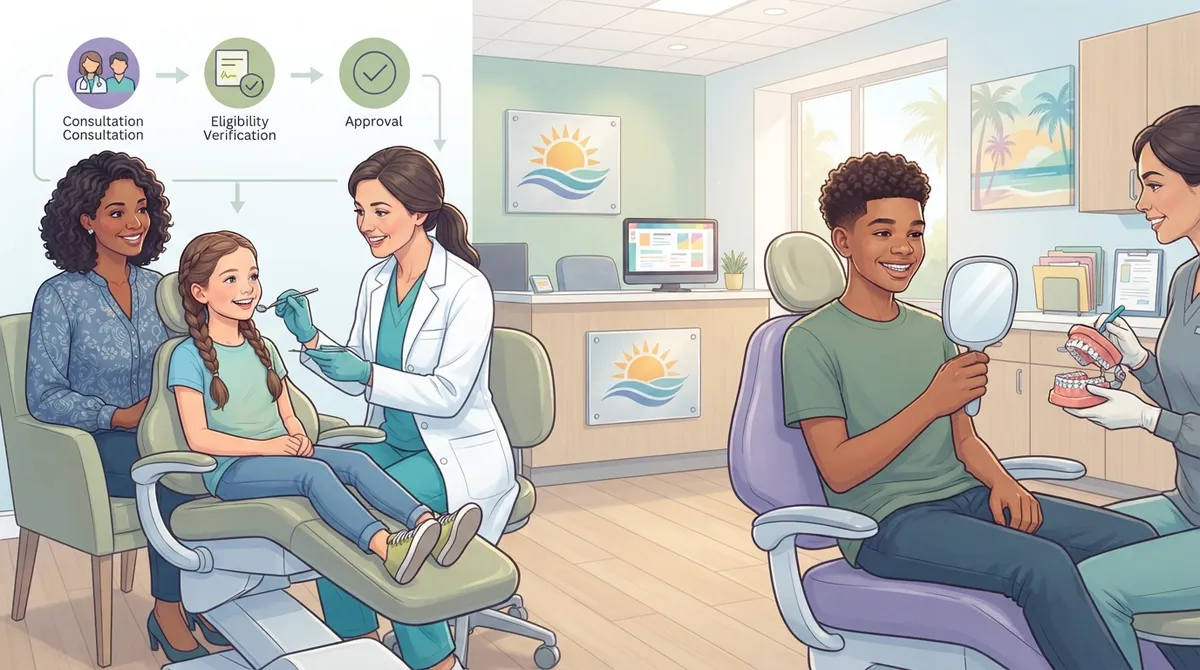
The process can feel like a maze at first, but it’s really just a handful of clear steps. Here’s how most Lakewood Ranch families move through it successfully:
- Confirm your child’s dental plan. Check the Medicaid card or call member services to verify whether your child is enrolled with DentaQuest, Liberty Dental, or another plan.
- Search the plan’s provider directory. Look specifically for orthodontists contracted with that exact dental plan near Lakewood Ranch, Bradenton, or Sarasota.
- Schedule a clinical evaluation. The orthodontist will examine your child’s teeth and bite, checking for the kinds of functional problems that qualify for coverage.
- Gather supporting records. The orthodontic office typically takes photographs, X-rays, and measurements needed for the Florida Medicaid orthodontic assessment.
- Wait for prior authorization. The dental plan reviews everything before treatment can begin. This isn’t a rubber stamp process, so patience is key here.
Provider guidance in the industry commonly references a scoring tool called the Handicapping Labio-Lingual Deviation, or HLD, assessment. A score around 26 or higher is sometimes cited as a rough threshold, but this isn’t a guarantee. Always verify the current standard and plan-specific requirements directly with the dental plan, since scoring alone doesn’t promise approval.
Finding a Medicaid Orthodontist Near Lakewood Ranch
Because Lakewood Ranch borders both Manatee and Sarasota counties, your search radius should probably be a little wider than just your zip code. Here’s a simple approach that saves time and frustration:
- Start with your dental plan’s official provider directory, not a general internet search
- Expand your search to include Bradenton and Sarasota locations
- Call the office directly to confirm they accept your child’s specific Medicaid dental plan
- Ask whether they are currently accepting new Medicaid orthodontic patients
- Confirm any referral requirements from a general dentist beforehand
Before you schedule anything, it helps to ask a few direct questions. Is the consultation free or covered under the plan? Does the office handle prior authorization submissions for you? What records will they need from your child’s regular dentist? What happens if an appliance breaks or an appointment gets missed? Getting these answers upfront prevents surprises later. Our First Orthodontic Visit page walks through what a typical evaluation looks like, which can help you feel more prepared.
Medicaid Braces Coverage at a Glance
| Coverage Detail | What Florida Medicaid Says |
|---|---|
| Age Limit | Under 21 years old |
| Requirement | Medically necessary handicapping malocclusion |
| Authorization | Prior authorization required before treatment begins |
| Dental Plans | DentaQuest and Liberty Dental (verify with member card) |
| Retainers | Covered under 21 with prior authorization; one replacement per arch per lifetime |
| Adults 21+ | Generally not covered for orthodontic treatment |
What Happens If Medicaid Denies Your Child’s Braces
A denial isn’t the end of the road. It happens more often than families expect, and there’s a clear process for pushing back. Here’s what to do:
- Ask the dental plan for the written reason behind the denial
- Request a copy of the clinical records and scoring information used in the review
- Follow the plan’s official appeal or reconsideration process step by step
- Call the member-services number on the Medicaid dental card for current appeal instructions
Sometimes a denial comes down to missing documentation rather than an actual lack of medical necessity. Double-checking the paperwork and resubmitting with more complete records can make a real difference. If your child’s case is genuinely borderline, ask the orthodontist’s office for help interpreting the denial letter, since they deal with this more often than you might think.
Already in Treatment? What to Know About Switching Plans
If your child is currently wearing braces and your family’s Medicaid situation changes, don’t panic, but do act quickly. Contact the dental plan before switching plans or providers. Ask specifically about continuity of care and whether a new plan will honor an existing prior authorization.
Switching mid-treatment without checking first can sometimes create gaps in coverage or delays in adjustments. It’s always safer to make a phone call before making any changes.
Braces Options Beyond Medicaid Coverage
Even with Medicaid support, some families want to explore additional treatment options or start orthodontic care before a Medicaid case is fully approved. Segovia Orthodontics offers a range of choices designed to fit different needs and personalities.
For kids and teens who want their braces to feel a little more fun, WildSmiles Braces feature playful bracket shapes like stars, hearts, and even Mickey Mouse designs. When treatment feels exciting instead of scary, kids tend to stick with their brushing and flossing routines more consistently.
Families interested in advanced digital technology might also want to learn about Lightforce Orthodontics, a fully digital, custom-fitted bracket system that can significantly speed up treatment time. And for teens or parents looking into clear aligner options, our Clear Aligners page explains how these discreet trays compare to traditional braces.
Why Working With an Experienced Orthodontic Team Matters
Navigating Medicaid paperwork alongside orthodontic care can feel overwhelming, especially if this is your first time. That’s exactly why having a knowledgeable, patient team on your side makes such a big difference. Dr. Flor Segovia is a Board Certified Orthodontist who provides bilingual care in English and Spanish, which can be a huge relief for families who want clear communication every step of the way.
The team focuses on creating a warm, family-friendly environment where questions are always welcome. If you’d like to see what other families in the community have experienced, take a look at Why Choose Us to learn more about the practice’s approach to patient care.
You can also connect with the practice on social media to see real smile transformations and community updates. Check out our Facebook page or follow along on our Instagram page for helpful tips and patient stories. And if you want to hear directly from other Lakewood Ranch families, visit us on Google — Segovia Orthodontics to read real reviews from the community.
A Few Extra Tips Before Your First Visit
Before you head into that first consultation, a little preparation goes a long way. Here’s what to bring and ask about:
- Your child’s Medicaid card and any letters from the dental plan
- Records or referrals from your child’s general dentist, if requested
- A written list of questions about the approval timeline
- Notes on any previous dental treatment or orthodontic history
It also helps to understand how the American Board of Orthodontics defines board certification standards, since this reflects the level of training and testing your orthodontist has completed. You can learn more about these standards through the American Board of Orthodontics, an independent authority that certifies specialists nationwide.
Your Next Step Toward a Confident Smile
Figuring out Medicaid coverage for braces doesn’t have to feel like solving a puzzle alone. With the right dental plan information, a little patience, and a supportive orthodontic team, Lakewood Ranch families can get through this process with confidence. Whether your child qualifies for Medicaid-covered treatment or you’re exploring other options together, the goal is always the same: a healthy, happy smile your child feels proud of.
If you’re ready to take the next step, we’d love to help you sort through the details. Feel free to contact us with your questions, or go ahead and request an appointment to get your child’s evaluation scheduled. You’re also welcome to call us at 941-557-1333 if you’d rather talk things through over the phone. Your child’s smile journey starts with a single conversation, and we’re genuinely happy to be part of it.
FAQs
Q: Does Florida Medicaid pay for braces in Lakewood Ranch?
A: Yes, it can! Florida Medicaid may cover braces for kids and teens under 21 when the treatment is medically necessary, not just for cosmetic reasons. You’ll need to confirm your child’s specific dental plan and get prior authorization first, but many Lakewood Ranch families do qualify.
Q: What age does Medicaid cover braces in Florida?
A: Florida Medicaid orthodontic benefits generally cover eligible kids and teens up through age 20, meaning coverage ends once your child turns 21. Adults typically aren’t covered for orthodontic treatment under standard Medicaid dental benefits, so it’s worth starting the process early if your child may qualify.
Q: How do I find a Medicaid orthodontist accepting new patients in Lakewood Ranch?
A: Start by checking your child’s specific dental plan directory, whether that’s DentaQuest or Liberty Dental, since not every office accepts every plan. It’s also smart to widen your search to nearby Bradenton and Sarasota, then call ahead to confirm they’re accepting new Medicaid orthodontic patients.
Q: What dental problems qualify a child for Medicaid-covered braces?
A: Qualifying issues usually include severe malocclusion, significant overjet, major open bite or crossbite, severe crowding, and certain craniofacial conditions. Mild crowding or purely cosmetic concerns typically won’t meet the threshold, so a clinical evaluation is the best way to know for sure.
Q: What should I do if Medicaid denies my child’s braces?
A: Don’t panic, denials happen often and aren’t always final. Ask the dental plan for the written reason, request the clinical scoring information, and follow their appeal process, using the member-services number on your Medicaid card for the most current instructions.
Our Service Area