Key Takeaways
-
Schedule first orthodontic evaluation by age 7 to catch developing issues early, such as crossbites or crowded teeth, before they become more serious problems requiring extensive treatment.
-
Family orthodontics allows all household members to receive personalized, individualized treatment plans at one practice, reducing scheduling complexity and building long-term continuity of care.
-
Most 7-year-olds who get evaluated don't need immediate braces; many only require monitoring visits as permanent teeth develop, making early evaluation a preventive tool rather than a braces guarantee.
-
Choose between multiple treatment options tailored to each family member's lifestyle: fun WildSmiles for kids, LightForce digital brackets for speed-focused teens and adults, or Angel Aligners for discreet treatment.
-
Adult orthodontics requires specialized evaluation considering gum health, bone support, and prior dental work; roughly 2.37 million adults were in active treatment in 2024, making it a common and increasingly normal choice.
-
Consistent retainer wear after treatment completion is essential to prevent tooth shifting; skipping retainers is the most common reason teeth regress years later, particularly among adults who abandoned retainers after teenage braces.
Juggling school pickups, work meetings, and everyone’s dentist appointments is hard enough. Now add braces for your teen, a check-up for your seven-year-old, and maybe your own crooked bottom teeth that never got fixed. Sound familiar? That’s exactly why family orthodontics exists, and why so many parents in Lakewood Ranch are grateful for it. Instead of driving to three different offices, you can bring the whole crew to one place that knows your family by name.
Family orthodontics simply means one practice cares for kids, teens, and adults under the same roof. It doesn’t mean everyone gets the same treatment or timeline. Your seven-year-old might just need watching. Your teenager might need braces before homecoming. You might want clear aligners nobody notices at your next big work presentation. At Segovia Orthodontics, Dr. Flor Segovia builds a plan around each person, not a one-size-fits-all script. Let’s walk through what family orthodontics really looks like, who needs it, and when.
What Does Family Orthodontics Actually Mean?
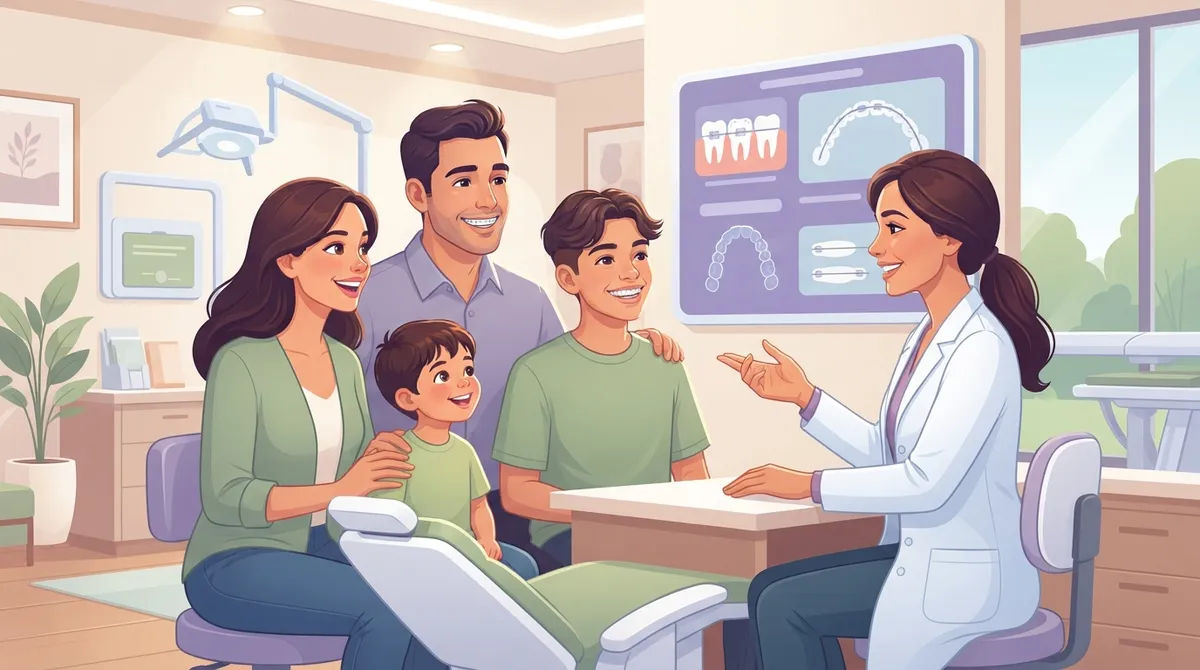
Family orthodontics is a care model, not a specific treatment. It means the same team can evaluate your 8-year-old, your 15-year-old, and you, all in one practice. This setup includes exams, braces, clear aligners, retainers, and ongoing check-ins for every age group.
This approach works well for busy households because it cuts down on separate appointments, separate paperwork, and separate offices to remember. It also builds trust over time. The same orthodontist who watched your child’s baby teeth come in can later fit your teenager for braces, and eventually help you finally fix that gap you’ve had since college.
Learn more about how a family orthodontist supports every generation under one roof, and why that continuity matters for long-term oral health.
When Should Kids First See an Orthodontist?
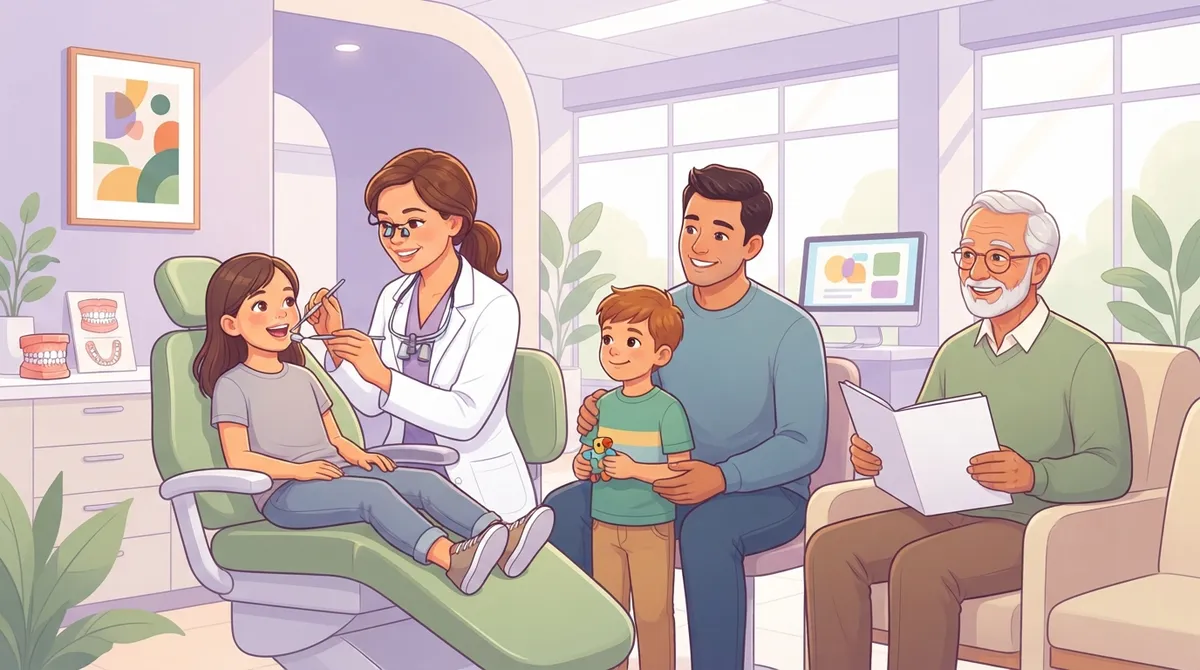
The American Association of Orthodontists recommends kids get their first orthodontic check-up by age 7. This surprises a lot of parents. Seven seems young for braces talk, and that’s the point — this visit isn’t about braces yet.
At this early exam, the orthodontist checks how permanent teeth are coming in and how the jaw is growing. Baby teeth are still around, but enough adult teeth have usually arrived to spot early warning signs. This visit is about catching problems early, not rushing into treatment.
What Early Evaluations Can Catch
An early check-up can reveal several issues before they become bigger problems:
- Crowded or overlapping teeth
- Crossbites, where upper and lower teeth don’t line up right
- Open bites or teeth that don’t meet when biting down
- Excessive overbite or protruding front teeth
- Teeth coming in in the wrong position or place
- Extra spacing or gaps between teeth
- Effects from thumb sucking or other oral habits
Catching these issues early doesn’t guarantee treatment starts right away. In fact, many kids just need regular monitoring visits until they’re ready for the next step. To learn more about what happens at this first visit, check out our guide on the first orthodontic visit.
Does Every 7-Year-Old Need Braces?
No, and this is one of the biggest myths in family orthodontics. Most kids who get evaluated at age 7 don’t need braces right away. Many just need their orthodontist to keep an eye on things as more teeth come in.
Think of the early visit like a weather forecast. It tells you what might be coming so you can prepare, not that a storm is guaranteed. If your child’s teeth and jaw are developing normally, the orthodontist may simply schedule a follow-up in a year or two.
Phase I Treatment vs. Comprehensive Treatment
Understanding the difference between these two treatment types helps families know what to expect at different ages.
| Treatment Type | Typical Age | Goal | Teeth Present |
|---|---|---|---|
| Phase I (Interceptive) | 7-10 years old | Guide jaw growth, create space, fix crossbites | Mix of baby and permanent teeth |
| Comprehensive Treatment | 11+ years old (or adults) | Align teeth and correct bite fully | Mostly or all permanent teeth |
Phase I treatment isn’t needed for every child. When it is recommended, it can make later treatment shorter or simpler. Comprehensive treatment is the more familiar type most people picture: full braces or aligners once most adult teeth have arrived. You can read more about the benefits of catching issues early in our article on early orthodontic treatment.
Treatment Options for Every Family Member
One of the best parts of family orthodontics is variety. Different ages and lifestyles call for different tools, and a good practice offers real choices instead of pushing one product for everyone.
For Kids Who Want Braces to Feel Fun
Kids don’t have to dread their braces. WildSmiles Braces come in fun shapes like stars, hearts, and even Mickey Mouse-inspired designs that Disney-loving kids adore. When children feel excited about their braces, they’re more likely to brush well, floss regularly, and avoid foods that could damage their brackets. The unique bracket shapes also make it easier to spot leftover plaque, turning brushing time into a quick self-check.
For Teens and Adults Who Want Speed and Subtlety
Busy teens juggling sports and busy adults juggling careers often want efficient, low-profile treatment. LightForce Orthodontics is a fully digital, 3D-printed bracket system custom-fitted to each tooth. This precision can cut treatment time by up to 45% compared to older bracket systems, while offering clear or white bracket options for a more discreet look.
For Anyone Who Wants Nearly Invisible Treatment
Angel Aligners offer a clear, removable option similar to other aligner brands, but with a unique 7+3 wear schedule that can speed up tooth movement. They use a frosted finish to reduce shine and flexible material to minimize irritation, all at a more budget-friendly price point than some premium brands.
Explore the differences between these paths in our comparison of braces vs. clear aligners to see which fits each family member’s goals.
Why Adults Need a Different Approach
Adult teeth have been in place for decades, so treatment planning looks different than it does for a growing child. According to the AAO’s 2024 economic data, roughly 2.37 million adults were in active orthodontic treatment across the U.S. in that year alone. Adults are not a small or unusual group in orthodontic offices anymore.
When Dr. Segovia treats adult patients, she considers gum health, bone support, any missing teeth, and past dental work like crowns or bridges. This is part of why adult orthodontics requires a more detailed evaluation than a teen’s straightforward comprehensive treatment plan.
Common Reasons Adults Seek Treatment
- Teeth shifted back after skipping retainer wear years ago
- They never had braces as a kid and finally have the time and budget
- A wedding, reunion, or new job has them wanting a confident smile
- Jaw pain or bite issues have gotten worse over time
- They want a more professional appearance for career advancement
Whatever the reason, adults tend to be excellent patients. They follow instructions closely and rarely miss appointments, which often makes treatment smoother and more predictable.
How Family Practices Make Scheduling Easier
Coordinating orthodontic care for multiple people sounds exhausting, but it doesn’t have to be. Many family-focused practices offer:
- Back-to-back appointments so siblings or a parent and child can be seen the same day
- Flexible morning, afternoon, and even evening time slots for working parents
- One shared patient portal or file system for the whole household
- Consistent staff who remember your family’s preferences and history
- Combined financing plans that can apply across multiple family members
Even with this convenience, each person still gets an individual exam and a treatment plan built around their own teeth, jaw, and goals. Convenience never replaces personalized care.
What Family Orthodontic Treatment Costs
Cost is one of the biggest questions families ask, and the honest answer is: it depends. Treatment cost varies based on the complexity of the case, the type of appliance chosen, and how long treatment takes. A 2024 review of fixed-appliance studies found an average treatment length of about 19.9 months, though this is just an average and not a promise for any one patient.
Dental insurance can help offset costs. Many plans include an orthodontic lifetime maximum, often somewhere between $1,000 and $2,500, though this varies widely by plan. It’s worth checking your policy for age limits, waiting periods, and which appliances are covered before starting treatment. Our orthodontic financing page breaks down payment options for families managing more than one treatment plan at a time.
How to Choose the Right Family Orthodontic Practice
Not every practice that treats multiple ages offers the same level of care. Here’s what to look for:
- Confirm the orthodontist is board certified through the American Board of Orthodontics
- Ask about emergency availability for broken brackets or lost aligners
- Compare appointment frequency and how it fits your schedule
- Get a clear breakdown of total fees, insurance coverage, and payment plans
- Ask about retention policies once braces or aligners come off
- Make sure a licensed orthodontist, not just a technician, is supervising treatment
Dr. Segovia is a board certified orthodontist who also provides bilingual care in English and Spanish, which matters a lot for many Lakewood Ranch families. You can also see what real patients say by checking Visit us on Google — Segovia Orthodontics before booking your first visit.
Keeping Everyone’s Teeth Healthy During Treatment
Good oral hygiene matters even more once braces or aligners enter the picture. Food can get stuck in brackets, and aligners need to be cleaned regularly to avoid odor or staining. Here are a few habits worth building as a family:
- Brush after every meal, not just morning and night
- Floss daily using floss threaders or a water flosser for braces
- Avoid sticky, hard, or extra-chewy foods that can damage brackets
- Clean aligner trays with the recommended method, not just tap water
- Keep up with regular dental cleanings on top of orthodontic visits
Making hygiene a family habit, rather than a chore for just one kid, tends to keep everyone more consistent and successful with treatment.
Retention: Protecting the Results
Treatment doesn’t really end when braces come off or aligners are finished. Retainers hold teeth in their new position while bone and gum tissue settle. Skipping retainer wear is one of the most common reasons teeth shift back later in life. Our page on orthodontic retainers covers the different types available and how long they’re typically needed.
This is especially relevant for adults who had braces as teenagers and stopped wearing their retainer years ago. If your smile has shifted, you’re not alone, and it’s a very treatable, common situation.
Why Lakewood Ranch Families Choose One Trusted Practice
Families in Lakewood Ranch want convenience, but they also want to feel like more than just a number. Dr. Segovia’s practice combines advanced technology like LightForce’s digital bracket system with a warm, welcoming office atmosphere built for real families juggling real schedules.
You can follow along with patient smiles and office updates on our Facebook page or see more everyday moments from the practice on our Instagram page. These are great ways to get a feel for the office before your first appointment.
Ready to Bring Your Whole Family In?
Family orthodontics isn’t about forcing everyone into the same treatment. It’s about giving every person in your household — from your youngest to yourself — access to personalized, expert care in one trusted place. Whether your child just turned 7, your teen wants straighter teeth before graduation, or you’re finally ready to fix your own smile, Segovia Orthodontics is here to help.
Ready to get started? Request an appointment today, or call us at 941-557-1333 to talk through your family’s needs with our friendly team.
FAQs
Q: At what age should a child first see an orthodontist?
A: The American Association of Orthodontists recommends a first check-up by age 7. Don’t worry, this doesn’t mean braces are coming right away! It’s simply a chance to catch any developing issues early while there’s still time to guide things in the right direction.
Q: Does every child who is evaluated at age 7 need braces?
A: Not at all, and this is such a common worry for parents. Most kids who get checked at 7 just need a bit of monitoring as their permanent teeth continue coming in. Treatment only happens when it’s actually needed.
Q: Can parents and children really be treated at the same family orthodontic practice?
A: Absolutely, and it’s one of the best perks of choosing a family-focused practice like ours. You can bring your kids, your teen, and yourself in for care without juggling multiple offices or losing track of everyone’s appointments.
Q: How much does family orthodontic treatment cost, and does insurance help?
A: Cost really depends on the treatment type and how long it takes, so it varies from family to family. Many dental plans do offer orthodontic coverage, often with a lifetime maximum, so it’s worth checking your benefits and asking our team about financing options too.
Q: Are braces or clear aligners better for kids and teens?
A: Honestly, it depends on the smile and the person wearing it! Some kids love the fun, expressive look of WildSmiles braces, while older teens might prefer the subtlety of clear aligners. We’ll help your family figure out what fits best during your visit.
Our Service Area