Key Takeaways
-
Research shows clear aligners score 8.2/10 for comfort satisfaction vs. 4.9/10 for traditional braces, with 92.7% of aligner patients satisfied with their tray comfort.
-
Discomfort peaks only in the first 1-2 days after switching to a new tray, then fades within a week as your mouth adjusts to the gentle pressure moving your teeth.
-
Thinner aligners around 0.5mm feel more comfortable to wear, while slightly thicker 0.75mm aligners move teeth more efficiently—your provider should match thickness to your comfort preferences.
-
Switch to new trays before bed to sleep through the strongest adjustment period, and use cold water or orthodontic wax to quickly reduce soreness and rubbing from attachments.
-
Consistent 20-22 hour daily wear not only keeps treatment on schedule but actually reduces overall discomfort, while removable aligners let you eat normally without food restrictions.
-
Contact your orthodontist if you experience sharp lasting pain, loose or cracked trays, or sores that don’t heal, as these warrant professional evaluation beyond normal mild soreness.
Thinking about clear aligners but worried they might hurt or feel weird in your mouth? You’re not alone. One of the biggest questions we hear at our Lakewood Ranch office is about aligners comfort level. Will they pinch your cheeks? Will you sound funny when you talk? Will eating feel like a chore?
The good news is that clear aligners are generally much easier on your mouth than metal braces. Research backs this up, and so do the smiles we see every day at Segovia Orthodontics. In this article, we’ll walk through exactly what comfort looks like with aligners, why some soreness happens, and how you can make your treatment feel as smooth as possible.
Whether you’re a busy parent researching options for your teen, a professional wanting a discreet fix before a big career move, or an adult ready to correct old orthodontic relapse, understanding comfort will help you feel confident about your choice.

What Does Aligners Comfort Level Actually Mean?
Aligners comfort level refers to how your mouth feels while wearing clear trays. This includes pressure, soreness, speech changes, and how easy it is to eat and talk.
Comfort is not the same for every person. It depends on things like:
- How sensitive your teeth and gums are
- Whether your aligners have attachments
- The material and thickness of your trays
- How far along you are in treatment
- How well the aligners fit your teeth
Most patients say aligners feel much gentler than metal brackets and wires. But that doesn’t mean zero discomfort. Let’s look at what science says.
Aligners vs. Braces: Comfort by the Numbers
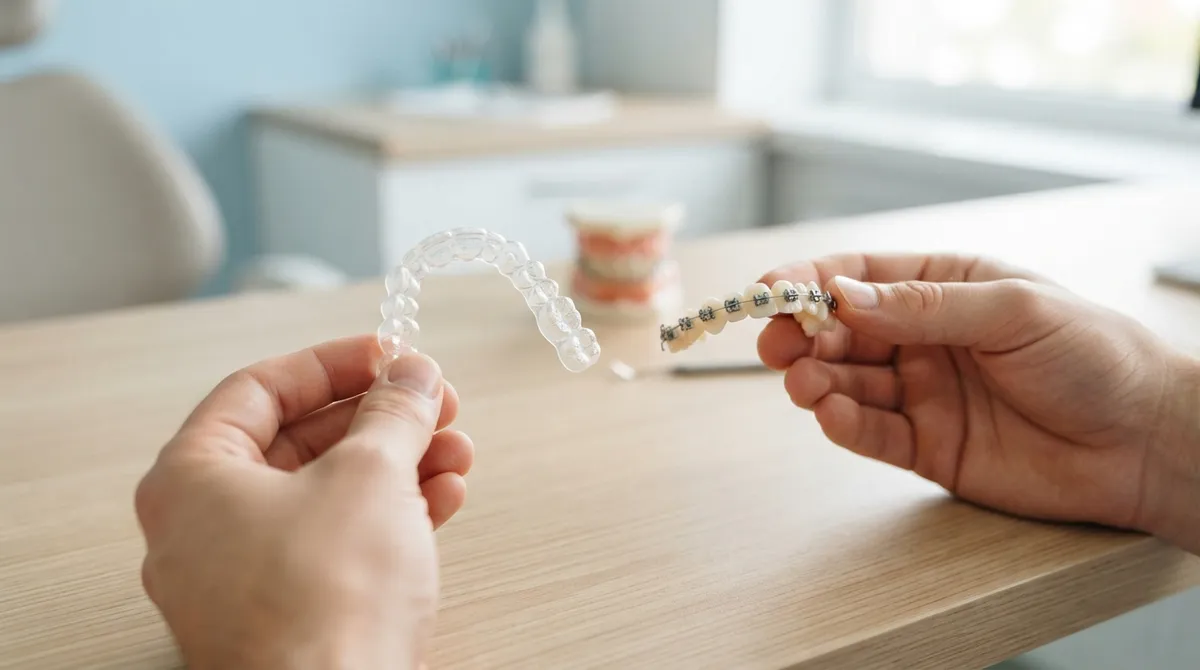
Studies comparing clear aligners and traditional braces show a clear pattern. Aligners tend to win when it comes to comfort, especially early in treatment.
| Measurement | Clear Aligners | Traditional Braces |
|---|---|---|
| Patient satisfaction with comfort (scale of 10) | 8.2 | 4.9 |
| Discomfort score at start of treatment | 3.1 | 6.8 |
| Mean discomfort (10-point scale) | 2.3 | 5.6 |
| Pain score in first-phase treatment | 2.16 | 3.89 |
These numbers come from comparative studies looking at patient-reported pain and satisfaction. In nearly every case, aligners scored better for comfort. One patient perception study even found that 92.7% of aligner patients were satisfied with how comfortable their trays felt. Nearly all patients, 97.1%, liked how easy the aligners were to keep clean.
If you’re comparing your options, our guide on braces vs. clear aligners breaks down more differences beyond just comfort.
Why Aligners Feel Sore at First
Even though aligners are gentler than braces, they still move your teeth. That means some pressure is normal. Here’s what typically happens:
- Day 1-2: You may feel tightness or mild soreness as your teeth adjust to the new tray.
- Day 3-4: Discomfort usually starts to fade as your mouth gets used to the pressure.
- Day 5-7: Most people feel back to normal and barely notice the aligners.
- New tray day: The cycle repeats slightly with each new set, but it’s usually less intense over time.
This pattern matches what researchers have found. Discomfort tends to peak in the first one to two days after starting a new tray, then fades quickly. It’s a short-term adjustment, not a constant ache.
Attachments and Comfort
Some aligner treatments use small tooth-colored attachments to help move teeth more precisely. These little bumps can sometimes rub against your cheeks or lips for the first few days after they’re placed.
The good news is that your mouth adapts fast. Most patients say any rubbing settles down within a week. If you’re curious about how attachments work, our page on clear aligners covers the details.
Does Aligner Thickness Affect Comfort?
Yes, it actually does. A recent study looking at aligner thickness found some interesting results:
- Thinner aligners, around 0.5 mm, felt more comfortable to wear.
- Slightly thicker aligners, around 0.75 mm, moved teeth more efficiently.
- The right choice often depends on your treatment goals and comfort preferences.
This is one reason why working with an experienced provider matters so much. Dr. Flor Segovia uses advanced orthodontic technology to choose the right aligner type for your specific needs, balancing comfort with results.
Common Comfort Concerns With Clear Aligners
Will Aligners Affect My Speech?
Some patients notice a slight lisp or change in speech during the first few days of wearing aligners. This usually happens because your tongue needs to adjust to the extra material in your mouth.
The good news? Most people adapt within a few days. Reading out loud or talking more during this adjustment period can help speed things up.
Will Eating Feel Different?
Since aligners are removable, you take them out before meals. This means you can eat whatever you want without worrying about food getting stuck. However, right after putting a new tray back in, you might notice mild pressure while chewing for the first day or so.
What About Talking on the Phone or at Work?
Many career-focused patients worry about how aligners will affect their professional life. Since aligners are nearly invisible and removable, most people find they can talk, present, and meet clients without anyone noticing.
5 Ways to Improve Your Aligners Comfort Level
Want to make your treatment feel even smoother? Try these simple tips:
- Switch trays before bed. Putting in a new aligner at night means you sleep through the toughest adjustment hours.
- Use orthodontic wax. A small dab on attachments or rough edges can reduce rubbing.
- Try a cold drink or ice water. Cold temperatures can numb minor soreness quickly.
- Stick to your schedule. Wearing aligners for the recommended 20-22 hours a day keeps treatment on track and often reduces overall discomfort.
- Keep aligners clean. Rinsing and brushing your trays prevents rough buildup that can irritate your gums.
These small habits can make a big difference in your day-to-day comfort. If you ever feel unusual pain or notice a cracked tray, don’t wait. Check our orthodontic emergency page for guidance on what to do next.
Does Comfort Affect Treatment Success?
Comfort isn’t just about feeling good. It directly impacts how well your treatment works. Studies show that aligner patients often report less anxiety and better oral-health-related quality of life during early treatment stages compared to those with braces.
When aligners feel comfortable, people wear them more consistently. And consistent wear is one of the biggest factors in getting the results you want on time. This is especially important for busy professionals and life event planners who need predictable timelines before a wedding, graduation, or big job interview.
Comparing Aligner Options at Segovia Orthodontics
Not all clear aligners are the same. At our Lakewood Ranch practice, we offer options designed with comfort in mind, including Angel Aligners, which use flexible, self-adaptive materials and a frosted finish to reduce irritation and shine.
| Feature | Angel Aligners | Standard Clear Aligners |
|---|---|---|
| Wear schedule | 7+3 day rotation | Typically 1-2 weeks per tray |
| Attachments | Often built into tray design | Bonded separately in many cases |
| Finish | Frosted, reduced shine | Varies by brand |
| Comfort focus | Flexible, self-adaptive material | Varies by thickness and brand |
Because Angel Aligners sometimes include built-in attachment points, there’s less need for extra bonded pieces on your teeth. This can mean fewer rough spots and a smoother overall feel. Curious how this compares to other options? Take a look at our breakdown on how to choose the best Invisalign alternative.
Who Benefits Most From Comfortable Aligner Treatment?
Comfort matters for everyone, but it plays an especially big role for certain patients:
- Busy parents juggling school pickups and after-school activities who want low-hassle treatment for their teens.
- Professionals who can’t afford visible discomfort or distractions during meetings and presentations.
- Adults returning to treatment after relapse, who want a gentle, predictable process the second time around.
- Anyone preparing for a big event, like a wedding or graduation, who needs reliable, comfortable progress on a deadline.
If any of these sound like you, our adult orthodontics and teen orthodontic treatment pages have more details tailored to your situation.
What Makes Segovia Orthodontics Different
Dr. Flor Segovia is a board certified orthodontist who understands that comfort and results go hand in hand. Every treatment plan considers your lifestyle, sensitivity, and goals before recommending an aligner type.
Our team also provides bilingual support in English and Spanish, so language never gets in the way of clear communication about your comfort and care. You can learn more about our approach on our why choose us page.
Want to see what real patients say? You can visit us on Google — Segovia Orthodontics to read reviews from families right here in Lakewood Ranch. We also share smile updates and patient stories on our Facebook page and our Instagram page.
When Should You Talk to Your Orthodontist About Discomfort?
Most soreness with aligners is mild and temporary. But you should reach out if you notice:
- Sharp or lasting pain that doesn’t improve after a few days
- Cuts or sores inside your cheeks that don’t heal
- A tray that feels loose, cracked, or doesn’t fit right
- Unusual swelling or bleeding gums
These aren’t common, but they’re worth mentioning at your next visit. According to the American Board of Orthodontics, working with a board-certified specialist helps ensure any concerns get addressed quickly and correctly.
Final Thoughts on Aligners Comfort Level
Clear aligners are designed to make your smile journey easier, not harder. While some mild soreness is normal during the first days of a new tray, most patients find aligners far more comfortable than metal braces. With the right care, tips, and support from your orthodontic team, you can keep discomfort minimal and stay on track for the smile you want.
Ready to see how comfortable your own treatment could be? Request an appointment with our Lakewood Ranch team today, or call us at 941-557-1333 to talk through your options. We’re here to help you smile with confidence, comfortably.
FAQs
Q: Are clear aligners more comfortable than braces?
A: Yes, most research shows aligners are gentler on your mouth than braces, especially early in treatment. Studies found aligner patients report much lower pain scores, and there are no metal brackets or wires poking your cheeks. Plus, you can take them out to eat and brush, which many patients find makes the whole experience easier.
Q: How long does discomfort last with clear aligners?
A: Discomfort usually peaks in the first one to two days after starting a new tray, then fades within a week. Most people barely notice their aligners by the time it’s ready to switch to the next set. It’s a short adjustment period, not something you’ll deal with the whole time.
Q: Why do aligners hurt when I switch to a new tray?
A: Each new tray is slightly different from the last one, gently pushing your teeth toward their final position. That small shift causes a bit of pressure, which can feel like soreness for a day or two. It’s actually a good sign, it means your treatment is working!
Q: Do attachments make clear aligners less comfortable?
A: Attachments can cause mild rubbing on your cheeks for the first few days after they’re placed. Most patients say this settles down quickly as their mouth adjusts. If it bothers you, a little orthodontic wax can smooth things out fast.
Q: How can I reduce pain or soreness with clear aligners?
A: Try switching to a new tray right before bed so you sleep through the toughest part. Cold water or ice can also numb minor soreness quickly. Staying consistent with your 20-22 hour daily wear schedule actually helps reduce overall discomfort too.
Our Service Area