Key Takeaways
-
Verify that your orthodontist is board-certified with a DDS/DMD degree and CODA-accredited residency—not all dentists offering braces are actual orthodontic specialists with rigorous training.
-
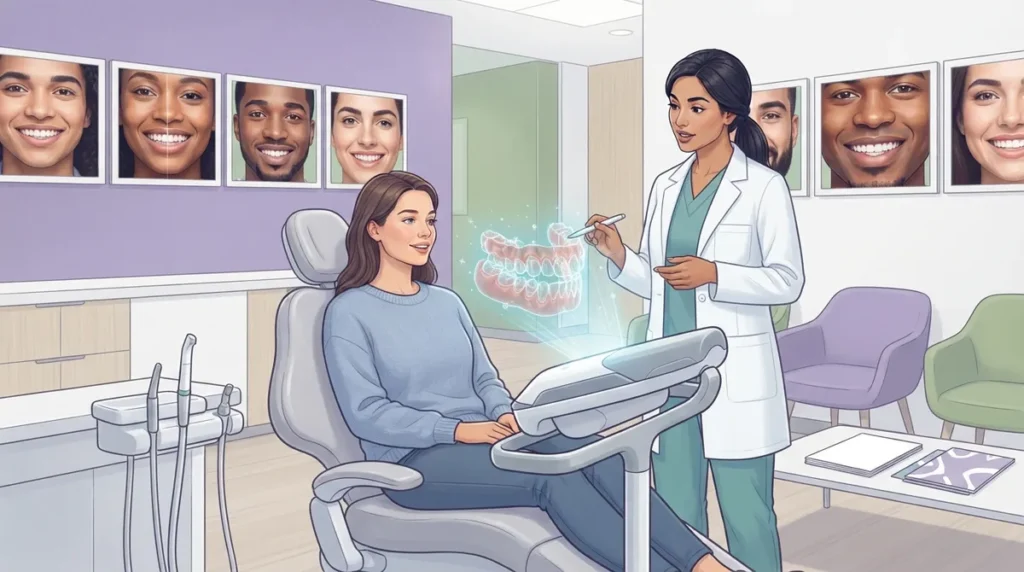
Ask to see before-and-after photos of real patients with cases similar to yours, as visual results matter more than reviews alone for evaluating an orthodontist’s actual skill.
-
Check for modern technology like 3D imaging, digital scanners, and treatment preview software; advanced tools like LightForce can reduce treatment time by up to 45%.
-
Schedule consultations with 2-3 different orthodontists to compare treatment plans, pricing, and communication style before committing, since most offer free initial visits.
-
Prioritize office location, evening/weekend availability, and flexible financing options over credentials alone—convenience directly impacts whether you’ll stick with your treatment plan.
-
Watch for red flags like vague credentials, pressure to sign contracts immediately, refusal to show patient photos, or consistently negative reviews about communication and billing.
Picking an orthodontist feels a little like dating. You want someone trustworthy, skilled, and easy to talk to for the next one to three years. Whether you’re a mom juggling carpool schedules, a professional eyeing clear aligners before a big presentation, or an adult ready to fix that relapse from your teenage braces, the process can feel overwhelming. Take a breath. We’re going to walk through exactly how to choose an orthodontist, step by step, in plain and simple terms.
Learning how to choose an orthodontist isn’t about finding the flashiest office or the cheapest price tag. It’s about finding a provider who fits your life, understands your goals, and has the credentials to back it up. Let’s dig into what actually matters, so you can walk into your first consultation feeling confident instead of confused.
Why Choosing the Right Orthodontist Actually Matters
Your smile is with you every single day. A rushed decision can mean longer treatment, unexpected costs, or results that don’t quite hit the mark. On the flip side, the right orthodontist makes the whole journey smoother, friendlier, and honestly kind of fun.
Think about it this way: you’ll be seeing this person regularly for months, sometimes years. Their office becomes a familiar stop in your routine. That’s why comfort, trust, and communication matter just as much as technical skill.

Step 1: Confirm They’re a Board-Certified Specialist
Here’s something many people don’t realize. Not every dentist who offers braces or aligners is actually an orthodontist. An orthodontist is a dentist who completed extra years of specialized training in a program accredited by CODA (the Commission on Dental Accreditation).
This distinction matters a lot. General dentists can legally offer some orthodontic services, but they haven’t gone through the same rigorous residency focused entirely on tooth movement and bite correction. If you want a true specialist, look for these credentials:
- A DDS or DMD degree from an accredited dental school
- Completion of a CODA-accredited orthodontic residency program
- Board certification from the American Board of Orthodontics
- Active membership in the American Association of Orthodontists
Board certification is actually a big deal. It means the orthodontist voluntarily took extensive exams to prove their skills, on top of what’s already required to practice. Not every orthodontist bothers to pursue this extra credential, so it’s a nice signal of dedication. Dr. Flor Segovia is a board certified orthodontist, which gives families in Lakewood Ranch some real peace of mind.
Step 2: Look Into Their Experience With Cases Like Yours
Experience isn’t just about how many years someone has practiced. It’s about how many cases similar to yours they’ve actually treated. An orthodontist who has handled hundreds of overbites, underbites, or crowded teeth cases will spot issues faster and offer smarter solutions.
When you’re researching, don’t be shy about asking direct questions. Here’s a simple list of what to ask:
- How many years have you been practicing orthodontics?
- Have you treated cases similar to mine before?
- Can you show me before-and-after photos of real patients?
- What treatment options do you recommend for my specific situation?
- How long do you expect my treatment to take?
Real patient photos matter more than star ratings alone. Reviews tell you about the experience, but photos show actual results. A good orthodontist should have a library of transformations they’re proud to share, similar to what you’ll find on our page about orthodontics before and after real smile transformations.
Step 3: Check Out Their Technology and Treatment Options
Orthodontics has changed a lot over the past decade. Old-school metal wires and rubber bands are still around, but many practices now use digital tools that make treatment faster and more precise.
Here’s what modern technology can look like in a great orthodontic office:
- 3D imaging (CBCT scans) to see bone and root structure clearly
- Digital scanners instead of gooey impression trays
- Software that shows a preview of your final smile before treatment even starts
- Custom-fabricated brackets designed specifically for your teeth
For example, LightForce Orthodontics uses 3D printing to create brackets custom-fit to each patient’s teeth, which can speed up treatment by as much as 45%. That’s a huge deal if you’re a busy professional who wants efficient results without constant office visits.
If discreet treatment matters more to you, ask about clear aligner options. Angel Aligners, for instance, use a flexible wear schedule that can move teeth faster while staying nearly invisible. Compare this with traditional braces on our braces vs. clear aligners guide to see which fits your lifestyle better.
A Quick Comparison of Common Treatment Options
| Treatment Type | Best For | Visibility | Typical Timeline |
|---|---|---|---|
| Traditional Metal Braces | Kids, teens, complex cases | Visible | 18-30 months |
| LightForce Custom Braces | Anyone wanting faster, precise results | Subtle (clear/white options) | 12-24 months |
| WildSmiles Braces | Kids who want a fun experience | Visible, playful shapes | 18-30 months |
| Angel Aligners | Adults & professionals seeking discretion | Nearly invisible | 6-18 months |
Step 4: Think About Convenience and Everyday Logistics
You could find the most skilled orthodontist in the state, but if their office is an hour away with no evening hours, keeping appointments becomes a headache fast. Convenience isn’t shallow. It’s actually one of the biggest reasons people stick with their treatment plan or fall behind on it.
Here’s what to consider for everyday convenience:
- Office location relative to home, school, or work
- Availability of early morning, evening, or weekend appointments
- Flexible financing plans or insurance acceptance
- How quickly they can see you for emergencies
Busy parents especially appreciate offices with extended hours, since coordinating school pickups and orthodontist visits can feel like a full-time job. Learn more about what to expect regarding scheduling on our first orthodontic visit page.
Step 5: Schedule Multiple Consultations Before Deciding
Most orthodontists offer free consultations, so there’s really no reason to commit to the first office you visit. Meeting with two or three different practices lets you compare treatment plans, pricing, and overall vibe.
During each consultation, pay attention to these details:
- Did they explain your treatment options clearly, without rushing?
- Did the staff feel warm and welcoming?
- Were your questions answered fully and patiently?
- Did they provide a written treatment plan with cost and timeline?
- Did you feel comfortable, not pressured, to move forward?
This is also the time to ask about digital treatment simulations. Many offices can email you a preview showing your projected results, similar to a Clincheck simulation used for clear aligners. If an orthodontist can’t clearly explain your plan, that’s a red flag worth noting.
Step 6: Read Reviews, But Keep Perspective
Checking Google, Yelp, and Healthgrades reviews is smart. Real patient feedback gives you a sense of the day-to-day experience, from friendliness of staff to how emergencies get handled. You can even visit us on Google — Segovia Orthodontics to see what real patients in Lakewood Ranch have shared about their experience.
That said, don’t let one or two negative reviews scare you away from an otherwise well-recommended practice. Every office has an occasional unhappy patient. Look for patterns instead. If dozens of reviews mention rushed appointments or poor communication, that’s worth taking seriously. You can also follow along on our Facebook page or our Instagram page to see real patient smiles and everyday moments from the practice.
Special Considerations for Different Life Stages
For Parents of Young Children
If you’re choosing an orthodontist for your child, look for someone experienced in early orthodontic treatment. Kids often need a gentler approach and a more playful office environment. Options like WildSmiles Braces with fun shapes like stars, hearts, and even Mickey Mouse brackets can make treatment something kids actually look forward to.
For Teens Balancing School and Activities
Teen life is busy between sports, clubs, and social events. Look for an orthodontist offering flexible scheduling and treatment options built for active lifestyles. Our teen orthodontic treatment page covers options designed to fit around a packed calendar.
For Adults Wanting Discreet Options
Career-focused adults and professionals often prioritize treatments that stay under the radar. Clear aligners are usually the top pick here, since they’re removable and nearly invisible. If you had braces years ago and things have shifted back, check out our page on adult orthodontics to explore your options for correcting relapse.
For Those Preparing for Big Events
Planning a wedding or graduation soon? Ask specifically about faster treatment options. Custom digital systems like LightForce can shave months off traditional timelines, which matters a lot when you’re working against a calendar date that won’t move.
Questions to Ask About Financing and Insurance
Cost is a real factor for most families. Before committing, ask about:
- Whether they accept your dental insurance
- Available payment plans or monthly financing
- Any discounts for paying in full upfront
- What’s included in the quoted price, like retainers or emergency visits
Many offices, including ours, offer flexible orthodontic financing options to make treatment more affordable for families and individuals alike.
Red Flags to Watch For
While most orthodontists are honest professionals, it helps to know what raises concern. Watch out for these warning signs during your search:
- Vague answers about credentials or experience
- Pressure to sign a contract on your first visit
- No willingness to show before-and-after photos
- Consistently negative reviews about communication or billing
- Outdated technology with no digital treatment planning
Trust your gut here. If something feels off during a consultation, it’s perfectly okay to keep looking.
Your Next Steps Toward a Confident Smile
Choosing the right orthodontist is a personal decision, but it doesn’t have to be a stressful one. Focus on credentials, experience, technology, and convenience, then trust your instincts during consultations. The right fit will feel obvious once you find it.
If you’re in the Lakewood Ranch area and ready to explore your options, we’d love to help. You can request an appointment to meet Dr. Flor Segovia and our team, or simply contact us with any questions you have along the way. You can also call us at 941-557-1333 to get started today. Your best smile is closer than you think.
FAQs
Q: Is an orthodontist different from a general dentist for braces?
A: Yes, definitely! An orthodontist completes years of extra specialized training after dental school, focused entirely on straightening teeth and correcting bites. A general dentist might offer basic aligner treatments, but an orthodontist has much deeper expertise for complex cases.
Q: What does it mean if an orthodontist is board certified?
A: Board certification means the orthodontist voluntarily took rigorous exams through the American Board of Orthodontics to prove advanced skill. It’s not required to practice, so it shows extra dedication to their craft, which is always a great sign.
Q: How many consultations should I have before choosing an orthodontist?
A: We recommend meeting with two or three different orthodontists before deciding. Most offer free consultations, so you can compare treatment plans, pricing, and how comfortable you feel with each team.
Q: What technology should a modern orthodontist office have?
A: Look for 3D imaging, digital scanners, and software that shows a preview of your future smile. These tools make treatment faster, more precise, and honestly a lot more fun to watch unfold.
Q: Does insurance typically cover orthodontic treatment for adults?
A: It depends on your specific plan, since many insurance policies limit orthodontic coverage to children. That said, plenty of offices offer flexible financing plans to help make treatment affordable regardless of your insurance situation.
Our Service Area