Key Takeaways
-
Angel Aligners require 20-22 hours daily wear to be effective; unlike braces, success depends entirely on patient compliance and consistency with the wear schedule.
-
Research shows Angel Aligners work as well as traditional braces for mild-to-moderate cases, with a 2025 review of 402 patients finding aligners scored better on one measurement scale with no meaningful differences on others.
-
Angel Aligners excel at correcting mild-to-moderate crowding, spacing, simple bite corrections, and arch expansion, but struggle with severe crowding, complex jaw discrepancies, and cases requiring heavy tooth rotation.
-
The 7+3 wear pattern (7 days flexible tray, 3 days firmer tray) helps keep teeth moving steadily and can reduce office visits compared to traditional aligner systems.
-
Treatment timeline ranges from 4-6 months for mild cases to 12-18 months for moderate cases; outcomes depend heavily on provider expertise and detailed digital treatment planning before starting.
-
Adults and career-focused professionals often find Angel Aligners easier to manage than braces since aligners are nearly invisible and removable, making them ideal for work and social situations.
If you have been searching for a way to fix your smile without a mouth full of metal, you have probably come across Angel Aligners. Maybe your teenager wants something they can pop out for picture day. Maybe you are a busy professional who needs a treatment that will not slow you down at work. Or maybe you had braces years ago, and your teeth have shifted back, and you are ready to fix it for good this time. Whatever brought you here, you are likely asking the same question: do Angel Aligners actually work?
The good news is that clear aligner systems like Angel Aligners have come a long way. Research backs up what many orthodontists already see in their own patients every day. In this article, we will break down what the science says, who tends to get the best results, and how you can set yourself up for success. We will also share where Angel Aligners fit compared to braces, so you can make a confident, informed choice for your smile.
What Are Angel Aligners and How Do They Work
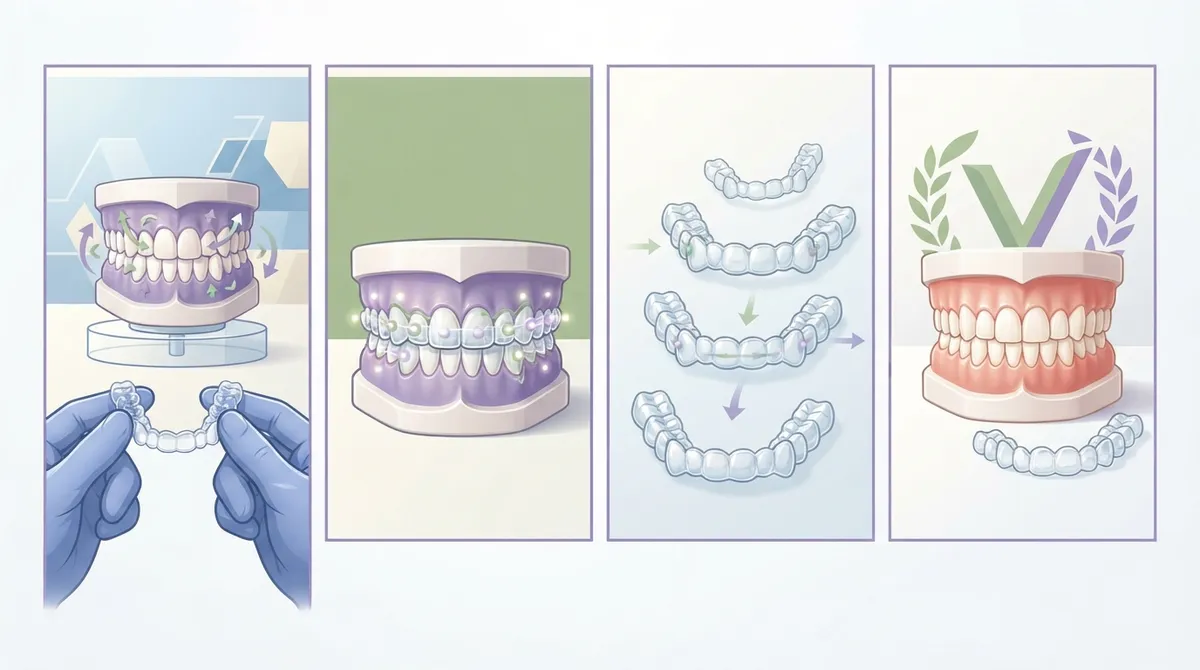
Angel Aligners are a clear aligner system made from a series of custom, removable plastic trays. Each tray gently pushes your teeth toward their correct position, one small step at a time. You wear each set for a short period, then move on to the next tray in the series, just like other clear aligner systems used in modern clear aligners treatment plans.
What makes Angel Aligners a little different is the wear schedule. Many patients follow a 7+3 pattern. That means you wear a flexible tray for seven days, followed by a firmer tray for three days. This approach is designed to keep teeth moving steadily without needing as many extra check-ins at the office.
- Custom-made trays created from digital scans of your teeth
- A frosted finish that helps reduce shine and visibility
- Flexible, self-adaptive material meant to feel gentler on gums and cheeks
- Built-in attachment options that can reduce the need for extra bonded pieces
- AI-supported treatment planning to help map out your tooth movements
What Does the Research Say About Clear Aligner Effectiveness
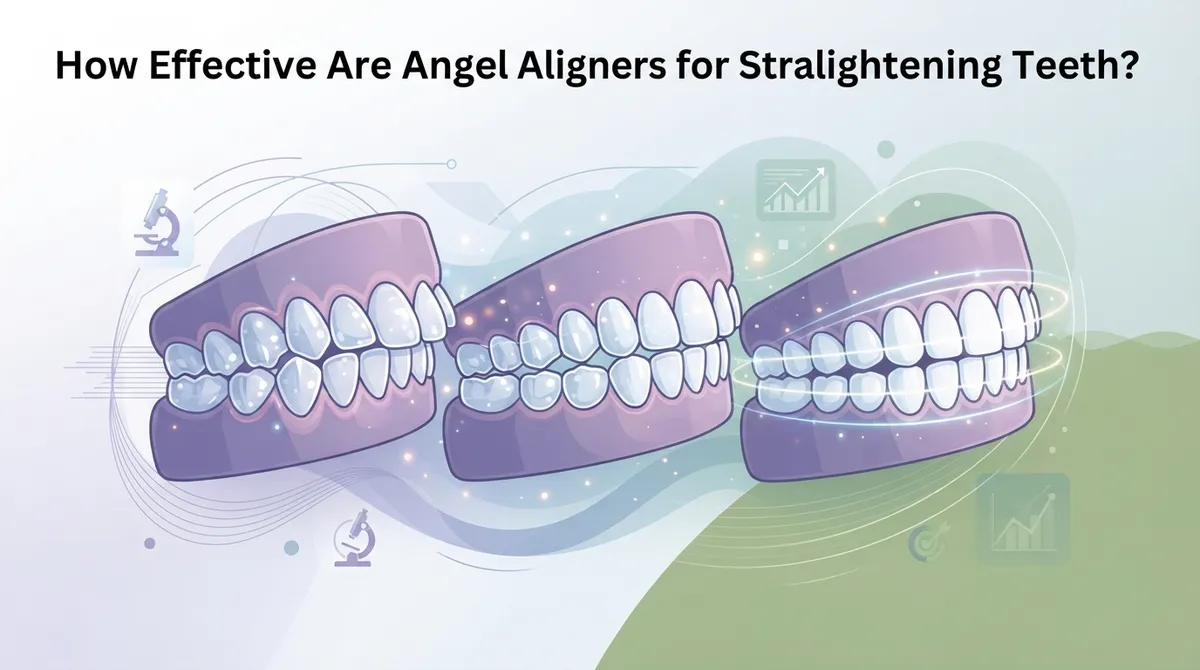
This is the part most people really want to know. Are clear aligners like Angel Aligners just as good as traditional braces? Based on current research, the answer is often yes, especially for certain types of cases.
A 2023 systematic review looked at multiple studies comparing clear aligners to fixed braces. Three of those studies found no significant difference in outcomes, using standard scoring systems that orthodontists use to measure results. A more recent 2025 review of seven clinical trials, including over 400 patients, found that clear aligners actually scored better on one measurement scale, with no meaningful differences in other outcomes when compared to braces.
Here is a quick look at how the research breaks down:
| Study or Review | Year | Key Finding |
|---|---|---|
| Systematic Review (ABO-OGS/PAR scores) | 2023 | No significant difference between aligners and braces in 3 studies |
| Systematic Review of Tooth Movement Certainty | 2020 | Low to moderate certainty of evidence for specific movements |
| Meta-Analysis of 7 RCTs, 402 Patients | 2025 | Aligners scored better on OGS, similar on other measures |
| Adolescent Study | 2020 | Equivalent results for mild cases, better alignment and overjet scores for aligners |
| Expert Consensus Panel | 2025 | 91% agreement aligners work as well as braces for mild-moderate Class I cases |
What stands out across all this research is that clear aligners consistently perform well for simpler cases. The evidence gets a little less certain when we start talking about complex tooth movement, which we will cover next.
Which Orthodontic Problems Do Angel Aligners Handle Best
Not every case is the same, and that is exactly why an evaluation with an orthodontist matters so much. Clear aligners tend to shine in certain situations and struggle a bit more in others.
Cases Where Angel Aligners Work Especially Well
- Mild to moderate crowding in the front teeth
- Small to moderate gaps between teeth
- Simple bite corrections that do not require heavy tooth rotation
- Arch expansion to create more room for teeth
- Crossbite correction in select cases
- Some early mixed-dentition cases in younger patients
- Correcting the angle or tilt of front teeth (incisor inclination)
Cases That May Need Extra Planning or Different Tools
- Severe crowding that needs significant tooth rotation
- Complex bite problems involving major jaw discrepancies
- Cases needing precise control over tooth torque
- Situations requiring careful vertical tooth movement
- Extraction-based treatment plans with big movements
This does not mean aligners are off the table for tougher cases. It simply means your orthodontist may combine techniques, use extra attachments, or recommend a different approach for certain teeth. This is where working with an experienced provider truly makes a difference. Learn more about common orthodontic problems and how they are typically treated.
Angel Aligners Versus Braces: A Side-by-Side Look
Many patients want to know exactly how Angel Aligners stack up against traditional braces. Here is an easy comparison to help guide your decision.
| Factor | Angel Aligners | Traditional Braces |
|---|---|---|
| Visibility | Nearly invisible, frosted finish | Visible, though ceramic or clear options exist |
| Removability | Removable for eating and brushing | Fixed in place for entire treatment |
| Best For | Mild to moderate cases | Mild to complex and severe cases |
| Compliance Needed | High, must wear 20-22 hours daily | Low, works even without extra patient effort |
| Comfort | Smooth plastic, less irritation typically | Metal brackets may cause more initial irritation |
| Office Visits | Fewer visits often needed | Regular adjustment visits required |
If you want to explore this comparison further, our article on braces vs. clear aligners breaks down even more details to help you choose the right path for your smile.
Why Patient Compliance Makes or Breaks Aligner Success
Here is something every orthodontist wants you to know. Clear aligners only work if you actually wear them. Unlike braces, which stay on your teeth no matter what, aligners depend entirely on you.
For Angel Aligners to work as planned, most patients need to wear them 20 to 22 hours every day. That means only taking them out to eat, drink anything besides water, and brush your teeth. If you are someone who tends to forget things or has a packed schedule, this is worth thinking about honestly before you start treatment.
- Wear your aligners for the recommended hours every single day
- Switch to your next tray on schedule, not early or late
- Clean your aligners daily to avoid buildup and odor
- Keep up with your scheduled check-ins with your orthodontist
- Store your aligners safely when they are out of your mouth
- Avoid eating or drinking sugary beverages while wearing them
Career-focused professionals often find this system easier to manage than expected, since aligners fit into meetings, presentations, and daily routines without drawing attention. Still, success really does come down to consistency.
How Long Does Angel Aligners Treatment Usually Take
Treatment time varies quite a bit depending on how complex your case is. Mild cases might wrap up in as little as four to six months. Moderate cases often take closer to twelve to eighteen months. More involved cases can take longer, especially if your orthodontist needs to combine aligners with other tools.
The 7+3 wear schedule used with Angel Aligners is designed to help keep things moving efficiently, which can sometimes shorten overall treatment time compared to older aligner systems. If you are planning around a big life event like a wedding or graduation, it is worth discussing your timeline honestly at your first visit. Our team can help you map out a realistic plan during your first orthodontic visit.
Are Angel Aligners a Good Fit for Adults and Teens
Absolutely, and this is actually one of the biggest reasons Angel Aligners have grown so popular. Adults who feel self-conscious about metal brackets often love how discreet clear aligners are for work, dating, and everyday life. Teens juggling sports, school photos, and social events also appreciate being able to remove their aligners for special occasions.
For parents managing busy family schedules, aligners can also mean fewer emergency visits related to broken wires or loose brackets. That said, younger teens still developing strong responsibility habits may do better with braces, since aligners require consistent daily discipline. Every family situation is different, which is why a personalized evaluation matters so much. You can read more about teen orthodontic treatment options designed around real teenage life.
Adults returning for a second round of treatment after their teeth shifted back tend to be especially reliable with aligners. If that sounds like you, our page on adult orthodontics covers what to expect the second time around.
Setting Realistic Expectations With Your Orthodontist
One theme that shows up again and again in the research is this: outcomes depend heavily on case selection and planning. This means the effectiveness of Angel Aligners is not just about the product itself. It is about whether your orthodontist chooses the right cases for aligners and builds a smart, detailed treatment plan.
This is exactly why choosing a skilled, board-certified provider matters so much. Dr. Flor Segovia uses advanced digital planning tools to map out predictable, realistic outcomes before treatment even begins. You can learn more about her background and approach on our orthodontist Flor Segovia page, or explore her credentials through the American Board of Orthodontics.
- A thorough exam and digital scan before starting treatment
- Clear discussion about what aligners can and cannot fix in your case
- A realistic timeline based on your specific smile goals
- Regular progress checks to catch any issues early
- Backup options if your case needs added attention along the way
At Segovia Orthodontics, we combine this kind of careful planning with a warm, family-friendly environment. Whether you are exploring aligners for yourself or your child, our team walks you through every step. We also offer orthodontic financing to help make treatment fit comfortably into your budget.
Comparing Your Options: Braces, WildSmiles, and Angel Aligners
Segovia Orthodontics offers more than one path to a healthier, straighter smile. Understanding your choices can help you feel confident moving forward.
- LightForce Braces: A fully digital, custom-fit bracket system built for precision and often faster treatment times. Learn more about Lightforce Orthodontics.
- WildSmiles Braces: A fun, expressive option featuring shapes like stars, hearts, and even Mickey Mouse brackets, perfect for kids and playful teens. Check out Wildsmiles Braces for details.
- Angel Aligners: A discreet, comfortable clear aligner system ideal for patients who want flexibility and a nearly invisible look.
Every mouth is different, and the right treatment depends on your goals, your lifestyle, and your specific bite. That is exactly what your first consultation is for. Learn more about our approach on our Why Choose Us page.
What to Do if You Are Ready to Get Started
If Angel Aligners sound like the right fit for your lifestyle, the next step is simple. Schedule an evaluation so Dr. Segovia and her team can review your smile and build a personalized plan. We proudly serve families throughout Lakewood Ranch, and we would love to help you feel confident about your next step.
Curious what other patients are saying? Take a look at Visit us on Google — Segovia Orthodontics to see real reviews from our community. You can also follow along and see smile transformations on our Facebook page and our Instagram page for daily inspiration and updates from our office.
Final Thoughts on Angel Aligners Effectiveness
So, are Angel Aligners effective? Based on current research and real patient results, the answer is a confident yes for the right cases. They work especially well for mild to moderate crowding, spacing, and bite issues, and many patients love the comfort and discreet look. Success really does depend on wearing them consistently and choosing an experienced orthodontist who plans your treatment carefully.
If you are ready to find out whether Angel Aligners are right for your smile, our team is here to help every step of the way. Feel free to contact us with any questions, or go ahead and request an appointment to get started. You can also simply call us at 941-557-1333 to speak with our friendly team today. We cannot wait to help you love your smile.
FAQs
Q: Are Angel Aligners as effective as braces?
A: For mild to moderate cases, research shows Angel Aligners can work just as well as traditional braces. Studies comparing scoring systems found no major differences in outcomes for many non-extraction cases. Your best results depend on choosing the right case type and staying consistent with wear.
Q: What types of orthodontic problems do Angel Aligners work best for?
A: Angel Aligners tend to shine with mild to moderate crowding, small gaps, and simple bite corrections. They also work well for arch expansion and some crossbite cases. More complex bite issues may need extra planning or a combination approach.
Q: How long does Angel Aligners treatment usually take?
A: Mild cases can wrap up in about four to six months, while moderate cases often take twelve to eighteen months. The exact timeline depends on your starting point and how consistently you wear your trays. Your orthodontist can give you a personalized estimate at your first visit.
Q: How important is patient compliance for Angel Aligners success?
A: Compliance is everything with clear aligners. You need to wear them 20 to 22 hours a day and switch trays on schedule for the treatment to work as planned. Skipping wear time or delaying tray changes can slow down or even derail your progress.
Q: Do Angel Aligners work for severe crowding or bite problems?
A: Severe cases can be trickier for aligners alone, since they often need more precise control over tooth movement. Many orthodontists combine aligners with other techniques for these situations. A thorough evaluation will help determine the best approach for your specific smile.
Our Service Area