Key Takeaways
-
Wear your retainer full-time (20-22 hours daily) for the first 3-6 months after braces, then transition to nighttime-only wear indefinitely, as teeth can shift naturally throughout life.
-
Teeth can begin drifting back to original positions within just a few months without consistent retainer use, undoing months or years of orthodontic treatment progress.
-
Your personalized retainer schedule depends on age, initial tooth crowding, treatment complexity, and jaw stabilization—follow your orthodontist's specific instructions rather than assuming timelines apply equally to everyone.
-
If your retainer feels tight, doesn't fit snugly, or you notice new gaps or crowding, contact your orthodontist immediately rather than forcing it, as early intervention prevents larger problems.
-
Fixed bonded retainers require careful daily brushing and flossing, while removable retainers need weekly cleaning soaks and storage in cases away from heat, pets, and direct sunlight.
-
Contact your orthodontist immediately if your retainer is lost or damaged to prevent tooth shifting, as delays make it harder for replacement retainers to fit properly.
Congratulations, your braces are off! That moment when you finally see your new smile in the mirror is pretty magical. But here’s a question almost every patient asks right away: how long do you wear retainers after braces? We hear this question all the time at our Lakewood Ranch office, and honestly, it’s one of the most important things to understand as you finish your treatment journey.
Your teeth worked hard to move into their new positions, but they haven’t fully settled yet. Retainers are what keep all that progress in place. Think of braces as the workout and retainers as the recovery plan that locks in your results. Skipping this step can undo months (or years) of hard work, which nobody wants after investing so much time and effort into a straighter smile.
In this guide, we’ll break down exactly how long you need to wear your retainer, what factors affect your timeline, and how to keep your smile looking its best for years to come. Whether you’re a parent helping your teen through this transition, or an adult who just finished treatment, this article has you covered.
Why Retainers Matter So Much After Braces
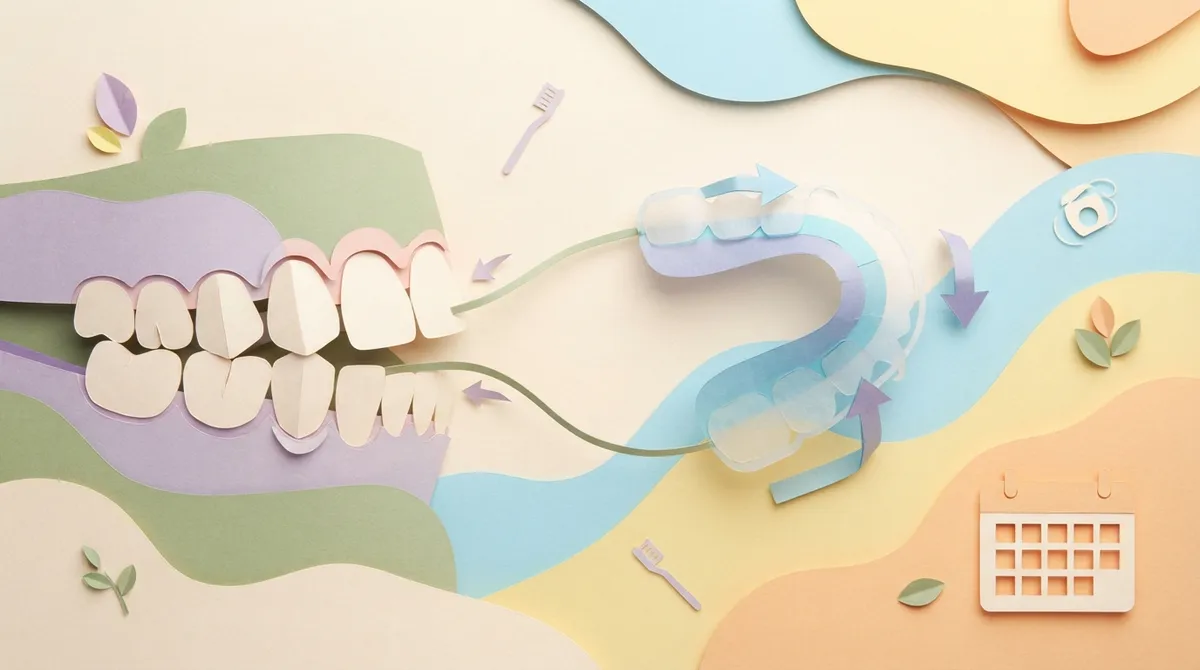
Once your braces come off, your teeth are still a little wobbly in their new spots. The bone and tissue around your teeth need time to firm up and hold everything in place. Without a retainer, teeth can start drifting back toward their original positions. This is called orthodontic relapse, and it’s more common than you might think.
Retainers act like a security guard for your smile. They hold your teeth steady while your mouth adjusts to its new alignment. Learning more about orthodontic retainers before your braces even come off can help you feel prepared for this next phase.
How Long Do You Wear Retainers After Braces? The General Timeline
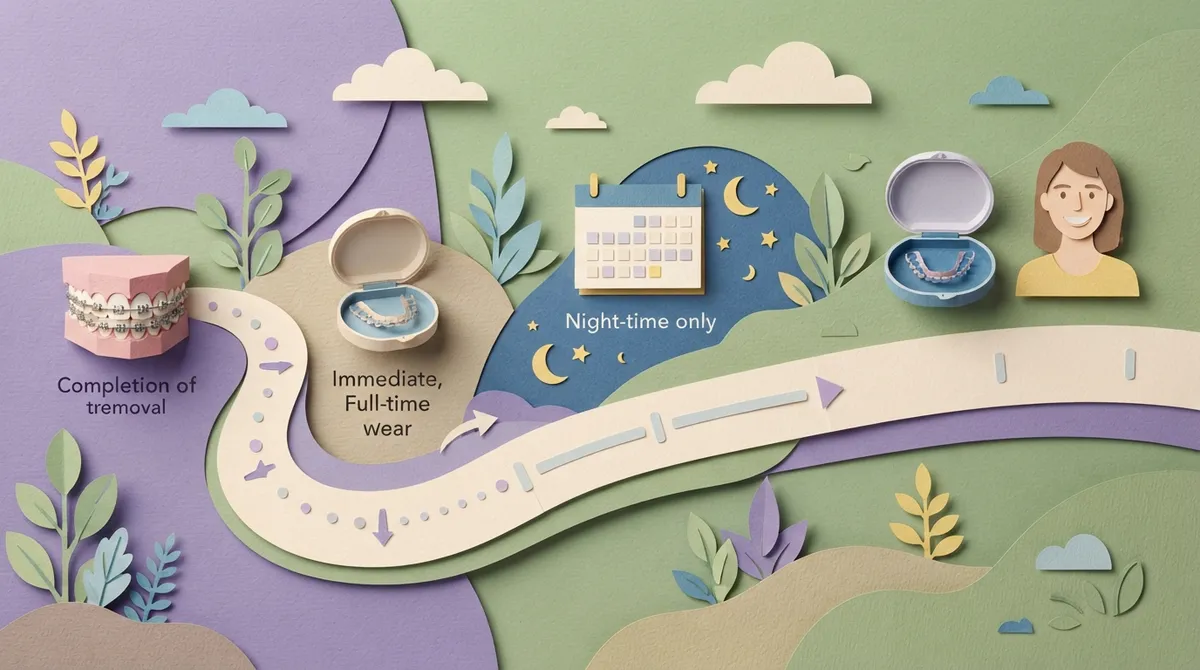
Most orthodontists follow a similar pattern, though the details can vary based on your specific case. Here’s what a typical retainer schedule looks like:
- First 3 to 6 months: Full-time wear, meaning about 20 to 22 hours a day. You’ll only take it out to eat, drink anything other than water, and clean your teeth.
- Months 6 to 12: Many patients transition to nighttime-only wear during this stage, though some complex cases require full-time wear for up to 9 to 12 months.
- After the first year: Nighttime wear typically continues indefinitely. Your orthodontist will let you know if you can reduce this to a few nights a week.
- Long-term: Many orthodontists recommend wearing a retainer at night for life, since teeth can shift naturally as we age.
According to the American Board of Orthodontics, retention is generally considered a lifelong commitment, though how often you wear your retainer will decrease over time. This might sound like a lot, but most patients find nighttime wear becomes just another part of their bedtime routine, like brushing your teeth.
Why Timelines Can Vary Between Patients
Not everyone follows the exact same schedule. Your orthodontist will consider several factors when creating your personalized retainer plan:
- Your age when you finished treatment
- How crowded or misaligned your teeth were originally
- The complexity of your orthodontic treatment
- Whether you had a fixed or removable retainer
- How well your teeth and jawbone have stabilized
This is why it’s so important to follow the specific instructions your orthodontist gives you, rather than relying on what a friend or family member experienced. Every smile is different, and Dr. Flor Segovia tailors retainer plans to fit each patient’s unique needs.
Types of Retainers and How They Affect Wear Time
The type of retainer you get can also influence your wear schedule. Let’s look at the most common options.
| Retainer Type | Typical Wear Schedule | Best For |
|---|---|---|
| Removable Clear Retainer | Full-time initially, then nights only | Patients who want a discreet, easy-to-clean option |
| Hawley Retainer | Full-time initially, then nights only | Patients needing adjustable retention |
| Fixed (Bonded) Retainer | Worn continuously, stays in place | Patients who want a no-maintenance option behind the teeth |
Fixed retainers are bonded behind your front teeth and stay there around the clock. They’re great for patients who worry about forgetting to wear a removable retainer, but they still require careful brushing and flossing to keep the area clean. If you’re curious about which option fits your lifestyle, our page on orthodontic retainers breaks down the pros and cons in more detail.
What Happens If You Stop Wearing Your Retainer Too Soon
We get it, wearing a retainer forever doesn’t sound like the most exciting plan. But skipping your retainer schedule can lead to some frustrating consequences. Teeth are surprisingly good at remembering their old positions, and they can shift back within just a few months of inconsistent wear.
Here are some signs that your teeth may already be shifting:
- Your retainer feels tight or hard to insert
- You notice new gaps or crowding forming
- Your bite feels different when chewing
- Your retainer no longer fits snugly against your teeth
If any of these sound familiar, don’t try to force the retainer into place. This can actually damage your teeth or the retainer itself. Instead, reach out to your orthodontist right away. Sometimes a new retainer is needed to accommodate slight shifts, and catching this early can prevent bigger problems down the road.
Caring for Your Retainer the Right Way
Taking care of your retainer isn’t complicated, but it does require some consistency. Here’s a simple routine to follow:
- Rinse your retainer with water every time you remove it.
- Brush it gently with a soft toothbrush (avoid toothpaste, which can scratch the surface).
- Soak it weekly in a retainer cleaning solution or a mix of water and mild soap.
- Store it in its case whenever it’s not in your mouth to avoid loss or damage.
- Keep it away from pets, heat, and direct sunlight, which can warp the plastic.
Water is generally the safest thing to drink while wearing a removable retainer. Sugary drinks, coffee, and soda can cause staining or bacteria buildup. If you ever notice cracks, warping, or a retainer that no longer fits, it’s time to schedule a visit rather than waiting it out.
Retainers for Every Stage of Life
Whether you’re a parent managing your child’s teen orthodontic treatment, a busy professional who just finished adult orthodontics, or someone getting ready for a big milestone like a wedding, retainer care looks a little different for everyone.
For parents of kids and teens: Consistency is everything at this age. Set reminders, keep a case in their backpack, and check in regularly to make sure the retainer schedule is being followed. Missing even a few days can cause noticeable shifting in younger patients whose teeth move more easily.
For young professionals and career-focused adults: Nighttime wear fits easily into most schedules, and clear retainers are barely noticeable if you ever need to wear one during the day. This makes it simple to maintain your smile without interrupting your busy life.
For adults returning after relapse: If you had braces years ago and your teeth have shifted, you’re definitely not alone. Many adults come back for treatment because they stopped wearing their retainer and saw their smile slowly change. The good news is that modern options, including clear aligners, can help correct relapse efficiently.
Common Questions About Retainer Wear Time
Patients often ask us how their retainer schedule compares to national guidelines. Research from Stanford Children’s Health notes that some orthodontists recommend around 12 hours a day for the first six months, followed by nighttime wear indefinitely. Meanwhile, other protocols suggest full-time wear for a shorter period followed by a gradual reduction. This range in guidance is exactly why personalized care matters so much.
At our practice, we walk you through your specific plan during your first orthodontic visit and update it as your treatment progresses. We also explain what to expect at your FAQ orthodontic treatment page, which covers many other common concerns beyond retainers.
What to Do If Your Retainer Gets Lost or Damaged
Life happens. Retainers get left in napkins, chewed by curious pets, or simply lost in the shuffle of a busy day. If this happens to you, don’t panic, but also don’t wait too long to act. The longer you go without a retainer, the more your teeth may shift, making it harder for a new retainer to fit properly.
Contact your orthodontist as soon as possible to discuss next steps. In some cases, a temporary retainer can be made quickly to prevent shifting while your permanent replacement is created. This is also a good time to review your orthodontic emergency resources so you know what qualifies as urgent.
Trust Dr. Segovia With Your Retention Plan
Every smile is different, which is why cookie-cutter retainer advice doesn’t always work. At Segovia Orthodontics, Dr. Flor Segovia takes time to explain exactly how long you’ll need to wear your retainer based on your treatment, your bite, and your lifestyle. As a board certified orthodontist, she stays current on the latest research and techniques to make sure your results last.
Our Lakewood Ranch team believes that finishing your orthodontic journey shouldn’t feel confusing or stressful. We want you to leave every appointment feeling confident about your next steps, whether that’s understanding your retainer schedule or knowing when to come back for a checkup. You can also follow along with patient stories and smile transformations on our Facebook page or check out daily updates on our Instagram page.
Curious what other Lakewood Ranch families think about their experience with us? Feel free to visit us on Google — Segovia Orthodontics to read real reviews from patients just like you.
Ready to Keep Your Smile on Track?
Understanding how long you wear retainers after braces is a huge part of protecting your investment in your smile. The short answer is that full-time wear typically lasts a few months, followed by nighttime wear for the long haul. But your exact plan depends on your unique treatment and needs.
If you’re finishing treatment soon, have questions about your current retainer, or think your teeth might be shifting, we’re here to help. Feel free to contact us with any questions, or go ahead and request an appointment to get personalized guidance from our team. You can also simply call us at 941-557-1333 to speak with someone right away. Your beautiful new smile deserves to last a lifetime, and we’re here to help make that happen.
FAQs
Q: How many hours a day should I wear my retainer after braces?
A: Most patients need to wear their retainer full-time for the first few months, which means about 20 to 22 hours a day. After that initial period, many orthodontists shift patients to nighttime-only wear, but it really depends on your specific treatment plan.
Q: Do I have to wear my retainer forever after braces?
A: In most cases, yes, at least occasionally! Teeth naturally shift over time, even years after braces. Wearing your retainer a few nights a week long-term helps keep your smile exactly where you want it.
Q: What happens if I stop wearing my retainer?
A: Your teeth can start drifting back toward their original positions, sometimes within just a few months. If your retainer starts feeling tight or doesn’t fit anymore, that’s a sign you should reach out to your orthodontist right away.
Q: How long do permanent or bonded retainers stay in?
A: Bonded retainers can stay in place for many years, sometimes even a decade or longer, as long as they’re well cared for. Your orthodontist will check the wire during regular visits to make sure it hasn’t loosened or broken.
Q: What should I do if my retainer no longer fits?
A: Don’t try to force it into place, since this can damage your teeth or the retainer. Instead, give your orthodontist a call so they can check for any shifting and figure out the best next step for your smile.
Our Service Area