Key Takeaways
-
Braces typically cost $3,000-$7,500 in the US, with most patients paying $5,000-$6,500. Costs vary by case complexity, location, and treatment duration, so get a personalized quote from your orthodontist.
-
Traditional metal braces average $6,343 and remain the most budget-friendly option, while clear aligners average $5,108 and lingual braces cost $8,000-$13,000, so choose based on your lifestyle and budget priorities.
-
Dental insurance typically covers 50% of orthodontic costs up to a $1,000-$3,000 lifetime maximum. Always call your provider directly to confirm coverage before committing to treatment.
-
You can reduce out-of-pocket costs by using flexible payment plans, HSA/FSA funds with pre-tax dollars, or asking about upfront payment discounts that most orthodontic practices offer.
-
Early orthodontic treatment for children can catch developing bite issues before they become more expensive problems, potentially reducing overall treatment costs and complexity later.
-
Budget for retainers after braces end, as they're critical for preventing teeth from shifting back but are often quoted separately from main treatment fees.
If you have ever typed “how much do braces cost” into your phone late at night, you are not alone. Whether you are a mom watching your child’s smile change, a young professional dreaming of straighter teeth before a big event, or an adult ready to fix that relapse from your teenage years, cost is usually the first question. The good news? Braces are more affordable and flexible than most people think, and understanding the numbers can help you plan with confidence.
At Segovia Orthodontics in Lakewood Ranch, Dr. Flor Segovia and her team meet families and adults every week who want a clear answer before they commit. This guide breaks down real 2026 pricing, what affects your final bill, and how to make treatment fit your budget without any guesswork.
How Much Do Braces Cost on Average?
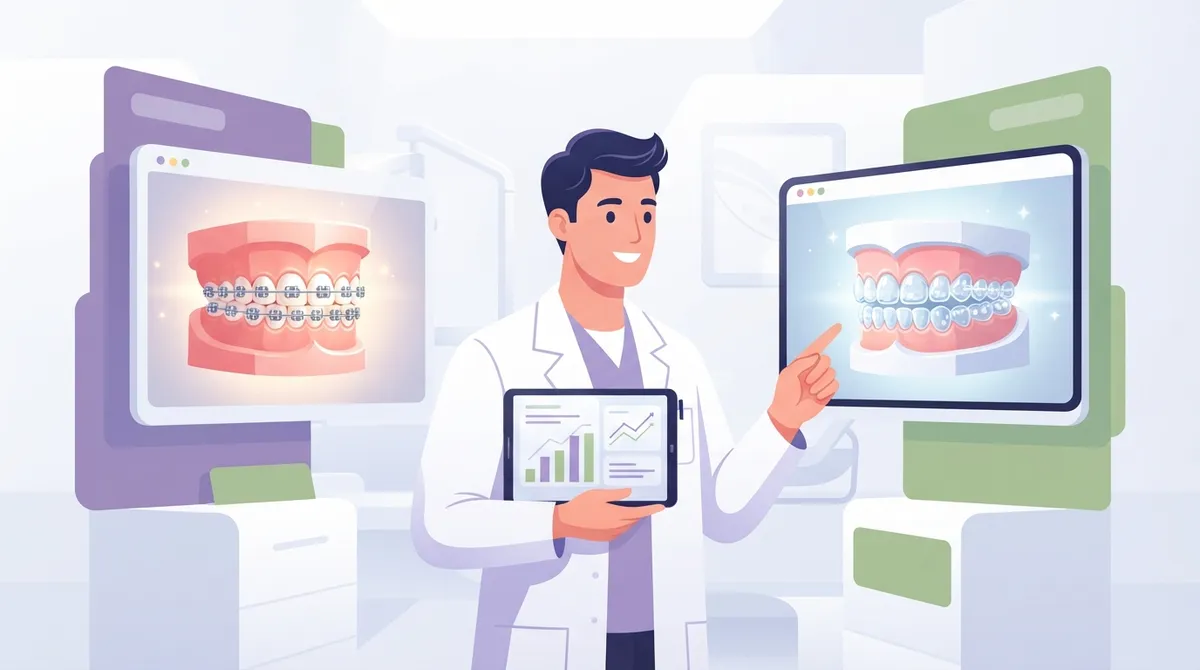
In the United States, a full course of orthodontic treatment typically runs about $3,000 to $7,500 before insurance. Many patients land somewhere between $5,000 and $6,500 for comprehensive care. Your exact price depends on where you live, how complex your case is, and how long treatment takes.
Think of it like buying a car. A base model and a fully loaded version both get you where you’re going, but the features and materials change the price tag. The same is true for braces. A simple case with mild crowding costs less than a complex bite correction needing extra tools or longer treatment time.
What’s Included in the Total Price
Before you compare numbers, it helps to know what a quote should cover. A trustworthy orthodontic financing plan or treatment estimate typically includes:
- Your initial exam, digital scans, or X-rays
- The brackets, wires, or aligner trays themselves
- Routine adjustment visits throughout treatment
- Minor emergency repairs during treatment
- Retainers after your braces come off
Always ask your orthodontist what’s bundled into the fee and what might cost extra, like replacing a lost retainer or fixing a broken bracket from eating something you shouldn’t have.
Braces Cost by Type: A Side-by-Side Look
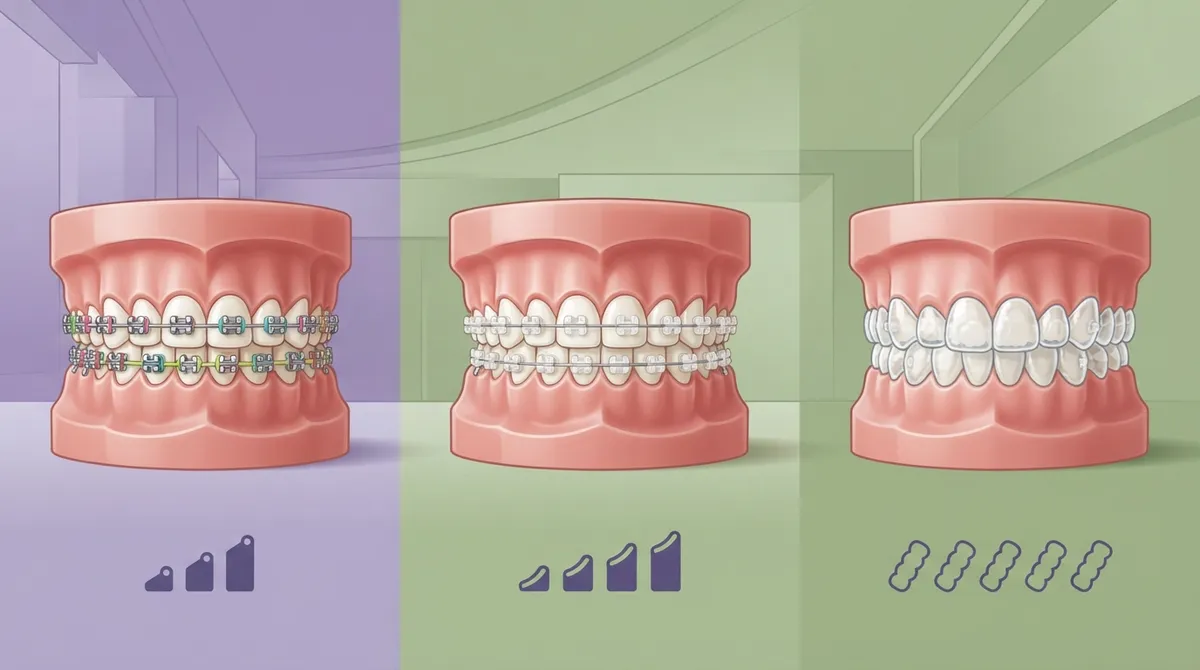
Not all braces are priced the same. Here’s a breakdown of typical costs based on recent 2025-2026 orthodontic pricing data, so you can see where each option falls.
| Braces Type | Typical Price Range | Average Reported Cost | Best For |
|---|---|---|---|
| Traditional Metal Braces | $3,000 – $7,000 | ~$6,343 | Budget-conscious patients, kids, teens |
| Ceramic/Clear Braces | $4,000 – $8,500 | ~$5,834 | Teens and adults wanting a subtler look |
| Clear Aligners | $3,500 – $8,500 | ~$5,108 | Adults and professionals wanting discretion |
| Lingual Braces | $8,000 – $13,000 | ~$9,221 | Patients wanting completely hidden brackets |
Traditional metal braces remain the most budget-friendly option and are still one of the most reliable ways to fix crowding, gaps, and bite issues. If you’re curious about why they’ve stayed popular for decades, check out our article on 7 Reasons Traditional Metal Braces Are Still a Top Choice.
Fun Options for Kids: WildSmiles Braces
Getting braces doesn’t have to feel like a chore for children. Our WildSmiles Braces come in shapes like stars, hearts, and even Mickey Mouse designs, turning treatment into something kids actually look forward to. When kids enjoy their braces, they tend to brush better and stick with their care routine, which can help keep treatment on schedule and on budget.
Fast, Custom Treatment with LightForce
For patients who want precision and speed, LightForce Orthodontics uses 3D-printed, custom-fitted brackets designed specifically for your teeth. This technology can reduce treatment time by up to 45% compared to one-size-fits-all brackets, which may help lower your overall cost by shortening the number of adjustment visits needed.
How Much Do Clear Aligners Cost?
Clear aligner treatment, including options similar to Invisalign, typically costs between $3,500 and $8,500. The final price depends on how many aligner trays you need, whether you require refinement trays partway through, and how complex your case is.
For career-focused adults and young professionals, aligners are often worth the investment because they’re nearly invisible during meetings, photos, and everyday life. Our Clear Aligners page walks through what to expect from start to finish.
We also offer Angel Aligners, a modern clear aligner system known for its efficient 7+3 wear schedule and AI-driven treatment planning. Many patients find Angel Aligners more budget-friendly than premium aligner brands while still using comparable digital technology to plan each smile.
Is Invisalign More Expensive Than Traditional Braces?
Generally, clear aligners and traditional metal braces land in a similar price range, though aligners can sometimes cost more depending on case complexity. Metal braces average around $6,343, while clear aligners average closer to $5,108. Your best option really depends on your lifestyle, your bite, and how discreet you want treatment to be.
What Factors Make Braces Cost More or Less?
Several things influence your final price. Understanding these can help you ask better questions during your consultation.
- Complexity of your case – Severe crowding, bite issues, or jaw alignment problems require more time and planning.
- Treatment length – Most comprehensive treatment lasts 12 to 24 months, though complex cases can take longer.
- One arch versus both – Treating just your top or bottom teeth usually costs less than treating both.
- Appliance type – Metal, ceramic, aligners, and lingual braces all carry different price points.
- Provider experience and location – Costs vary by region and by the orthodontist’s training and technology.
- Extractions or extra procedures – Some cases need teeth removed or other dental work before braces begin.
If you’re unsure which orthodontic problem you’re dealing with, our guide on Common Orthodontic Problems can help you understand what might be affecting your cost estimate.
Does Insurance Cover Braces?
Dental insurance does not automatically include orthodontic coverage. Plans that do offer orthodontic benefits often cover around 50% of the cost, up to a lifetime maximum. That maximum is commonly between $1,000 and $3,000, though it varies widely by plan.
Here’s an example of how insurance might reduce your out-of-pocket cost, using a hypothetical $1,750 lifetime benefit:
| Treatment Type | Average Cost | After $1,750 Insurance Benefit |
|---|---|---|
| Clear Aligners | $5,108 | ~$3,358 |
| Ceramic Braces | $5,834 | ~$4,084 |
| Metal Braces | $6,343 | ~$4,593 |
These numbers are estimates, not guarantees. Insurance rules can include age limits, waiting periods, or requirements around medical necessity. It’s always smart to call your insurance provider directly and ask specifically about orthodontic benefits before you commit to treatment. Our page on Faq Orthodontic Treatment covers more common insurance questions.
Using HSA or FSA Funds for Braces
If you have a Flexible Spending Account or Health Savings Account, you may be able to use those funds toward orthodontic treatment. This can be a smart way to lower your effective cost using pre-tax dollars. Always check your account’s specific rules before assuming eligibility.
Payment Plans and Financing Options
Most orthodontic practices, including ours, understand that paying the full cost upfront isn’t realistic for every family. That’s why flexible monthly payment plans exist. Some practices also offer discounts for paying in full or partnering with third-party financing companies.
At Segovia Orthodontics, we work with families and individuals to build a plan that fits real budgets, not just ideal ones. If you want to explore your options, our team can walk you through everything during a consultation. Feel free to contact us to discuss what financing might look like for your situation.
Braces Costs for Kids, Teens, and Adults
Age itself doesn’t usually change the price of braces directly, but treatment needs often differ. Children may benefit from Early Orthodontic Treatment, which can catch developing bite issues before they become bigger, more expensive problems later.
Teens juggling school, sports, and social lives often do well with Teen Orthodontic Treatment using durable, low-maintenance options. Meanwhile, adults returning for treatment, whether it’s their first time or a correction of relapse from years ago, have more discreet choices than ever through Adult Orthodontics.
If you’re a busy parent trying to fit appointments into soccer practice and homework schedules, or a professional squeezing in visits between meetings, flexible scheduling matters just as much as price. Our team understands that convenience is part of what makes treatment affordable in the real sense.
Retainers: The Cost After Braces
Many people forget to budget for retainers, but they’re a critical part of protecting your investment. Once braces come off, retainers keep your teeth from shifting back. Costs vary depending on whether you choose a removable or fixed option. Our page on Orthodontic Retainers explains the differences and typical price ranges so there are no surprises at the end of treatment.
How to Get an Accurate Cost Estimate
Published averages are helpful, but they can’t replace a real consultation. Every mouth is different, and only an orthodontist can give you a written, all-inclusive quote based on your actual teeth and bite.
Here’s what a solid consultation process usually looks like:
- Initial exam with photos, X-rays, or digital scans
- Discussion of your treatment goals and appliance options
- A written treatment plan showing total fees, insurance estimates, and payment options
- Clear explanation of down payment, monthly costs, and what happens if you miss an appointment
- Time for you to ask questions before signing anything
Dr. Flor Segovia, a Board Certified Orthodontist verified through the American Board of Orthodontics, believes every patient deserves a clear, honest breakdown before starting treatment. That transparency is part of why families throughout Lakewood Ranch trust her practice for their smiles.
Curious what others say about their experience? You can visit us on Google — Segovia Orthodontics to read real reviews from patients in the area, or follow along with smile transformations on our Facebook page and our Instagram page.
Tips to Keep Braces Costs Manageable
- Ask about payment plans before assuming braces are out of reach
- Check your dental insurance for orthodontic benefits, even if you think you don’t have coverage
- Use HSA or FSA funds if available to you
- Ask what’s included in your quote so there are no hidden fees later
- Consider early treatment for kids, which can sometimes reduce the need for more extensive work later
Ready to Get Your Personalized Estimate?
Understanding how much braces cost is the first step toward a healthier, more confident smile. Every case is different, and the only way to know your exact investment is through a personalized consultation. Our friendly team at Segovia Orthodontics in Lakewood Ranch is ready to walk you through your options, answer your questions, and help you find a plan that fits your life and your budget. Ready to take the next step? Request an appointment today, or call us at 941-557-1333 to speak with our team directly. Your best smile is closer than you think.
FAQs
Q: How much do braces cost without insurance?
A: Without insurance, braces typically cost between $3,000 and $7,500, with many patients landing around $5,000 to $6,500. The exact price depends on your case complexity, appliance type, and treatment length, so it’s always best to get a personalized quote from your orthodontist.
Q: How much do braces cost with dental insurance?
A: If your dental plan includes orthodontic benefits, it often covers about 50% of costs up to a lifetime maximum, commonly between $1,000 and $3,000. That means your out-of-pocket cost could drop by a few thousand dollars, though every plan is different, so it’s worth calling your insurer to confirm your exact benefit.
Q: Are metal braces cheaper than Invisalign or clear aligners?
A: Generally, yes! Traditional metal braces average around $6,343 while clear aligners average closer to $5,108, though both can vary based on your specific case. The right choice really comes down to your lifestyle, budget, and how discreet you want your treatment to look.
Q: Can I pay for braces monthly or use an HSA or FSA?
A: Absolutely. Most orthodontic practices, including ours, offer flexible monthly payment plans to make treatment easier on your budget. You can also often use HSA or FSA funds toward eligible orthodontic expenses, which is a great way to save using pre-tax dollars.
Q: How much do retainers cost after braces?
A: Retainer costs vary depending on whether you choose a removable or fixed option, and prices are usually separate from your main treatment fee. It’s a good idea to ask your orthodontist about retainer costs upfront so you can budget for this important final step in protecting your new smile.
Our Service Area