Key Takeaways
-
Clear aligners from licensed orthodontists cost $3,000-$8,000 in 2026, with prices varying by case complexity, treatment duration, and technology used; at-home mail-order services cost less but lack professional monitoring and X-rays.
-
Case complexity is the biggest cost factor—simple corrections cost $1,500-$3,000 while complex full-arch treatment costs $5,500-$8,000+; digital impressions can reduce treatment time by 12-15 days and improve aligner fit by 35%.
-
Insurance typically covers $1,000-$2,500 as a lifetime orthodontic benefit for clear aligners, and HSA/FSA accounts qualify clear aligner treatment as an eligible pre-tax expense.
-
Hidden fees to watch for include retainers after treatment, mid-treatment refinements, X-rays and records, missed appointment fees, and replacement aligners—always request a complete written cost breakdown before committing.
-
Most orthodontic practices offer flexible financing including interest-free monthly payments, third-party healthcare financing (12-60 months), pay-in-full discounts, and family discounts for multiple members in treatment.
-
Board-certified orthodontists may cost more upfront than general dentists but deliver better outcomes, professional monitoring, and expertise that prevents poor results and extra costs from redoing treatment.
So you’re thinking about clear aligners. You want a straighter smile without a mouth full of metal. But before you take the plunge, one question keeps coming up: how much is this going to cost? You’re not alone. The cost of clear aligners is one of the most searched topics in orthodontics — and for good reason. Pricing can feel confusing, inconsistent, and sometimes even a little mysterious. This guide is here to change that. Whether you’re a busy professional wanting a discreet treatment, a mom exploring options for your teen, or an adult ready to finally fix that relapse, we’re breaking down everything you need to know about clear aligner costs in a simple, honest way. Let’s get into it.
What Is the Average Cost of Clear Aligners?
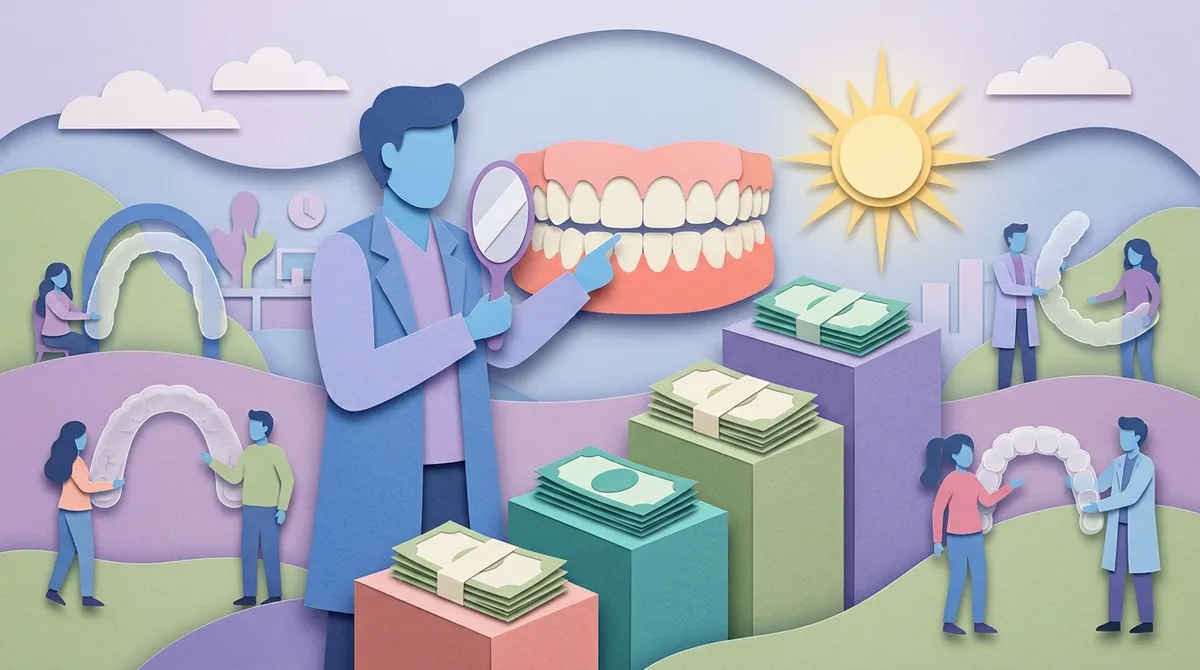
Clear aligner costs in 2026 typically range from $3,000 to $8,000 for comprehensive treatment with a licensed orthodontist. The wide range reflects real differences in case complexity, treatment length, and the technology used. Here’s a quick snapshot to help you orient yourself:
|
Treatment Type |
Estimated Cost Range |
Best For |
|---|---|---|
|
Minor corrections (short-term) |
$1,500 – $3,000 |
Slight crowding or spacing |
|
Moderate alignment issues |
$3,000 – $5,500 |
Moderate crowding, bite issues |
|
Complex full-arch treatment |
$5,500 – $8,000+ |
Severe misalignment, bite correction |
|
Teen clear aligner programs |
$3,500 – $6,500 |
Growing teens with specific aligner features |
|
Adult relapse treatment |
$2,000 – $4,500 |
Adults correcting mild-to-moderate relapse |
These numbers reflect treatment through a licensed orthodontist’s office. At-home mail-order aligner services may advertise lower prices, but they come without in-person monitoring, X-rays, or the professional oversight that protects your oral health. For more context on choosing safe orthodontic care, the American Board of Orthodontics offers guidance on what certified care looks like.
What Factors Affect the Cost of Clear Aligners?
Pricing is rarely one-size-fits-all in orthodontics. Several factors work together to determine your final cost. Understanding these helps you feel confident when you sit down for your consultation.
1. Case Complexity
This is the biggest factor. Simple cases — like minor crowding or small gaps — require fewer aligners and less time. Complex cases involving significant bite issues, crowding, or tooth rotation take more stages, more refinements, and more time. Naturally, more work means a higher investment. You can read more about common orthodontic problems to see where your own situation might fall.
2. Treatment Duration
Shorter treatment timelines mean fewer aligner sets and lower costs. Full comprehensive treatment may span 12 to 24 months. Short-term cosmetic correction might wrap up in as few as 3 to 6 months. The longer the treatment, the more aligners are manufactured — and that affects pricing.
3. Technology Used
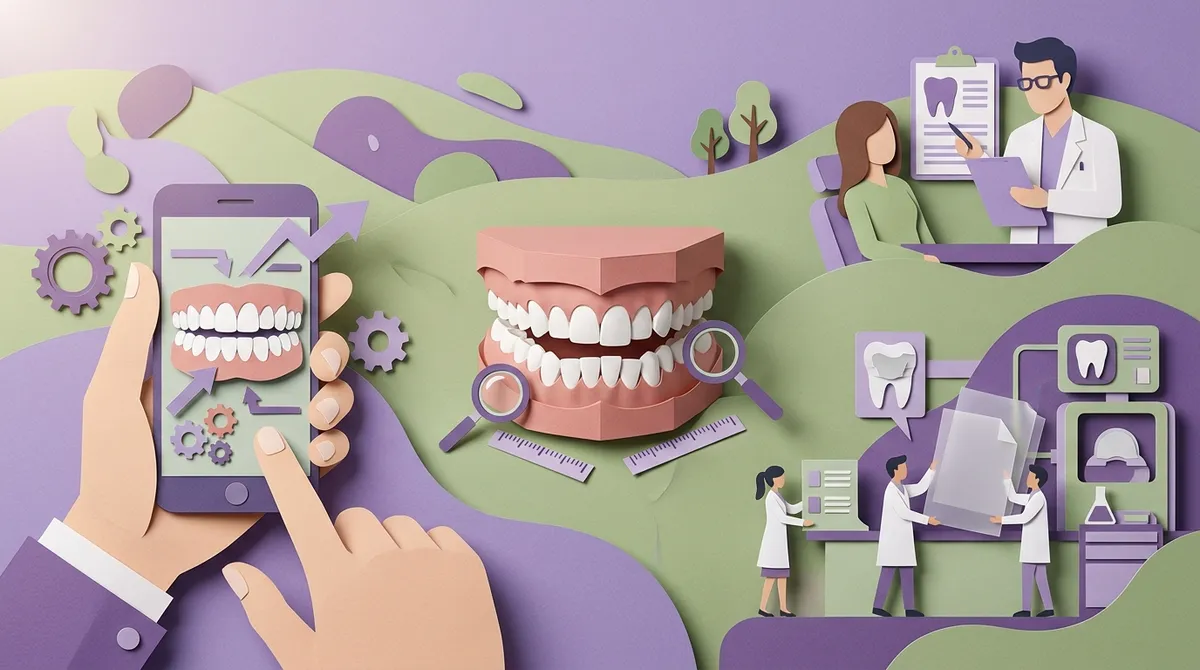
Practices using advanced orthodontic technology, like digital scanning instead of traditional impressions, can often deliver better-fitting aligners and faster treatment planning. Digital impressions can save 12 to 15 days compared to traditional methods and result in aligners that fit up to 35% better. Better technology can reduce the number of refinements needed — which can lower your overall cost.
4. Geographic Location
Where you live matters. Orthodontic costs in urban metro areas tend to be higher than in suburban communities. Practices in areas like Lakewood Ranch, FL, often offer competitive pricing compared to major city centers, while still delivering high-quality, board-certified care.
5. Orthodontist’s Credentials
Seeing a board-certified orthodontist may cost more upfront than visiting a general dentist offering aligners. But the expertise, monitoring, and outcome quality are significantly higher. Think of it as an investment in getting it done right the first time.
Clear Aligners vs. Traditional Braces: Cost Comparison
One of the most common questions we hear is: “Are clear aligners more expensive than braces?” The honest answer is — it depends. Here’s a straightforward comparison:
|
Treatment Option |
Average Cost Range |
Visibility |
Typical Duration |
|---|---|---|---|
|
Traditional Metal Braces |
$3,000 – $6,000 |
Highly visible |
18–30 months |
|
Clear Ceramic Braces |
$3,500 – $7,000 |
Less visible |
18–26 months |
|
Clear Aligners (orthodontist) |
$3,000 – $8,000 |
Nearly invisible |
6–24 months |
As you can see, the cost ranges overlap significantly. For a deeper dive, check out this helpful guide on braces vs. clear aligners to decide which option suits your lifestyle and budget best.
Hidden Fees: What to Watch Out For
Not every orthodontic quote is created equal. Before you commit, make sure you ask about what’s included. Here are some costs that can sometimes catch patients off guard:
-
Retainers after treatment: Once your aligners are done, you’ll need orthodontic retainers to maintain your results. These may or may not be included in your treatment fee.
-
Refinements: If your teeth need additional fine-tuning mid-treatment, some offices charge extra for additional aligner sets.
-
X-rays and records: Initial diagnostic records, including X-rays and digital scans, are sometimes billed separately.
-
Missed appointment fees: Some practices charge for no-shows or last-minute cancellations.
-
Replacement aligners: Losing or damaging a tray may result in a replacement fee.
Always ask your orthodontist for a complete, written breakdown of costs before signing anything. A reputable practice will be completely transparent about what’s included.
Does Insurance Cover Clear Aligners?
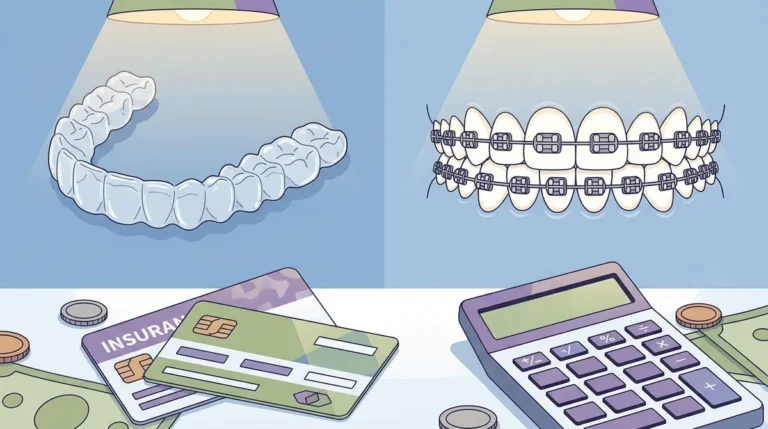
Great news here! Many dental insurance plans that cover orthodontic treatment will apply those benefits to clear aligners just as they would to braces. Typical orthodontic coverage ranges from $1,000 to $2,500 per lifetime benefit, depending on your plan.
Here’s what to check with your insurance provider:
-
Does your plan have an orthodontic benefit?
-
Is there a lifetime maximum for orthodontic coverage?
-
Does the benefit apply to adults, or only to children under a certain age?
-
Is there a waiting period before orthodontic benefits kick in?
-
Does the plan cover clear aligners specifically, or only traditional braces?
At Segovia Orthodontics at Lakewood Ranch, the team is happy to help you verify your insurance benefits before your first visit, so you know exactly what to expect financially before treatment begins. No surprises — just clarity and care.
Flexible Financing Options for Clear Aligners
Even if you don’t have insurance, clear aligners are more accessible than you might think. Most orthodontic offices offer flexible payment options that make treatment fit your budget comfortably. Learn more about how orthodontic financing works to plan ahead.
Common financing options include:
-
In-house payment plans: Many offices offer interest-free monthly payments spread across the length of treatment.
-
Third-party financing: Services like CareCredit or similar healthcare financing programs allow you to spread payments over 12 to 60 months.
-
Health Savings Accounts (HSA) or Flexible Spending Accounts (FSA): Clear aligner treatment is typically an eligible expense — a great way to use pre-tax dollars.
-
Pay-in-full discounts: Some practices offer a discount if you pay the full treatment cost upfront by cash or check.
-
Family discounts: If multiple family members are in treatment at the same time, many offices provide a discount for each additional family member.
For more smart strategies, explore these 9 smart ways to make orthodontic financing work for you — genuinely helpful tips whether you’re on a tight budget or just want to maximize your dollars.
How Orthodontic Technology Can Lower Your Cost
Here’s something many patients don’t realize: the technology a practice uses can actually influence how affordable your treatment becomes. Here’s how:
-
Digital impressions reduce errors. Traditional putty impressions are messy and can be inaccurate. Digital scans are faster, more comfortable, and result in aligners that fit up to 35% better — meaning fewer remakes and refinements.
-
Faster treatment planning speeds up your start date. Digital workflow can save 12 to 15 days compared to traditional lab turnaround times. That means you start your smile journey sooner.
-
Better-fitting aligners reduce the number of stages. When aligners fit precisely from the start, tooth movement is more predictable. Fewer corrections means shorter treatment and lower total cost.
-
In-house tools cut out third-party fees. Practices with advanced in-office technology can eliminate shipping fees, outside lab costs, and associated taxes — passing those savings on to you.
You can learn more about how advanced orthodontic technology at practices like Segovia Orthodontics at Lakewood Ranch is changing the patient experience for the better.
Clear Aligners for Teens and Adults: Is the Cost Different?
The short answer is: sometimes. Teen-specific aligner programs often include special features like compliance indicators (small blue dots that fade when worn enough) and extra replacement aligners in case one gets lost. These features add value but can slightly increase the cost compared to standard adult treatment.
For adults — especially those correcting a relapse after previous orthodontic treatment — costs are often on the lower end because less movement is typically required. If you had braces as a teen and your teeth have shifted, you might be a great candidate for a shorter, more affordable clear aligner program. Explore more about adult orthodontics to see what’s possible.
For teens and parents navigating this decision together, our guide on teen orthodontic treatment lays out everything you need to know in a clear, friendly way.
Your First Step: A Complimentary Consultation
The best way to get an accurate cost estimate is to have a professional evaluate your smile in person. Every mouth is different, and the only way to know what your treatment will truly cost is through a personalized assessment.
Here’s what to expect at your first orthodontic visit:
-
A complete smile evaluation to assess alignment, bite, and overall oral health.
-
Digital scans or X-rays to get a clear picture of your teeth and jaw structure.
-
A personalized treatment plan tailored specifically to your smile goals and timeline.
-
A transparent cost breakdown including all fees, financing options, and insurance benefits.
-
An open Q&A session so you can ask everything on your mind without feeling rushed.
Many orthodontic practices, including Segovia Orthodontics at Lakewood Ranch, offer complimentary consultations — meaning you can explore your options completely free. There’s truly nothing to lose and a confident new smile to gain.
We’d love to connect with you! Follow us on our Facebook page and our Instagram page to see smile transformations, patient stories, and helpful tips from our team.
Why Choosing the Right Orthodontist Matters
Cost is important — but value is everything. A lower price from an unqualified provider can lead to poor results, longer treatment, and extra costs down the road. Working with a board-certified orthodontist means you’re getting professionally guided, carefully monitored care from someone trained specifically in moving teeth safely.
Dr. Flor Segovia is a board-certified orthodontist who brings expertise, warmth, and bilingual care to every patient. Whether you’re exploring clear aligners or comparing types of braces, her team takes the time to understand your goals and build a plan that fits your life — and your budget.
You can visit us on Google — Segovia Orthodontics to read real patient reviews and see why families throughout the Lakewood Ranch area trust us with their smiles.
Ready to Find Out What Clear Aligners Will Cost You?
You don’t have to guess anymore. A personalized consultation will give you the exact numbers, the financing options, and the peace of mind to move forward with confidence. The cost of clear aligners is an investment in your health, your appearance, and your confidence — and it’s more affordable than most people expect.
Ready to take the first step? Request your complimentary consultation with Segovia Orthodontics at Lakewood Ranch today, or feel free to call us at 941-557-1333 to speak with a friendly team member who can answer all your questions. Your best smile is closer — and more affordable — than you think.
FAQs
Q: How much do clear aligners cost on average in 2026?
A: Clear aligners from a licensed orthodontist typically cost between $3,000 and $8,000 depending on your case complexity, treatment length, and the technology your provider uses. The best way to get an accurate number is through a personalized consultation — and many practices, like Segovia Orthodontics, offer this complimentary!
Q: Does dental insurance cover the cost of clear aligners?
A: Yes, many dental insurance plans with orthodontic benefits will apply those benefits to clear aligner treatment, just as they would for traditional braces. Coverage typically ranges from $1,000 to $2,500 as a lifetime benefit, so it’s worth checking your plan details before your first visit.
Q: Are clear aligners more expensive than traditional braces?
A: Not necessarily! The cost ranges for clear aligners and traditional braces overlap significantly, with both typically falling between $3,000 and $8,000 depending on your case. Your orthodontist can compare both options during your consultation so you can choose the best fit for your smile and budget.
Q: Can I use my HSA or FSA to pay for clear aligners?
A: Absolutely! Clear aligner treatment is generally an eligible expense under Health Savings Accounts (HSA) and Flexible Spending Accounts (FSA), allowing you to use pre-tax dollars toward your smile investment. It’s a smart way to reduce your out-of-pocket costs — just check with your plan administrator to confirm eligibility.
Q: What is typically included in the cost of clear aligners?
A: Most comprehensive clear aligner fees include your consultation, digital scans or X-rays, the full set of aligners, and follow-up appointments during treatment. However, retainers after treatment, refinements, and replacement aligners may be billed separately, so always ask for a full written breakdown before starting!