Key Takeaways
-
Traditional metal or ceramic braces typically need adjustments every 4-8 weeks, with 4-6 weeks being most common, though actual wire tightening often happens only every six months.
-
Self-ligating braces allow longer intervals between visits (6-10 weeks) due to reduced friction, making them ideal for busy professionals who want fewer office visits.
-
Clear aligner patients change trays every 1-2 weeks at home but only need orthodontist check-ups every 6-10 weeks, offering more scheduling flexibility than traditional braces.
-
Skipping or delaying adjustment appointments can slow tooth movement and extend overall treatment time, so consistency is essential for staying on schedule.
-
Your personal adjustment frequency depends on treatment stage (early vs. finishing), bite complexity, age, bone density, and how well you follow care instructions like wearing elastics.
-
Fun bracket options like WildSmiles and advanced systems like LightForce Orthodontics can improve patient compliance and support more efficient treatment progress between visits.
Ever wonder why your orthodontist keeps asking you to come back every few weeks? You’re not alone. One of the most common questions we hear at our Lakewood Ranch office is about how often braces adjustment appointments really need to happen. The truth is, there’s no single answer that fits every smile. Your treatment timeline depends on your braces type, your treatment stage, and how your teeth respond to gentle pressure over time.
Whether you’re a busy mom juggling school pickups and soccer practice, or a professional trying to fit orthodontic care into a packed calendar, understanding your adjustment schedule helps you plan ahead. It also helps you feel confident about your treatment progress. Let’s break down exactly what to expect, so you can walk into every appointment feeling prepared and relaxed.
What Does a Braces Adjustment Actually Involve
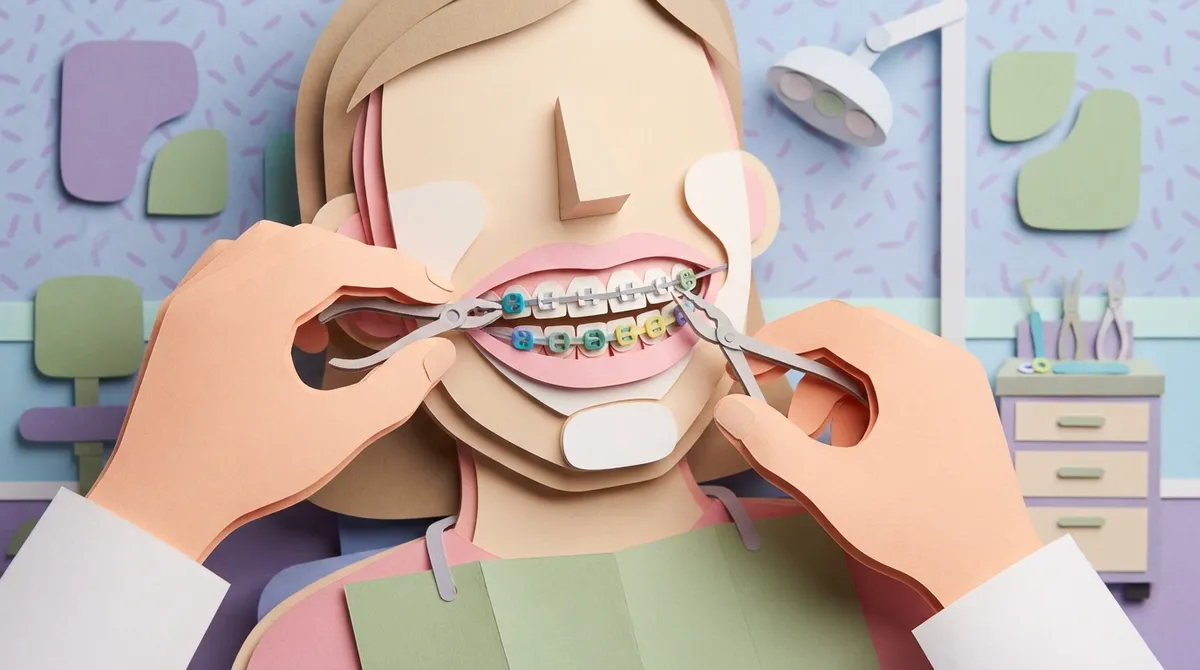
A braces adjustment appointment is when your orthodontist checks your progress and makes small changes to keep your teeth moving in the right direction. This might mean tightening wires, replacing rubber bands, or swapping out your archwire for a slightly different one. Each visit builds on the last, gradually guiding your teeth toward their final position.
These appointments are usually quick, often lasting just 15 to 30 minutes. Many patients are surprised at how simple and painless the process feels once they know what to expect. If you’d like a deeper look at what happens during your visits, check out our guide on what to expect and how to prepare for your orthodontic appointment.
How Often Braces Adjustment Happens for Traditional Braces
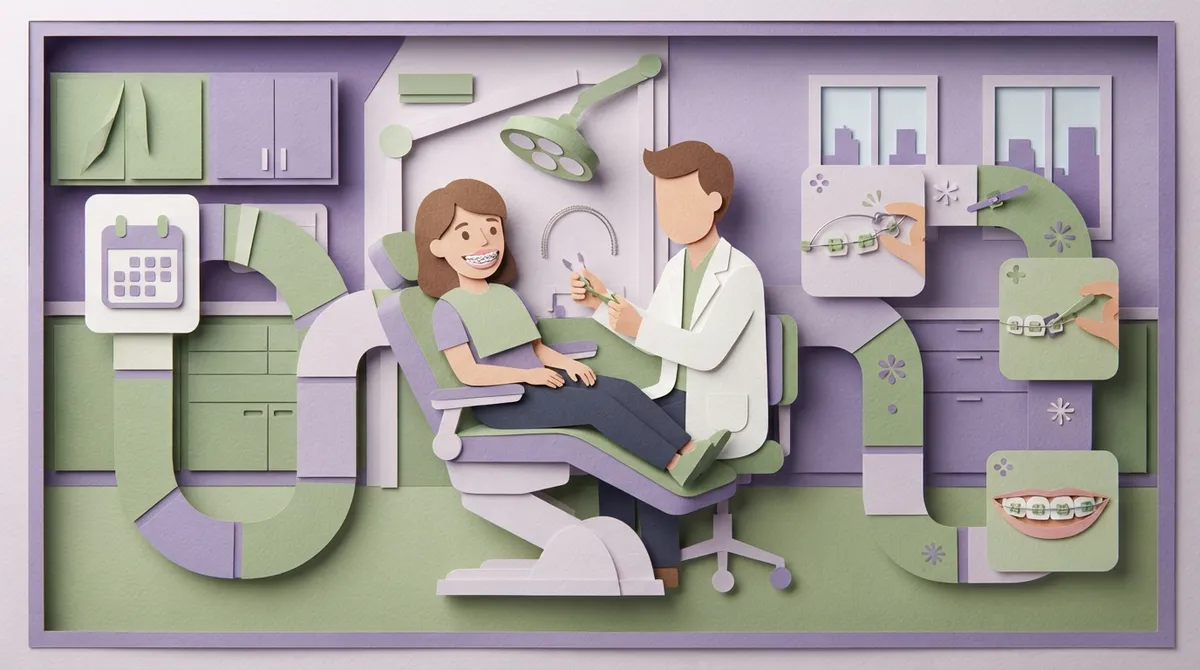
For most patients wearing traditional metal or ceramic braces, adjustments typically happen every 4 to 8 weeks. The most common interval is every 4 to 6 weeks, giving your teeth enough time to respond to gentle pressure before the next change is made.
Here’s a simple breakdown of what influences your adjustment frequency:
- Early treatment stages often need visits every 4 to 6 weeks to establish good tooth movement
- Middle and finishing stages may stretch to 6 to 8 weeks as teeth settle into place
- Severely crooked teeth may need slightly closer monitoring, though rarely every 2 weeks
- Your age and oral health can also play a role in how quickly your teeth respond
- Jaw structure and bite alignment issues may require a more personalized schedule
It’s a common myth that braces need tightening every single month without fail. In reality, actual wire tightening often happens less frequently, sometimes only once every six months, even though you’re seeing your orthodontist more regularly for check-ins.
Why Self-Ligating Braces Often Need Fewer Visits
If you have self-ligating braces, like those using sliding door technology instead of elastic ties, you might enjoy longer stretches between appointments. These systems typically allow adjustments every 6 to 10 weeks because the wire can move more freely within the bracket.
This means less friction and often a more comfortable experience overall. Fewer office visits can be a huge win for busy parents and working professionals who want efficient, effective treatment without constant scheduling headaches.
Adjustment Schedules for Clear Aligners
Clear aligner treatment works quite differently from traditional braces. Instead of wires and brackets, you switch to a new set of aligners every 1 to 2 weeks right at home. This gives you more control over your treatment pace.
Orthodontist check-ups for clear aligner patients are usually spaced out further, happening every 6 to 10 weeks. During these visits, your orthodontist checks your progress, makes sure your aligners fit properly, and gives you the next batch of trays.
This schedule is especially appealing for young professionals and life event planners who want discreet treatment without frequent office visits. If you’re curious about the specifics, our article on clear aligners covers everything you need to know.
Angel Aligners and Their Unique Wear Schedule
At our practice, we also offer Angel Aligners, which use an innovative “7+3” wear schedule. Patients wear a flexible tray for 7 days, followed by a firmer tray for 3 days. This approach can help speed up tooth movement while reducing how often you need extra office visits.
Angel Aligners also use AI-driven treatment planning, which many patients find more budget-friendly compared to premium clear aligner brands. The frosted finish helps minimize shine, so your treatment stays as discreet as possible.
Comparing Adjustment Frequency by Braces Type
To make things easier, here’s a quick comparison table showing typical adjustment intervals across different orthodontic options.
| Treatment Type | Typical Adjustment Interval | Best For |
|---|---|---|
| Traditional Metal or Ceramic Braces | 4 to 8 weeks | Complex alignment needs, all ages |
| Self-Ligating Braces | 6 to 10 weeks | Busy schedules, fewer visits |
| Clear Aligners (Invisalign-style) | 6 to 10 weeks check-ups, 1-2 week tray changes | Discreet treatment, professionals |
| Angel Aligners | 7+3 day wear cycle, fewer office visits | Budget-conscious, faster results |
Every treatment plan is personalized, so your exact schedule may look a little different. Dr. Flor Segovia takes the time to evaluate your specific needs before recommending an adjustment timeline that works best for you.
Steps Involved in a Typical Adjustment Visit
Not sure what actually happens during an adjustment appointment? Here’s a simple step-by-step overview of what most patients experience.
- Your orthodontist examines your teeth and checks how they’ve shifted since your last visit
- Any necessary wires, bands, or aligner trays are replaced or adjusted
- Your orthodontist tightens or loosens components to maintain steady, gentle pressure
- You’ll receive instructions on any at-home care needed before your next visit
- Your next appointment is scheduled based on your treatment stage and progress
This process repeats throughout your treatment, gradually guiding your smile toward its final, beautiful result. Learn more about how our team uses advanced orthodontic technology to make every adjustment as precise and comfortable as possible.
Factors That Affect Your Personal Adjustment Schedule
No two smiles are exactly alike, so your adjustment frequency depends on several personal factors. Understanding these can help you feel more confident about your treatment timeline.
- The complexity of your bite and alignment issues
- Whether you’re in early, middle, or finishing treatment stages
- Your age and how quickly your bone and tissue respond to movement
- The type of braces or aligners you’re using
- How consistently you wear rubber bands or aligner trays as instructed
- Any orthodontic emergencies, like a loose bracket or broken wire
If you ever experience an unexpected issue between visits, don’t hesitate to reach out. Our page on orthodontic emergency care can help you understand when you need to come in sooner.
Can You Skip or Delay an Adjustment Appointment
It might be tempting to push back an appointment when life gets busy, but skipping adjustments can slow down your treatment progress. Missed visits mean your teeth may not move as planned, which can extend your overall treatment time.
If you truly can’t make a scheduled visit, it’s best to call ahead and reschedule as soon as possible rather than skipping it entirely. Staying consistent helps you reach your treatment goals faster and avoid unnecessary delays.
According to the American Board of Orthodontics, consistent monitoring by a qualified specialist is essential for achieving safe, predictable results throughout treatment.
Making Adjustment Visits Easier for Kids and Teens
For parents managing appointments around school and activities, flexible scheduling makes a big difference. At Segovia Orthodontics, we understand that families need options that fit real life.
We also love helping kids feel excited about their treatment. Our WildSmiles Braces option lets children choose fun bracket shapes, like stars, hearts, or even Mickey Mouse designs, turning adjustment visits into something to look forward to rather than dread.
Why Fun Braces Can Improve Treatment Success
When kids enjoy their braces, they’re more likely to brush properly, avoid problem foods, and stay committed to wearing elastics as directed. This can actually support more consistent progress between adjustment visits, helping treatment stay on track.
Adult Orthodontics and Adjustment Frequency
Adults often ask if their adjustment schedule differs from younger patients. In general, adult teeth can sometimes move a bit slower due to denser bone structure, but the adjustment intervals remain similar overall.
Many adults choose our LightForce Orthodontics system for a more discreet, precisely customized experience. This fully digital approach uses 3D-printed brackets designed specifically for your teeth, which can support more efficient treatment planning and potentially faster results.
If you previously had braces and are noticing shifting again, you’re not alone. Many adults return for treatment to correct relapse. Our resource on adult orthodontics explains how modern options make this process simple and comfortable.
Tips to Support Smooth Adjustment Visits
You can play an active role in helping your treatment progress stay on schedule. Here are some simple tips that make a real difference.
- Wear your rubber bands or aligner trays exactly as instructed
- Keep your braces and teeth clean between visits to avoid extra dental work
- Call ahead if you notice a loose wire or broken bracket
- Show up to every scheduled appointment, even if you feel like nothing’s changed
- Ask questions during your visit so you understand your progress clearly
Staying proactive helps your orthodontist catch small issues early, keeping your treatment timeline on track and your smile moving in the right direction.
Why Choosing the Right Orthodontist Matters
Your adjustment schedule is only as good as the expertise behind it. Dr. Flor Segovia is a board-certified orthodontist who personalizes every treatment plan based on your unique smile and lifestyle. To learn more about her background and approach, visit our page on Orthodontist Flor Segovia.
We also encourage you to see what our community has to say. You can visit us on Google — Segovia Orthodontics to read real reviews from patients throughout Lakewood Ranch. You can also follow along with patient smile transformations on our Facebook page or our Instagram page for daily inspiration.
Ready to Start Your Personalized Treatment Plan
Understanding how often braces adjustment appointments happen helps take the mystery out of orthodontic treatment. Whether you’re considering traditional braces, self-ligating options, clear aligners, or Angel Aligners, our Lakewood Ranch team is here to build a schedule that fits your life and your smile goals.
Ready to get started or have questions about your current treatment plan? Feel free to contact us today, or simply request an appointment online. You can also call us at 941-557-1333 to speak with our friendly team and get your questions answered right away. We can’t wait to help you achieve the confident, healthy smile you deserve.
FAQs
Q: How often do you need to get your braces tightened?
A: Most patients with traditional braces come in every 4 to 6 weeks, though some go up to 8 weeks depending on their treatment stage. Your orthodontist will build a schedule that fits your unique smile, so don’t worry if your timeline looks a little different from a friend’s!
Q: Do self-ligating braces require fewer adjustments than traditional braces?
A: Yes, self-ligating braces often allow for longer stretches between visits, typically every 6 to 10 weeks. This is because the wire can slide more freely within the bracket, which can also mean a more comfortable experience overall.
Q: How often do Invisalign or clear aligner patients need to see their orthodontist?
A: Clear aligner patients usually switch to a new tray every 1 to 2 weeks at home, but they only need to see their orthodontist every 6 to 10 weeks for a check-up. It’s a wonderfully flexible option for busy schedules!
Q: Is it safe to skip a braces adjustment appointment?
A: We really don’t recommend it! Skipping appointments can slow down your progress and may extend your overall treatment time. If you need to reschedule, just give us a call and we’ll find a time that works for you.
Q: Why do some people need braces adjustments every 4 weeks while others go 8 weeks?
A: It all comes down to your treatment stage, the complexity of your bite, and how your teeth respond to gentle pressure. Everyone’s smile journey is unique, which is why we personalize every treatment plan here at Segovia Orthodontics.
Our Service Area