Key Takeaways
-
Comprehensive orthodontic treatment costs between $3,000-$8,000 before insurance in 2026, with metal braces being the most affordable option and lingual braces the most expensive, exceeding $13,000 for complex cases.
-
Most dental insurance covers approximately 50% of orthodontic treatment up to a lifetime maximum of $1,500-$3,000, so verify your exact benefits and waiting periods with your insurer before starting treatment.
-
Monthly payment plans ($100-$300), HSA/FSA funds, and third-party financing are practical ways to manage out-of-pocket costs after insurance coverage is applied.
-
Clear aligners cost the same as traditional braces ($3,000-$8,000) and are ideal for adults wanting discretion, while advanced options like LightForce custom braces can reduce treatment time by up to 45%.
-
Your final orthodontics cost depends on appliance type, bite complexity, treatment length, geographic location, and whether retainers are included—always request an itemized written estimate before committing.
-
Get a personalized quote through an in-person consultation with diagnostic X-rays and a treatment plan, since online estimates cannot account for your unique bite, jaw structure, and specific case complexity.
Wondering how much you’ll actually pay for a straighter smile? You’re not alone. Orthodontics cost is one of the top questions we hear at our Lakewood Ranch office, and for good reason. Whether you’re a mom exploring options for your teen, a young professional eyeing clear aligners before a big promotion, or an adult ready to fix relapse from years ago, understanding the numbers helps you plan with confidence.
The good news? Orthodontic treatment is more flexible and accessible than ever. With so many appliance choices, payment plans, and insurance options, there’s likely a path that fits your budget and your smile goals. Let’s break down exactly what drives orthodontics cost in 2026, so you can walk into your consultation feeling prepared, not stressed.

What Does Orthodontics Cost in 2026?
Across the United States, comprehensive orthodontic treatment typically runs between $3,000 and $8,000 before insurance. Simple cases may cost less, while complex bite corrections can run higher. These numbers are general estimates, not guarantees, since every smile is different.
Several factors shape your final price tag. Understanding them helps you see why one neighbor paid $3,500 for braces while another spent $7,000. Here’s what influences your quote:
- Type of appliance (metal, ceramic, clear aligners, or lingual braces)
- How complex your bite or crowding issue is
- Estimated length of treatment
- Your geographic location and local market rates
- The orthodontist’s experience and technology used
- Whether retainers or extra dental work are included
At Segovia Orthodontics, we believe in transparency from day one. Our team walks you through every line item so there are no surprises later. You can learn more about our approach on our Why Choose Us page.
Comparing Orthodontics Cost by Treatment Type
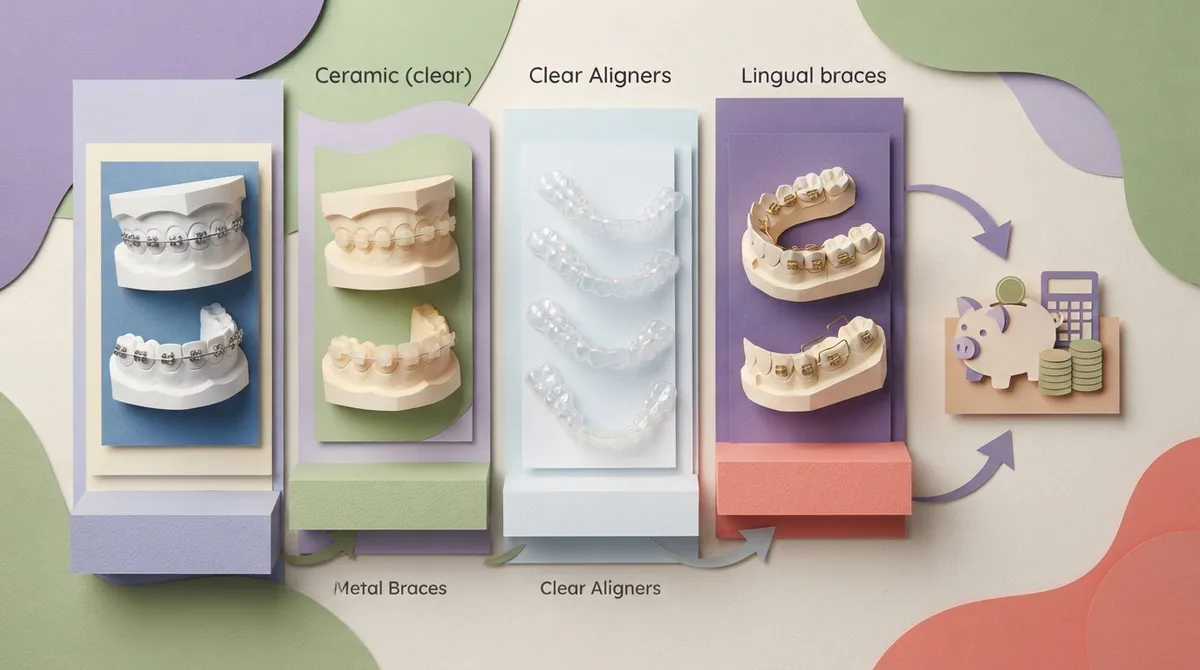
Not all braces are priced the same. Here’s a simple breakdown to help you compare your options at a glance.
| Treatment Type | Typical Cost Range | Best For |
|---|---|---|
| Traditional Metal Braces | $3,000–$7,000 | Kids, teens, and budget-conscious patients |
| Ceramic Braces | $4,000–$8,000 | Teens and adults wanting a subtler look |
| Clear Aligners (like Invisalign) | $3,000–$8,000 | Adults and young professionals wanting discretion |
| Limited Aligner Treatment | $1,800–$4,500 | Minor crowding, spacing, or relapse cases |
| Lingual Braces | $5,000–$13,000+ | Patients wanting completely hidden braces |
Metal braces remain one of the most budget-friendly comprehensive options. If your child is drawn to a more playful experience, our Wildsmiles Braces let them choose fun bracket shapes like stars, hearts, or even Mickey Mouse designs, making treatment something to look forward to rather than dread.
How Treatment Type Affects Your Investment
Let’s dig a little deeper into why some treatments cost more than others. Think of it like choosing a car. A basic model gets you where you need to go, but added features come with added cost.
Traditional Metal Braces
Metal braces are the tried-and-true workhorse of orthodontics. They’re durable, effective for even complex cases, and usually the most affordable comprehensive option. Many families we see at our Lakewood Ranch practice choose metal braces for kids and teens because they hold up well through years of active play. Our guide to metal braces covers why this classic option still shines in 2026.
LightForce Custom Braces
For patients who want precision and speed without sacrificing results, LightForce Orthodontics offers a fully digital, 3D-printed bracket system. Because each bracket is custom-designed for your exact tooth shape, treatment can move up to 45% faster than traditional methods. This means fewer office visits and a quicker path to your finished smile. Learn more about this cutting-edge option through our Lightforce Orthodontics page.
Clear Aligners
Clear aligners have become the go-to choice for career-focused adults and young professionals who want a discreet option. Prices generally land between $3,000 and $8,000, depending on how much movement your teeth need. We also offer Angel Aligners, which use an AI-driven “7+3” wear schedule (seven days with a flexible tray, three days with a firmer one) to speed up tooth movement while often costing less than premium aligner brands. Explore our Clear Aligners options to see what fits your lifestyle.
Lingual Braces
Lingual braces attach to the back of your teeth, making them invisible from the front. Because of their custom fabrication and specialized placement, they tend to be the priciest option, sometimes exceeding $13,000 for complex cases.
What’s Actually Included in Your Orthodontics Cost?
A single quote can hide a lot of moving parts. Before you commit, make sure you know exactly what your fee covers. Here’s a simple checklist to review with your orthodontist:
- Initial exam and diagnostic X-rays or photos
- Custom treatment planning
- Appliance placement (braces or aligner delivery)
- Regular adjustment or monitoring visits
- Appliance removal at the end of treatment
- Retainers to protect your results long term
Some practices bundle everything into one fee, while others charge separately for retainers or emergency visits. Always ask for a written estimate before you start. If you ever run into a broken wire or loose bracket along the way, our Orthodontic Emergency page explains what’s typically covered and what to expect.
Does Insurance Help Cover Orthodontics Cost?
Many dental insurance plans offer some orthodontic coverage, but the details vary widely. Most plans cover around 50% of eligible treatment, up to a lifetime maximum between $1,500 and $3,000. That maximum applies once per lifetime, not per year, so it’s important to use it wisely.
Before you assume you’re covered, check these details with your insurer:
- Is there an age limit for orthodontic benefits?
- Is there a waiting period before treatment is covered?
- Does your plan exclude certain treatments, like clear aligners?
- What is your exact lifetime orthodontic maximum?
Our team is happy to help you understand your benefits and file necessary paperwork. Visit our Orthodontic Financing page for more details on how insurance and payment plans work together.
Smart Ways to Manage Out-of-Pocket Costs
Even with insurance, you may have a balance to pay. The good news is there are several proven ways to make orthodontics cost more manageable:
- Monthly payment plans: Many practices, including ours, offer in-house financing with manageable monthly payments, often between $100 and $300 depending on your total fee and down payment.
- HSA or FSA funds: If you have a health savings or flexible spending account, orthodontic treatment usually qualifies as an eligible expense.
- Dental discount plans: These membership-based plans can reduce your overall fees, especially if you don’t have traditional insurance.
- Third-party financing: Outside lenders can spread payments over a longer term, though be mindful of interest rates.
We know that budgeting for a smile transformation is a big decision. That’s why our team walks every family through personalized financing options during your first visit. For a deeper dive, check out our article on smart ways to make orthodontic financing work for you.
Why Your Individual Quote May Differ from Online Estimates
Online price ranges are helpful starting points, but they can’t replace a real consultation. Your bite, jaw structure, gum health, and growth stage all play a role in your final orthodontics cost. Two people with “crooked teeth” might need very different treatment plans and timelines.
This is especially true for adults returning for relapse correction. If you had braces years ago and your teeth have shifted, your case may be simpler (and more affordable) than starting from scratch. Our Adult Orthodontics page covers what to expect if you’re revisiting treatment as a busy, financially independent adult.
Planning Ahead for Life Events
Many patients come to us with a deadline in mind, like a wedding, graduation, or new job. If you’re racing the clock, ask about accelerated treatment options during your consultation. Our board-certified orthodontist, Dr. Flor Segovia, uses advanced orthodontic technology to help streamline treatment without cutting corners on quality. You can read more about her credentials on our Orthodontist Flor Segovia page.
According to the American Board of Orthodontics, choosing a board-certified provider ensures your treatment meets rigorous clinical standards, which matters just as much as price when planning your smile journey.
Steps to Get an Accurate Orthodontics Cost Estimate
Ready to find out your real numbers? Follow these simple steps to get a personalized quote:
- Schedule a consultation with a licensed orthodontist near you.
- Bring your dental insurance card and ask about your benefits.
- Get diagnostic photos or X-rays to assess your specific needs.
- Ask for a written treatment plan with all fees itemized.
- Compare payment plan options before signing anything.
- Ask about retainers and what happens after treatment ends.
Our friendly team at Lakewood Ranch is ready to walk you through each step. Feel free to contact us with any questions about pricing or scheduling.
What Families and Patients Are Saying
Curious what real patients think about their experience and value? You can visit us on Google — Segovia Orthodontics to read reviews from Lakewood Ranch families who’ve gone through treatment with us. We also share smile transformations and helpful tips on our Facebook page and our Instagram page, where you can see before-and-after photos and get a feel for our warm, family-friendly environment.
Ready to Get Your Personalized Orthodontics Cost Estimate?
Understanding orthodontics cost doesn’t have to feel overwhelming. With the right information and a trusted team by your side, you can make a confident decision for yourself or your family. At Segovia Orthodontics, we combine advanced technology, flexible financing, and a genuinely caring approach to help every patient, from kids to career-focused adults, achieve a smile they love.
Take the first step today. Request an appointment to get your personalized quote, or call us at 941-557-1333 to speak with our friendly Lakewood Ranch team. We can’t wait to help you smile brighter in 2026 and beyond.
FAQs
Q: How much do braces cost without insurance?
A: Without insurance, traditional metal braces usually run between $3,000 and $7,000 for a full course of treatment. The exact price depends on your bite complexity, treatment length, and where you live. We’re always happy to give you a personalized quote after a friendly consultation.
Q: How much does Invisalign cost compared with traditional braces?
A: Clear aligners like Invisalign typically cost about the same as traditional braces, ranging from $3,000 to $8,000. The final price depends on how much movement your teeth need. Many of our patients love aligners because they’re nearly invisible while working just as effectively as metal braces.
Q: Does dental insurance cover orthodontic treatment?
A: Many dental plans do cover part of orthodontic treatment, often around 50% up to a lifetime maximum of $1,500 to $3,000. Coverage varies quite a bit, so it’s worth calling your insurer directly to confirm your specific benefits. Our team can also help you navigate the paperwork.
Q: What is the average cost of braces for children, teens, and adults?
A: Comprehensive treatment generally falls between $3,000 and $8,000 for patients of any age, though complexity matters more than age alone. Kids and teens often qualify for early treatment options that can simplify (and sometimes shorten) their overall plan. Adults may pay more if their case involves significant bite correction.
Q: Can I pay for braces with monthly financing, an HSA, or an FSA?
A: Absolutely! Most orthodontic practices, including ours, offer monthly payment plans that fit comfortably into your budget. Health savings and flexible spending accounts are also great tools since orthodontic treatment typically qualifies as an eligible expense. We’re happy to walk you through all your options during your first visit.
Our Service Area