Key Takeaways
-
The American Association of Orthodontists recommends children get their first orthodontic checkup by age 7 to catch early signs of crowding, bite problems, or jaw growth issues before they become more serious.
-
Most comprehensive orthodontic treatment takes 18-24 months on average, but timeline varies based on age, tooth crowding severity, appliance type chosen, and consistency in following instructions.
-
When comparing orthodontist offices, verify board certification through the American Board of Orthodontics, check treatment options offered, confirm emergency access availability, and review insurance participation to reduce costs.
-
Advanced technologies like LightForce 3D-printed braces can speed up treatment by up to 45% compared to standard braces, while clear aligners like Angel Aligners offer budget-friendly, nearly invisible options for adults.
-
Proper oral hygiene during treatment is essential: brush carefully around brackets after meals, floss daily, avoid sticky or hard foods, attend all adjustment visits, and wear retainers as instructed to prevent teeth from shifting back.
-
If a wire pokes your cheek, gently push it down with a pencil eraser or cotton swab and cover sharp edges with orthodontic wax, then contact your orthodontist's emergency line for a repair appointment.
Picking the right orthodontists office feels like a big decision, and honestly, it is one worth getting right. Whether you’re a mom booking a checkup for your seven-year-old, a young professional dreaming of a discreet smile fix, or an adult ready to correct a smile that shifted after your teenage braces came off, the office you choose matters. It shapes your comfort, your budget, and your results for months or even years.
The good news? You don’t need to be an expert to make a smart choice. In fact, more people than ever are walking through orthodontic office doors these days. Recent data from the American Association of Orthodontists shows an estimated 6.66 million patients were in active treatment across member practices in the U.S. and Canada, and adult patients now make up a bigger slice of that number than ever before. So if you’re feeling nervous or unsure, know that you’re joining a huge community of people investing in their smiles.
This guide walks you through exactly what to look for, what happens during visits, and how to feel confident about your decision. Let’s get started.
What Does an Orthodontists Office Actually Do?
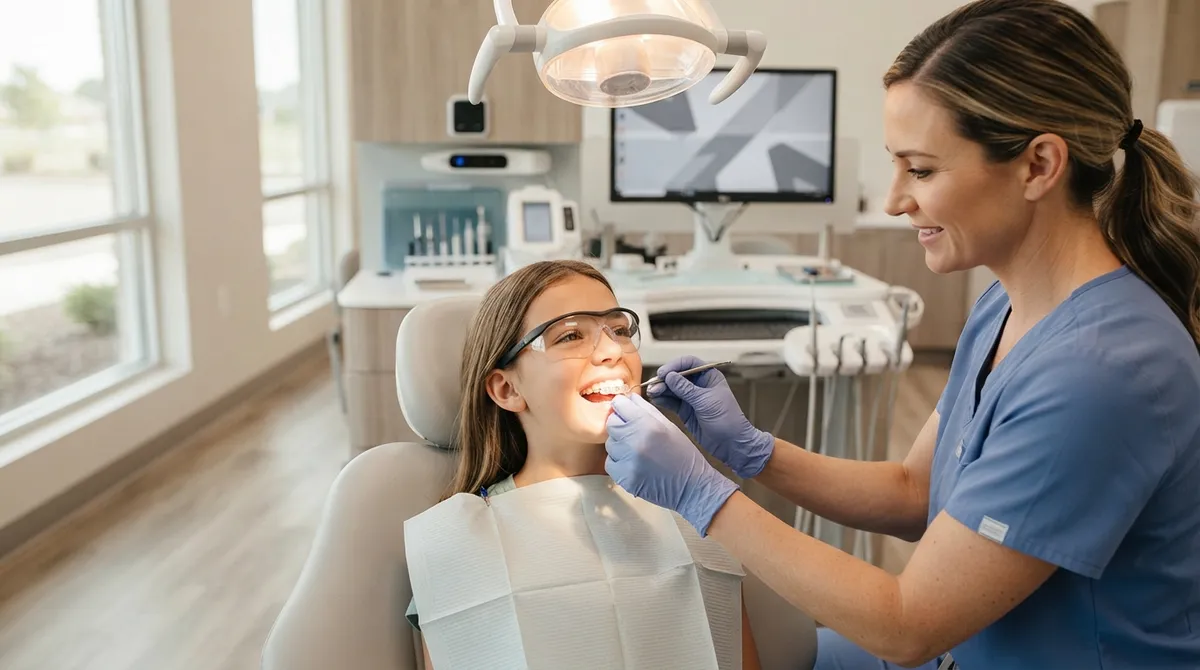
An orthodontists office is a specialized dental practice. It focuses on fixing crooked teeth, bad bites, and jaw alignment problems. Unlike a general dentist, an orthodontist has extra years of specialty training after dental school. This training is all about tooth movement, jaw growth, and bite mechanics.
At a well-run office, like Segovia Orthodontics at Lakewood Ranch, you’ll find services designed for every age group. That includes early treatment for kids, active care for teens, and flexible options for busy adults. Dr. Flor Segovia, a board certified orthodontist, leads with a warm, family-first approach that keeps patients comfortable from their very first visit.
Common Services You’ll Find
- Orthodontic exams with digital photos, X-rays, or 3D scans
- Custom treatment planning based on your bite and jaw growth
- Traditional metal braces and ceramic braces
- Clear aligners for a more discreet look
- Custom retainers to protect your results
- Early or interceptive treatment for growing kids
- Emergency repairs for broken brackets or poking wires

What Happens During Your First Visit?
Your first orthodontic visit sets the tone for everything else. Most offices follow a similar pattern, though the details can vary slightly. Here’s what you can typically expect at a first orthodontic visit:
- A review of your medical and dental history
- An exam of your teeth, gums, and bite
- An assessment of jaw growth and facial balance
- Digital photos or X-rays, if needed for diagnosis
- A conversation about your treatment options
- An estimate of how long treatment will take
- A breakdown of costs, insurance, and financing options
This visit is also your chance to ask questions. Don’t be shy. A good office wants you to feel informed, not rushed. If you’re a parent, this is a great time to ask about WildSmiles Braces, which use fun bracket shapes like stars, hearts, and even Mickey Mouse designs to make treatment exciting for kids.
When Should Kids First Visit?
The American Association of Orthodontists recommends children get their first orthodontic checkup by age 7. This doesn’t mean your child will start treatment right away. It simply means an orthodontist can spot early signs of crowding, bite problems, or jaw growth issues before they become bigger concerns. Catching these things early often makes future treatment shorter and easier.
How to Compare Orthodontists Offices Near You
Not every orthodontists office is the same. Some focus heavily on kids, others cater more to busy professionals wanting fast, subtle results. Here’s a simple checklist to help you compare your options:
| What to Check | Why It Matters |
|---|---|
| Specialist credentials | Confirms the doctor has proper orthodontic training |
| Treatment options offered | Ensures you have choices like braces, aligners, or both |
| Emergency access | Matters if a wire pokes or a bracket breaks unexpectedly |
| Appointment flexibility | Important for parents and working professionals alike |
| Total fees and payment plans | Helps you budget without surprise costs |
| Insurance participation | Can significantly lower your out-of-pocket cost |
| Patient reviews | Gives insight, but should be one factor among many |
You can also check American Board of Orthodontics to verify a doctor’s board certification. This step gives you extra peace of mind that you’re working with a qualified specialist.
Treatment Options You Might Be Offered
Modern orthodontists offices offer more choices than ever. Here’s a quick rundown of popular options you may come across during your consultation.
Traditional and Advanced Braces
Metal braces remain a reliable, affordable option for many patients. But technology has changed the game. LightForce Orthodontics is a fully digital, 3D-printed bracket system that’s custom-designed for each tooth. This precision can speed up treatment by up to 45% compared to standard braces, while also improving comfort and reducing irritation to your gums.
Clear Aligners
For patients who want a nearly invisible option, clear aligners are a popular pick. Angel Aligners, for example, use a unique wear schedule that pairs a flexible tray for seven days with a firmer tray for three days. This approach can speed up tooth movement and cut down on office visits, all while staying budget-friendly compared to some premium aligner brands.
Retainers
Once your active treatment ends, retainers keep your teeth from drifting back. This step is not optional; it’s essential. Many adults skip retainer wear early on and end up needing treatment again later.
How Long Does Orthodontic Treatment Really Take?
This is one of the most common questions patients ask. The honest answer is that it depends. A systematic review of 22 studies found an average fixed-appliance treatment time of about 19.9 months. Most comprehensive treatment plans fall somewhere between 18 and 24 months, though some cases wrap up faster and others take longer.
Your timeline depends on a few key factors:
- Your age and how your jaw is still growing
- How crowded or misaligned your teeth are
- Which appliance type you choose
- How consistently you wear aligners or follow instructions
If you’re prepping for a big event like a wedding or graduation, ask your orthodontist about faster options during your consultation. Many offices, including ours, can help you plan a timeline that fits your milestone.
Keeping Your Mouth Healthy During Treatment
Braces and aligners work best when you take care of your teeth along the way. Here are some simple habits that make a big difference:
- Brush carefully around brackets and attachments after every meal
- Clean between your teeth daily with floss or a water flosser
- Avoid sticky, hard, or crunchy foods that can damage appliances
- Attend every adjustment visit, even if things feel fine
- Wear your retainer exactly as instructed once treatment ends
- Keep seeing your regular dentist for routine cleanings and checkups
One neat feature of WildSmiles brackets is that their shape actually helps you brush better. If you can clearly see the bracket shape while brushing, that’s a good sign you’re doing a thorough job. It’s a simple, visual way for kids and parents to track brushing habits together.
Safety Standards You Should Expect
A trustworthy orthodontists office follows strict infection-prevention practices. These standards align with guidelines from health authorities like the Centers for Disease Control and Prevention. Don’t hesitate to ask your office how they sterilize instruments, disinfect treatment areas, and manage protective equipment. A confident, clear answer is a great sign you’re in good hands.
Handling Orthodontic Emergencies
Broken brackets and poking wires happen, even with the best care. Knowing what to do can save you a lot of stress. If a wire is poking your cheek, try gently pushing it down with a pencil eraser or cotton swab. Cover sharp edges with orthodontic wax until you can get in for a repair. For anything more serious, reach out to your orthodontic emergency line right away.
Cost and Payment Considerations
Cost is often the biggest worry for families and adults alike. The good news is that most offices, including ours, offer flexible orthodontic financing plans. Many practices also accept dental insurance, which can meaningfully reduce your total cost. Ask your office directly about payment plans, insurance participation, and any available discounts for paying in full upfront.
Why Families Choose Segovia Orthodontics
At Segovia Orthodontics at Lakewood Ranch, Dr. Flor Segovia combines advanced technology with a warm, bilingual approach that puts families first. From playful WildSmiles brackets for kids to precise LightForce braces and budget-friendly Angel Aligners for adults, there’s a treatment path for nearly every smile and lifestyle. You can learn more about our approach on our Why Choose Us page, or explore our advanced orthodontic technology to see how digital planning improves your treatment experience.
Curious what real patients think? You can visit us on Google — Segovia Orthodontics to read reviews, or follow along with smile transformations on our Facebook page and our Instagram page.
Making Your Final Decision
Choosing an orthodontists office is about more than convenience. It’s about trust, comfort, and finding a team that understands your goals, whether that’s a confident smile for your wedding day, a discreet option that fits your career, or simply catching your child’s bite issues early. Take your time, ask questions, and pick a practice that makes you feel heard.
Ready to take the next step toward your best smile? You can request an appointment today, or contact us with any questions you have. Prefer to talk it through first? Feel free to call us at 941-557-1333 and our friendly team will help you get started.
FAQs
Q: What does an orthodontist do at an orthodontists office?
A: An orthodontist examines your teeth, jaw, and bite to create a custom plan for straightening your smile. They use tools like braces or clear aligners, and they monitor your progress at regular visits until you reach your best results.
Q: At what age should a child visit an orthodontist?
A: The American Association of Orthodontists suggests kids get their first checkup by age 7. It doesn’t always mean treatment starts right away, but it helps catch any bite or jaw growth concerns early, which can make things easier down the road.
Q: How long does treatment take at an orthodontist’s office?
A: Most comprehensive treatments take about 18 to 24 months, though this varies by case. Research shows an average of nearly 20 months for fixed appliances, but your timeline depends on your specific needs and how well you follow instructions.
Q: Do orthodontists’ offices accept dental insurance or offer payment plans?
A: Many offices do accept dental insurance and also offer flexible payment plans to make treatment more affordable. It’s a good idea to ask about your specific coverage and financing options during your first visit.
Q: What should I do if a bracket breaks or a wire is poking me?
A: Try covering the sharp wire with orthodontic wax and gently pushing it away from sensitive areas with a cotton swab. Then call your orthodontist’s office right away to schedule a quick repair appointment so things stay on track.
Our Service Area