Key Takeaways
-
Ceramic braces cost around $5,834 on average, slightly less than metal braces at $6,343, but require extra care since elastic ties can stain from coffee, wine, and tobacco despite the brackets themselves resisting stains.
-
White ceramic braces blend naturally with teeth and work identically to metal braces for treating crowding, spacing, overbites, underbites, and crossbites, making them ideal for professionals and image-conscious patients during treatment.
-
Ceramic brackets are more brittle than metal and can chip, requiring you to avoid hard, sticky, or chewy foods throughout the 12-30 month treatment period and maintain careful brushing around brackets.
-
Insurance typically covers about 50% of orthodontic treatment up to a $1,500-$3,000 lifetime maximum, so discuss financing options with your orthodontist if cost is a concern.
-
Advanced options like LightForce Orthodontics offer custom 3D-printed ceramic brackets that can reduce treatment time by up to 45% compared to traditional ceramic braces through personalized bracket design.
-
Clear aligners are removable and better for mild cases, while ceramic braces provide continuous 24/7 control needed for complex bite corrections, so your specific orthodontic needs determine which option suits you best.
Thinking about braces but worried about a mouth full of metal? You’re not alone. So many of our patients at Segovia Orthodontics come in asking the same question: is there a way to straighten my teeth without everyone noticing? Good news, friend. White braces might be exactly what you’re looking for, and we’re here to walk you through everything you need to know before you decide.
Whether you’re a busy parent juggling carpool and soccer practice, a professional heading into big meetings, or someone getting ready for a wedding or graduation, a more discreet option can feel like a relief. Let’s break down what white braces really are, how they work, what they cost, and how to know if they’re the right fit for your smile goals.
What Are White Braces, Exactly?
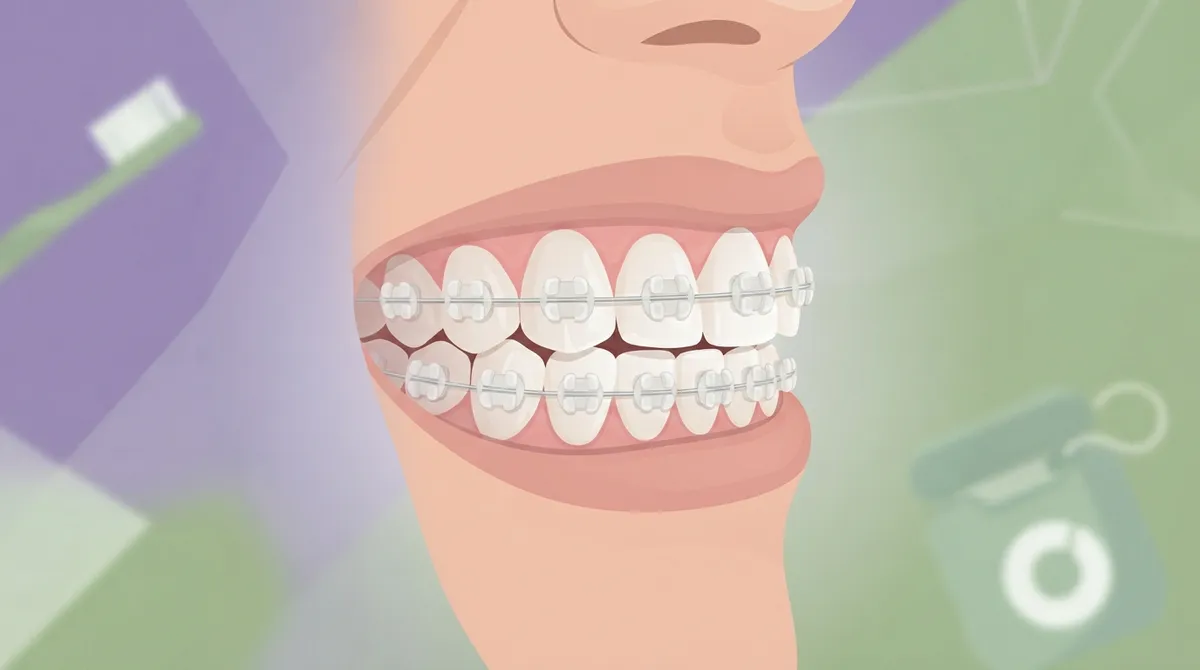
The term “white braces” usually means ceramic braces. These are tooth-colored or clear brackets designed to blend in with your natural teeth. Some people also use the term loosely to describe white-coated metal brackets or white archwires, so it’s smart to ask your orthodontist exactly which appliance they mean before you commit.
Ceramic braces work just like traditional metal braces. They use brackets and archwires to apply gentle, steady pressure that moves your teeth into place over time. The big difference is the material. Instead of shiny metal, ceramic brackets are made from clear or tooth-colored materials that blend in with your smile. This makes them a popular pick for adult orthodontics patients and image-conscious teens alike.
How Ceramic Braces Compare to Metal Braces
Both options move teeth using the same basic science. But there are some real differences worth knowing about before you choose.
| Feature | Ceramic (White) Braces | Metal Braces |
|---|---|---|
| Visibility | Blends with teeth, less noticeable | Very visible, shiny brackets |
| Average Cost | Around $5,834 (US average, 2026 data) | Around $6,343 (US average, 2026 data) |
| Durability | More brittle, can chip | Very strong, rarely breaks |
| Staining Risk | Ligatures can stain from coffee, wine, tobacco | Less prone to staining |
| Treatment Time | 12–30 months, similar to metal | 12–30 months |
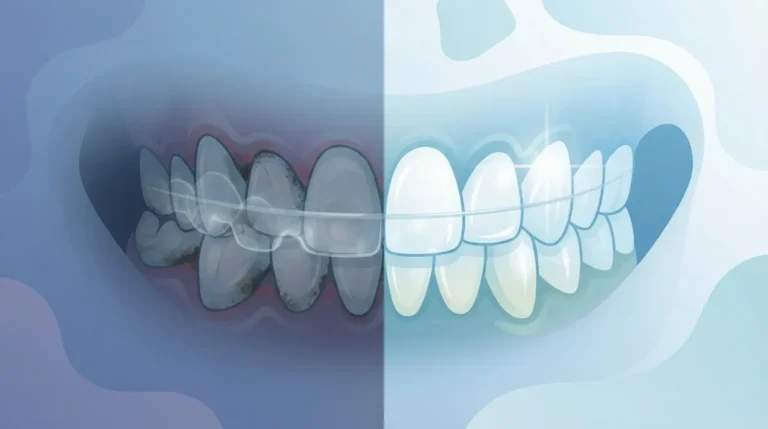
Interestingly, one small study of 20 teenagers found less long-term plaque buildup with ceramic braces compared to metal ones. That’s a nice bonus, though it’s a small sample, so don’t take it as a guarantee for every patient.

Who Should Consider White Braces?
Ceramic braces aren’t for everyone, but they work beautifully for a lot of people. Here’s who tends to love this option most.
- Career-focused professionals who want a treatment that won’t scream “braces” during client meetings or presentations.
- Teens and young adults preparing for a big milestone, like a graduation photo or a wedding, who still want fixed braces but a more subtle look.
- Adult relapse patients returning for a second round of treatment who appreciate a grown-up, low-profile appliance.
- Parents looking for an option that’s a nice middle ground between traditional metal and clear aligners for their teens.
If you’re weighing white braces against other choices, our types of braces guide breaks down every option we offer, and our all about braces page is a great starting point too.
What Can White Braces Actually Fix?
Ceramic braces can treat a wide range of orthodontic issues, much like traditional metal braces. Here’s a quick rundown of common problems they can help correct:
- Crowded or overlapping teeth
- Gaps and spacing issues between teeth
- Rotated teeth
- Overbites
- Underbites
- Crossbites
That said, not every case is a good match for ceramic brackets. Bracket strength, how your teeth sit, and your bite forces all play a role in whether ceramic is the best choice. This is exactly why a thorough exam matters so much. Our page on common orthodontic problems can help you understand what might be going on with your smile before your visit.
How Much Do White Braces Cost?
Let’s talk numbers, because we know cost is often top of mind. Ceramic braces typically run a bit more than traditional metal braces. This is mainly due to the material costs and lab work involved in making tooth-colored brackets.
Based on 2026 consumer cost data, here’s what you might expect:
- Full treatment with ceramic braces: roughly $4,000–$8,500 without insurance
- One recent guide reported an average of about $5,834 for ceramic braces, compared to about $6,343 for metal braces
- Insurance often covers about 50% up to a lifetime maximum, commonly between $1,500–$3,000
Keep in mind these are estimates, not guarantees. Your actual cost depends on your location, how complex your case is, how long treatment takes, and whether you need one or both arches treated. We always recommend discussing your specific situation directly with your orthodontist. If cost is a concern, check out our orthodontic financing options, which are designed to make treatment more manageable for families in Lakewood Ranch and beyond.
How to Care for Ceramic Braces: 5 Simple Steps
Taking care of white braces takes a little extra attention, but it’s totally doable with the right habits. Here’s how to keep your smile on track.
- Brush carefully around every bracket. Food and plaque love to hide there, so take your time.
- Floss daily using a floss threader or interdental brush. This helps you reach spots a regular toothbrush can’t.
- Limit staining foods and drinks. Coffee, tea, red wine, cola, and tobacco can discolor the clear elastic ties, even though the ceramic brackets themselves usually resist staining.
- Avoid hard, sticky, or chewy foods. Ceramic brackets are more brittle than metal and can chip if you’re not careful. The American Association of Orthodontists recommends steering clear of these foods throughout treatment.
- Keep up with your adjustment appointments. These visits, usually every 4–10 weeks, are when your orthodontist swaps out ligatures and checks your progress.
Small habits make a big difference here. Consistent care keeps your treatment on schedule and your smile looking bright the whole way through.
White Braces vs. Clear Aligners: What’s the Difference?
This is a common point of confusion, so let’s clear it up. Ceramic braces are fixed appliances that stay bonded to your teeth for the entire treatment. Clear aligners, on the other hand, are removable trays you switch out every week or two.
Ceramic braces tend to be the better choice when you need continuous, round-the-clock control over tooth movement, especially for more complex bite corrections. Clear aligners work great for many cases too, but they may not predictably handle every type of movement. If you’re torn between the two, our clear aligners page and our comparison guide on braces vs. clear aligners can help you weigh your options.
We also offer Angel Aligners at our Lakewood Ranch office, which use a smart “7+3” wear schedule and AI-driven planning to help move teeth efficiently, often at a lower cost than premium aligner brands.
What About Advanced Bracket Technology?
If a subtle, comfortable option appeals to you, it’s worth asking about LightForce Orthodontics. This fully digital bracket system offers clear or white bracket options that blend naturally with your teeth, even on the back teeth. Each bracket is custom 3D-printed to match your unique tooth shape, which can mean more comfort and treatment times that are up to 45% faster than traditional methods.
For younger patients who want their braces to feel fun instead of scary, our WildSmiles Braces offer playful bracket shapes and even Disney-themed designs. It’s a wonderful way to help kids stay excited about brushing, flossing, and sticking with their treatment plan.
A Quick Note on MRI and Imaging
If you ever need an MRI or other imaging while wearing ceramic braces, let your imaging center and your orthodontist know beforehand. Some ceramic systems include small metal slots or components. Ceramic-only brackets are usually less of a concern, but it’s always smart to mention your appliance just in case.
Why Choose Segovia Orthodontics for Your White Braces Journey?
Led by board-certified orthodontist Dr. Flor Segovia, our Lakewood Ranch practice combines advanced technology with a warm, family-friendly atmosphere. Dr. Segovia is board certified through the American Board of Orthodontics, and she provides bilingual care in English and Spanish, so every patient feels comfortable and understood.
We know choosing the right treatment can feel overwhelming. That’s why we take time during your first orthodontic visit to answer your questions and build a plan that fits your life, your budget, and your smile goals. You can learn more about our approach on our Why Choose Us page, or read about Dr. Segovia’s background on our Orthodontist Flor Segovia page.
Curious what real patients think? You can visit us on Google — Segovia Orthodontics to see reviews from families right here in the Lakewood Ranch area. We also love connecting with our community on our Facebook page and sharing smile transformations on our Instagram page.
Ready to Explore White Braces?
White braces offer a wonderful middle ground between the strength of traditional metal braces and the discretion many patients crave. They can treat crowding, spacing, bite issues, and more, all while blending in more naturally with your smile. Of course, the best way to know if ceramic braces are right for you is a personal evaluation with an experienced orthodontist who can look at your specific teeth, bite, and goals.
We’d love to help you take that next step toward a smile you feel proud of. Feel free to request an appointment at our Lakewood Ranch office, or if you have questions first, don’t hesitate to contact us anytime. You can also simply call us at 941-557-1333 and our friendly team will help you get started. We can’t wait to be part of your smile story!
FAQs
Q: What are white braces made of?
A: White braces are usually made from ceramic or clear polycrystalline materials that blend in with your natural tooth color. They work the same way as metal braces, using brackets and wires to gently guide your teeth into place. Just remember to ask your orthodontist exactly which material they’re using, since the term can sometimes refer to white-coated metal too!
Q: Are white braces the same as ceramic braces?
A: Yes, in most cases! When people say white braces, they usually mean ceramic braces made from tooth-colored materials. It’s always a good idea to double check with your orthodontist so you know exactly what appliance you’re getting.
Q: How much do white or ceramic braces cost?
A: Ceramic braces typically cost between $4,000 and $8,500 for full treatment, based on 2026 pricing data. One recent guide found an average cost of about $5,834, which is a bit less than the average for metal braces. Your exact price depends on your case, location, and insurance coverage, so a consultation is the best way to get real numbers.
Q: Do white braces stain or turn yellow?
A: The ceramic brackets themselves usually resist staining pretty well. However, the clear elastic ties holding the wire in place can pick up stains from coffee, tea, red wine, and tobacco. The good news is those ties get replaced at your regular adjustment visits, so any staining is temporary!
Q: Are white braces suitable for severe overbites, underbites, or crowded teeth?
A: Ceramic braces can treat many issues, including crowding, spacing, overbites, underbites, and crossbites. That said, every smile is unique, and bracket strength and bite forces matter for more complex cases. The best way to know for sure is through a personal evaluation with your orthodontist.
Our Service Area