Key Takeaways
-
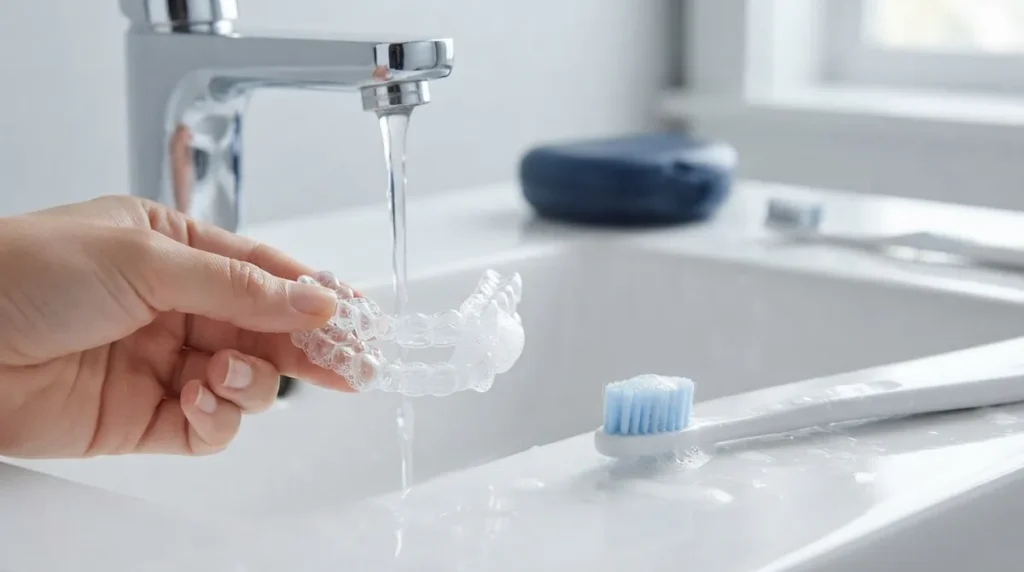
Rinse aligners immediately with cool or lukewarm water after removal to prevent saliva, food debris, and bacteria from drying and building up on the trays.
-
Never use hot water, regular toothpaste, colored soaps, or bleach—these can warp the plastic, scratch the surface, or cause staining that damages your aligners.
-
Always brush and floss your teeth before reinserting aligners after eating to prevent food particles from getting trapped between teeth and trays, which accelerates cavity formation.
-
Use a soft-bristled brush dedicated to aligners with clear, unscented, mild liquid soap for gentle cleaning, and skip manufacturer-approved cleaning crystals—they supplement but don't replace daily brushing.
-
Store aligners in their protective case when not wearing them; never wrap in napkins or leave unattended, as they can be accidentally discarded or damaged by pets.
-
Build aligner cleaning into your existing teeth-brushing routine (morning and night) and keep a travel-size cleaning kit handy to make consistency automatic and effortless.
So you just started your clear aligner journey, and you’re probably wondering: how do I actually keep these things clean? Great question! Whether you’re a busy mom juggling appointments for your teen, a professional wearing aligners discreetly at work, or an adult getting a second chance at that perfect smile, cleaning your aligners the right way matters more than you might think.
Here’s the good news: cleaning clear aligners isn’t complicated. It just takes a few minutes each day and a little consistency. Skip this step, though, and you risk cloudy trays, bad odors, and even bacteria buildup that could slow down your progress. At Segovia Orthodontics in Lakewood Ranch, we want every patient—kids, teens, and adults alike—to feel confident about their treatment from day one. Let’s walk through exactly how to keep your aligners fresh, clear, and doing their job well.
Why Clean Aligners Actually Matter
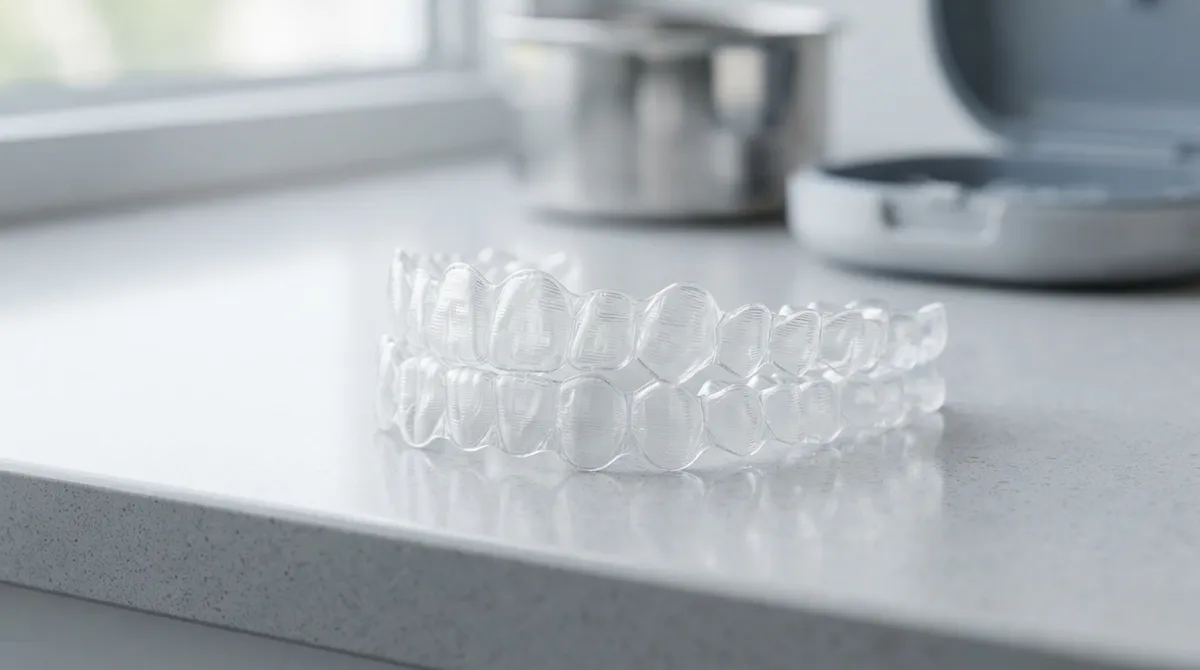
Think about it this way: your aligners sit against your teeth for 20 to 22 hours a day. That’s a lot of contact time. If food particles, saliva, and plaque build up on the plastic, they don’t just disappear. They sit there, right against your enamel, creating the perfect environment for bacteria to thrive.
Dirty aligners can lead to bad breath, stained trays, and even an increased risk of cavities or gum irritation. Nobody wants that, especially if you’re wearing aligners to prepare for a big event like a wedding or graduation. Clean aligners also just feel better. Nobody enjoys popping in a tray that smells or looks foggy.
How to Clean Clear Aligners Step by Step
Cleaning your aligners doesn’t need to be a big production. Here’s a simple, effective routine that dental professionals recommend:
- Rinse immediately after removing them. Use cool or lukewarm water every single time you take your aligners out. This washes away saliva and loose food debris before it has a chance to dry and stick.
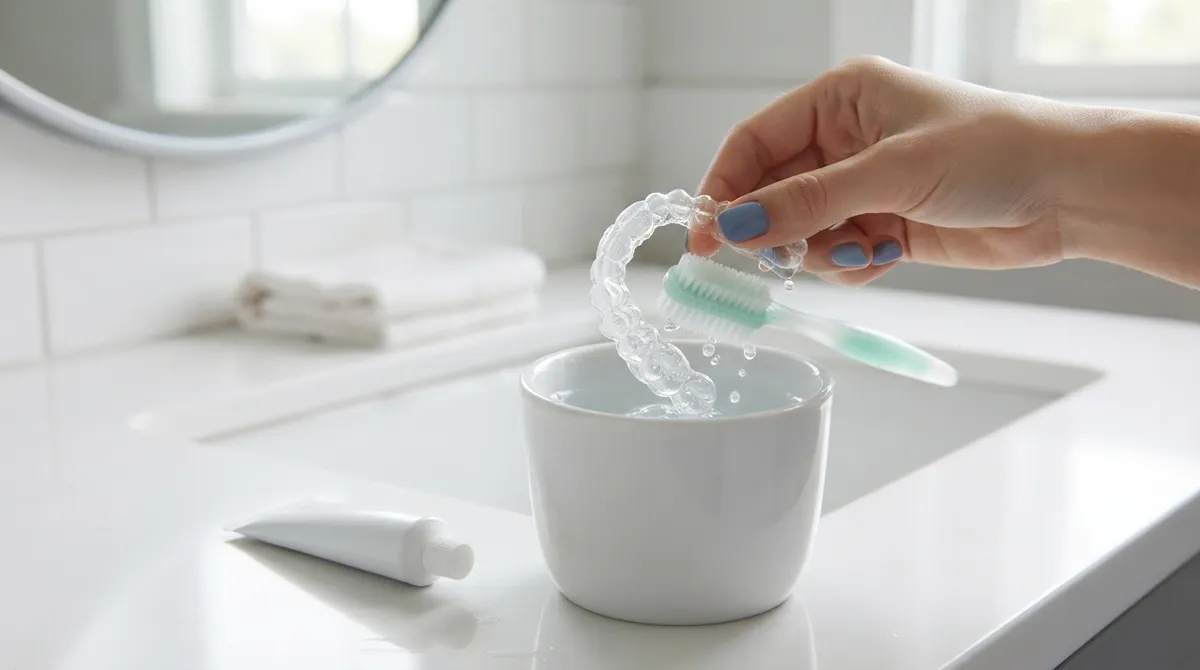
- Brush gently with a soft-bristled brush. Keep a separate, soft toothbrush just for your aligners. Use a small amount of clear, unscented, mild liquid soap to clean both the inside and outside of the trays.
- Rinse thoroughly again. Make sure all soap residue is washed away before putting your aligners back in your mouth.
- Brush and floss your own teeth first. Before reinserting your aligners after a meal, always brush and floss. This keeps food and plaque from getting trapped between your teeth and the tray.
- Store them properly when not in use. Always place your aligners in their protective case. Never wrap them in a napkin (it’s way too easy to accidentally toss them in the trash!) and keep them away from curious pets.
That’s really it. Once this becomes part of your daily routine, it takes less than five minutes total. If you have questions about your specific aligner system, our team can walk you through the details during your first orthodontic visit or any follow-up appointment.
What to Use (and What to Avoid)
Not all cleaning products are aligner-friendly. Some common household items can actually damage your trays or make them cloudy. Here’s a quick breakdown to keep things simple.
| Safe to Use | Avoid Using |
|---|---|
| Cool or lukewarm water | Hot or boiling water |
| Clear, unscented, mild liquid soap | Colored or scented soaps |
| Soft-bristled brush (dedicated to aligners) | Regular toothpaste (too abrasive) |
| Manufacturer-approved cleaning crystals | Bleach or household cleaners |
| Clear mouthwash (in moderation) | Colored mouthwash (can stain trays) |
Hot water is a big one to avoid. It can actually warp the plastic, changing the shape of your aligner and messing up how it fits your teeth. That’s a headache nobody wants mid-treatment. Toothpaste seems like an obvious cleaning tool, but it’s often too rough on the aligner material and can leave tiny scratches where bacteria can hide.
Should You Use Cleaning Crystals or Tablets?
Many patients ask about cleaning crystals or denture-style tablets. These products can be a great addition to your routine, but they’re not a replacement for daily brushing and rinsing. Here’s what the research says.
A 2022 review of aligner cleaning methods found that combining gentle brushing with an appropriate chemical cleaner works better than either method alone. However, the same review noted there’s no single “best” protocol that works for every aligner material out there. That’s why it’s smart to follow the specific instructions provided with your aligner brand.
If you’re using cleaning crystals, most manufacturers recommend soaking your aligners in warm (not hot) water for about 15 minutes, then rinsing thoroughly afterward. Always double check the current product label, since instructions can vary. And when in doubt, ask your orthodontist before trying a new product.
Common Aligner Cleaning Mistakes to Avoid
Even well-meaning patients sometimes fall into habits that damage their aligners or slow their treatment. Watch out for these common missteps:
- Using hot water to “sanitize” trays. This warps the plastic and can throw off your fit.
- Skipping the rinse after eating. Saliva and food particles dry fast, making them harder to remove later.
- Wearing aligners while drinking coffee or soda. These drinks can stain the plastic and sneak sugar or acid underneath the tray, right against your teeth.
- Forgetting to clean the case. A dirty case can transfer bacteria right back onto freshly cleaned aligners.
- Using colored or minty toothpaste. These can scratch or discolor the clear plastic over time.
If you’ve noticed cloudiness or a lingering odor despite regular cleaning, it might be time to switch up your routine—or check in with your orthodontist to make sure everything is on track. Learn more about common pitfalls in our guide on clear aligner mistakes that can ruin your smile results.
Eating and Drinking with Clear Aligners
One of the biggest perks of clear aligners is that you can take them out to eat. But that also means you need a game plan to keep things clean and simple. Here’s a quick rundown:
- Always remove aligners before eating any food.
- Remove them before drinking anything except plain water.
- Brush and floss before putting aligners back in.
- Rinse your aligners before reinserting them, especially if they’ve been sitting out for a while.
This habit protects both your teeth and your aligners. Trapped food particles under a tray can lead to cavities faster than you’d expect, since the aligner essentially seals bacteria against your enamel for hours at a time.
Special Considerations for Different Aligner Systems
At Segovia Orthodontics, we offer clear aligners including Angel Aligners, which use a unique wear schedule to help speed up treatment. No matter which system you’re using, the core cleaning principles stay the same: rinse often, brush gently, and avoid harsh chemicals or heat.
If you’re weighing your options between traditional braces and aligners, our comparison on braces vs. clear aligners can help you figure out what fits your lifestyle best. And if you’re curious about the technology behind modern treatment, check out our page on advanced orthodontic technology we use at our Lakewood Ranch practice.
What If Your Aligner Gets Warped or Doesn’t Fit Right?
Sometimes despite your best efforts, an aligner might warp or crack. Maybe it got left in a hot car, or a pet found it before you did (it happens more than you’d think!). If this occurs, don’t try to force it back into shape or keep wearing it anyway.
Contact your orthodontic office as soon as possible. Wearing a damaged or ill-fitting aligner can actually move your teeth in unintended directions or simply fail to make any progress at all. If you’re dealing with an aligner emergency, our orthodontic emergency page has helpful guidance on what to do next.
Building a Routine That Actually Sticks
Life gets busy. Between school pickups, work deadlines, and everything in between, it’s easy to forget the little things. But building aligner cleaning into habits you already have makes it almost automatic. Try these tips:
- Clean your aligners right when you brush your own teeth, morning and night.
- Keep a travel-size cleaning kit (brush, mild soap, case) in your bag or car.
- Set a phone reminder if you’re new to the routine.
- Always rinse before reinserting, even if you can’t do a full clean right away.
Consistency really is the secret. Patients who stick to a simple daily routine tend to have clearer trays, fresher breath, and smoother treatment overall. Dr. Flor Segovia and our team love seeing patients succeed with these small daily habits—it’s part of what makes orthodontic care so rewarding to be part of. Learn more about Orthodontist Flor Segovia and her approach to patient care.
When to Ask Your Orthodontist for Help
If you’ve tried everything and your aligners still seem cloudy, smelly, or discolored, it’s time to reach out. Sometimes the issue isn’t your cleaning routine at all, but rather how the aligner material reacts with certain foods, drinks, or even your own saliva chemistry.
Our team is always happy to troubleshoot with you. Feel free to contact us with any questions about your specific aligner care routine. We also recommend checking credentials when choosing an orthodontist—Dr. Segovia is certified through the American Board of Orthodontics, which means she’s met rigorous standards in orthodontic care and treatment planning.
Wrapping It Up: Your Smile Deserves This Small Effort
Cleaning your clear aligners really doesn’t take much time, but it makes a huge difference in your comfort, hygiene, and treatment success. A quick rinse, a gentle brush, and smart habits around eating and drinking will keep your trays clear and your smile on track.
Whether you’re a parent guiding your teen through their first aligner experience, a professional wanting a discreet treatment option, or an adult finally correcting relapse from years ago, we’re here to support you every step of the way. Our Lakewood Ranch practice is proud to serve families throughout the community with personalized, friendly care.
Curious to see what other patients are saying? Check out our Facebook page or follow along on our Instagram page for smile transformations and tips. You can also visit us on Google — Segovia Orthodontics to read reviews from families just like yours right here in Lakewood Ranch.
Ready to get started on your own smile journey, or have questions about caring for your current aligners? We’d love to help. Request an appointment today, or feel free to call us at 941-557-1333 to chat with our friendly team.
FAQs
Q: How often should I clean my clear aligners?
A: You’ll want to rinse your aligners every time you take them out, and do a full clean with soap and a soft brush at least twice a day. Think of it like brushing your own teeth—it just becomes part of your daily rhythm!
Q: Can I use toothpaste to clean my aligners?
A: It’s best to skip regular toothpaste since it can be too abrasive and may scratch or cloud the plastic over time. Stick with a clear, unscented, mild liquid soap instead for a gentle, effective clean.
Q: Can hot water damage my clear aligners?
A: Yes, hot or boiling water can actually warp the plastic and change how your aligner fits your teeth. Always use cool or lukewarm water when rinsing or soaking your trays.
Q: What should I do if my aligner becomes cloudy or smells bad?
A: First, double check your daily cleaning routine and make sure you’re rinsing right after removal. If the cloudiness or odor sticks around, reach out to your orthodontist—it might be time to switch cleaning products or check the fit.
Q: Are cleaning crystals or denture tablets safe for clear aligners?
A: Many manufacturer-approved cleaning crystals are safe and effective when used exactly as directed, usually a 15-minute soak in warm water. Always check your specific aligner brand’s instructions, and when in doubt, ask your orthodontist before trying something new.
Our Service Area