Key Takeaways
-
Most people find clear aligners comfortable overall due to their smooth plastic design with no brackets or wires, but expect mild pressure and soreness during the first 2-3 days as teeth adjust to movement.
-
Start new trays on a calm evening, wear them consistently as directed, eat soft foods for a few days, and use warm salt-water rinses to minimize discomfort during the adjustment period.
-
Soreness typically peaks in the first 2-3 days with a new tray then improves, with each subsequent tray change bringing milder pressure as your mouth adapts to the process.
-
Contact your orthodontist if you experience sharp pain, persistent soreness beyond the first week, sores or cuts, or a tray that won't seat properly instead of trying to tough it out.
-
Clear aligners may cause mild side effects like slight speech changes, dry mouth, or pressure when biting that usually ease with time as your mouth adjusts.
-
Comfort varies by individual based on planned tooth movements, tray fit quality, mouth sensitivity, and consistent wear time, making a personalized treatment plan essential.
If you have been thinking about straightening your teeth without metal brackets and wires, you have probably asked yourself one big question: are clear aligners comfortable? It is a smart question. After all, you will wear them for most of the day, every day, for months. Nobody wants a treatment that feels like a daily battle.
The good news is that most people find clear aligners pretty manageable. They are smooth, they are removable, and they do not poke your cheeks like old-school brackets can. But here is the honest part: aligners still move your teeth, so some pressure and soreness are normal, especially at the start.
Whether you are a busy professional, a parent helping a teen decide, or an adult returning to treatment after relapse, this guide walks you through what comfort really feels like. You will learn what to expect, how to ease soreness, and how to tell when something is not right. Let’s make this simple, friendly, and practical.

So, Are Clear Aligners Comfortable? The Honest Answer
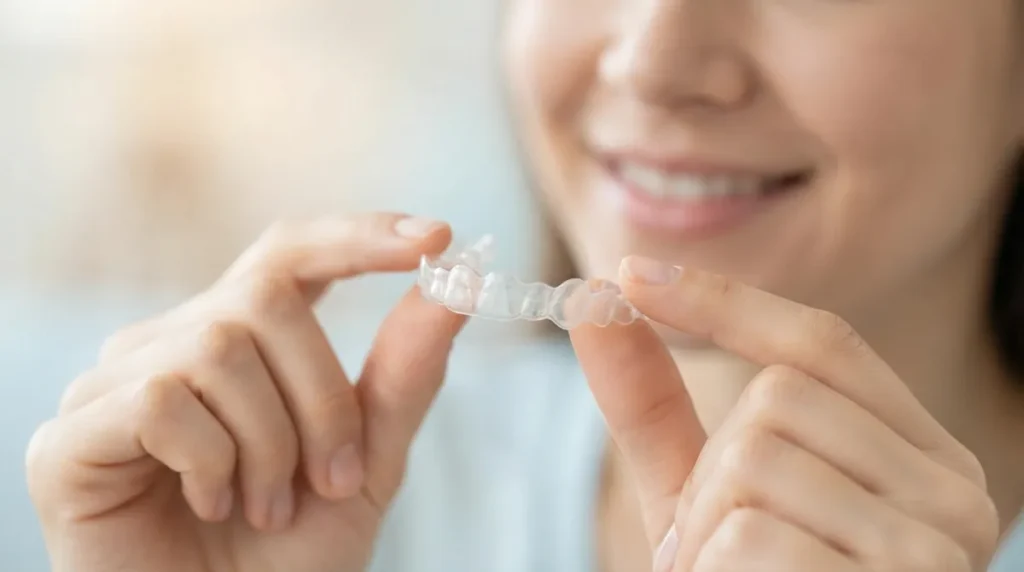
For most patients, yes, clear aligners are comfortable overall. They are made from smooth plastic, so there are no brackets or wires to rub against your lips and cheeks. You can also take them out to eat and clean your teeth.
But comfortable does not mean pain-free. Aligners work by applying gentle, steady pressure to guide teeth into new positions. That pressure can feel like tightness, tenderness, or a dull ache. Think of it like the feeling after a new workout. Your teeth are doing work, and they may let you know about it for a little while.
The American Association of Orthodontists describes mild discomfort during the first few days and an adjustment period of about a week. After that, most people say the feeling fades into the background.
What Comfortable Usually Feels Like
- A snug fit when you put in a new tray
- Mild pressure on your teeth, especially the first two or three days
- A smooth feel against your tongue, cheeks, and lips
- Little to no trouble once your mouth adapts
What Is Not Normal
- Sharp, stabbing, or worsening pain
- Sores or cuts on your gums or cheeks
- A tray that will not seat properly
- Pain that lasts well beyond the first week of a new tray
If you notice any of the items above, do not tough it out. Reach out to your orthodontist.
How Clear Aligner Comfort Compares to Braces
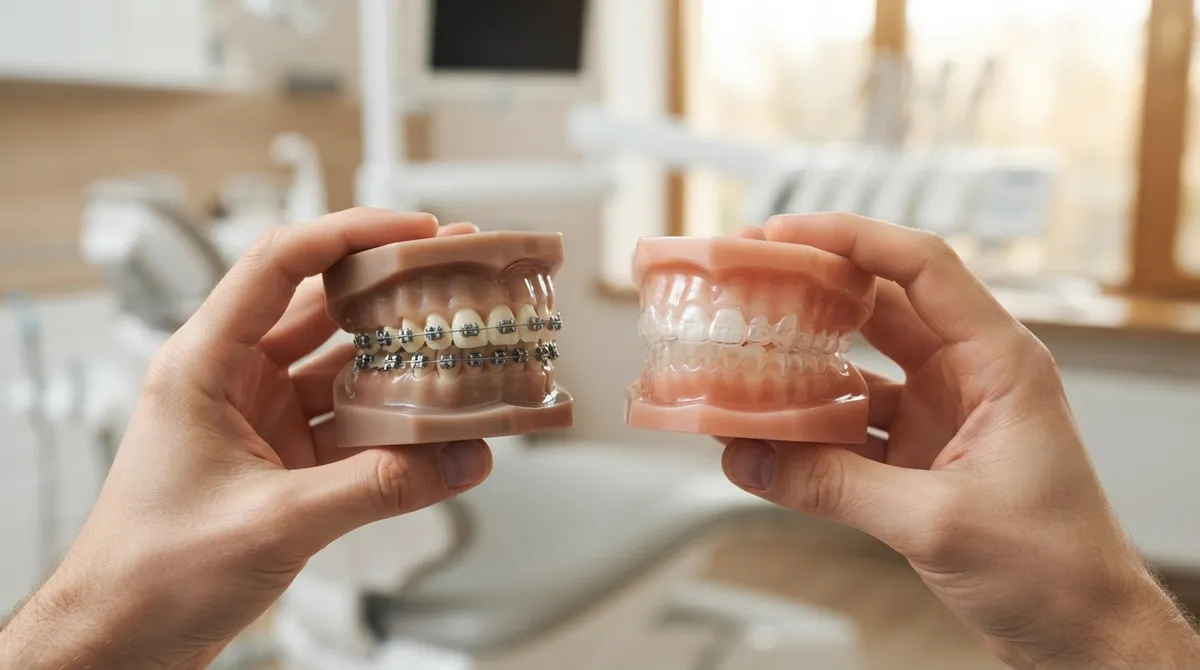
Many people wonder if aligners hurt less than braces. The research gives us a helpful but balanced picture. A systematic review of seven studies found that Invisalign users generally reported less pain than fixed-brace patients during the first few days. Later on, up to three months, the difference was not clear. The review also found no comparable evidence for other aligner brands, and the study methods varied.
A 2025 comparative study reported mean peak pain scores of 3.8 for clear aligners and 6.2 for fixed appliances. That is just one study, though, not a promise for every patient. Meanwhile, a 2026 meta-analysis that included only two randomized trials found no statistically significant difference in physical pain, and the authors said the evidence was very limited.
What does that mean for you? Aligners may feel gentler early on for some people, but comfort is personal. Your own experience depends on your teeth, your treatment plan, and how sensitive your mouth is.
| Comfort Factor | Clear Aligners | Traditional Braces |
|---|---|---|
| Brackets and wires | None | Present, can rub cheeks and lips |
| Removable for meals | Yes | No |
| Early soreness | Often mild to moderate | Often mild to moderate |
| Soft tissue irritation | Possible from a rough edge | More common from brackets |
| Cleaning ease | Easier, trays come out | Takes more effort |
If you want a deeper side-by-side look, our guide on braces vs. clear aligners can help you weigh your options.
What Affects How Comfortable Your Aligners Feel
Two people can wear the same type of aligner and have totally different experiences. That is normal. Here are the main things that shape your comfort level.
- Your planned tooth movements: Bigger shifts, like rotating a stubborn tooth, can feel stronger than small adjustments.
- Tray fit: A well-fitting tray feels snug but steady. A poor fit can cause rubbing or uneven pressure.
- Your mouth’s sensitivity: Some people simply feel pressure more than others.
- How consistently you wear them: Skipping wear time can make each new tray feel tighter when you go back to it.
This is why a personalized plan matters. At Segovia Orthodontics in Lakewood Ranch, Dr. Flor Segovia builds treatment around each patient, and that care shows up in how comfortable the process feels. You can learn more about clear aligner options at our practice.
How to Get Comfortable With Clear Aligners: Step by Step
Want to make the first week smoother? Follow these steps. They are simple, and they really help.
- Start on a good day. Try not to begin a new tray right before a big presentation or important event. A calm evening works well, since you can sleep through the first rush of pressure.
- Wear your trays as directed. Consistent wear helps your teeth adapt faster. Taking them in and out all day can actually prolong soreness.
- Eat soft foods for a couple of days. Yogurt, pasta, soup, and scrambled eggs are friendly choices when your teeth feel tender.
- Try a warm salt-water rinse. The American Association of Orthodontists notes this as a gentle way to soothe mild soreness.
- Consider an over-the-counter pain reliever. This can help with short-lived soreness, but ask your orthodontist first if you are unsure what is right for you.
- Check for rough edges. If a spot on the tray feels sharp, let your care team know instead of trimming it yourself.
- Keep your trays and teeth clean. Clean trays feel better and help you avoid irritation.
If you are curious about avoiding common slip-ups, take a look at these clear aligner mistakes to avoid.
How Long Does Aligner Soreness Last?
This is one of the most common questions we hear. For most people, soreness peaks in the first two or three days with a new tray, then settles down. The first set of aligners usually feels the most noticeable because your mouth is brand new to them.
After that, each new tray may bring a short wave of pressure. It is often milder than the first time, because your mouth has learned what to expect. If you want to understand the early days in detail, read about what to expect during the first week after your start appointment.
A Quick Timeline
- Day 1 to 3: Most noticeable tightness and tenderness
- Day 4 to 7: Comfort improves as your mouth adapts
- Each new tray: A brief, usually milder repeat of the pressure
Everyone is a little different, so do not worry if your timeline looks slightly different from this one.
Other Things You Might Notice While You Adapt
Soreness is not the only thing that can pop up. A few small changes are common while your mouth gets used to something new.
- Speech changes: You may have a slight lisp for a few days. Reading aloud can help your tongue adjust.
- Extra saliva or dry mouth: Your mouth may react to the tray at first. Sipping water helps.
- Pressure when biting: Your bite may feel a little different as teeth shift.
- Tongue, cheek, or gum irritation: A rough edge or poorly fitting tray can cause a sore spot.
These things usually ease with time. But a tray that is damaged, cracked, or poorly seated should be checked. And please do not use frequent removal as a way to manage ongoing pain. Skipping wear time can slow your results, so talk to your orthodontist first.
Comfort Tips for Different Lifestyles
Your daily life shapes how you experience aligners. Here are a few ideas for common situations.
For Busy Professionals
If your calendar is packed, plan your tray changes for the evening or weekend. That way, the peak soreness hits when you are home. Carry a travel case and a small toothbrush so you can clean up after meals without stress.
For Parents of Teens
Teens often do best with a simple routine. Set a phone reminder for tray changes and wear time. Stock the pantry with soft snacks for the first few days. If your teen is considering options, our page on teen orthodontic treatment is a helpful place to start.
For Adults Returning After Relapse
If you wore braces years ago and your teeth shifted, aligners can feel like a fresh start. Because adult teeth can feel more resistant, give yourself grace in the first week. Learn more about adult orthodontics and what is possible for your smile.
For Anyone Planning a Big Event
Have a wedding, graduation, or career milestone coming up? Talk with your orthodontist early so your treatment timeline fits your calendar. Starting sooner gives your teeth more time to settle in comfortably.
When to Call Your Orthodontist
Mild soreness is part of the process. But you should never ignore signs that something is off. Contact your orthodontist if you have any of the following:
- Severe or worsening pain
- Pain that does not ease after the first week of a new tray
- Sores or cuts in your mouth
- A tray that does not seat properly
- A cracked or damaged aligner
It is always better to ask than to guess. If something feels urgent, our page on orthodontic emergencies explains what to do.
Why Your Orthodontist Makes a Big Difference
Comfort starts with a thoughtful plan and a well-made tray. A board-certified orthodontist understands how teeth move and can adjust your plan if something feels off. You can verify credentials through the American Board of Orthodontics, which is a good step when choosing any provider.
At Segovia Orthodontics, Dr. Segovia uses advanced orthodontic technology to plan treatment carefully, and she offers bilingual care in English and Spanish. Our team focuses on a warm, supportive environment, so you can ask questions without feeling rushed. You can also peek behind the scenes and see our smiles on our Instagram page or join the conversation on our Facebook page.
Want to see what other patients say? You can visit our Segovia Orthodontics location on Google and read real reviews from the Lakewood Ranch community.
Ready to Find Out If Aligners Feel Right for You?
So, are clear aligners comfortable? For most people, yes, with a short adjustment period and some mild pressure along the way. They are smooth, removable, and easier to live with than many people expect. The key is knowing what is normal, what helps, and when to ask for support.
The best way to know how aligners will feel for your smile is to talk with an orthodontist who can look at your teeth and explain your plan. If you are ready to take the next step, request an appointment with our team, or call us at 941-557-1333. We would love to help you smile with confidence, comfortably.
FAQs
Q: Are clear aligners more comfortable than braces?
A: Many people find aligners a bit gentler early on, since there are no brackets or wires to rub your cheeks. Research is mixed, though, so comfort really depends on your teeth and treatment plan. Your orthodontist can help you decide which option fits you best.
Q: How long do clear aligners hurt when you first start wearing them?
A: Most people feel mild tightness or tenderness for the first few days, with an adjustment period of about a week. After that, it usually fades as your mouth gets used to the trays. If pain is sharp or keeps getting worse, call your orthodontist.
Q: Do clear aligners hurt every time you switch trays?
A: You may feel a short wave of pressure with each new tray, but it is often milder than the very first set. A snug fit is normal, and it usually settles within a couple of days. Persistent or severe pain is not something to ignore.
Q: How can I relieve soreness from clear aligners?
A: Warm salt-water rinses, soft foods, and an over-the-counter pain reliever can help with mild, short-lived soreness. Check with your orthodontist before taking medication if you are unsure. Keep wearing your trays as directed, since skipping wear time can make soreness last longer.
Q: Can clear aligners cause mouth sores or cut your gums?
A: A poorly fitting or damaged tray, or a sharp edge, can sometimes irritate your tongue, cheeks, or gums. Do not trim the tray yourself. Contact your orthodontist so they can check the fit and fix the problem.
Our Service Area