Key Takeaways
-
Clear aligners work best for mild to moderate issues like crowded teeth, small gaps, and mild bite problems, but complex cases with significant rotations or major bite issues may require additional attachments, rubber bands, or combined treatment with braces.
-
Wearing aligners 20-22 hours daily is critical for success; removable trays are convenient but also the biggest risk factor, as skipping hours delays tooth movement and can compromise final results.
-
Professional orthodontist supervision is essential because research shows only about 41% accuracy for planned tooth movements, and tracking issues require expert monitoring and refinement phases to keep treatment on course.
-
Different tooth movements have varying predictability levels; simple tipping is highly predictable for aligners alone, while rotation and root positioning may need attachments or refinements, requiring your orthodontist to pick the right tool for your goals.
-
Regular check-in appointments are vital to catch tracking problems early, such as trays not seating properly or gaps developing, which are fixable through short refinement phases rather than major treatment overhauls.
-
Clear aligners work well for busy professionals and adults with prior braces (relapse cases) who value discretion, but effectiveness for teens depends on age, dental development, and their responsibility with removable appliances.
You’ve seen the ads. Smiling people with perfectly straight teeth, wearing barely-there trays instead of metal brackets. But you’re wondering: do clear aligners really work, or is this just clever marketing? We get this question all the time here at Segovia Orthodontics, and honestly, it’s a great question to ask before you invest your time and money.
The short answer is yes—clear aligners really can straighten your teeth. But like most good things, there’s more to the story. Whether they work well for you depends on your specific smile, how closely you follow your treatment plan, and who’s guiding your care. Let’s break it all down together, no confusing dental jargon required.
What Clear Aligners Actually Do to Your Teeth
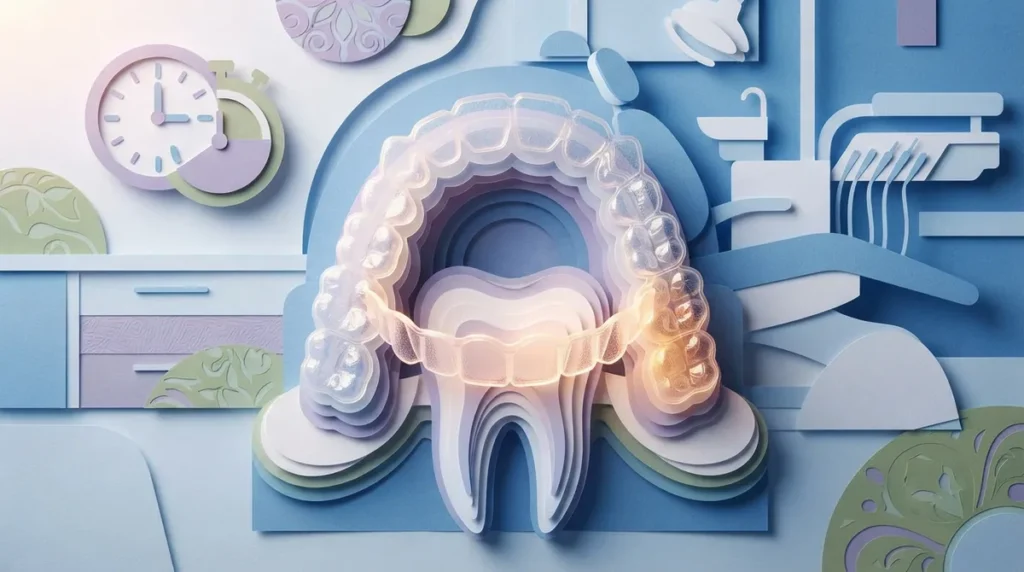
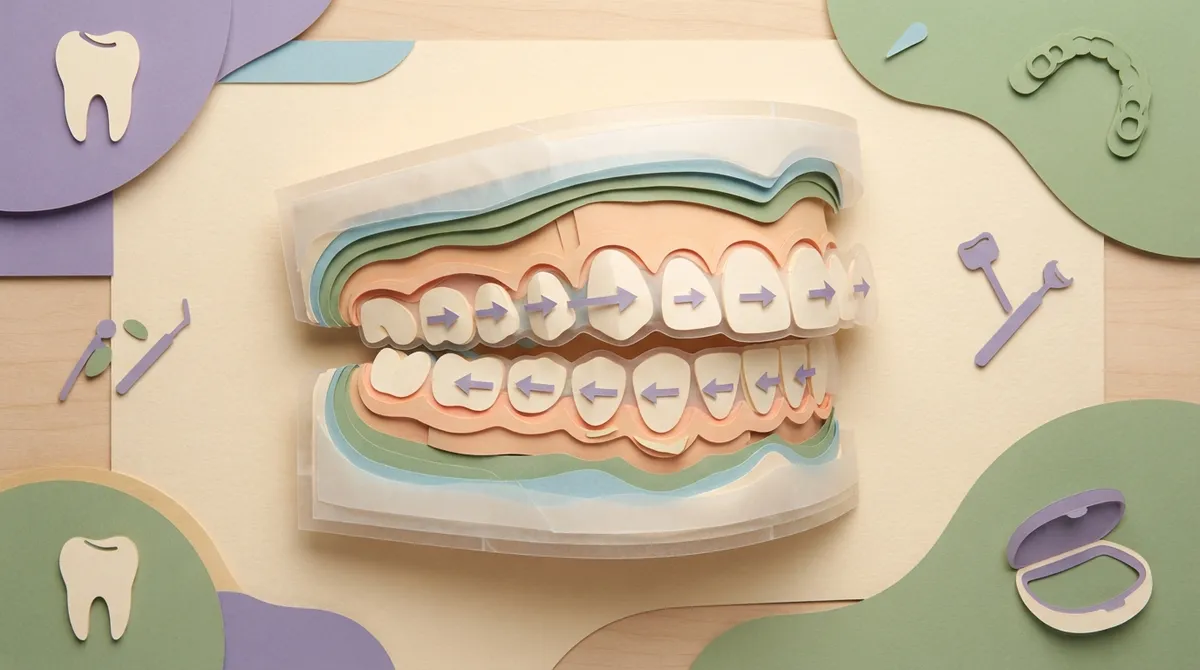
Clear aligners are custom-made trays that fit snugly over your teeth. Each tray in your series is slightly different from the last. As you move through the sequence, gentle pressure nudges your teeth into better positions, one small step at a time.
Think of it like a staircase. Each tray is a single step, and by the time you’ve worn every tray in your series, you’ve climbed all the way to your new smile. This is very different from traditional braces, which use fixed wires and brackets to apply constant pressure.
According to the American Association of Orthodontists, most people need to wear their aligners about 20 to 22 hours a day. That means you only take them out to eat, brush, and floss. Sound like a lot? Most patients say it becomes second nature within a week or two.
Do Clear Aligners Really Work for Every Smile
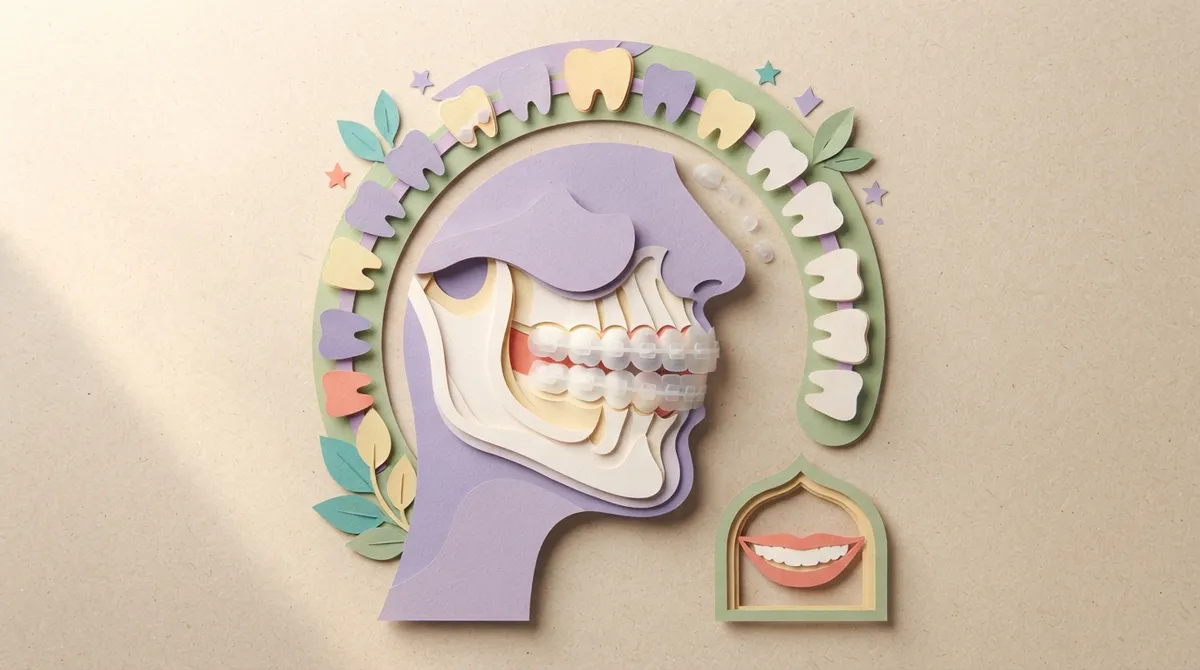
Here’s the honest truth: clear aligners work great for many smiles, but not every single one. They tend to shine brightest with mild to moderate issues like:
- Crowded or crooked teeth that need gentle repositioning
- Small to medium gaps between teeth
- Mild overbites, underbites, or crossbites
- Minor open bites
- Relapse cases where teeth have shifted after old orthodontic treatment
More complex cases, like significant rotations or major bite problems, may need extra help. Sometimes this means adding small attachments to your teeth, using rubber bands, or even combining aligners with braces for certain teeth. This is exactly why an in-person evaluation matters so much. Learn more about our clear aligners options and how we customize plans for real results.
The Research Behind Clear Aligner Success
Let’s talk numbers for a moment, because data helps cut through the guesswork. A 2023 systematic review looked at how accurately aligners moved teeth compared to what was originally planned. The results? A mean accuracy of about 41% for front teeth movements in one included study. That doesn’t mean aligners fail—it means some movements are trickier to predict than others.
The same review found a 1.5 mm difference between planned and actual movement for upper front teeth intrusion, plus a difference of just over 3 degrees for planned versus actual rotation of upper canines. These numbers show why your orthodontist needs to monitor your progress closely and make adjustments along the way.
| Tooth Movement Type | How Predictable It Is | What This Means for You |
|---|---|---|
| Simple tipping movements | Generally very predictable | Great candidate for aligners alone |
| Rotation of canines/premolars | Less predictable | May need attachments or refinements |
| Vertical movement (intrusion/extrusion) | More variable | Requires close monitoring |
| Bodily movement/root torque | Often less controlled than braces | Braces may be recommended for complex cases |
A more recent 2025 review compared aligners to fixed braces for adult front teeth movement. It found limited evidence suggesting braces may offer better control for rotation and root positioning. This doesn’t mean aligners don’t work—it just means your orthodontist needs to pick the right tool for your specific smile goals.
Why Wear Time Makes or Breaks Your Results
Here’s something we can’t stress enough: clear aligners only work if you actually wear them. It sounds obvious, but this is the number one reason treatment gets delayed or doesn’t reach its full potential.
Removable trays are wonderfully convenient. You can take them out for date night, big presentations, or your best friend’s wedding photos. But that same convenience is also the biggest risk. Skip too many hours, and your teeth simply won’t move on schedule.
- Wear your aligners at least 20 to 22 hours every day, as prescribed by your orthodontist.
- Only remove them for eating, drinking anything other than water, and cleaning your teeth.
- Switch to your next tray exactly when instructed, usually about once a week.
- Keep every check-in appointment so your orthodontist can track your progress.
- Speak up right away if a tray feels loose or isn’t tracking properly.
A 2023 survey found that 58% of orthodontists recommend changing trays weekly, though your specific schedule may look different based on your treatment plan. This is why cookie-cutter, mail-order aligner kits can be risky. Without professional guidance, small tracking issues can turn into bigger problems down the road.
Signs Your Treatment Might Need Adjusting
Sometimes teeth just don’t move exactly as planned, even with great compliance. This is completely normal and is exactly why regular check-ins matter so much. Here are signs your orthodontist might want to take a closer look:
- A new tray feels tight and won’t fully seat over certain teeth
- You notice gaps between the tray and your teeth after a few days of wear
- Your bite feels different or uncomfortable in a new way
- Progress seems slower than your treatment timeline suggested
This is often called “tracking” trouble, and it’s a completely fixable part of the process. Your orthodontist may prescribe a short refinement phase, which is simply a new set of trays designed to correct course. If you’re curious about the details, check out our guide on 7 Clear Aligner Mistakes That Can Ruin Your Smile Results.
Clear Aligners for Different Life Stages
Clear aligners work well for a wide range of patients, but the experience can look a little different depending on your life stage.
Busy Professionals and Young Adults
If you’re building your career and want a discreet way to fix your smile, aligners are often a fantastic fit. They’re nearly invisible in photos and during meetings, and you won’t have to explain metal brackets to clients or coworkers. Many of our patients love that they can pop trays out for important events, then pop them right back in.
Parents Considering Options for Their Kids
Busy moms juggling school pickups, sports practices, and everything in between often ask if aligners work for growing kids and teens. The answer depends on age, dental development, and how responsible your child is with removable appliances. Our team can walk you through whether teen orthodontic treatment with aligners makes sense, or if traditional braces might be a better fit for now.
Adults Correcting Old Relapse
Did you have braces as a teenager, only to watch your teeth slowly shift back over the years? You’re definitely not alone. Adults who previously wore braces tend to be excellent aligner candidates because they already understand the value of consistent wear. Explore our adult orthodontics options if this sounds like your story.
Milestone-Driven Smile Goals
Planning a wedding, graduation, or big career milestone? Clear aligners can sometimes move faster than you’d expect for mild cases, especially with newer technology. Options like Angel Aligners use an innovative wear schedule that can help speed up certain movements while keeping comfort in mind.
Why Professional Supervision Really Matters
It’s tempting to think all clear aligners are the same, whether you get them from an orthodontist’s office or order a kit online. But orthodontic diagnosis isn’t a guessing game. It requires trained eyes to spot issues that DIY kits simply can’t catch.
Dr. Flor Segovia is a board certified orthodontist who examines your bite, jaw alignment, and root positions before recommending any treatment. This kind of professional evaluation, backed by standards from groups like the American Board of Orthodontics, helps make sure your treatment plan actually fits your mouth’s unique needs.
During your visit, we’ll also talk about which aligner system fits your goals and budget. Whether that’s a well-known name brand or our AI-driven Angel Aligners option, we’ll walk you through the pros and cons together. If you’re curious what happens during that first visit, take a look at our page on your first orthodontic visit.
Clear Aligners vs Braces: A Quick Comparison
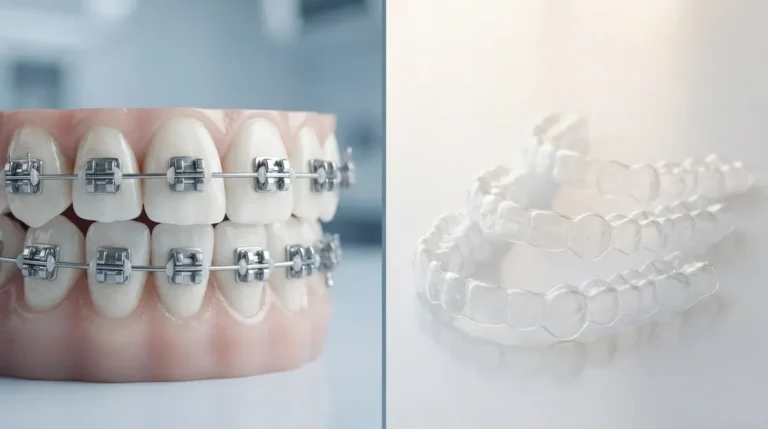
| Factor | Clear Aligners | Traditional Braces |
|---|---|---|
| Visibility | Nearly invisible | Visible metal or clear brackets |
| Removability | Removable for eating and cleaning | Fixed in place throughout treatment |
| Best for | Mild to moderate cases | Mild to severe/complex cases |
| Compliance needed | High—must wear 20-22 hrs/day | Low—works even without extra effort |
| Food restrictions | None, just remove trays first | Some sticky/hard foods to avoid |
If you’re still deciding, our detailed comparison on Braces vs. Clear Aligners: Which Is Right for You? can help you weigh the options with confidence.
Getting Started with Clear Aligner Treatment
So, do clear aligners really work? For most people with mild to moderate orthodontic concerns, the answer is a confident yes—especially with professional guidance and consistent daily wear. The key is getting an honest evaluation from someone who can look at your full smile picture, not just guess from a few photos online.
If you’re in the Lakewood Ranch, Bradenton, or Sarasota area and wondering whether aligners are right for you, we’d love to help. Our team uses advanced orthodontic technology to map out a plan built around your smile, your schedule, and your budget. We also offer flexible orthodontic financing so cost doesn’t have to stand between you and a smile you love.
Want to see what real patients say about their experience? You can visit us on Google — Segovia Orthodontics to read honest reviews from families right here in Lakewood Ranch. You can also follow along with real smile transformations on our Facebook page or check out before-and-after photos on our Instagram page.
Ready to find out if clear aligners could work for your smile? Request an appointment with our friendly team today, or feel free to contact us with any questions. You can also simply call us at 941-557-1333, and we’ll help you take that exciting first step toward your best smile yet.
FAQs
Q: Do clear aligners work as well as braces?
A: For many mild to moderate cases, yes! Clear aligners can be just as effective as braces. But for more complex movements like big rotations or major bite issues, braces sometimes offer more control. That’s why a proper evaluation matters so much before you decide.
Q: How many hours a day do I need to wear clear aligners?
A: Most orthodontists recommend wearing your aligners 20 to 22 hours every day. That leaves plenty of time for meals, brushing, and flossing. The more consistent you are, the smoother and faster your treatment tends to go.
Q: Why might my teeth not be tracking with my aligners?
A: Sometimes a tray just doesn’t sit as snugly as expected, even when you’re doing everything right. This is called tracking trouble, and it’s totally fixable. Your orthodontist can prescribe a quick refinement phase to get things back on course.
Q: Are clear aligners effective for severe crowding or bite problems?
A: They can help with many cases, but severe crowding or complex bites sometimes need extra support. That might mean small attachments, rubber bands, or even combining aligners with braces for certain teeth. Your orthodontist will map out the best plan for your unique smile.
Q: Do I need an orthodontist to supervise clear aligner treatment?
A: We definitely recommend it! Professional supervision helps catch small issues before they become bigger problems. A trained orthodontist can also spot which movements are trickier to predict and adjust your plan along the way.
Our Service Area