Key Takeaways
-
The American Association of Orthodontists recommends an orthodontic evaluation by age 7, even if teeth look straight, to catch jaw growth problems and guide development early.
-
Most children start full braces between ages 10 and 14 once permanent teeth have arrived, but timing varies based on individual growth patterns and specific dental needs.
-
Modern braces options like WildSmiles (fun-shaped brackets) and LightForce (3D-printed custom brackets with 45% faster treatment) can improve children's compliance and comfort during orthodontic care.
-
Phase 1 early treatment targets specific problems like crossbites or severe crowding while baby teeth remain, potentially preventing bigger issues or shortening comprehensive treatment later.
-
Proper hygiene during braces—brushing after meals, using floss threaders, and avoiding sticky foods—prevents cavities and broken brackets that can delay treatment.
-
Many Florida dental insurance plans cover pediatric orthodontics; families should contact their provider directly and ask about flexible payment plans offered by practices like Segovia Orthodontics.
Every parent wants to make the right call for their child’s smile. But when it comes to pediatric braces in Lakewood Ranch, timing can feel confusing. Should you wait? Should you act now? Take a breath, because you’re in the right place to figure this out.
At Segovia Orthodontics, we meet families every week who have the same questions you do. Dr. Flor Segovia has guided hundreds of kids through their orthodontic journey, and she knows every smile tells its own story. This guide will walk you through everything you need to know about pediatric braces, from that first checkup to the day the braces come off.
When Should Your Child First See an Orthodontist?
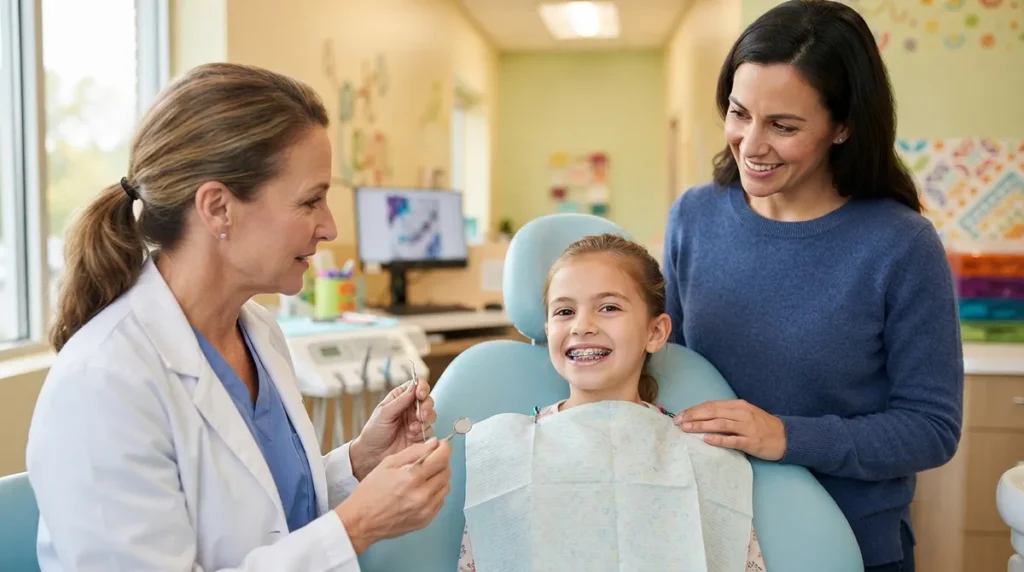
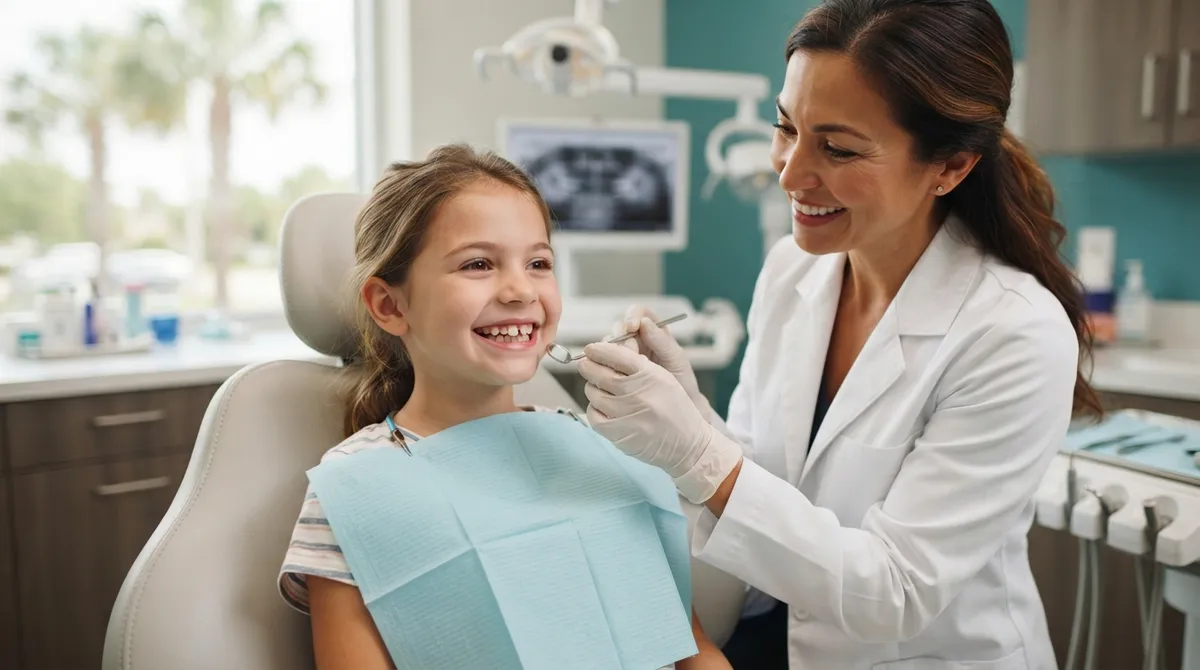
Here’s a fact that surprises a lot of parents: the American Association of Orthodontists recommends an orthodontic evaluation by age 7. That’s much younger than most people expect braces to start.
Don’t worry, this doesn’t mean your 7-year-old is getting braces next week. This early visit is simply a check-up. It helps an orthodontist spot problems while your child still has a mix of baby teeth and adult teeth coming in. Think of it like an early warning system for your child’s smile.
During this visit, the orthodontist looks for things like:
- Crowded or crooked teeth starting to show
- Jaws that don’t line up quite right
- Baby teeth that fell out too early or too late
- Habits like thumb-sucking that could affect tooth position
- Bite problems, such as an overbite or underbite
If everything looks fine, that’s wonderful news! The orthodontist may simply suggest checking back in a year or two. If something needs attention, catching it early can make a big difference. Learn more about what happens at your child’s first orthodontic visit so you both feel prepared.
What’s the Best Age for Braces?
Most kids who need full braces start treatment between ages 10 and 14. By this age, most permanent teeth have come in, giving the orthodontist a clearer picture of what needs fixing.
But here’s the thing: every child grows at their own pace. The right age depends on a few things:
- How many permanent teeth have already come in
- How the jaw is growing and developing
- How severe the bite or spacing issue is
- Whether your child can keep up with brushing and following instructions
This is why a one-size-fits-all answer doesn’t exist. Your child’s orthodontist will look at their specific mouth and growth pattern before suggesting a start date. Curious about common issues that might come up along the way? Check out this guide on common orthodontic problems in kids.
Understanding Phase 1 vs. Comprehensive Treatment
You might hear the term “Phase 1 treatment” or “early treatment” and wonder what it means. Let’s break it down simply.
Phase 1: Early Intervention
Phase 1 treatment happens while your child still has some baby teeth. It’s not for every child, but it can help with specific problems, such as:
- A crossbite (when top and bottom teeth don’t line up correctly)
- Severe crowding that’s causing pain or other issues
- A very deep overbite or underbite
- Jaw growth that’s off track
- Teeth lost too soon due to injury or decay
The goal of early orthodontic treatment is to guide the jaw and make room for adult teeth. It can sometimes prevent bigger problems down the road, or make later treatment shorter and simpler.
Comprehensive Treatment
This is what most people picture when they think of braces. It usually starts once most or all permanent teeth have arrived, generally between ages 10 and 14. This full treatment straightens teeth and corrects the bite for the long haul.
Not every child needs Phase 1 treatment. Many kids do just fine waiting until they’re older and going straight into comprehensive treatment. That’s why regular check-ins with an orthodontist matter so much, even if braces aren’t needed yet.
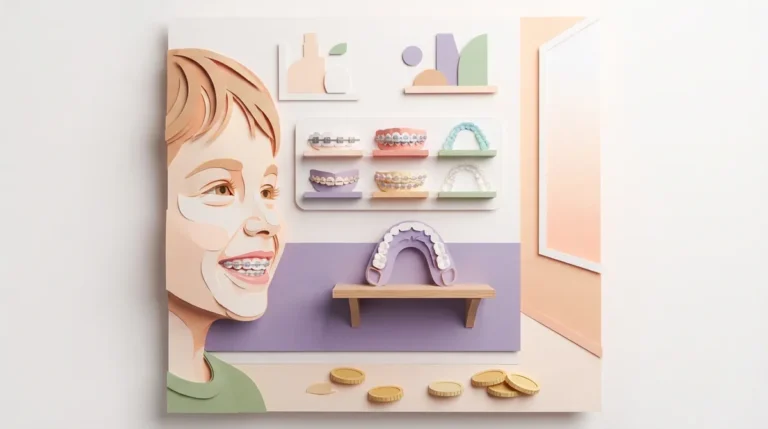
Types of Pediatric Braces Available
Good news: braces today look and feel very different from years ago. Families in Lakewood Ranch have several great options to choose from, depending on what fits your child’s needs and personality.
| Braces Option | Best For | Fun Factor |
|---|---|---|
| Traditional Metal Braces | Most bite and alignment issues | Colorful bands, customizable |
| WildSmiles Braces | Kids who want a fun twist on braces | Star, heart, and Disney-themed brackets |
| LightForce Braces | Kids and teens wanting a custom, faster fit | Digitally designed for each tooth |
| Clear Aligners | Older kids and teens with mild to moderate cases | Nearly invisible, removable |
One option many families love is WildSmiles Braces. These brackets come in fun shapes like stars, hearts, footballs, and even Mickey Mouse designs. When kids feel excited about their braces, they’re more likely to brush well and stick with their treatment plan. Plus, the unique shapes make it easier to spot leftover plaque, so brushing checks become a fun little game instead of a chore.
For families wanting cutting-edge technology, LightForce Orthodontics offers fully custom, 3D-printed brackets designed to match your child’s teeth exactly. This can mean more comfort and treatment times that are up to 45% faster than traditional methods. Dr. Segovia can make real-time digital adjustments, so your child’s treatment stays precise from start to finish.
Want to explore all the choices in more detail? Take a look at our full breakdown of types of braces available for kids and teens.
What Happens During a Pediatric Orthodontic Consultation?
Walking into that first appointment can feel a little nerve-wracking for both parents and kids. Knowing what to expect helps everyone relax.
A typical consultation includes:
- A friendly chat about your child’s dental and medical history
- A hands-on exam of the teeth, gums, and bite
- A look at how the jaw and face are growing
- Checking how teeth are coming in and if there’s enough space
- X-rays or digital images, if needed, to see what’s happening beneath the surface
You don’t need a referral from your dentist to book this visit. That said, it’s smart to keep your family dentist in the loop. They can help manage cavities or gum health issues alongside your child’s orthodontic care. Not sure what questions to bring? Here’s how to ask the right orthodontic questions at your visit.
How to Choose the Right Orthodontist for Your Child
Picking the right orthodontist is a big decision. Here are some things worth comparing as you search:
- Credentials: Is the orthodontist board-certified? This shows extra training beyond dental school.
- Experience with kids: Does the practice have a warm, kid-friendly environment?
- Technology: Do they use modern tools like digital scanning and 3D imaging?
- Emergency care: What happens if a bracket breaks on a Saturday?
- Scheduling: Do appointment times work with school and after-school activities?
- Treatment options: Do they offer more than one type of braces or aligners?
- Cost and insurance: Are fees and payment plans clearly explained?
Dr. Flor Segovia is a board-certified orthodontist, meaning she has met the rigorous standards set by the American Board of Orthodontics. She also offers bilingual care in English and Spanish, which many families in our community appreciate. Learn more about Dr. Flor Segovia and her approach to gentle, family-focused care.
Want to see what other families think? You can visit us on Google — Segovia Orthodontics to read real reviews from Lakewood Ranch families just like yours.
Understanding Costs and Insurance for Kids’ Braces
Let’s talk money, because it matters. There’s no single “average price” that applies to every child, since costs depend on several factors:
- How complex the treatment is
- How long treatment will take
- The type of braces chosen (metal, clear, or aligners)
- Diagnostic records like X-rays and scans
- Retainers needed after braces come off
Many dental insurance plans in Florida offer some coverage for orthodontic treatment, especially for children. It’s worth calling your insurance provider to ask about your specific plan’s benefits. Our office can also help you understand your options for orthodontic financing, including flexible payment plans that spread out the cost over time.
Don’t let cost worries stop you from getting that first evaluation. Many practices, including ours, want to make this process as stress-free as possible for your family.
Keeping Braces Clean: Hygiene Tips for Kids
Good hygiene habits matter more than ever once braces go on. Brackets and wires create extra spots where food and plaque can hide. Here’s how to help your child keep their smile healthy during treatment:
- Brush after every meal, angling the brush to reach around brackets and wires
- Use floss threaders or special orthodontic floss to clean between teeth
- Avoid sticky, chewy, or hard foods that can bend wires or pop off brackets
- Keep up with regular dental cleanings, even during orthodontic treatment
- Follow the orthodontist’s care instructions closely
Skipping these steps can lead to cavities, swollen gums, or broken brackets, which can delay treatment. A little daily effort goes a long way toward a healthy, beautiful smile at the finish line.
What If a Bracket Breaks or a Wire Pokes?
Braces emergencies happen, and it’s totally normal to feel a bit panicked the first time. Here’s a quick game plan:
- Stay calm. Most issues are minor and can wait until the next business day.
- Use orthodontic wax to cover a poking wire and ease discomfort.
- Save any broken pieces and bring them to your appointment.
- Call your orthodontist’s office to ask if you need to come in sooner.
Our team is always ready to help. If something feels urgent, don’t hesitate to reach out about an orthodontic emergency so we can guide you through next steps.
Life After Braces: Retainers Matter
Getting braces off is such an exciting day! But the journey isn’t quite over. Teeth naturally want to drift back toward their old positions, which is why retainers are so important.
Your child will likely need to wear a retainer full-time at first, then just at night as things settle. Skipping retainer wear is one of the most common reasons smiles shift after treatment. Learn more about orthodontic retainers and how to care for them properly.
Why Families Trust Segovia Orthodontics
At Segovia Orthodontics, we believe every child deserves a smile that makes them proud. Dr. Segovia combines advanced orthodontic technology with a warm, welcoming approach that puts nervous kids at ease.
We also love sharing our patients’ smiles and updates with the community. Follow along on our Facebook page or check out our Instagram page to see real smile transformations and behind-the-scenes moments from our Lakewood Ranch office.
Want to know why so many local families choose us? Read more about why families choose Segovia Orthodontics for their children’s care.
Your Next Step Toward a Confident Smile
Pediatric braces are a journey, not a race. Whether your child is 7 and just starting their first evaluation, or 12 and ready for full treatment, the most important step is simply getting started. Every smile begins with a single appointment.
Ready to see what’s possible for your child’s smile? Request an appointment today, or feel free to call us at 941-557-1333 with any questions. Our friendly Lakewood Ranch team is here to guide your family every step of the way.
FAQs
Q: What is the best age for a child to get braces in Lakewood Ranch?
A: Most kids start full braces between ages 10 and 14, once most permanent teeth have come in. But every child grows differently, so the real answer comes from an orthodontist looking at your child’s specific teeth and jaw growth. That’s why an early check-up around age 7 is so helpful!
Q: Does my child need an orthodontic evaluation at age 7 if their teeth look straight?
A: Yes, and here’s why: some issues, like jaw growth problems, hide beneath the surface even when teeth look fine. This quick, easy visit helps catch anything tricky while there’s still time to guide growth. Think of it as cheap insurance for your child’s future smile.
Q: Does dental insurance cover children’s braces in Florida?
A: Many dental insurance plans do offer some orthodontic coverage for kids, though benefits vary widely by plan. We recommend calling your insurance provider directly to ask about your coverage details. Our team can also help walk you through financing options that make treatment more affordable.
Q: What’s the difference between Phase 1 and comprehensive orthodontic treatment?
A: Phase 1 treatment happens early, often while baby teeth are still around, and it targets specific problems like crossbites or severe crowding. Comprehensive treatment is the full braces experience most people picture, usually starting once most permanent teeth have arrived. Not every child needs Phase 1, but regular check-ins help your orthodontist decide what’s right.
Q: What should I do if my child’s bracket breaks or a wire starts poking?
A: First, don’t panic! Cover any poking wire with orthodontic wax to ease discomfort, and save any broken pieces. Then give your orthodontist’s office a call so they can tell you whether it’s okay to wait for your next visit or if you should come in sooner.
Our Service Area