Key Takeaways
-
Intraoral scanners eliminate messy putty impressions by using a handheld wand to capture hundreds of images that create a 3D digital model of your teeth in just minutes, making visits faster and more comfortable.
-
Digital scans enable direct electronic transfer to labs and software systems, eliminating shipping delays and physical model remakes, which significantly speeds up aligner and retainer fabrication.
-
Research confirms intraoral scanners provide clinically acceptable accuracy for most orthodontic uses, with generally better results for single-tooth and front-tooth applications compared to back molars.
-
Real-time 3D visualization on screen allows orthodontists to point out crowding, gaps, and bite issues directly to patients, enabling clearer communication about treatment plans versus traditional verbal explanations.
-
Scanners cannot replace X-rays, CBCT scans, or clinical exams, as they only show surface tooth and gum visibility and cannot assess root position, bone levels, or jaw structure.
-
Upfront equipment costs and staff training requirements make traditional impressions more cost-effective for some orthodontic practices, though digital workflows offer superior comfort and data integration benefits.
Remember gagging on a tray of gooey dental putty? Good news: those days are fading fast. Today, many orthodontic offices use a small handheld wand called an intraoral scanner to capture a digital picture of your teeth in just a few minutes. No mess, no gagging, no waiting around for material to set. If you’re a parent booking your child’s first visit, a busy professional squeezing in an appointment on your lunch break, or an adult finally ready to fix that old relapse, this piece will walk you through exactly what an intraoral scanner does and why it matters for your treatment.
At Segovia Orthodontics in Lakewood Ranch, Dr. Flor Segovia and her team use advanced orthodontic technology to make your visits faster, more comfortable, and more accurate. Let’s break down how this handy little device works and why it might be one of the best parts of your orthodontic journey.
What Is an Intraoral Scanner?
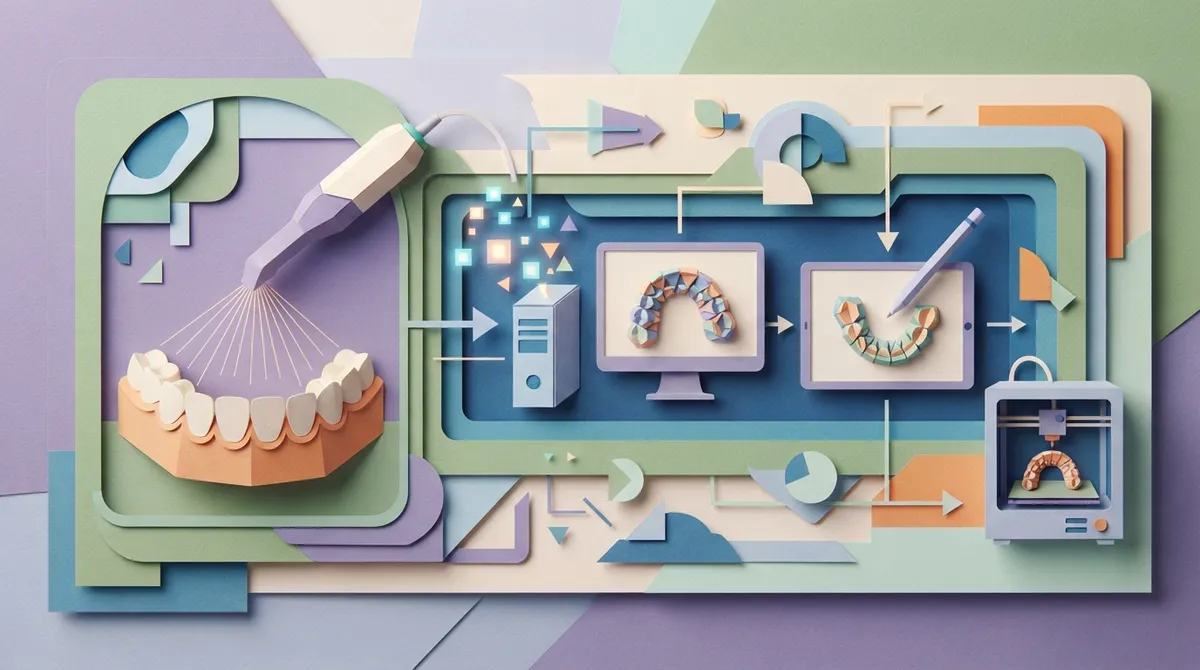
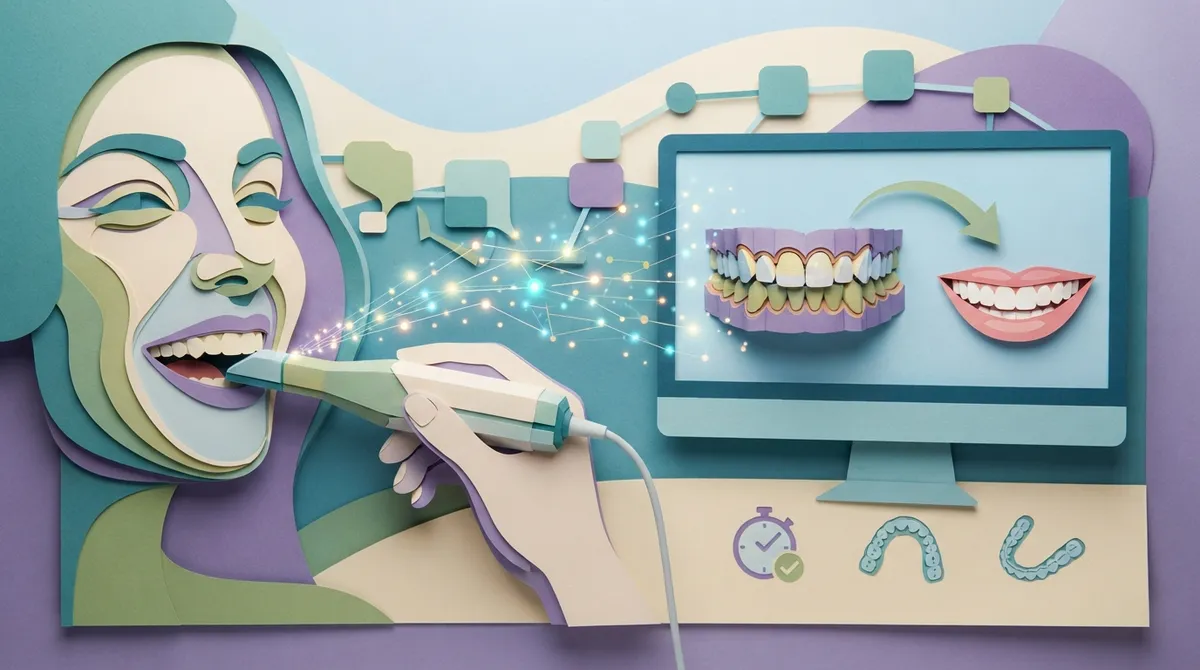
An intraoral scanner is a small wand-like camera. It takes hundreds of tiny pictures inside your mouth. A computer then stitches those pictures together into a 3D digital model of your teeth, gums, and bite. Think of it like a fast, gentle video scan instead of biting down on a tray of goo.
In orthodontics, this digital model becomes the starting point for almost everything. It helps your orthodontist plan your treatment, design your clear aligners, create custom retainers, and even track your progress over time. The scan can be sent electronically to a lab, which means less waiting and fewer steps between your appointment and your new smile.
How It Works, Step by Step
Here’s a simple breakdown of what happens during a scan:
- Your orthodontist or assistant gently glides the scanner wand over your teeth.
- The device captures images of your tooth surfaces, gum line, and bite pattern.
- Software combines these images into one detailed 3D model.
- The team reviews the digital model on a screen right in front of you.
- If anything looks unclear or missing, they simply rescan that one spot, no need to start over.
The whole process usually takes just a few minutes. Compare that to old-school impressions, which could take much longer and often needed a redo if the tray moved.
Why Intraoral Scanners Matter for Your Treatment
This isn’t just about comfort, though that matters a lot. Digital scanning changes how treatment gets planned and delivered.
Better Comfort for Nervous Patients and Kids
If you’ve got a sensitive gag reflex or a child who dreads dental visits, this technology is a game changer. There’s no thick, chalky material sitting in your mouth for minutes at a time. Many parents tell us their kids actually think the scanner wand is kind of cool, almost like a video game. This matters when you’re trying to build good habits for years of early orthodontic treatment or ongoing checkups.
Faster Turnaround for Busy Schedules
For career-focused adults who can’t afford long chair time, digital scans often speed things up. The images transfer straight to the lab or software system, cutting out the shipping and remaking steps that come with physical molds. That means fewer surprises and fewer extra visits.
Sharper Accuracy for Aligners and Retainers
When it comes to fitting clear aligners or a custom orthodontic retainer, precision counts. A 2025 umbrella review that looked at multiple systematic reviews found that intraoral scanners show high accuracy, especially for single-tooth and quadrant-level applications, while generally reducing procedure time and improving comfort compared to older methods. That said, accuracy can vary by scanner brand, technique, and how complex your case is.
Real-Time Visual Communication
Here’s something patients love: you can actually see your teeth on the screen right after scanning. Your orthodontist can point out crowding, gaps, or bite issues directly on the 3D model. This makes it much easier to understand your treatment plan instead of just hearing about it.
Intraoral Scanners vs. Traditional Impressions
Let’s compare the two approaches so you can see the differences clearly.
| Feature | Intraoral Scanner | Traditional Impression |
|---|---|---|
| Comfort | No gag-inducing material; quick and gentle | Thick putty tray held in mouth for minutes |
| Time Needed | Usually a few minutes per arch | Can take longer, with possible redos |
| Accuracy | Clinically acceptable for most orthodontic uses; varies by device and case | Reliable but sensitive to material handling and technique |
| Data Transfer | Sent electronically to labs instantly | Physical models must be packaged and shipped |
| Storage | Digital files stored securely, no physical space needed | Requires shelf space for plaster models |
| Best For | Aligners, retainers, progress monitoring, most dentate patients | Certain complex cases where digital scanning may be limited |
Research backs up much of this. A 2024 review of orthodontic digital-scanning studies looked at 35 relevant papers and found generally satisfactory to excellent reproducibility, improved comfort, and shorter chairside workflows. However, the same review noted that comparisons of pure accuracy versus traditional impressions remain somewhat inconclusive, meaning both methods can work well depending on the situation.
Common Questions About Accuracy
Accuracy in dentistry gets measured two ways: trueness and precision. Trueness means how closely the scan matches your actual teeth. Precision means how consistent the scanner is if it repeats the same scan multiple times.
Several things can affect how accurate a scan turns out:
- Saliva or moisture on the teeth during scanning
- Crowded or overlapping teeth
- Shiny or reflective tooth surfaces
- Existing braces, brackets, or wires in the mouth
- The scanning path and technique used by the operator
- Software version and scanner brand
A systematic review of full-arch digital impressions that screened 612 studies and included 15 full-arch scan studies found that accuracy tends to be better in the upper front teeth compared to the back molars. Small deviations were more common around the gum line and palatal areas near the first molars. This is why an experienced orthodontist knows how to adjust technique to get the clearest possible scan, especially in tricky areas.
What Intraoral Scanners Can’t Replace
As helpful as this technology is, it isn’t a complete substitute for other diagnostic tools. A digital scan shows the visible parts of your teeth and gums beautifully, but it can’t see below the surface.
Here’s what still requires other tools:
- X-rays: Needed to check root position, bone levels, and hidden decay
- CBCT scans: Used for 3D imaging of jaw structure and impacted teeth
- Clinical exams: Your orthodontist still needs to physically check your bite, jaw movement, and gum health
- Photographs: Standard dental photos help track facial and smile changes over time
Think of the intraoral scanner as one powerful tool in a bigger toolbox. Your orthodontist combines it with these other methods to build a full and accurate treatment plan.
How Scanning Fits Into Your Treatment Journey
Whether you’re starting teen orthodontic treatment or exploring adult orthodontics after years of wishing you’d worn your retainer, the scanning process usually looks like this:
- Initial Consultation: Your orthodontist reviews your smile goals and takes a digital scan to see your current tooth positions.
- Treatment Planning: The 3D model helps design your braces or aligner sequence with precision.
- Appliance Fabrication: For clear aligners like Angel Aligners, the scan data goes straight into digital planning software to map out each tray in your series.
- Progress Monitoring: Follow-up scans track how your teeth are moving and confirm you’re on schedule.
- Retainer Design: Once treatment wraps up, a final scan helps create a custom-fit retainer to protect your results.
For adults who had braces years ago and are now dealing with shifted teeth, this fast, comfortable process makes it much easier to jump back into treatment without dreading the appointment. If you’re considering a refresh, our adult orthodontics page has more details on what to expect.
Why This Matters for Every Type of Patient
Different patients get different benefits from digital scanning technology:
- Parents: Fewer tears, less mess, and a quicker visit that fits into a packed school and activity schedule.
- Young professionals: A faster, more discreet path toward clear aligner treatment without long chair times cutting into your workday.
- Life event planners: Accurate scans help create a realistic timeline, so you know if your smile will be ready for that wedding or graduation.
- Adults returning to treatment: A quick, comfortable scan makes it easy to jump back in and finally fix that relapse for good.
No matter which group you fall into, the goal is the same: a smoother, more predictable path to a smile you feel good about.
Practical Considerations for Orthodontic Practices
While patients enjoy the benefits, it’s worth knowing that offices investing in this technology take on some real costs and responsibilities. A 2025 orthodontic narrative review pointed out that digital impressions offer strong comfort and data-integration advantages, but the upfront cost of the equipment and the learning curve for staff remain genuine challenges. Traditional impressions can still be more cost-effective in select situations.
A well-run digital workflow includes:
- Routine scanner calibration and cleaning between patients
- Proper moisture and lip retraction during scanning
- A consistent, practiced scanning path for the best results
- Careful review of the scan before sending it off for aligner or retainer fabrication
- Secure storage and transfer of your digital dental records
This is one reason working with a board certified orthodontist matters. Certification through the American Board of Orthodontics means your provider has met rigorous standards for training and skill, which translates into better use of tools like intraoral scanners.
What to Expect at Your Appointment
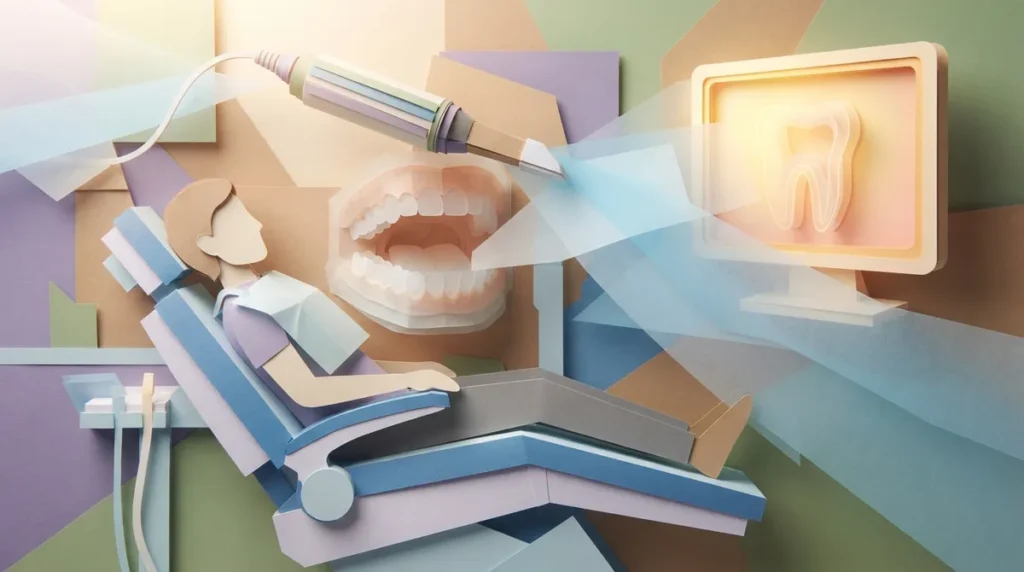
If this is your first time getting scanned, here’s what usually happens. You’ll sit back in the chair just like a normal checkup. The orthodontic assistant will use the wand to glide over your upper teeth first, then your lower teeth, and sometimes capture your bite together. You might feel a little pressure on your cheeks from the retractors, but there’s no biting or holding a tray in place.
Many patients say it’s honestly kind of fun to watch their teeth appear on the screen in real time. If you want to know more about what your first visit involves, check out our guide on the first orthodontic visit.
Ready to Experience Digital Scanning for Yourself?
Intraoral scanners have made orthodontic visits faster, more comfortable, and more precise for patients of every age. Whether you’re bringing in your child for their first evaluation, exploring discreet aligner options before a big event, or finally addressing a smile that shifted after your teenage braces, this technology helps your orthodontist build a clear, accurate plan from day one.
At Segovia Orthodontics in Lakewood Ranch, Dr. Flor Segovia and her team combine this modern scanning technology with a warm, family-friendly approach to care. We’d love to show you how comfortable and simple your next orthodontic visit can be. Feel free to contact us with any questions, or go ahead and request an appointment to get started. You can also call us at 941-557-1333 to speak with our friendly front desk team directly.
Want to see what other families in Lakewood Ranch are saying? Visit us on Google — Segovia Orthodontics to read real patient reviews, or follow along with our smile transformations on our Facebook page and our Instagram page. We can’t wait to welcome you into our office and start your smile journey the modern way.
FAQs
Q: What is an intraoral scanner in orthodontics?
A: It’s a small handheld wand that takes digital pictures inside your mouth to build a 3D model of your teeth. Instead of biting into messy putty, your orthodontist gently scans your teeth in just a few minutes. That digital model then guides your treatment plan, aligners, or retainers.
Q: Are intraoral scans more accurate than traditional dental impressions?
A: It really depends on the case and the scanner used. Current research shows digital scans are generally clinically acceptable and often just as reliable as traditional impressions, especially for single teeth or smaller areas. For full-arch scans, accuracy can vary a bit more in the back molars, but overall the results are solid for most orthodontic needs.
Q: Are intraoral scanners suitable for children and patients with braces?
A: Absolutely, and many kids actually enjoy the process! Scanners are gentle, quick, and skip the gag-inducing goo of old-school impressions. They can also scan around existing braces or wires, though your orthodontist may need extra care and a few more passes to capture everything clearly.
Q: How long does an orthodontic intraoral scan take?
A: Most scans only take a few minutes per arch, so the whole appointment often wraps up faster than a traditional impression. Your orthodontic team will glide the wand over your teeth, check the digital image on screen, and rescan any spot that needs a little more detail.
Q: Can an intraoral scanner replace orthodontic X-rays or CBCT scans?
A: No, and that’s totally normal. Scanners capture what’s visible on the surface, like your teeth and gums, but they can’t see root positions or bone levels underneath. Your orthodontist will still use X-rays or CBCT scans when needed to get the full picture before creating your treatment plan.
Our Service Area