Key Takeaways
-
Teeth naturally shift back after orthodontic treatment due to ligaments and bone movement, making lifelong retainer wear (especially nightly) essential to prevent relapse and protect your investment.
-
Wear your retainer full-time for the first 3-6 months, then transition to nighttime-only wear indefinitely; research shows part-time nighttime wear is as effective as full-time wear for long-term retention.
-
Schedule your first retention checkup within 3 months of finishing treatment, then have 2-4 follow-up visits during the first 1-2 years, with annual visits thereafter to catch small shifts before they become major problems.
-
Teeth can begin shifting within just a few weeks of skipping retainer wear, but mild relapse caught early can often be corrected with a new retainer alone rather than requiring full retreatment.
-
Maintain daily oral hygiene by brushing twice with fluoride toothpaste, flossing daily, and cleaning your retainer weekly with lukewarm water and a soft brush to protect both your smile alignment and overall gum health.
-
Even years after treatment ends, aging, gum recession, and tooth loss can cause subtle alignment shifts, making lifelong monitoring through yearly dental checkups and consistent retainer wear important for maintaining results.
You did it. The braces are off, or your last aligner tray is finished, and your smile is finally where you want it. But here’s a little secret nobody tells you loud enough: getting your teeth straight is only half the journey. Keeping them that way is the other half, and it lasts a lot longer than most people expect. Long term orthodontic care is what protects all that hard work, time, and money you just invested in your smile.
Whether you’re a busy mom juggling school pickups and orthodontist appointments, a young professional who just finished clear aligners before a big promotion, or someone who had braces as a teen and is now dealing with shifting teeth again, this guide is for you. We’ll walk through exactly what long term orthodontic care looks like, why it matters so much, and how to make it simple to stick with. Grab a cup of coffee, and let’s get into it together.
What Is Long Term Orthodontic Care, Really?
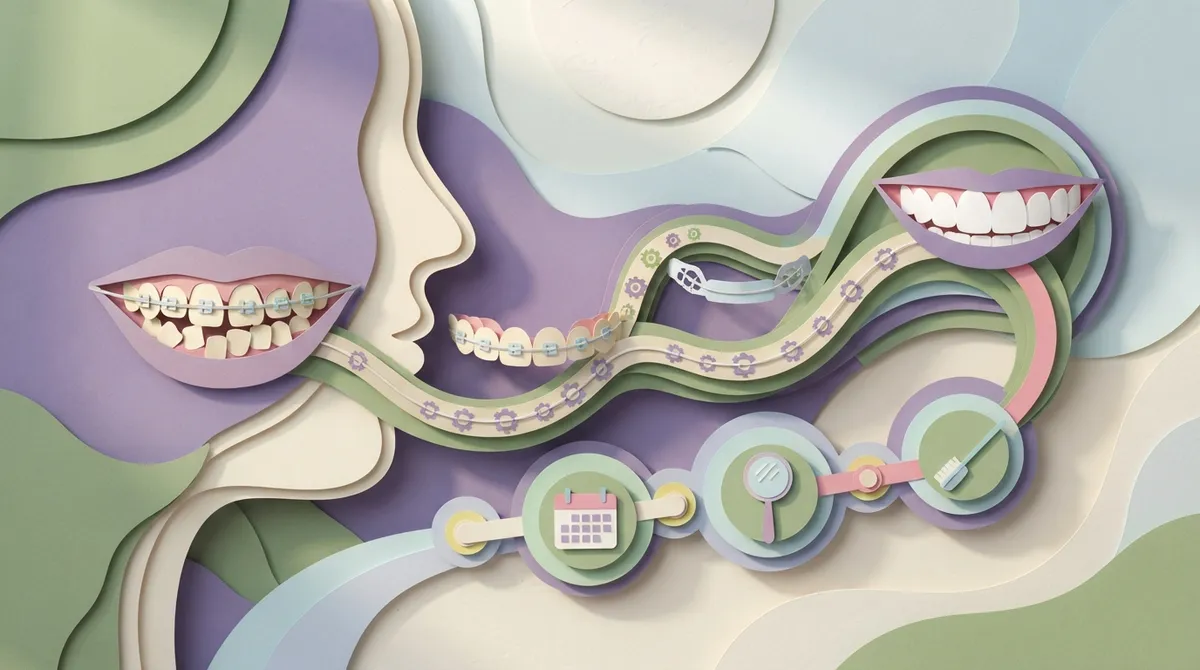
Long term orthodontic care is everything you do after your active treatment ends. It includes wearing your retainer, keeping up with checkups, and practicing good oral hygiene. Think of it as the maintenance plan that keeps your smile looking as good in ten years as it does today.
Many people assume once the braces come off, they’re finished. Sadly, that’s not how teeth work. Teeth are surrounded by ligaments and bone that naturally want to shift back over time. That’s why orthodontists like Dr. Flor Segovia at Segovia Orthodontics always talk about retention as part of the full treatment plan, not an afterthought.
Why Retention Matters So Much
Orthodontic retention is considered essential for keeping your teeth stable after treatment. Regular follow-up visits help your orthodontist catch any small shifts before they become big problems. Skipping this step is one of the most common reasons people see their smile slowly change back.
- Teeth can drift even years after treatment ends
- Bone and gum tissue need time to fully stabilize around new tooth positions
- Retainers hold your teeth in place while that stabilization happens
- Regular checkups catch small problems before they turn into big ones
- Good habits now save you from repeat treatment later
How Long Do You Actually Need to Wear a Retainer?
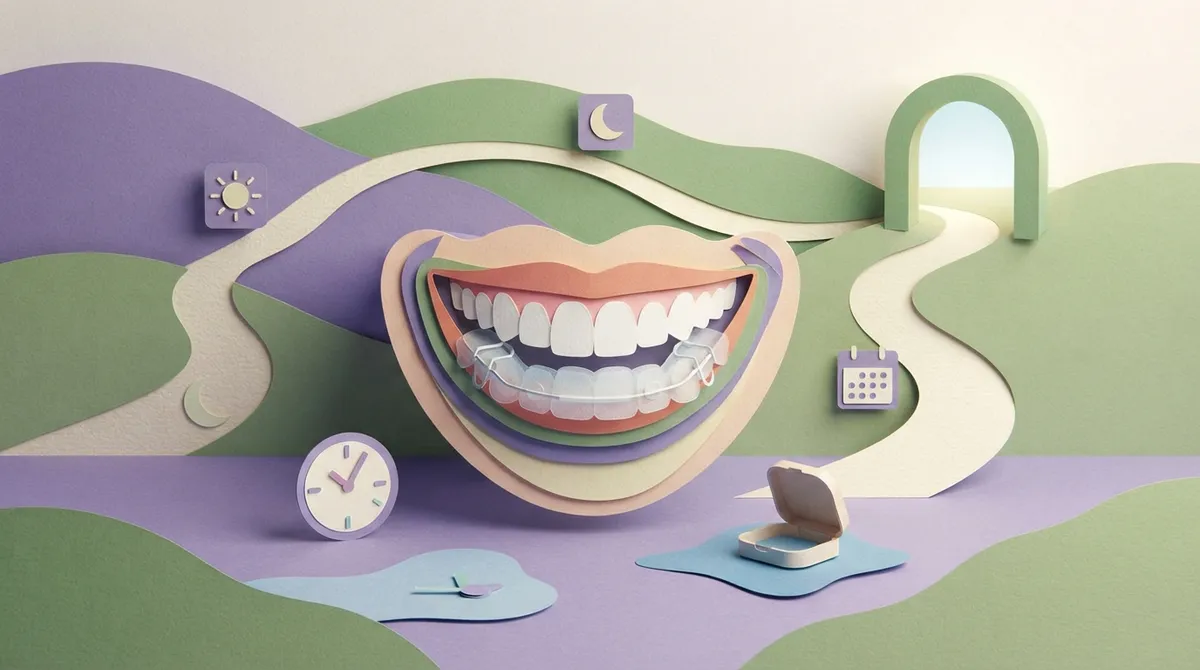
This is probably the most common question orthodontists hear. The honest answer is longer than you’d like. Many orthodontists now recommend long term or even lifelong retainer wear, especially at night, to keep teeth from shifting.
Here’s some good news, though. Research published in the British Dental Journal found that part-time wear of removable retainers can work just as well as full-time wear for long-term retention. That means you likely won’t be stuck wearing your retainer around the clock forever. Most people move to nighttime-only wear after the first several months.
A General Retainer Wear Timeline
- First 3 to 6 months: Wear your retainer as instructed, often close to full-time
- Months 6 to 12: Many patients shift to nighttime-only wear
- Year 1 and beyond: Continue nighttime wear, often indefinitely, to protect your results
- Ongoing: Replace retainers as needed if they wear out, crack, or stop fitting
If you’re not sure what schedule fits your situation, take a look at our guide on orthodontic retainers or ask during your next visit.
What Happens If You Stop Wearing Your Retainer?
We get it. Life gets busy, and sometimes that little retainer case gets left in a drawer. But skipping retainer wear is the number one cause of orthodontic relapse. Teeth can start moving within just a few weeks of inconsistent wear.
Some patients don’t notice anything at first. Then months later, they realize their bottom teeth look crowded again, or there’s a small gap reopening. This is completely normal biology, but it’s also completely preventable with consistent retainer habits.
- Mild shifting can often be corrected with a new retainer alone
- More significant relapse may require a short round of clear aligners
- Waiting too long can mean needing full retreatment
- Fixed retainers can also crack or detach without you noticing right away
Building a Long Term Oral Hygiene Routine
Straight teeth are only part of the goal. Healthy gums and strong enamel matter just as much for long term orthodontic care. Whether you finished with traditional metal braces, WildSmiles Braces, or clear aligners, your daily habits now protect your results for decades.
Daily Habits That Protect Your Smile
- Brush twice daily using a fluoride toothpaste
- Floss once a day, especially around retainer wires if you have a fixed retainer
- Rinse removable retainers with lukewarm water, never hot
- Clean retainers with a soft brush and non-abrasive cleaner weekly
- Avoid chewing gum or hard foods while wearing aligners or retainers
- Store removable retainers in their case whenever they’re out of your mouth
Believe it or not, this is one area where WildSmiles brackets actually helped kids and teens build better habits during treatment. Their unique shapes make it easier to see whether brushing was thorough, giving families a fun way to track oral hygiene together.
How Often Should You See an Orthodontist After Treatment?
Clinical guidelines suggest scheduling your first retention check within three months of getting your retainer. After that, most patients need two to four follow-up visits during the first one to two years, depending on how things are progressing and whether you’re transitioning back to your general dentist for monitoring.
| Time After Treatment | Recommended Check-Up Frequency | What Your Orthodontist Checks |
|---|---|---|
| 0 to 3 months | First retention visit | Retainer fit, initial stability |
| 3 months to 1 year | 2 to 4 visits | Tooth position, retainer condition |
| 1 to 5 years (higher risk cases) | Every 6 to 12 months | Long-term stability, gum health |
| 5+ years | Annually | Ongoing maintenance, retainer replacement needs |
Don’t forget your regular dental cleanings, too. Most dentists recommend visits every six months to monitor gum health and check for plaque buildup around your retainer.
Signs Your Retainer Needs Attention
Retainers don’t last forever, and knowing when to get a replacement is part of staying on top of long term orthodontic care.
- Your retainer feels loose or doesn’t snap into place like it used to
- You notice cracks, discoloration, or a bad smell that won’t go away with cleaning
- Your bite feels different when the retainer is in
- It’s been more than a year or two since your last retainer check
- You lost your retainer and haven’t replaced it yet
If any of these sound familiar, it’s time to schedule a visit. Our team can walk you through your options, including custom orthodontic retainers designed to fit your exact bite.
Long Term Care Looks Different for Every Patient
Not everyone needs the same maintenance plan. Here’s how long term orthodontic care might look for different life stages.
Parents of Kids and Teens
If your child finished early orthodontic treatment or teen orthodontic treatment, growth spurts can still shift things around. Keeping consistent checkups scheduled around school and sports is key.
Young Professionals
If you chose clear aligners for a discreet, career-friendly treatment, your retainer routine should be just as low-profile. Clear retainers worn at night are usually the easiest fit for a busy schedule.
Adults Returning After Relapse
If you had braces years ago and your teeth have shifted, you’re definitely not alone. Many adults come back for a refresher round of treatment, often using clear aligners, followed by a stronger commitment to retainer wear this time around.
Can Teeth Shift Years After Treatment?
Yes, and this is normal. Even patients who wore their retainers faithfully for years can see subtle changes decades later. Aging, gum recession, and even losing a tooth can all affect alignment. That’s why lifelong monitoring, even if it’s just a yearly dental check, is worth keeping on your calendar.
According to the American Board of Orthodontics, board-certified orthodontists are trained to recognize these subtle shifts early. Dr. Flor Segovia’s board certification means she has the specialized training to spot small changes before they become bigger issues.
Making Long Term Care Easy and Stress-Free
The best long term orthodontic care plan is one you can actually stick with. Here are a few simple tips that make a real difference.
- Keep your retainer case in the same spot every time, like your nightstand
- Set a phone reminder for nighttime retainer wear until it becomes automatic
- Bring your retainer to every dental cleaning so your dentist can check it
- Schedule your orthodontic follow-ups at the same time as other family appointments
- Replace worn retainers right away instead of waiting for problems to show up
At Segovia Orthodontics, our Lakewood Ranch team makes it easy to fit these habits into a busy life. We offer flexible scheduling and friendly reminders so retention never feels like a chore.
Why Choose a Family-Focused Practice for Long Term Care
Long term orthodontic care works best when you have a trusted team behind you. Dr. Flor Segovia is a board certified orthodontist who provides bilingual care and uses advanced orthodontic technology to track your progress accurately over time.
Whether you need a retainer check, a full evaluation, or you’re curious about options like clear aligners for a relapse fix, our Lakewood Ranch office is here for every step. You can also see what our Segovia Orthodontics patients are saying by checking our Facebook page or following along on our Instagram page for smile transformation stories and helpful tips.
Curious what other patients think? You can also visit us on Google — Segovia Orthodontics to read real reviews from families right here in Lakewood Ranch.
Your Smile Deserves a Lifelong Plan
Long term orthodontic care isn’t complicated, but it does require a little consistency. Wear your retainer as directed, keep up with your checkups, brush and floss daily, and don’t ignore small changes when they pop up. These simple habits protect years of hard work and keep your confidence intact.
If it’s been a while since your last retention check, or if you’re noticing your teeth aren’t quite where they used to be, now is the perfect time to reach out. Request an appointment with our Lakewood Ranch team today, or feel free to call us at 941-557-1333 to talk through your options. Your smile has come this far. Let’s keep it that way together.
FAQs
Q: How long do you need to wear a retainer after braces?
A: Most people wear their retainer close to full-time for the first several months, then switch to nighttime-only wear. Many orthodontists recommend continuing nighttime wear indefinitely to keep your smile stable for good.
Q: What happens if you stop wearing your retainer?
A: Your teeth can start shifting back within just a few weeks. Some people notice small gaps or crowding returning, and catching it early usually means an easier fix, so don’t wait too long to reach out if this happens to you.
Q: How often should you see an orthodontist after treatment?
A: Most patients need a check-up within three months of getting their retainer, followed by two to four more visits during the first year or two. After that, annual visits usually keep everything on track.
Q: Can teeth shift years after orthodontic treatment?
A: Yes, this happens more often than people think. Aging, gum changes, and even losing a tooth can cause small shifts, which is why staying consistent with retainer wear and checkups matters even years later.
Q: What is the best way to clean retainers?
A: Rinse your retainer with lukewarm water and clean it gently with a soft brush weekly. Avoid hot water and harsh chemicals, since they can warp the material and shorten its lifespan.
Our Service Area