Key Takeaways
-
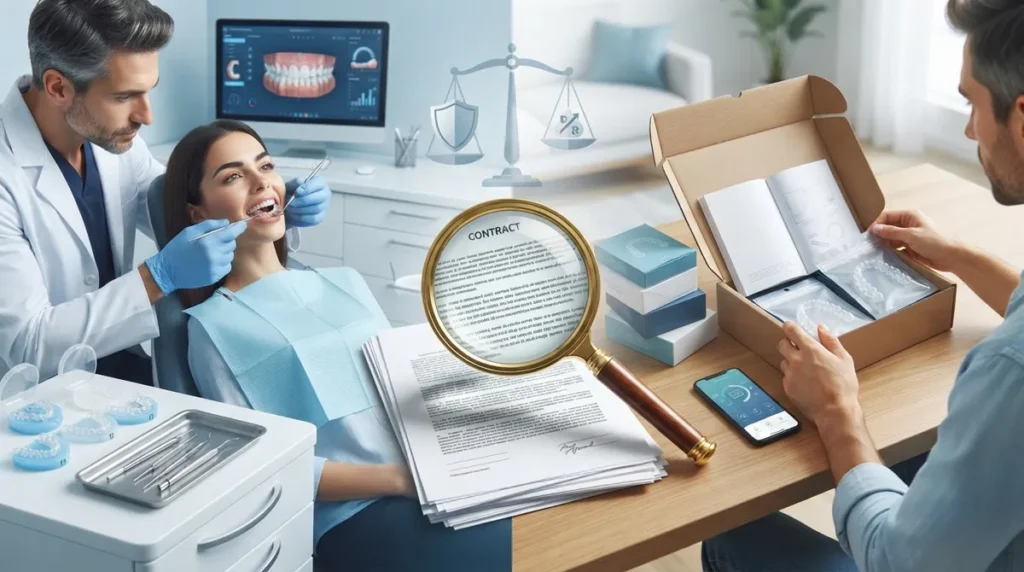
Every clear aligner provider sets its own refund terms based on your signed contract, treatment stage, and local laws—there is no industry-wide standard, so always request the written policy before paying.
-
Financing plans are separate agreements that may continue even if you cancel treatment, so ask both your provider and lender in writing what happens to payments if you stop.
-
A refund is not always the first solution; providers typically offer clinical fixes like assessments, adjustments, replacement trays, or revised plans before considering cancellation.
-
Company guarantees like SmileDirectClub's Lifetime Smile Guarantee may have conditions and are not legally enforceable if the business closes, so verify credentials and ask what happens if the provider shuts down.
You signed up for clear aligners, and then life happened. Maybe the trays feel off. Maybe your budget changed. Or maybe you just want to understand your options before you pay a dime. Whatever brought you here, asking about a clear aligner refund policy is a smart move.
Here is the honest truth: there is no single refund rule across the whole industry. Every provider sets its own terms. Your signed contract, your treatment stage, and your local laws all shape what you can get back.
In this friendly guide, we compare two common paths in 2026: care from a local orthodontic office and care from a mail-order or remote aligner company. We will look at how refund terms tend to differ, what to ask before you pay, and how to protect yourself. Whether you are a busy parent, a working professional, or planning a big life event, you deserve clear answers. Let’s dig in.

Why Refund Policies Vary So Much
Clear aligners are two things at once. They are a custom-made product, and they come with professional care. That mix makes refunds tricky.
Once a clinician evaluates you, builds a treatment plan, or orders aligners made just for your teeth, a provider may treat some fees as earned. In plain words, they have already done the work, so some money may not come back. That is why the contract matters so much.
Here are the main things that shape any clear aligner refund policy:
- Your signed agreement: This is the most important document you have.
- Treatment stage: Refund options often shrink as treatment moves forward.
- Custom work already done: Scans, plans, and ordered trays may count as completed services.
- Payment or financing setup: A separate lender may have its own rules.
- Local consumer-protection law: Rights differ by state and country.
Office-Based Care vs. Mail-Order Aligners
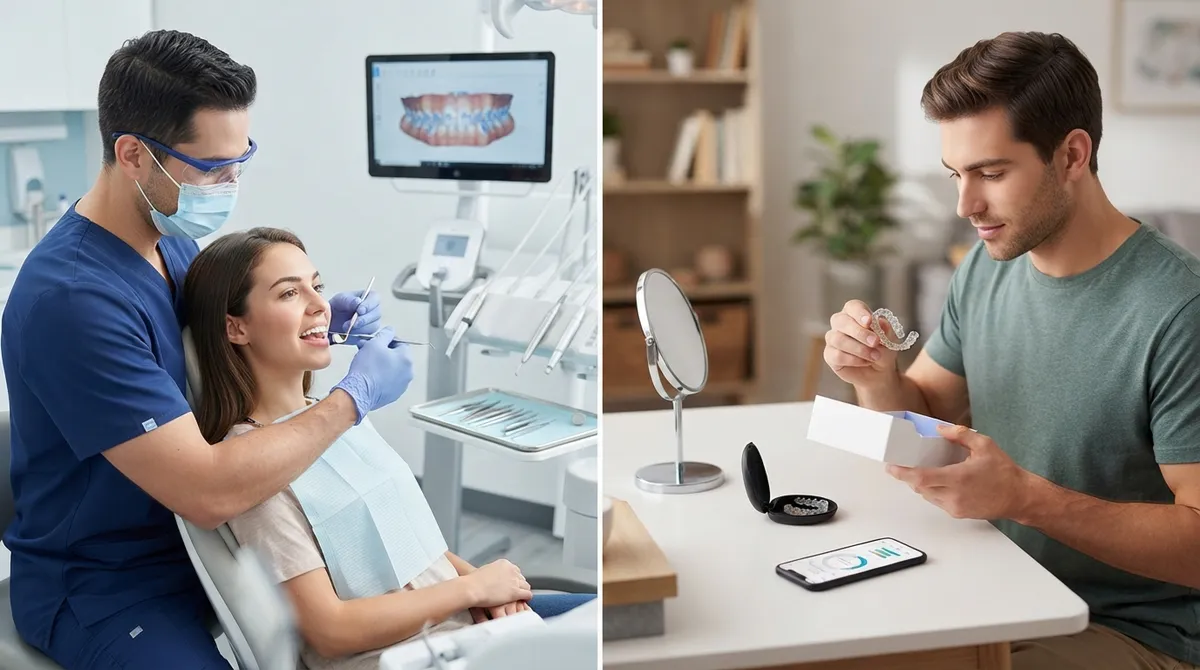
Both options can straighten teeth. But they handle problems, and money, very differently. Here is a side-by-side look at the factors that affect refunds.
| Factor | Local Orthodontic Office | Mail-Order / Remote Company |
|---|---|---|
| Who monitors treatment | An orthodontist you can see in person | A remote clinician, often reached online |
| First response to a problem | Exam, adjustment, or revised plan | Often a support ticket or photo review |
| Refund terms | Written in your treatment agreement | Set in company terms, sometimes a guarantee |
| Guarantee strength | Backed by a practice you can visit | May have eligibility conditions |
| If the provider closes | Less common, easier to ask questions | Higher risk of being left mid-treatment |
Neither path is automatically better for every person. The key is knowing what each one promises in writing. If you want to see how in-person care and aligners compare on results, our guide on braces vs. clear aligners is a great next read.
A Refund Is Not Always the Same as a Fix
Here is something many people miss. When aligners do not fit well or teeth are not moving as expected, a refund is not always the first step. Often there is a clinical remedy first.
A good provider may check your teeth and offer one of these:
- An in-person or virtual assessment to see what is happening
- Adjustments to how you wear your trays
- Additional or replacement aligners
- A revised treatment plan, sometimes called a refinement
- Another clinically appropriate option if aligners are not the best fit
This is subject to your agreement and the clinician’s judgment. The good news is that most fit problems can be solved without ending treatment. If you are worried about common wear-and-tear mistakes, take a peek at 7 clear aligner mistakes that can ruin your smile results.
What a Good Refund and Cancellation Policy Should Include
Before you pay, ask for the written policy. A clear, fair document should spell out the details so there are no surprises later. Look for these items:
- How cancellation works and when charges apply
- Which fees are considered earned or nonrefundable
- How any refund amount is calculated
- Rules for missed appointments
- Terms for refinements and replacement aligners
- Retainer costs and what is included
- What happens if you transfer your care to another provider
- Whether financing payments continue if treatment stops
Do not be shy about asking. A trustworthy practice will happily walk you through every line. At Segovia Orthodontics, we believe you should feel comfortable and informed from your very first visit. You can learn more about what to expect in your first orthodontic visit.
Lessons From the SmileDirectClub Shutdown
A real-world example shows why the fine print matters. SmileDirectClub filed for Chapter 11 bankruptcy on September 29, 2023, and announced the wind-down of its global operations on December 8, 2023. The company said it would no longer honor its Lifetime Smile Guarantee.
Many people were suddenly left mid-treatment. A later New York Attorney General settlement set up a limited relief program of $4.8 million for roughly 28,000 eligible customers. Relief could include payment credits, canceled balances, or refunds, depending on treatment status and account details.
Here is the important takeaway. That program was a company-specific settlement. It was not a refund right for every clear aligner patient. A company guarantee can be helpful, but it may have conditions and may not be the same as a legal right. For the facts, you can read coverage from USA Today.
Financing Is a Separate Question
This is a big one for busy families and working adults. If you pay through a financing plan, that loan or payment arrangement may be its own agreement. Stopping treatment does not automatically cancel it.
So before you sign, ask these questions:
- Who is the lender or payment servicer?
- What happens to my payments if I cancel treatment?
- Is there a fee for paying the balance early?
- Who do I contact if I have a billing dispute?
Ask both the provider and the lender to explain the account in writing. For ideas on managing costs wisely, see 9 smart ways to make orthodontic financing work for you and our page on orthodontic financing.
How to Request a Refund or Dispute a Charge
If you decide you need to ask for money back, a calm and organized approach works best. Follow these steps:
- Gather your documents. Collect your contract, receipts, financing papers, messages, and treatment records.
- Read the policy first. Find the cancellation and refund language in your agreement.
- Raise your concern promptly and in writing. Email creates a helpful paper trail.
- Ask for a written explanation. Request a clear breakdown of clinical options and financial obligations.
- Contact your lender if you financed. Ask them what happens to your payments.
- Know your local rights. Consumer-protection rules vary, so check with your state’s consumer office if needed.
Keep your tone friendly but firm. Most disagreements get resolved faster when both sides stay respectful.
Special Tips for Different Readers
Busy parents: If you are choosing for a child or teen, ask how the policy handles lost or broken trays and growth changes. Our page on teen orthodontic treatment explains what families can expect.
Working professionals and adults: You may want speed and discretion, so ask how refinements are handled if your schedule slips. Explore adult orthodontics for more options.
Event planners: Got a wedding or graduation coming up? Ask for a realistic timeline in writing, so you know your plan before you commit.
Relapse patients: If you had braces before and your teeth shifted, ask whether the policy covers retainers and refinements. Learn more about orthodontic retainers.
Why Local, In-Person Care Can Feel Safer
When you work with a nearby practice, someone is always there to answer questions face to face. That can make refund conversations, and every other conversation, feel simpler. Remote care leaves some people unsure who to call when something goes wrong.
Led by Dr. Flor Segovia, a board-certified orthodontist, our team focuses on a comfortable, supportive experience. You can verify credentials through the American Board of Orthodontics. Our clear aligners are guided by in-person care, so you always know who is watching your progress. You can also see what neighbors say when you visit us on Google — Segovia Orthodontics.
Red Flags to Watch For
Keep an eye out for warning signs before you commit to any provider:
- No written refund or cancellation policy
- Vague promises like “lifetime guarantee” with no details
- No clear way to reach a licensed clinician
- Pressure to pay everything upfront right away
- No answer about what happens if the company closes
If something feels unclear, pause and ask. Good providers welcome questions.
The Bottom Line
So, whose refund policy wins? The honest answer is that the best policy is the one you understand and can rely on. Local office care often offers easier access and clearer clinical solutions. Remote companies can be convenient, but their guarantees may carry conditions or risks if the company stops operating.
Whichever route you choose, get the terms in writing, understand your financing, and ask about options before you pay. You are not being picky. You are being smart.
Ready to talk through your options with a friendly team that explains everything clearly? Request an appointment today, or call us at 941-557-1333. You can also follow our updates on our Instagram page and our Facebook page. We would love to help you smile with confidence.
FAQs
Q: Can I get a refund if I stop clear aligner treatment early?
A: It depends on your signed agreement and how far along you are. Many providers treat custom work already completed as earned, so you may get only a partial refund or none at all. Always check the cancellation terms before you start, and ask how any refund is calculated.
Q: Do I still have to pay a financing plan if I cancel orthodontic treatment?
A: Possibly, yes. A financing plan is often a separate agreement with its own lender, so stopping treatment does not automatically cancel it. Ask both your provider and the lender to explain in writing what happens to your payments.
Q: What should I do if my clear aligners do not fit or my teeth are not moving?
A: Reach out to your provider right away and put your concern in writing. They will often offer an assessment, adjustments, replacement trays, or a revised plan first. A refund may come later, depending on your agreement and clinical judgment.
Q: What happens if my aligner provider closes before I finish?
A: This is a real risk with some remote companies, so it is smart to ask about it before you sign. Keep your contract, receipts, and treatment records, and contact your lender if you financed. A company guarantee may not be honored if the business shuts down.
Q: Are clear aligner refunds covered by consumer protection laws?
A: Sometimes, but rules vary by state and country. A guarantee from a company is not always the same as a legal right. If you are unsure, your state’s consumer protection office can point you in the right direction.
Our Service Area