Key Takeaways
-
Diagnosis alone doesn't determine orthodontic eligibility; orthodontists assess the whole picture including oral health, sensory sensitivities, and caregiver support to determine if and how treatment can work.
-
WildSmiles and LightForce braces are effective options for special needs patients—fun bracket designs boost motivation and compliance, while custom 3D-printed brackets reduce irritation for sensory-sensitive children.
-
Establish a dental home by age one and use tell-show-do communication strategies, desensitization visits, and breaks during appointments to build comfort and reduce anxiety before orthodontic treatment.
-
Ask your orthodontist about appointment flexibility, appliance recommendations, coordination with other doctors, and experience with similar diagnoses to ensure personalized, supportive care throughout treatment.
Every smile deserves care, love, and a little patience. If you’re a parent of a child with autism, Down syndrome, ADHD, or another special health care need, you may wonder if braces are even possible. The good news? A special-needs diagnosis never automatically rules out orthodontic treatment. What matters most is your child’s unique needs, comfort, and support system, not their diagnosis alone.
At Segovia Orthodontics in Lakewood Ranch, we believe every patient deserves a comfortable, judgment-free path to a healthier smile. Dr. Flor Segovia and her team have worked with many families navigating sensory sensitivities, communication differences, and medical complexities. This guide walks you through what orthodontics for special needs really looks like, what questions to ask, and how the right team can make treatment feel manageable and even fun.
What Does “Special Health Care Needs” Mean in Orthodontics
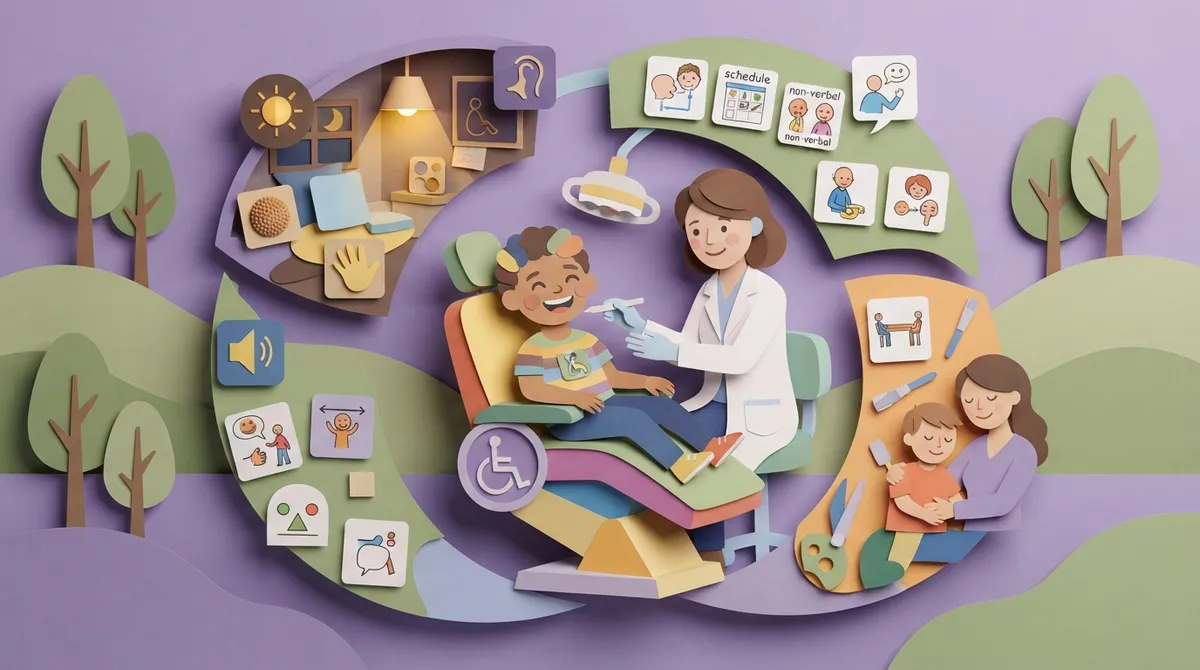
The term “special health care needs” (SHCN) covers a wide range of conditions. According to the American Academy of Pediatric Dentistry, this includes physical, developmental, behavioral, cognitive, sensory, and emotional conditions that require extra support or specialized care.
This broad category might include:
- Autism spectrum disorder
- Down syndrome
- Cerebral palsy
- ADHD or other behavioral conditions
- Intellectual or developmental disabilities
- Physical disabilities affecting mobility
- Chronic medical conditions requiring ongoing management
- Sensory processing differences
Here’s the key fact every parent should know: a diagnosis by itself doesn’t decide whether braces or aligners are right or wrong. Instead, an orthodontist looks at the whole picture. This includes your child’s oral health, how they handle new experiences, and what support you can offer at home.
Can a Child With Autism or Special Needs Get Braces
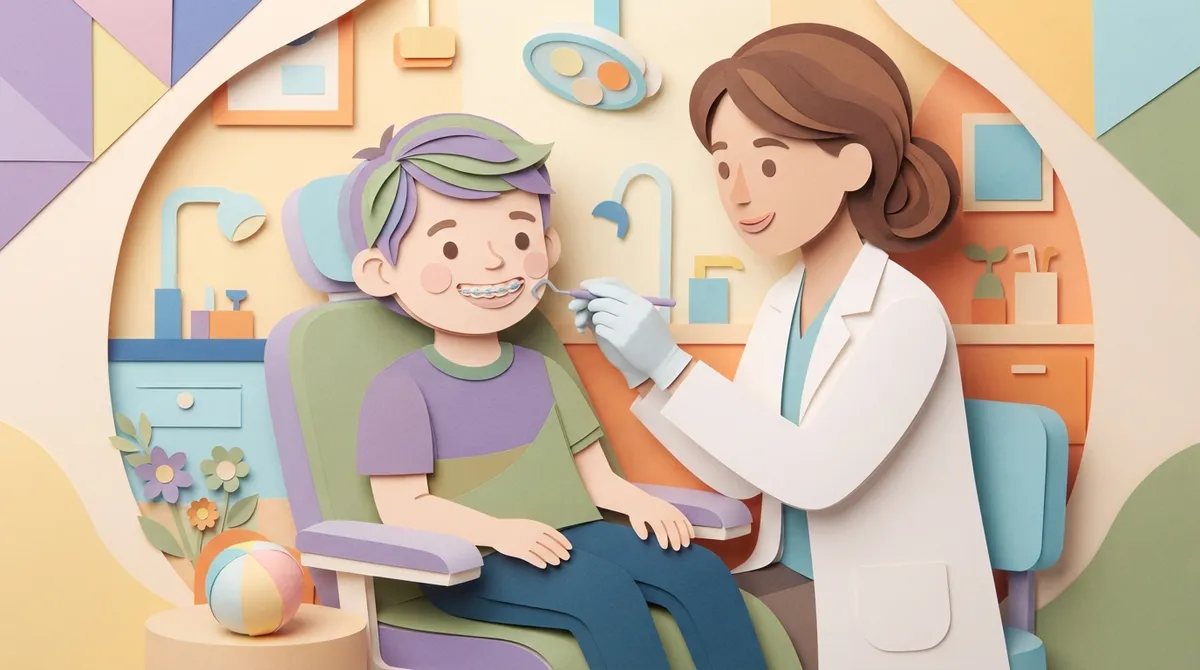
Yes! Many children and adults with special needs successfully complete orthodontic treatment every year. The real question isn’t “can they get braces,” but “what approach will work best for them.”
Orthodontists consider several factors before recommending treatment:
- The type and severity of the misalignment or bite problem
- Current oral hygiene habits and cavity risk
- Ability to tolerate appliances in the mouth
- Sensory sensitivities that might affect comfort
- Level of caregiver support available for daily care
- Any medical conditions that need coordination with a physician
Facial asymmetry, trouble chewing or swallowing, mouth breathing, and speech difficulties are all good reasons to schedule an orthodontic evaluation, regardless of any additional diagnosis. Our team at Segovia Orthodontics takes time during your first orthodontic visit to understand your child as a whole person, not just a set of teeth.
Choosing the Right Orthodontic Appliance
Not every appliance works for every patient. This is especially true for kids and adults with special needs. Some may struggle with removable trays. Others may find fixed braces easier to manage.
| Appliance Type | Best For | Considerations |
|---|---|---|
| Traditional Metal Braces | Patients who need reliable, fixed treatment without removal responsibility | Requires careful brushing around brackets and wires |
| WildSmiles Braces | Kids who respond well to fun, engaging visuals and themes | Can boost motivation and cooperation with hygiene routines |
| LightForce Braces | Patients needing a custom, precise fit for added comfort | Digitally designed for each tooth, reducing irritation |
| Clear Aligners (Angel Aligners) | Patients who can reliably wear and remove trays as instructed | Requires discipline to wear 20+ hours daily; not for everyone |
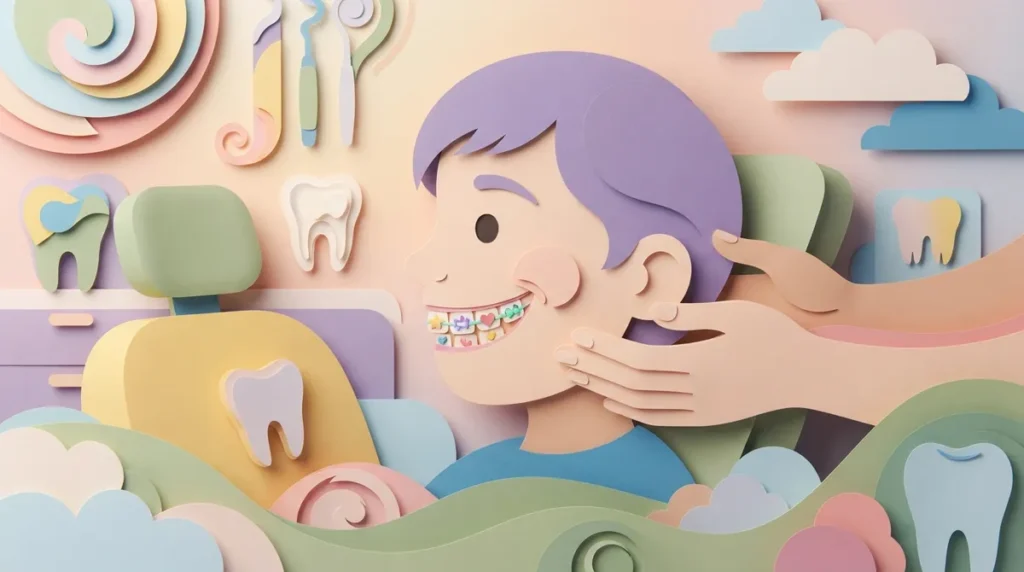
For many families we see at our Lakewood Ranch practice, WildSmiles Braces have been a wonderful option. Kids get to choose fun shapes like stars, hearts, or even Mickey Mouse brackets. This turns a potentially stressful experience into something exciting. When children feel proud of their braces, they’re more likely to brush well and follow care instructions.
LightForce Orthodontics is another excellent choice. Because each bracket is custom 3D-printed to match your child’s exact tooth shape, it often means less irritation and a smoother experience for sensory-sensitive patients.
How Orthodontists Adapt Care for Special Needs Patients
A caring orthodontic team doesn’t use a one-size-fits-all approach. Instead, they adjust based on what each patient needs to feel safe and successful.
Communication and Comfort Strategies
Good communication makes all the difference. Many practices use these approaches:
- Simple, clear explanations using words the patient understands
- Tell-show-do methods, where tools are shown and explained before use
- Extra time built into appointments, with breaks as needed
- Involving caregivers directly in every step
- Positive reinforcement and encouragement throughout treatment
- Desensitization visits to get comfortable with the office before starting treatment
Building a Dental Home Early
The AAPD recommends establishing a dental home by age one, especially for children with special health care needs. This early start helps children become familiar with dental visits before orthodontic treatment even begins. It builds trust and reduces anxiety down the road.
If your child is younger, learning about early orthodontic treatment can help you understand when the right time to start might be.
Is Sedation or Anesthesia Ever Needed
For some patients, certain procedures might require extra support like sedation or general anesthesia. This isn’t a routine requirement for everyone with special needs. It’s an individual decision made carefully between your orthodontist, your child’s physician, and you.
This kind of decision requires:
- A full medical review and history
- Appropriate facilities and trained personnel
- Informed consent from parents or guardians
- Coordination with your child’s other doctors
Most orthodontic visits, however, don’t require sedation. Many patients do just fine with a supportive team, clear communication, and a little extra patience.
Oral Hygiene Tips for Special Needs Patients With Braces
Braces and aligners can make brushing trickier. This is true for every patient, but it may need extra attention for those with special needs. Here’s how caregivers can help:
- Create a consistent, predictable brushing routine at the same time each day
- Use an electric toothbrush if manual brushing is difficult
- Try a water flosser for easier cleaning around brackets and wires
- Break tasks into small, simple steps
- Celebrate small wins to build confidence
- Schedule more frequent dental cleanings if recommended
- Watch for signs of gum irritation or plaque buildup between visits
WildSmiles brackets actually help with this. Their unique shapes make it easier to see if brushing removed the plaque, since the bracket’s design becomes visible when teeth are clean. This visual cue can make brushing feel like a fun challenge rather than a chore.
What to Ask Your Orthodontist Before Starting Treatment
Preparation helps everyone feel confident going into treatment. Before you commit, consider asking:
- How will you adjust appointments if my child needs extra time or breaks?
- What appliance options do you recommend, and why?
- Will you communicate directly with my child’s other doctors if needed?
- What happens if my child struggles to tolerate an appliance?
- How often will we need follow-up visits?
- What’s your experience working with patients who have similar needs?
Bringing a list of questions to your orthodontic consultation helps you feel prepared and gives your provider a clear picture of your family’s needs.
Does Insurance Cover Special Needs Orthodontics
Coverage varies widely depending on your insurance plan and your child’s specific diagnosis. Some plans offer more support for medically necessary orthodontic care. It’s worth checking directly with your provider.
Our team can help you understand your options through orthodontic financing plans designed to make treatment more affordable, regardless of your insurance situation. We want cost to never stand between your family and a healthier smile.
Why Choose Segovia Orthodontics for Your Family
Dr. Flor Segovia is a board-certified orthodontist who believes every patient deserves personalized, compassionate care. Our Lakewood Ranch office uses advanced orthodontic technology to make treatment as comfortable and efficient as possible.
We proudly serve families throughout the Lakewood Ranch, Bradenton, and Sarasota areas. Whether your child needs traditional braces, the playful design of WildSmiles, the precision of LightForce, or the flexibility of clear aligners, we’ll work with you to find the right fit. You can learn more about our practice and see Dr. Segovia’s approach to care on our website.
Curious what other families think? You can visit us on Google to read Segovia Orthodontics reviews and see real experiences from patients just like you. You can also follow along and see smile transformations on our Facebook page or check out day-to-day moments from our office on our Instagram page.
Every Smile Journey Looks Different
Special needs orthodontics isn’t about fitting your child into a rigid treatment plan. It’s about building a plan around who they are. With the right orthodontist, the right appliance, and a supportive care team, most patients with special health care needs can achieve a healthier, more confident smile.
For families searching for board-certified expertise, you can also learn more about certification standards through the American Board of Orthodontics, which sets rigorous standards for specialist training.
Ready to explore your options? Our team is here to answer your questions with warmth and patience. Feel free to contact us to discuss your child’s specific needs, or go ahead and request an appointment to meet Dr. Segovia and our caring team. You can also simply call us at 941-557-1333 to start the conversation today. Every smile deserves a chance to shine, and we’re honored to help yours get there.
FAQs
Q: Can a child with autism or another disability get braces?
A: Absolutely! Many children with autism and other special needs get braces successfully every year. The key is finding an orthodontist who takes time to understand your child’s unique comfort level and adjusts appointments to fit their needs.
Q: Is orthodontic treatment safe for people with special health care needs?
A: Yes, orthodontic treatment is generally safe when the orthodontist carefully reviews medical history and coordinates with other healthcare providers as needed. Safety always comes first, and treatment plans are tailored to each person’s specific situation.
Q: What orthodontic appliances work best for patients with special needs?
A: It really depends on the individual! Some patients do great with fixed braces like WildSmiles or LightForce, while others may prefer removable aligners if they can reliably wear them. Your orthodontist will help you choose based on comfort and ability to manage the appliance.
Q: How can an orthodontist help a patient who has sensory sensitivities?
A: Many practices use gentle strategies like tell-show-do techniques, shorter appointments with breaks, and desensitization visits before treatment even starts. These small adjustments can make a huge difference in comfort and cooperation.
Q: Does special-needs orthodontic care cost more, and is it covered by insurance?
A: Costs can vary based on treatment complexity and individual needs, and insurance coverage differs by plan. We recommend checking with your provider and asking our team about flexible financing options to help make treatment affordable for your family.
Our Service Area