Key Takeaways
-
Most orthodontic treatment takes 12-24 months, with average treatment time around 20 months, but timeline varies based on severity of misalignment, age, appliance type, and patient compliance with instructions.
-
Clear aligners work best for mild-to-moderate cases and are nearly invisible, while fixed braces handle complex bite issues and severe crowding; modern options like LightForce braces can move teeth up to 45% faster than older methods.
-
Mild soreness after braces adjustment or new aligner trays typically fades within days; soft foods, orthodontic wax, warm salt water rinses, and over-the-counter pain relief effectively manage temporary discomfort.
-
Retainers are crucial after treatment ends because teeth naturally shift back to original positions; skipping this step is one of the most common patient regrets, making permanent wear or consistent use essential.
-
Early orthodontic evaluation between ages 7-10 can catch problems and guide jaw growth to prevent bigger issues later, while adults can address relapse from previous braces with modern discreet solutions.
-
Poor oral hygiene during treatment leads to plaque buildup, white spots, and cavities; brushing after meals, daily flossing, avoiding sticky foods, and attending appointments protect your investment and mouth health.
Ever wonder what really happens once you sit down in that orthodontic chair? You’re not alone. Most people walk into their first visit with a few nerves and a lot of questions. That’s totally normal, and honestly, it’s kind of exciting too! Understanding orthodontic procedures can turn those butterflies into confidence, and that’s exactly what we’re here to help with today.
Whether you’re a parent wondering if your seven-year-old needs an evaluation, a busy professional considering clear aligners on your lunch break, or an adult ready to fix that relapse from your teenage braces, this guide has you covered. We’ll walk through the main types of orthodontic procedures, how they work, and what you can expect along the way. Grab a cup of coffee and let’s dig in together.
What Are Orthodontic Procedures, Exactly?
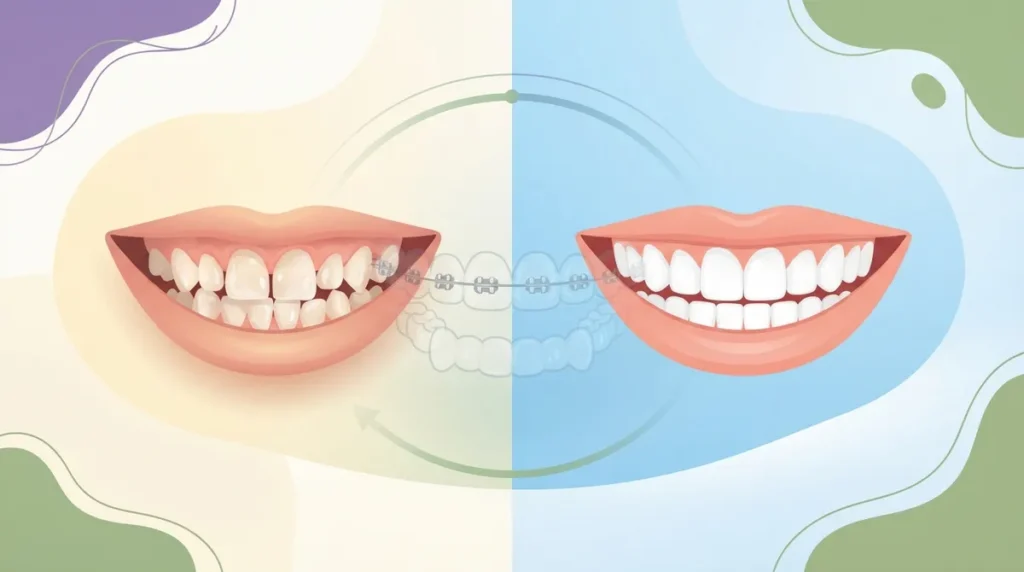
Orthodontic procedures are treatments that fix crooked, crowded, or spaced-out teeth. They also correct bite problems, like when your upper and lower jaw don’t line up quite right. Think of it as gentle, guided movement that shifts your teeth into a healthier, straighter position over time.
These treatments aren’t just about looks, though a beautiful smile is a wonderful bonus! Proper alignment helps you chew better, speak clearly, and keep your teeth cleaner. Crowded teeth are harder to brush and floss, which can lead to cavities and gum problems down the road. That’s why so many families and adults trust practices like Segovia Orthodontics to guide them through the process.
The Two Big Players: Braces and Clear Aligners
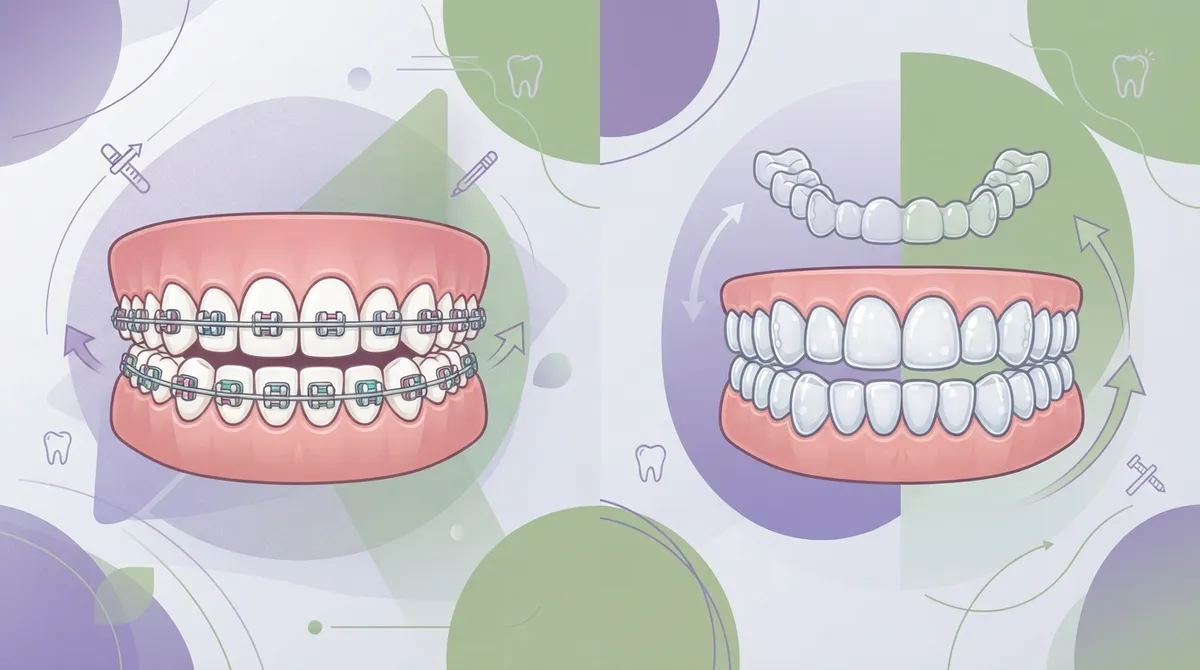
When people think of orthodontic procedures, two options usually come to mind first: braces and clear aligners. Both work by applying gentle, steady pressure to move teeth. But they go about it in very different ways.
Fixed Braces
Braces use small brackets glued to each tooth, connected by a thin wire. As the wire is adjusted over time, it gently guides teeth into place. Modern braces come in several styles, and choosing between them often comes down to comfort, budget, and how visible you want them to be.
- Traditional metal braces: durable, affordable, and effective for even the trickiest cases
- Ceramic or tooth-colored braces: blend in with your natural teeth for a subtler look
- Self-ligating braces: use a special clip instead of elastic ties, often meaning fewer adjustment visits
- Lingual braces: attach behind the teeth, hidden from view
At Segovia Orthodontics, kids and teens often love the WildSmiles Braces option, which features fun bracket shapes like stars, hearts, and even Mickey Mouse. Adults, meanwhile, are drawn to LightForce Orthodontics, a fully digital, 3D-printed bracket system custom-built for each tooth. It’s designed for comfort and can move teeth up to 45% faster than older methods.
Clear Aligners
Clear aligners are a series of custom, see-through trays you wear over your teeth. You switch to a new tray every week or two, and each one nudges your teeth a little closer to their final position. You can pop them out to eat, brush, and floss, which many patients find incredibly convenient.
Options like Clear Aligners and Angel Aligners have become hugely popular with busy professionals and image-conscious young adults. Angel Aligners, for example, use a smart “7+3” wear schedule and AI-driven planning to speed up treatment while keeping costs more manageable than some premium brands.
Comparing Your Main Treatment Options
| Treatment Type | Best For | Visibility | Typical Care Needs |
|---|---|---|---|
| Metal Braces | Complex bite issues, kids and teens | Most visible | Avoid sticky/hard foods, brush carefully |
| Ceramic Braces | Teens and adults wanting subtlety | Low visibility | Similar to metal, watch staining |
| LightForce Braces | Adults wanting precision and speed | Low visibility | Custom-fit, fewer adjustments |
| Clear Aligners | Mild-to-moderate cases, adults | Nearly invisible | Wear 20-22 hrs/day, clean trays daily |
| Angel Aligners | Budget-conscious, tech-savvy patients | Nearly invisible | Follow 7+3 wear schedule |
Who Needs Which Orthodontic Procedure?
Every smile is different, so treatment really should be personalized. Here’s a friendly breakdown based on where you are in life:
For Concerned Parents
If your child is between 7 and 10, an orthodontic evaluation can catch problems early. Not every child needs treatment right away, but Early Orthodontic Treatment can guide jaw growth and prevent bigger issues later. Fun bracket options and flexible scheduling make the process much easier on busy family calendars.
For Teens
Teenagers have their own set of needs, from sports schedules to social events. Teen Orthodontic Treatment often blends braces or aligners with a treatment plan that fits around school, practices, and everything in between.
For Young Professionals
If you’re building a career and want a discreet option, clear aligners are often a fantastic fit. They let you straighten your smile without drawing attention in meetings or on video calls.
For Life Event Planners
Got a wedding, graduation, or big career milestone coming up? Talk to your orthodontist early. Some cases can move faster with the right technology, like LightForce’s accelerated treatment approach, helping you feel confident for your big day.
For Adults With Relapse
Did your teeth shift back after wearing braces years ago? You’re definitely not alone, and it’s very fixable. Adult Orthodontics addresses relapse with modern, discreet solutions and often moves faster than you’d expect.
What Happens During Treatment: A Step-by-Step Look
Curious what the actual process looks like? Here’s a simple walkthrough of what most patients experience:
- Initial consultation: You’ll meet with the orthodontist, discuss your goals, and get a first look at what’s going on with your smile.
- Records and imaging: Digital scans, photos, and sometimes X-rays help create a complete picture of your teeth and jaw.
- Custom treatment plan: Your orthodontist designs a plan tailored to your specific needs, timeline, and budget.
- Active treatment begins: Braces get bonded on, or you receive your first set of aligner trays.
- Regular check-ins: You’ll visit every several weeks for adjustments or new aligner trays.
- Debonding or final tray: Once your teeth reach their goal position, braces come off or you finish your aligner series.
- Retention phase: You’ll receive a retainer to keep your new smile exactly where it belongs.
Not sure what to expect at your first visit? Check out this helpful guide on your First Orthodontic Visit to ease any nerves.
How Long Does Treatment Really Take?
This is probably the most common question we hear, and it makes total sense! According to the American Association of Orthodontists, most patients wear braces for about 12 to 24 months. A well-known 2016 research review found an average treatment time of nearly 20 months across various fixed-appliance studies.
That said, your timeline depends on a few factors:
- How crowded or misaligned your teeth are to start
- Whether you’re still growing (kids and teens often move faster)
- The type of appliance you choose
- How consistently you wear elastics or aligners as instructed
Interestingly, orthodontic care is booming right now. The AAO reported that patient numbers hit an all-time high, with an estimated 8.45 million people in active treatment across the U.S. and Canada in 2024. Adult patients alone grew from about 1.64 million in 2022 to 1.91 million in 2024. You’re definitely in good company if you’re considering treatment as an adult!
Does It Hurt? Let’s Talk Comfort
We get it, this question is on everyone’s mind. The honest answer is that there’s usually some mild soreness after braces are placed or tightened, or when you switch to a new aligner tray. It typically fades within a few days.
Here are a few tips that really help:
- Stick to soft foods for the first day or two
- Use orthodontic wax on any spots that rub
- Try a warm salt water rinse to soothe gums
- Take over-the-counter pain relief if needed, following label directions
Modern technology has also made a big difference in comfort levels. LightForce brackets, for example, are designed specifically to reduce irritation to gums and soft tissue.
Caring for Your Smile During Treatment
Good habits during treatment protect your investment and keep your mouth healthy. Poor hygiene can lead to plaque buildup, white spots on teeth, and even cavities, so this part really matters.
- Brush after every meal, especially with braces
- Floss daily using threaders or interdental brushes if needed
- Avoid sticky, hard, or crunchy foods that can damage brackets
- Wear elastics exactly as instructed
- Attend every scheduled appointment
- Call your orthodontist right away if something breaks or hurts a lot
If you ever have a loose bracket or poking wire, don’t panic. Learn what qualifies as a true Orthodontic Emergency so you know when to call versus when it can wait until your next visit.
Why Retainers Matter So Much
Here’s something a lot of people don’t expect: your teeth can shift back after treatment ends. That’s exactly why Orthodontic Retainers are such a crucial final step.
There are a few common types:
- Bonded retainers: Thin wires glued behind your front teeth, worn permanently
- Hawley retainers: Removable, made of acrylic and wire
- Clear retainers: Removable, similar in look to clear aligner trays
Your orthodontist will tell you exactly how long and how often to wear yours. Skipping this step is one of the most common regrets patients mention later, so please don’t skip it!
What Does Treatment Cost?
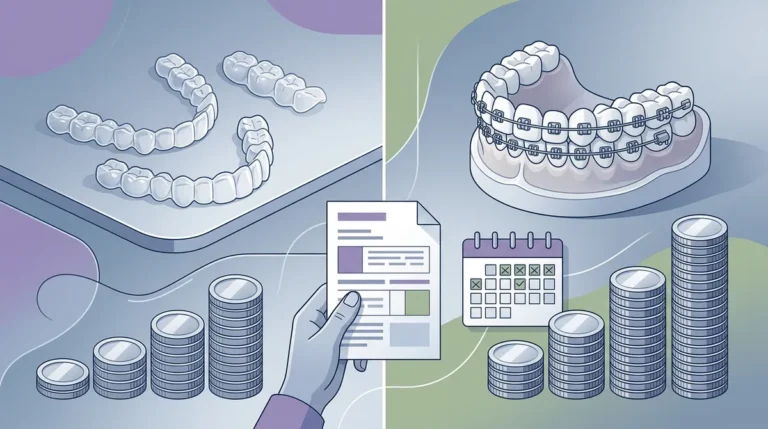
Cost varies quite a bit based on your treatment type, complexity, and location. Many practices, including Segovia Orthodontics, offer Orthodontic Financing to help spread out payments in a way that fits your budget. It’s always worth asking about payment plans during your consultation since flexible options exist more often than people realize.
Why Choose a Board-Certified Orthodontist?
Not every dental provider offering braces is a board-certified orthodontist. This certification means extra years of specialized training focused entirely on tooth movement and jaw alignment. Dr. Flor Segovia holds this credential, verified through organizations like the American Board of Orthodontics, and provides bilingual care in English and Spanish for families throughout Lakewood Ranch.
Choosing a Board Certified Orthodontist gives you peace of mind that your treatment plan reflects the latest, most effective techniques available. Combined with Advanced Orthodontic Technology like digital scanning and 3D-printed brackets, you’re getting care built around precision and comfort.
Curious what real patients think? You can visit us on Google — Segovia Orthodontics to read honest reviews from families right here in the Lakewood Ranch community. You can also follow along with smile transformations and office updates on our Facebook page or our Instagram page for a behind-the-scenes look at the practice.
Ready to Start Your Smile Journey?
Orthodontic procedures have come a long way, offering more comfortable, faster, and more discreet options than ever before. Whether you’re guiding your child through their first evaluation, exploring aligners for your own busy schedule, or fixing relapse from years ago, there’s a treatment path designed just for you.
Segovia Orthodontics at Lakewood Ranch is here to make the process feel simple, supportive, and even a little fun. Why not take the next step today? You can request an appointment online, or feel free to call us at 941-557-1333 to chat with our friendly team about your options. Your best smile is closer than you think!
FAQs
Q: What are the different types of orthodontic procedures?
A: The main options include traditional metal braces, ceramic braces, self-ligating braces, lingual braces, and clear aligners. Each one moves teeth gradually, but they differ in visibility, comfort, and how they’re worn day to day. Your orthodontist will help you pick the best fit based on your smile goals and lifestyle.
Q: Are braces or clear aligners better for my teeth?
A: Honestly, it depends on your specific case! Braces can handle more complex bite problems and severe crowding, while clear aligners work great for mild-to-moderate alignment issues. A consultation is the best way to figure out which option fits your unique smile.
Q: How long do orthodontic procedures usually take?
A: Most patients wear braces or aligners for about 12 to 24 months, though this varies based on your specific needs. Factors like age, severity of misalignment, and how consistently you follow instructions all play a role in your timeline.
Q: Do orthodontic procedures hurt, and how can discomfort be managed?
A: You might feel some mild soreness after adjustments or when starting new aligner trays, but it’s usually temporary. Sticking to soft foods, using orthodontic wax, and rinsing with warm salt water can make a big difference in comfort.
Q: Why are retainers needed after orthodontic treatment?
A: Teeth naturally want to shift back to their original position after active treatment ends, which is totally normal. Wearing your retainer as instructed keeps your hard-earned results in place for years to come, so it’s a step you really don’t want to skip.
Our Service Area