Key Takeaways
-
Straight teeth are easier to clean, preventing plaque buildup in hard-to-reach spots that leads to cavities, gum disease, and tooth loss over time.
-
Braces fix malocclusion (bad bite) which affects chewing, speech, and jaw comfort—not just appearance—improving overall oral function and long-term dental health.
-
Untreated bite problems cause uneven enamel wear, jaw strain, and teeth shifting further out of place, making future treatment more complex and expensive.
-
Modern treatment options like LightForce braces (45% faster) and clear aligners offer discreet, faster alternatives suitable for professionals and busy schedules.
-
The American Association of Orthodontists recommends an orthodontic evaluation around age 7 to catch early problems and guide jaw growth before permanent teeth arrive.
-
Retainers are critical after braces—skipping this step is the most common reason adults need braces again years later due to natural tooth shifting.
Ever caught yourself staring in the mirror, tilting your head, and wondering, “why do I need braces anyway? My teeth aren’t that bad.” You’re not alone. So many of our patients at Segovia Orthodontics ask this exact question during their first visit. The truth is, braces are about so much more than a picture-perfect smile. They’re about giving your mouth the healthy, comfortable, fully-functional future it deserves.
Whether you’re a mom scheduling your kid’s first orthodontic visit, a busy professional thinking about clear aligners, or an adult whose teeth have shifted back after years without a retainer, this question deserves a real answer. Let’s break down exactly why braces matter, what problems they actually fix, and how you can tell if it’s time to book a consultation.
What Braces Really Do for Your Mouth
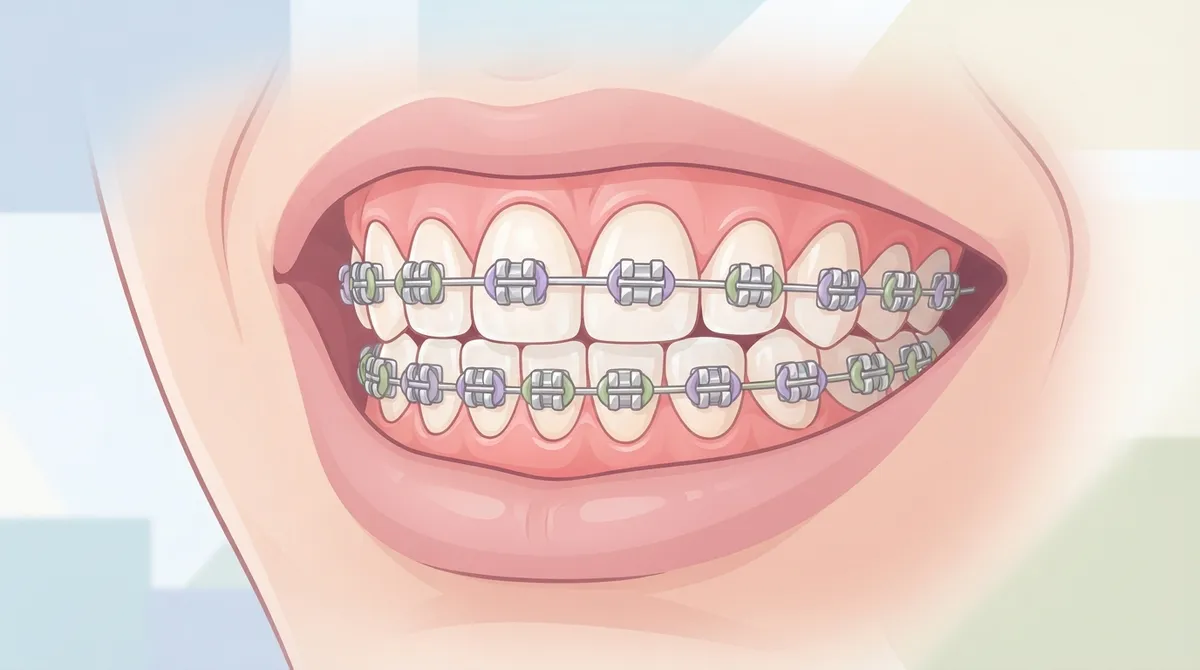
Braces aren’t just a cosmetic tool. They’re a treatment for something dentists call malocclusion, which is a fancy word for a bad bite. This happens when your teeth or jaws don’t line up the way they should. Orthodontics is the entire branch of dental care built around fixing this exact problem.
When teeth are crowded, crooked, gapped, or your bite doesn’t meet correctly, it can affect way more than your smile. It can make eating harder, cause speech issues, and even lead to long-term dental problems. That’s why an experienced orthodontist like Dr. Flor Segovia looks at the whole picture, not just how your teeth look in photos.
Common Reasons People Need Braces
- Crowded or overlapping teeth that are hard to clean
- Gaps between teeth that trap food
- Overbite, underbite, or crossbite issues
- Jaw pain, clicking, or discomfort while chewing
- Teeth that stick out or protrude noticeably
- Frequent cheek or tongue biting
- Adult teeth coming in late or in the wrong position
If any of these sound familiar, it might be time to explore our common orthodontic problems page to see what fits your situation.
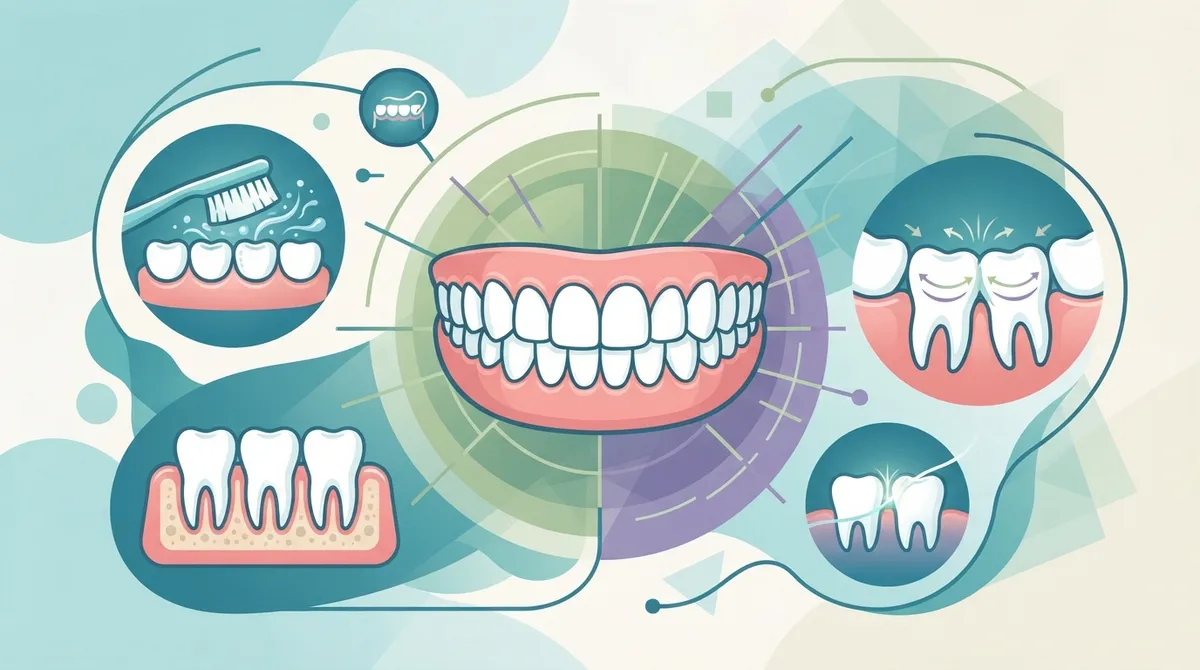
Why a Straight Smile Means a Healthier Mouth
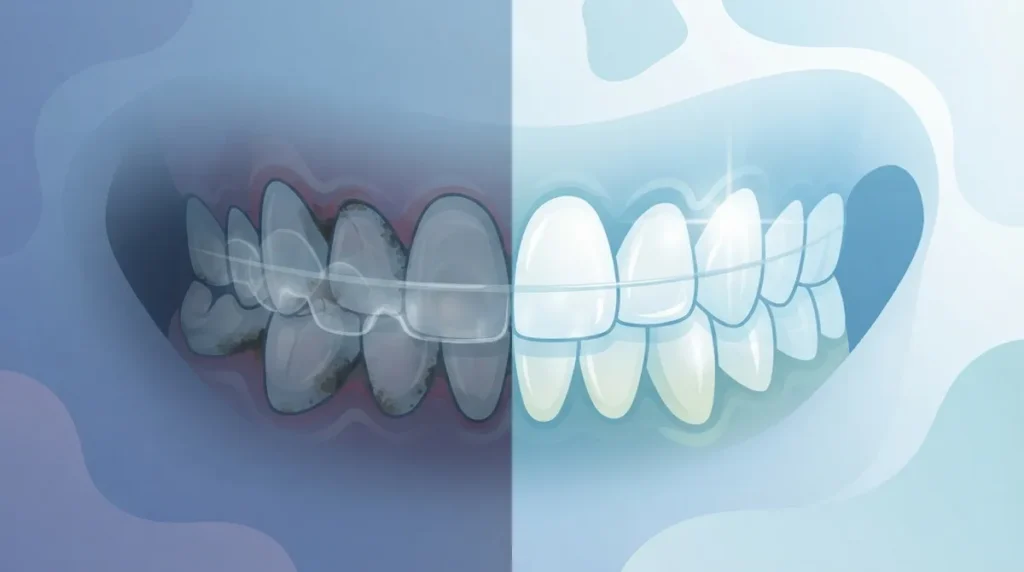
Here’s something a lot of people don’t realize: straight teeth are simply easier to clean. When teeth overlap or crowd together, your toothbrush and floss can’t reach every surface. Bacteria and plaque build up in those tight spots, and that’s a recipe for trouble.
According to the American Dental Association’s MouthHealthy resource, leaving a bad bite untreated can lead to tooth decay, gum disease, tooth loss, abnormal enamel wear, and even jaw problems. That’s a long list of consequences for something that often starts small, like one slightly crooked tooth.
What Happens If You Skip Treatment
- Plaque builds up in hard-to-reach spots, increasing cavity risk
- Gum disease becomes more likely due to poor cleaning access
- Teeth wear unevenly, which can wear down enamel faster than normal
- Jaw muscles strain from an uneven bite, sometimes leading to chronic discomfort
- Teeth can shift further out of place over time, making future treatment more complex
None of this is meant to scare you. It’s meant to show you why orthodontists take these signs seriously. Catching problems early, whether in a 7-year-old or a 45-year-old, usually means a simpler and faster fix.
Braces Help With More Than Just Looks
Chewing, speaking, and even breathing comfortably can all be affected by how your teeth and jaw line up. If you’ve ever had trouble biting into an apple, mumbled certain words, or noticed jaw clicking when you eat, these could be signs your bite needs attention.
The American Association of Orthodontists notes that orthodontic treatment can improve chewing function, speech clarity, and jaw comfort when misalignment is the root cause. Braces move teeth into positions that let your jaw work the way nature intended.
Signs You Might Need an Orthodontic Evaluation
- You have trouble flossing because teeth are too tight together
- Your jaw feels sore, tired, or makes clicking sounds
- You bite your cheek or tongue often by accident
- Your bite feels “off” when you close your mouth
- You notice your teeth shifting compared to old photos
- Your dentist has mentioned wear patterns on your teeth
If you’re checking off more than one of these, it’s a good sign to schedule a visit and learn more about all about braces and how they might help you specifically.
Braces at Every Age: It’s Never Too Early or Too Late
One of the best parts of working in orthodontics is seeing how treatment fits every stage of life. Kids, teens, and adults all have different reasons for needing braces, and the approach looks a little different for each group.
For Concerned Parents
If you’re a mom juggling school schedules and soccer practice, you’re probably wondering when to bring your child in for a check. The American Association of Orthodontists recommends an evaluation around age 7. This is when we can catch early orthodontic treatment opportunities, like guiding jaw growth before permanent teeth fully arrive.
For kids who need braces, we love recommending WildSmiles Braces. These braces come in fun shapes like stars, hearts, and even Mickey Mouse designs. Kids get excited to brush and take care of their braces because, honestly, who wouldn’t want their braces to look this cool? Plus, the unique bracket shape actually helps show if brushing is thorough, since the shapes stay visible when teeth are cleaned properly.
For Teens Balancing Busy Schedules
Teenagers have enough going on between classes, sports, and social lives. Teen orthodontic treatment is designed around real teenage life, with flexible scheduling and treatment options that fit their pace.
For Adults Ready for a Change
Maybe you had braces as a kid, but your teeth have shifted back. Or maybe you never got treatment and you’re finally ready. Either way, adult orthodontics is more common than ever, and treatment today is faster and more discreet than it used to be.
Discreet Options for Busy Professionals
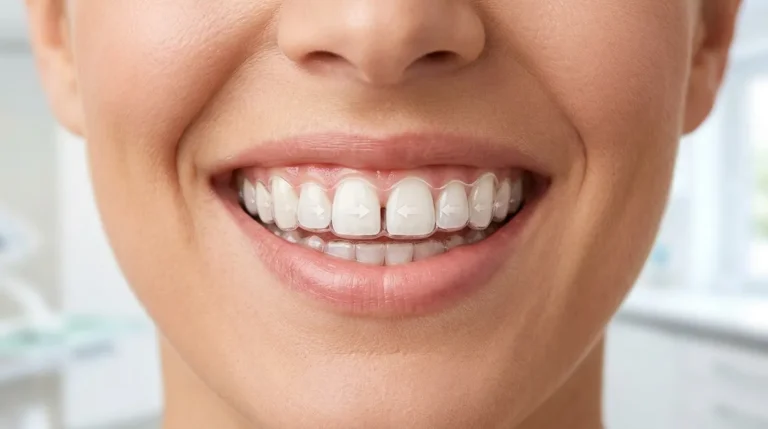
If you’re a working professional worried about how braces might look during meetings or client calls, you have options. Clear aligners have become a favorite choice for people who want results without the metal.
| Treatment Option | Best For | Key Benefit |
|---|---|---|
| LightForce Braces | Custom precision cases, faster results | Up to 45% faster treatment with 3D-printed brackets |
| Clear Aligners | Adults and professionals wanting discretion | Nearly invisible, removable for meals and events |
| Angel Aligners | Budget-conscious patients wanting speed | AI-driven planning with a 7+3 wear schedule |
| WildSmiles Braces | Kids and teens | Fun shapes that encourage better brushing habits |
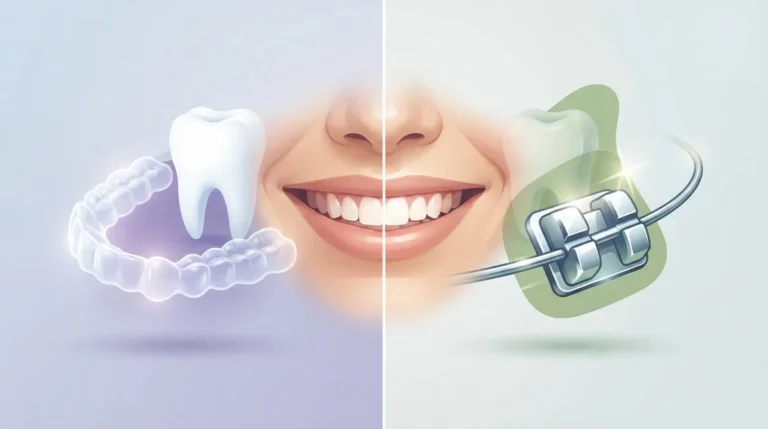
Our LightForce Orthodontics system uses fully digital, 3D-printed brackets custom-fit to your teeth. This means faster treatment times and a more comfortable fit compared to one-size-fits-all brackets. For patients wanting an alternative to traditional braces altogether, clear aligners offer a nearly invisible way to straighten teeth while still going about your normal life.
Getting Ready for a Big Life Event
Got a wedding, graduation, or big career milestone coming up? A lot of our patients want their smile looking its best before these moments. The good news is that modern treatment options move faster than ever.
Steps to Take If You’re on a Timeline
- Schedule a consultation as early as possible to understand your treatment timeline
- Ask about faster options like LightForce braces or Angel Aligners
- Discuss your event date openly so we can plan around it
- Stay consistent with wear time and appointments to avoid delays
- Consider a retainer plan immediately after treatment to protect your results
Planning ahead makes a big difference. The earlier you start, the more flexibility we have to hit your goal date with a smile you’re proud to show off.
How Orthodontists Decide If You Need Braces
You might be wondering how we actually determine if braces are necessary versus just a nice-to-have. During a consultation, we look at your bite, jaw alignment, spacing, and overall oral health. We may take X-rays, photos, and digital scans to get the full picture.
Dr. Flor Segovia is a board-certified orthodontist, meaning she’s completed additional specialized training beyond dental school and passed rigorous exams through the American Board of Orthodontics. This level of expertise means your treatment plan is based on real clinical need, not guesswork. Learn more about what it means to work with a board certified orthodontist and why that credential matters.
What to Expect at Your First Visit
- A full evaluation of your teeth, jaw, and bite
- Digital scans or X-rays to see what’s happening beneath the surface
- A clear explanation of your treatment options
- An honest recommendation, including whether braces are truly needed
- A discussion of costs and orthodontic financing options
If you’re nervous about what to expect, our first orthodontic visit guide walks you through everything so there are no surprises.
Life After Braces: Why Retainers Still Matter
Once your braces come off or your aligner treatment finishes, the work isn’t quite done. Teeth naturally want to shift back toward their original position, which is why orthodontic retainers are such an important final step. Skipping this part is one of the most common reasons adults end up needing braces again years later.
If you’re someone who had braces in the past and now notices your smile has relapsed, you’re definitely not alone. Plenty of our adult patients come back for a second round of treatment, and honestly, it’s one of the most rewarding things we get to help with. You already know the value of a straight smile, and now you have the flexibility and motivation to finish the job right.
Choosing the Right Practice for Your Treatment
Not every orthodontic office feels the same. You want a team that listens, explains things clearly, and treats you like family, not just another appointment on the schedule. That’s exactly the atmosphere we’ve built at Segovia Orthodontics in Lakewood Ranch.
We use advanced orthodontic technology to make every visit efficient and comfortable. Dr. Segovia also provides bilingual care in English and Spanish, so language is never a barrier to great treatment. Curious what sets us apart? Check out our why choose us page, or take a look at our Facebook page and our Instagram page to see real smiles from real patients.
You can also visit us on Google — Segovia Orthodontics to read reviews from families and adults just like you who trusted us with their smiles.
Bringing It All Together
So, why do you need braces? It really comes down to health, comfort, and confidence. Straighter teeth are easier to clean, a balanced bite reduces strain on your jaw, and treating problems early prevents bigger issues down the road. Whether you’re 8 or 48, there’s a treatment plan built for your life, your schedule, and your smile goals.
If you’ve been putting off that first consultation, consider this your sign. Reach out and contact us to talk through your options, or go ahead and request an appointment to get started. You can also simply call us at 941-557-1333 and our friendly team will help you find a time that works. Your best smile is closer than you think, and we’d love to help you get there.
FAQs
Q: Why do I need braces if my teeth only look a little crooked?
A: Even minor crowding can create tight spots that are tough to brush and floss properly. Small issues can also grow bigger over time, so catching them early with a quick orthodontic check is always a smart move.
Q: What problems can braces fix besides straightening teeth?
A: Braces can correct overbites, underbites, crossbites, and jaw discomfort, plus improve chewing and speech. They really do so much more than just make your smile look nice!
Q: Do adults need braces for the same reasons as children and teens?
A: Adults often need braces because of relapse after previous treatment, or bite issues that were never addressed. The reasons are similar to kids and teens: better function, easier cleaning, and long-term oral health.
Q: Are clear aligners a good alternative to traditional braces?
A: Absolutely! Clear aligners like Angel Aligners work great for many alignment issues and offer a nearly invisible way to straighten teeth. We’re happy to help you figure out which option fits your smile best.
Q: What happens if I don’t get braces when I need them?
A: Untreated bite problems can lead to tooth decay, gum disease, uneven enamel wear, and jaw discomfort over time. It’s always easier and often more affordable to address these issues sooner rather than later.
Our Service Area