Key Takeaways
-
60-80% of relapse occurs within the first 3-4 months after treatment ends, making consistent retainer wear during this critical window essential to prevent noticeable tooth movement.
-
Wear your retainer nightly indefinitely, as recommended by the American Board of Orthodontics, because relapse risk never fully disappears and teeth can shift at any age, even decades after treatment.
-
Fixed (bonded) retainers are more effective at preventing relapse than removable options, but the best retainer is one you'll actually wear consistently based on your lifestyle and preferences.
-
Set reminders or pair retainer wear with existing bedtime routines to build consistency, especially for busy families and teens who may otherwise forget or skip nights.
-
Watch for warning signs like pressure, gaps between retainer and teeth, or visible tooth position changes, and contact your orthodontist immediately when caught early, as small shifts are much easier to correct.
-
Modern AI-driven treatment planning and precision bracket technology can reduce relapse risk from the start by creating a stronger foundation before you even begin wearing retainers.
You did it. The braces are off, or you just finished your last clear aligner tray. Your smile looks amazing, and you finally feel ready to show it off at every family photo. But here’s a little secret orthodontists wish more patients knew early on: the work isn’t quite over yet. Teeth relapse prevention is the next chapter of your smile story, and skipping it can undo months (or years) of hard work.
Whether you’re a busy mom keeping track of your teen’s retainer schedule, a young professional who just finished clear aligners before a big career move, or an adult getting a second chance to fix old orthodontic relapse, this guide is for you. We’ll break down exactly why teeth move back, how retainers stop it, and what you can do today to protect your new smile for good.
What Is Teeth Relapse in Orthodontic Care?
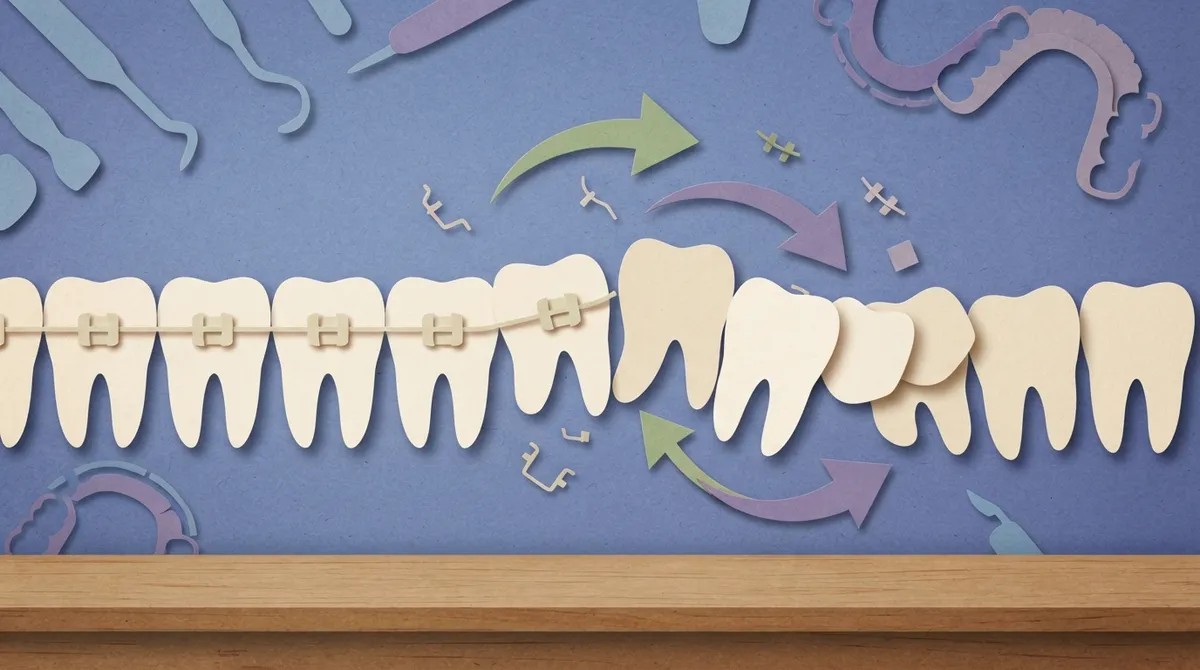
Orthodontic relapse happens when teeth drift back toward their original crooked positions after braces or aligners are removed. It’s basically your teeth trying to return to their old habits. Think of it like a plant that was trained to grow along a trellis — remove the support too soon, and it starts leaning back the way it wants to grow naturally.
This shifting can be small, like a tiny bit of crowding on your bottom front teeth. Or it can be more noticeable, like gaps reopening or a bite that no longer feels quite right. Understanding common orthodontic problems like this helps you catch relapse early, before it becomes a bigger issue.
Why Does Relapse Happen?
Your teeth are held in place by gum tissue, ligaments, and bone. After treatment, these tissues need time to adjust and settle into their new positions. Until they fully stabilize, your teeth are still a bit like wet cement — moldable and at risk of shifting.
- Natural aging changes in jaw shape and tooth position
- Inconsistent or skipped retainer wear
- Wisdom teeth pushing on nearby teeth
- Habits like tongue thrusting, nail biting, or teeth grinding
- Untreated bite issues that put pressure on certain teeth
- Gum or periodontal changes that loosen tooth support
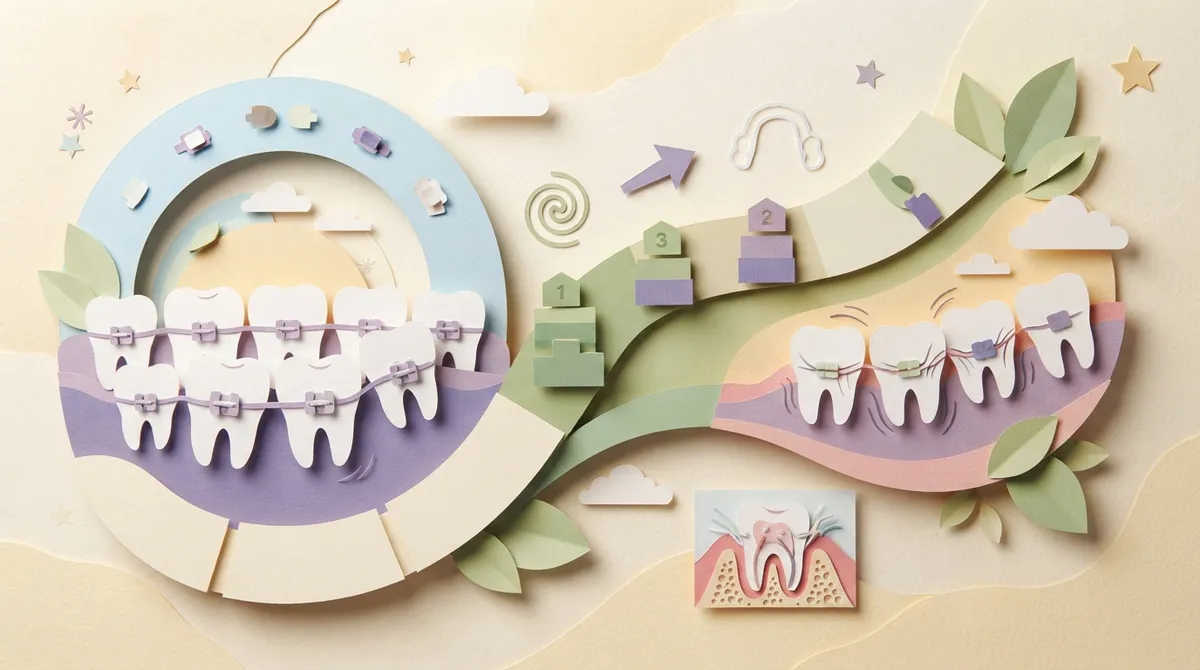
The Critical First Few Months After Treatment
Here’s a stat that surprises a lot of patients: 60–80% of relapse happens within the first three to four months after braces come off. This is the highest-risk window, and it’s exactly why orthodontists are so strict about retainer wear right after treatment ends.
During this time, your bone and gum tissue are still remodeling around your teeth’s new positions. Skipping even a few nights of retainer wear during this stretch can allow noticeable movement. This is one reason Dr. Flor Segovia and the team stress the importance of following your retention plan closely, especially in those early weeks.
How Retainers Prevent Orthodontic Relapse
Retainers are the single most important tool for teeth relapse prevention. They hold your teeth in their corrected position while the surrounding bone and tissue firm up around them. Without a retainer, there’s nothing stopping your teeth from slowly sliding back.
Learning more about orthodontic retainers can help you understand which option fits your lifestyle. Here’s a quick breakdown of the main types.
| Retainer Type | How It Works | Best For |
|---|---|---|
| Fixed (Bonded) Retainer | A thin wire bonded behind front teeth, worn 24/7 permanently | Patients who want a hands-off, always-on solution |
| Hawley Retainer | Removable retainer with acrylic base and metal wire | Patients who want adjustable, durable retention |
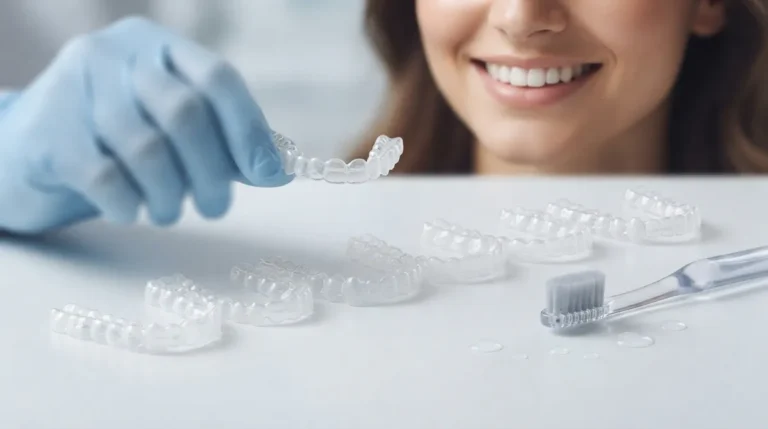
| Essix (Clear) Retainer | Clear, custom-molded plastic tray similar to an aligner | Patients wanting a discreet, nearly invisible option |
A 2024 systematic review on retention protocols found that permanent fixed retainers were more effective than Hawley or Essix retainers at preventing relapse after comprehensive orthodontic treatment. That said, other reviews looking specifically at lower front teeth relapse found no strong evidence that one option beats the others across every outcome. In short, the best retainer is the one you’ll actually wear consistently.
Which Retainer Is Right for You?
There’s no single perfect answer here, and that’s okay. Your orthodontist will consider your bite, your treatment history, and your daily habits. If you’re curious about the differences, our articles on Hawley retainer facts and clear retainer basics break things down in plain language.
Steps for Effective Teeth Relapse Prevention
Preventing relapse isn’t complicated, but it does require consistency. Here’s a simple, step-by-step approach that works for kids, teens, and adults alike.
- Wear your retainer exactly as instructed, especially full-time during the first few months
- Attend every follow-up appointment so your orthodontist can check your progress
- Clean your retainer daily to prevent bacteria buildup and odor
- Replace lost or cracked retainers right away instead of waiting
- Watch for wisdom teeth development and get evaluated if needed
- Address grinding or clenching habits with a nightguard if recommended
- Keep up with regular dental cleanings to support overall oral health
Good oral hygiene habits matter here too. Healthy gums and strong enamel give your retainer and teeth the best possible foundation. If you ever notice looseness, discomfort, or a retainer that no longer fits snugly, don’t wait it out. Reach out and contact us so we can check things before minor shifting turns into a bigger problem.
Signs Your Retainer Isn’t Fitting Right
Your retainer should feel snug but not painful. If something feels off, it usually means your teeth have already started to shift. Watch for these warning signs:
- Noticeable pressure or tightness that wasn’t there before
- Gaps between the retainer and certain teeth
- Difficulty seating the retainer fully
- Visible changes in tooth position when you look in the mirror
- Clicking or popping sounds when inserting the retainer
Any of these signs mean it’s time for a check-up. Small shifts caught early are much easier to correct than relapse that’s been left alone for months or years.
Special Considerations for Each Life Stage
For Parents of Kids and Teens
Busy families juggle a lot, and retainer wear can easily fall to the bottom of the to-do list. Setting a phone reminder or pairing retainer time with an existing routine, like brushing before bed, makes it much easier for kids to stay consistent. Options like WildSmiles Braces during treatment can also build positive associations with orthodontic care, making the transition to retainer wear feel less like a chore.
For Young Professionals
If you finished treatment with clear aligners for a more discreet look, chances are you’ll appreciate a clear Essix-style retainer that keeps your smile looking natural during meetings and social events. Many young adults find this option blends seamlessly into a professional lifestyle without drawing attention.
For Adults Returning After Relapse
If you had braces years ago and your teeth have shifted since, you’re not alone, and you’re definitely not starting from scratch. Many adults return for a shorter, more focused treatment using clear aligners to correct relapse before committing to a lifelong retention plan this time around. In fact, adult relapse patients tend to be some of the most consistent and motivated patients we see, precisely because they know firsthand what happens when retention gets skipped.
How Long Should You Wear a Retainer?
This is one of the most common questions patients ask, and the honest answer is: longer than you probably expect. Most orthodontists recommend nightly wear indefinitely, because relapse risk never fully disappears. Your teeth can shift at any age, even decades after treatment, especially as your jaw naturally changes over time.
Since it’s nearly impossible to predict exactly who will experience relapse, the safest approach is treating every patient as if they have a high chance of it. That’s why long-term or even lifelong retention has become the standard recommendation across the orthodontic field, a point supported by guidance from the American Board of Orthodontics.
Advanced Technology Supporting Better Retention Outcomes
Modern orthodontic care isn’t just about the braces or aligners themselves. It’s also about precise planning that sets you up for lasting results. At Segovia Orthodontics, we use advanced orthodontic technology to design treatment plans that reduce relapse risk from the start. Systems like LightForce Orthodontics use custom 3D-printed brackets that fit your teeth precisely, which can support more stable, predictable results heading into the retention phase.
Similarly, patients using Angel Aligners benefit from AI-driven treatment planning that maps out tooth movement with precision, helping create a stronger foundation before retainers even come into play.
Building Habits That Protect Your Smile Long-Term
Preventing relapse really comes down to a few consistent habits repeated over time. Here’s a quick list of daily and long-term habits that make a real difference.
- Wear your retainer every single night, no exceptions during the first year
- Store your retainer in its case when not in use to avoid damage or loss
- Rinse and brush your retainer gently each day
- Bring your retainer to every dental check-up for a quick fit assessment
- Tell your orthodontist about any new jaw pain, clicking, or shifting right away
Simple habits like these are far easier than starting orthodontic treatment all over again. If you ever have questions about your retention plan, our FAQ page covers many common concerns patients bring up during their appointments.
Curious what real patients say about their experience with retention and long-term results? You can visit us on Google — Segovia Orthodontics to read reviews from families right here in Lakewood Ranch. You can also follow along with smile transformations and retention tips on our Facebook page and our Instagram page.
Your Next Step Toward a Smile That Lasts
Teeth relapse prevention doesn’t have to feel overwhelming. With the right retainer, a little consistency, and regular check-ins with your orthodontist, your smile can stay exactly where it belongs for years to come. Whether you’re managing your child’s retainer routine, protecting results from your own clear aligner journey, or coming back after years of relapse, our Lakewood Ranch team is here to help every step of the way.
Ready to protect your smile or fix relapse for good? Request an appointment today, or call us at 941-557-1333 to talk with our friendly team about the best retention plan for you.
FAQs
Q: What is teeth relapse in orthodontics?
A: Teeth relapse is when your teeth start shifting back toward their original crooked positions after braces or aligners are removed. It happens because the bone and gum tissue need time to fully stabilize around your new smile, so skipping retainer wear can let teeth drift.
Q: How long do I need to wear a retainer after treatment?
A: Most orthodontists recommend nightly wear indefinitely, since relapse risk never completely goes away. Think of it like ongoing maintenance for your smile, similar to how you’d keep up with regular check-ups for your health.
Q: Can teeth relapse happen years after braces?
A: Yes, absolutely. Your jaw and teeth can shift at any age, sometimes even decades after treatment. That’s exactly why long-term retention is so important, and why we see adult patients return for touch-up treatment years later.
Q: Which retainer is best for preventing relapse?
A: There isn’t one universal answer since research shows mixed results, though fixed retainers may offer stronger prevention in some cases. Honestly, the best retainer is the one you’ll wear consistently and comfortably, which your orthodontist can help you choose.
Q: Can orthodontic relapse be fixed without getting braces again?
A: In many cases, yes! Clear aligners can often correct mild to moderate relapse without needing full traditional braces again. It really depends on how much shifting occurred, so a quick evaluation is the best way to know your options.
Our Service Area