Key Takeaways
-
New or widening gaps in adults can signal gum disease; get gum health checked before cosmetic treatment to avoid missing underlying bone loss issues.
-
Many children's gaps close naturally during the 'ugly duckling' phase as permanent teeth erupt; wait and monitor before rushing into treatment based on appearance alone.
-
Teeth gaps stem from multiple causes (jaw-tooth size mismatch, missing teeth, enlarged frenum, habits, gum disease); a professional evaluation is essential to identify the specific cause and choose the right treatment.
-
Modern orthodontic options like LightForce brackets and Angel Aligners can significantly reduce treatment time compared to traditional braces, making timing-sensitive smile goals more achievable.
-
Retainers are critical after gap closure because teeth naturally drift back to old positions; skipping retention is the most common reason gaps reappear, especially in adults who had childhood braces.
-
Gaps affect about 18.7% of children and teens overall, with 13.8% specifically showing midline diastema, making spacing problems far more common than many people realize.
Ever notice a gap between your front teeth and wonder if you should worry about it? You’re not alone. Teeth spacing problems show up in kids, teens, and adults, and the causes behind them are more varied than you might think. Some gaps close up on their own. Others need a little help from an orthodontist. And some gaps that seem to disappear can sneak back years later if you’re not careful.
At Segovia Orthodontics, we see families in Lakewood Ranch every week who have questions about spacing. Maybe it’s a mom noticing her seven-year-old’s new smile has a gap. Maybe it’s an adult who had braces years ago and is frustrated to see a space reopening. Whatever brought you here, we’re glad you came. Let’s walk through what causes teeth spacing problems, when they’re normal, and when it’s time to get help.
What Exactly Is a Diastema?
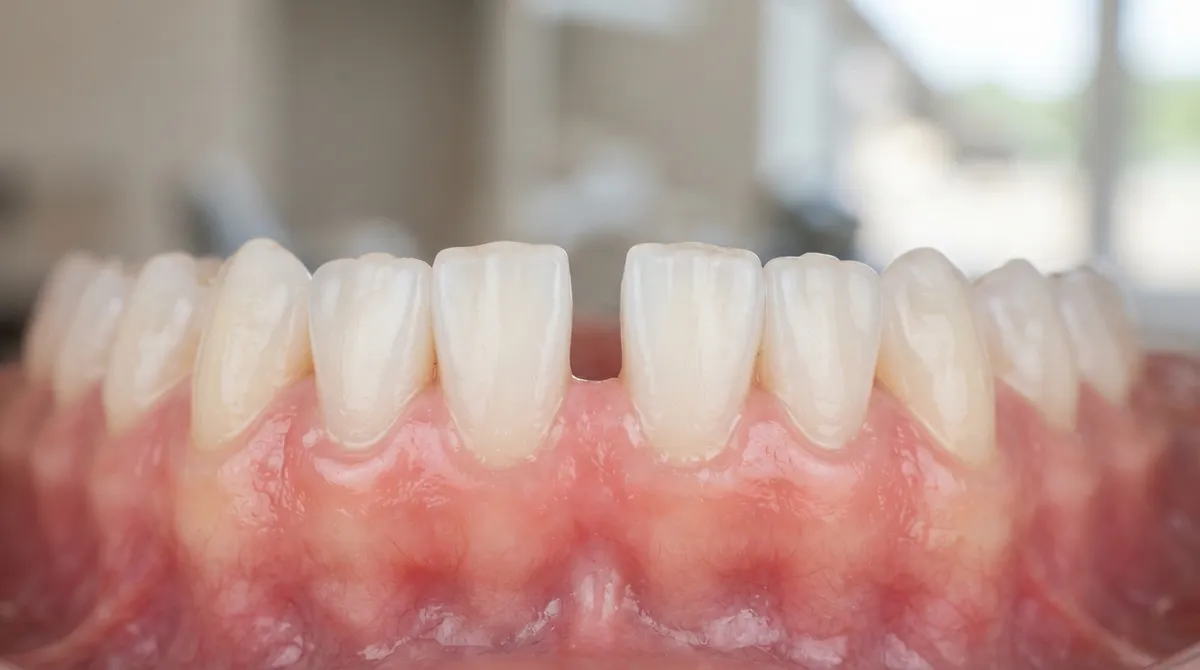
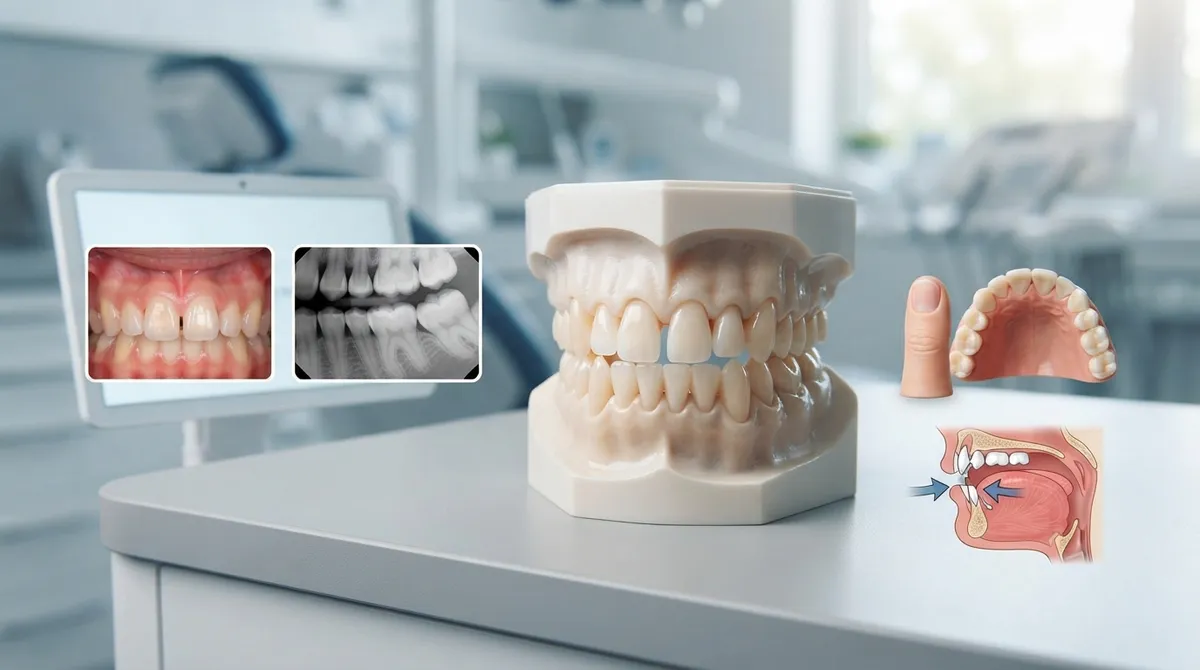
A diastema is just a fancy word for a gap between two teeth that should normally be touching. The most common spot people notice is between the two upper front teeth, but gaps can pop up anywhere in the mouth. Some people have just one gap. Others have several spaces scattered across their smile.
According to the Cleveland Clinic, a diastema is considered a common dental finding rather than a disease. Still, the reasons behind it matter a lot when it comes to figuring out the right fix.
Common Causes Behind Teeth Spacing Problems
There’s rarely one single reason for spacing. Here are the most frequent culprits our team looks for during an evaluation.
- Tooth and jaw size mismatch: When teeth are smaller than the jaw has room for, gaps naturally form between them.
- Missing or undersized teeth: Some people are simply born without certain teeth, or have teeth that are smaller than average, leaving extra space.
- Inherited traits: Just like eye color, tooth size and jaw shape often run in families.
- An enlarged labial frenum: This is the little piece of tissue connecting your upper lip to your gums. When it’s larger than usual, it can push teeth apart and create a noticeable midline gap.
- Childhood habits: Prolonged thumb-sucking or tongue thrusting can gradually shift teeth out of position over time.
- Gum disease: In adults, loss of gum and bone support can cause teeth to loosen and drift, creating new spacing that wasn’t there before.
A thorough evaluation is really the only way to know for sure what’s driving your spacing. Our first orthodontic visit is designed to look at the whole picture, not just the gap itself.
How Common Is Teeth Spacing, Really?
You might be surprised how often spacing shows up in the general population. A 2022 systematic review of studies involving children and adolescents found spacing prevalence averaged around 18.7%, though estimates ranged widely depending on the population studied.
That same review found spacing was more common in the upper jaw (23.4%) than the lower jaw (12.8%). Midline diastema specifically, the classic gap between the two front teeth, showed a weighted average prevalence of 13.8% among the children and teens studied.
| Spacing Type | Average Prevalence |
|---|---|
| Overall dental spacing (children/teens) | 18.7% |
| Upper jaw spacing | 23.4% |
| Lower jaw spacing | 12.8% |
| Midline diastema | 13.8% |
Older research from the American Academy of Pediatric Dentistry found that gaps between the front teeth were even more common in early childhood, with roughly half of kids ages 6 to 8 showing this trait. That number tends to shrink as more permanent teeth come in. So if your child has a gap right now, it doesn’t automatically mean lifelong treatment is needed.
Will My Child’s Gap Close on Its Own?
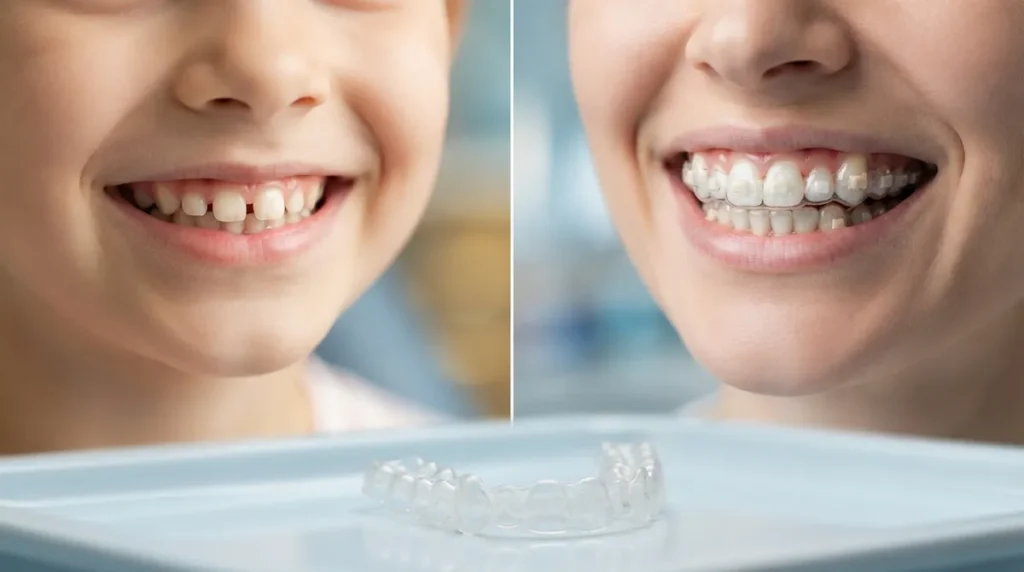
This is probably the question we hear most from concerned parents. The honest answer is: sometimes yes, sometimes no. Many kids develop a temporary space between their upper front teeth while their permanent teeth are still coming in. As the canines and other teeth erupt, that space often narrows or closes completely.
This stage is sometimes called the “ugly duckling” phase, and it’s completely normal. The key is not to panic and rush into treatment based on appearance alone. Instead, timing decisions should be based on how your child’s mouth is developing overall.
Here’s a simple way to think through it:
- Take note of your child’s age and which teeth have already come in.
- Watch whether the gap is shrinking over several months, staying the same, or getting bigger.
- Check for other issues, like crowding, a bad bite, or trouble chewing.
- Schedule an evaluation with an orthodontist if the gap seems unusually large or isn’t improving.
The American Association of Orthodontists recommends kids get their first orthodontic evaluation by age 7, which gives professionals a chance to catch developing issues early. Learn more about what that visit looks like on our early orthodontic treatment page.
When Adults Notice New Gaps
Spacing isn’t just a kid thing. Plenty of adults come to us with a gap that seems to have appeared out of nowhere. This is worth paying attention to, because a new or widening gap in adulthood can sometimes signal periodontal disease.
When gum tissue and bone lose their grip on teeth, teeth can start to loosen and shift. That drifting often shows up as new spacing, especially between the lower front teeth. If this sounds like what you’re experiencing, it’s important to get your gum health checked before jumping straight into cosmetic fixes. Closing a gap without addressing the underlying gum issue is a bit like painting over a crack in the wall without fixing the foundation.
Our adult orthodontics team routinely coordinates with dental professionals to make sure gum health is stable before any spacing correction begins.
Treatment Options for Closing Gaps
The right treatment really depends on why the gap is there in the first place. Here’s a rundown of common approaches.
Braces or Clear Aligners
For most patients, especially those with multiple gaps or spacing tied to a bite issue, braces or clear aligners are the go-to solution. These appliances gradually move teeth into their correct positions, closing gaps while also improving how the upper and lower teeth fit together.
At our office, we offer a few different paths depending on lifestyle and preference:
- WildSmiles Braces: A fun, customizable option great for kids and teens who want to express their personality during treatment.
- LightForce Orthodontics: A fully digital, 3D-printed bracket system custom-fitted to each tooth, which can shorten treatment time by up to 45%.
- Clear Aligners, including Angel Aligners: A discreet, removable option that appeals to busy professionals and image-conscious teens alike.
Angel Aligners in particular use a unique 7+3 wear schedule, alternating between a flexible tray and a firmer one, which can speed up tooth movement compared to some other clear aligner systems. For young professionals and career-focused adults who don’t want visible metal during important meetings or milestone events, this kind of discreet option can make treatment much easier to commit to.
Other Options Depending on the Cause
Not every gap needs full orthodontic treatment. Depending on your specific situation, other options might include:
- Composite bonding or veneers: These can make naturally small teeth appear wider, closing the visual gap without moving teeth.
- Tooth replacement: If a missing tooth is the cause of a gap, options like an implant or bridge may be needed to fill the space properly.
- Frenectomy: If an enlarged labial frenum is contributing to a midline gap, this minor procedure can help. It’s worth knowing that a frenectomy alone doesn’t guarantee the gap will close. Orthodontic treatment is often still needed afterward.
A clinician needs to look at your full bite and smile before recommending any of these, since closing a gap isn’t always a simple, stand-alone fix.
How Long Does Treatment Take?
Treatment time varies quite a bit based on how many teeth are involved, how large the gaps are, and whether there are other bite issues to correct. Some patients with a single small gap and a fairly straightforward bite may see results in several months. More complex spacing involving multiple teeth or jaw alignment issues can take a year or more.
This is exactly why an in-person evaluation matters so much. Our advanced orthodontic technology allows Dr. Segovia to map out a precise plan and give you a realistic timeline before treatment even begins.
Retention: The Step People Forget
Here’s something we can’t stress enough: closing a gap is only half the job. Teeth have a natural tendency to drift back toward their old positions, especially in the months right after treatment ends. That’s why orthodontic retainers are such a critical part of any treatment plan.
This matters a lot for our adult relapse patients, folks who had braces as teens but stopped wearing their retainer and are now seeing old gaps creep back. If this describes you, please know you’re not alone, and it’s very treatable. Many adults come back to us feeling a little sheepish about it, but there’s no judgment here. We just want to help you get your smile back on track and keep it there this time.
Retention plans should also factor in any habits or gum issues that contributed to the original spacing. Skipping this step is one of the most common reasons gaps come back after treatment.
Life Events and Your Smile Timeline
If you’re planning a wedding, graduation, or big career milestone, timing matters. The good news is that today’s treatment options move faster than they used to. LightForce technology, for example, can reduce treatment time significantly compared to older bracket systems, and Angel Aligners’ accelerated wear schedule can help patients see results sooner too.
If you’ve got a date circled on your calendar, it’s worth having a conversation early. The sooner we evaluate your smile, the more options we have for hitting your timeline comfortably.
Why Choose Segovia Orthodontics for Spacing Treatment
Dr. Flor Segovia is a board-certified orthodontist who provides bilingual care in English and Spanish, and our whole team focuses on making every visit comfortable, especially for families juggling busy schedules. Whether you’re bringing in a seven-year-old for a first evaluation or you’re an adult ready to finally deal with that gap that’s bothered you for years, we’re here to help.
You can see what real patients have to say by checking out our Facebook page or following along on our Instagram page for smile transformations and behind-the-scenes looks at our Lakewood Ranch office. You can also visit us on Google — Segovia Orthodontics to read reviews from families just like yours.
For general background on orthodontic credentials and standards, the American Board of Orthodontics is a helpful resource for understanding what board certification means for your care.
Your Next Step
Teeth spacing problems come in all shapes and sizes, and so do the solutions. Some gaps need nothing more than patience while permanent teeth finish coming in. Others benefit from braces, clear aligners, or a combination of treatments tailored to the real cause. The best way to know which category you or your child falls into is a proper evaluation.
If you’ve been putting off dealing with that gap, now’s a great time to stop wondering and start finding out. Request an appointment with our Lakewood Ranch team today, or call us at 941-557-1333 to talk through your options. We can’t wait to help you feel confident about your smile.
FAQs
Q: What causes gaps between teeth?
A: Gaps can come from a mismatch between tooth and jaw size, missing or small teeth, an enlarged frenum, childhood habits like thumb-sucking, or even gum disease in adults. The good news is that a proper evaluation can usually pinpoint the exact cause pretty quickly!
Q: Will a gap between my child’s front teeth close on its own?
A: Many times, yes! This is often called the ‘ugly duckling’ stage, and it tends to narrow as more permanent teeth erupt. That said, it’s still smart to have an orthodontist keep an eye on things just to be safe.
Q: Can braces or clear aligners close gaps between teeth?
A: Absolutely, this is one of the most common things we treat. Both braces and clear aligners, including options like Angel Aligners, gradually shift teeth together to close spacing while improving your overall bite.
Q: Can gum disease cause new gaps between teeth?
A: Yes, it can. When gum and bone support weaken, teeth can loosen and drift, creating new spaces that weren’t there before. If you notice a new gap as an adult, it’s worth getting your gum health checked first.
Q: Can a retainer keep a gap from reopening after treatment?
A: Yes, and honestly, this step is just as important as the treatment itself! Teeth naturally want to drift back, so wearing your retainer as directed is the best way to protect your results for the long haul.
Our Service Area