Key Takeaways
-
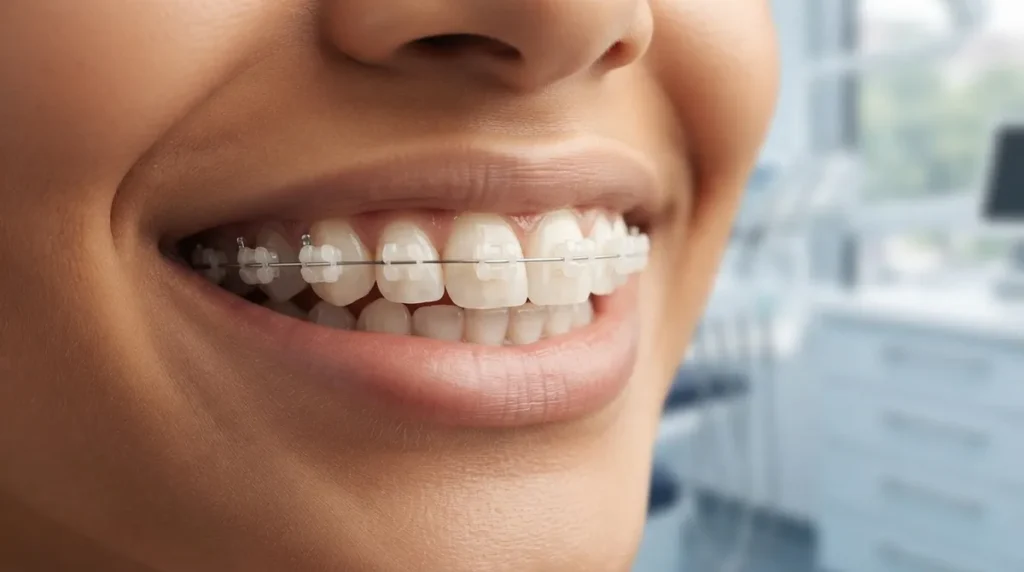
Ceramic braces use clear or tooth-colored brackets that blend with natural teeth, making them significantly less noticeable than metal braces—ideal for professionals, teens, and those with upcoming events.
-
Ceramic brackets are made from alumina-based ceramic materials and can chip or fracture more easily than metal, requiring special care during treatment and potentially higher maintenance costs.
-
Treatment time, effectiveness, and suitability vary by individual case; ceramic braces work on the same principle as metal braces but typically cost more and may have bulkier brackets that are still partially visible.
-
Good oral hygiene, avoiding certain foods, attending all appointments, and protecting brackets are essential care practices, while costs vary by complexity and location—consulting an orthodontist for a personalized estimate is crucial.
If you have ever wondered, “what is ceramic braces?” you are in good company. Many parents, teens, and adults want straighter teeth but feel nervous about the look of metal on their smile. Ceramic braces are one option that can help. They work like traditional braces, but the brackets are clear or tooth-colored, so they blend in better.
Whether you are a parent planning for a child, a busy professional who wants a less noticeable option, or someone getting ready for a wedding or graduation, this guide is for you. We will walk through 10 friendly, easy-to-understand facts about ceramic braces in 2026. You will learn how they work, what they are made of, what they cost, and how to care for them.
By the end, you will feel more confident about whether ceramic braces might fit your smile goals. And remember, an orthodontist is the best person to tell you what suits your teeth. Let us dive in!
1. What Is Ceramic Braces? The Simple Answer
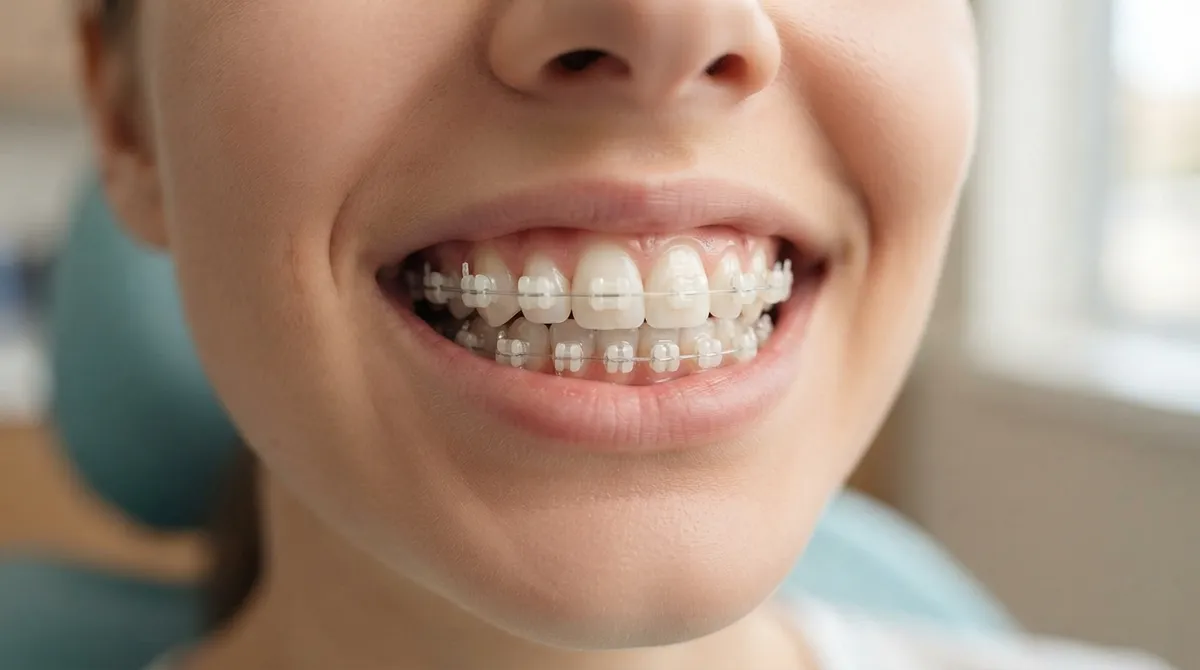
So, what is ceramic braces exactly? Ceramic braces are fixed orthodontic appliances. Small clear or tooth-colored brackets are bonded to your teeth. A thin archwire connects the brackets and gently guides your teeth into better positions over time.
Think of them as a cousin to metal braces. The basic idea is the same, but the brackets are made to blend in with your natural teeth. That is why many people call them a less noticeable way to straighten a smile.
To see how they fit among other choices, you can read about the different types of braces that are available today.
2. How Ceramic Braces Actually Work
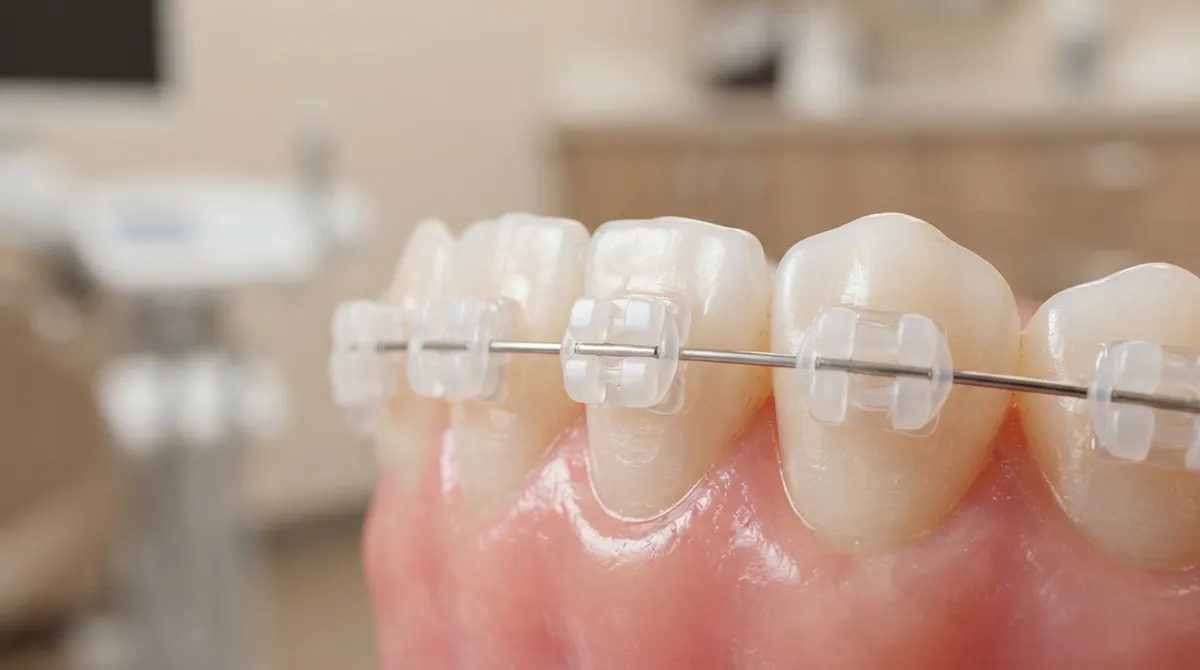
Ceramic braces work through steady, controlled pressure. Here is the basic process in simple steps:
- Your orthodontist bonds a small bracket to each tooth.
- An archwire is threaded through the brackets.
- The wire applies gentle force to move teeth toward their new positions.
- You visit for adjustments so the treatment plan keeps moving forward.
Over time, this slow pressure reshapes your smile. Because your teeth and bite are unique, the exact plan is different for every person. Your orthodontist will design a plan just for you.
3. What Ceramic Brackets Are Made Of
Ceramic brackets are commonly made from alumina-based ceramic. Some are made from polycrystalline alumina, and some systems use monocrystalline sapphire. The exact material and design can vary by product.
This strong, glass-like material is what gives the brackets their clear or tooth-colored look. A 2023 review of orthodontic brackets describes ceramic brackets as more aesthetic than stainless-steel brackets. The same review notes that they have mechanical limits, such as brittleness.
In other words, they look great, but they need a little extra care.
4. Ceramic Braces vs. Metal Braces vs. Clear Aligners
One of the most common questions is how ceramic braces stack up against other options. Here is a quick side-by-side look.
| Feature | Ceramic Braces | Metal Braces | Clear Aligners |
|---|---|---|---|
| Fixed or removable | Fixed (stay on) | Fixed (stay on) | Removable trays |
| Appearance | Clear or tooth-colored brackets | Noticeable metal | Nearly invisible |
| Bracket size | Can be bulkier | Smaller | No brackets |
| Durability | Can chip or fracture | Very sturdy | Trays replaced regularly |
| Cost | Often higher than metal | Often lower | Varies by case |
An important point: ceramic braces are not clear aligners. Aligners are removable trays, while ceramic braces stay attached during treatment. If you want to compare further, our guide on braces vs. clear aligners can help you decide.
5. The Biggest Advantage: A Less Noticeable Smile
The main reason people choose ceramic braces is looks. The brackets blend with your tooth color, so they draw less attention than shiny metal.
This can be a big comfort if you:
- Have a job where you talk or present often
- Are planning for a wedding, graduation, or big event
- Feel shy about wearing braces in photos
- Are an adult returning to treatment after years
Keep in mind that the wire and brackets can still be visible up close. They are less conspicuous, not invisible. Being honest about that helps you choose with confidence.
6. Possible Trade-Offs to Think About
No treatment is perfect, and ceramic braces have a few trade-offs worth knowing. Sharing them upfront helps you avoid surprises.
- Higher cost: The American Association of Orthodontists notes that ceramic braces may cost more than traditional metal braces.
- Bulkier brackets: Some ceramic brackets are larger than metal ones.
- Brittleness: Ceramic brackets can chip or fracture, and removal may require special care.
- Staining of ligatures: The brackets themselves generally resist discoloration, but the small elastic ties used with some systems can stain.
A 2022 laboratory study found ceramic brackets had higher hardness and elastic modulus than plastic brackets. That is a materials comparison, not a promise about treatment results, but it helps explain why ceramic is a popular choice for appearance-focused care.
7. Can Ceramic Braces Fix Your Bite and Alignment?
Yes, ceramic braces can treat many alignment and bite problems. These may include crowding, gaps, and bite issues that need careful correction. Suitability depends on your individual case and the tooth movements needed.
Because every mouth is different, your orthodontist should decide if ceramic brackets are a good match. Some complex cases may call for a different approach. To learn about common concerns, explore our page on common orthodontic problems.
If your teeth are crooked, you may also like our article on crooked teeth causes, effects, and fixes.
8. How Long Do Ceramic Braces Take?
Here is an honest answer: it depends. Treatment time is individualized and based on how complex your case is, along with personal factors. Available sources do not show a universal timeline, and they do not prove that ceramic braces always take longer than metal braces.
What helps most is teamwork. Wearing elastics as directed, keeping appointments, and protecting your brackets can all help your treatment stay on track. Your orthodontist will give you a case-specific estimate after an exam.
If you are curious about your first steps, see what to expect at your first orthodontic visit.
9. Who Are Ceramic Braces Best For?
Ceramic braces can suit many ages, but they often appeal to certain groups. Here is a look at who tends to like them most.
Teens and Parents
Teens often feel self-conscious about metal. A less noticeable option may help them feel more at ease. Parents can explore teen orthodontic treatment to see what fits their child’s needs and schedule.
Busy Adults and Professionals
Adults who want a subtler look at work may enjoy ceramic braces. Our page on adult orthodontics shares more about discreet options for grown-up smiles.
Life Event Planners and Relapse Patients
If you are prepping for a big milestone, or fixing teeth that shifted after past treatment, ceramic braces can be a good talking point with your orthodontist. Just keep in mind that timing depends on your unique case.
At Segovia Orthodontics, Dr. Flor Segovia is a board-certified orthodontist who offers personalized care for all ages. She can walk you through braces and clear aligner choices, including clear aligners, so you can pick what works best for your lifestyle.
10. Caring for Ceramic Braces and Understanding Cost
Good habits protect both your teeth and your braces. Here are simple tips to keep your smile healthy:
- Brush after meals and floss daily, using tools your orthodontist suggests
- Follow food guidance to avoid damaging brackets
- Attend every adjustment visit
- Call your orthodontist if a bracket breaks or feels loose
Speaking of foods, our guide on 13 foods to avoid with braces is a handy read. And if something goes wrong, learn what to do in an orthodontic emergency.
What About Cost?
Cost varies with how complex your treatment is, how long it lasts, where you live, practice fees, and insurance. There is no single standard price for ceramic braces. The best move is to ask for a case-specific estimate and check your coverage.
Many families find that payment help makes treatment easier. Explore orthodontic financing to see flexible ways to fit care into your budget.
Ceramic Braces Quick Pros and Cons
| Pros | Cons |
|---|---|
| Blend in with natural teeth | May cost more than metal braces |
| Work on the same proven principle as metal braces | Brackets can be bulkier |
| Brackets generally resist staining | Can chip or fracture; elastic ties may stain |
| Can treat many alignment and bite concerns | Wire and brackets may still be visible |
Ready to Learn More About Your Smile Options?
Now you have a clear answer to “what is ceramic braces.” They are fixed braces with clear or tooth-colored brackets that move your teeth gently over time, all while being less noticeable than metal. They are not the right fit for everyone, but they can be a wonderful choice for many smiles.
The best way to know for sure is to talk with an orthodontist who can examine your teeth and explain your options. You can also read what other patients share when you visit us on Google — Segovia Orthodontics, or follow along on our Facebook page and our Instagram page. You can also learn how to confirm credentials through the American Board of Orthodontics.
Are you ready to take the first step toward a smile you love? Segovia Orthodontics in Lakewood Ranch would be delighted to help. Request an appointment today, or call us at 941-557-1333 to chat with our friendly team.
FAQs
Q: What are ceramic braces made of?
A: Ceramic brackets are commonly made from alumina-based ceramic, including polycrystalline alumina, and some systems use monocrystalline sapphire. The exact material and design vary by product, so ask your orthodontist which type they use.
Q: Are ceramic braces the same as clear aligners?
A: Nope, they are different! Ceramic braces are fixed brackets bonded to your teeth that stay on during treatment, while clear aligners are removable plastic trays. Your orthodontist can help you decide which style suits your smile and lifestyle.
Q: Do ceramic braces stain or turn yellow?
A: The ceramic brackets themselves are generally resistant to discoloration. The small elastic ties used with some systems can stain, though, so good brushing, flossing, and following your orthodontist’s food guidance really help.
Q: How much do ceramic braces cost, and does insurance cover them?
A: The American Association of Orthodontists notes that ceramic braces may cost more than traditional metal braces, but there is no single standard price. Cost depends on your treatment complexity, length, location, practice fees, and insurance, so ask for a case-specific estimate and verify your coverage.
Q: Are ceramic braces as effective as metal braces?
A: Ceramic braces work on the same basic principle as metal braces and can treat many alignment and bite concerns. Whether they are right for you depends on your individual case, so an orthodontist should make that call after an exam.
Our Service Area